
• Facebook
  • X
  • YouTube
  • Instagram
  • YouTube
  • Instagram
Home Health Hub

Strategies to Improve and
Maintain Vibrant Health

Home Health Hub logo
  • Home
  • Categories
    • Regulation and Controls
    • Home and Office Design
    • Wellness Maintenance
    • Environmental Controls
    • Non-toxic Materials
    • Expert Interviews
    • Environmental Technology
  • Business Profiles
  • Weight Loss Challenge
November 21.2026
4 Minutes Read

Why Arch Dams Curve Upstream: Unraveling Engineering Secrets

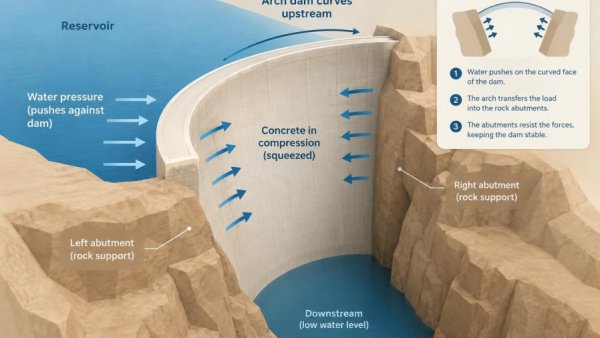
Simplified 3D diagram explaining why arch dams curve upstream

Understanding Arch Dams: A Unique Engineering Marvel

Arch dams are remarkable structures that not only hold back massive amounts of water but also showcase a fascinating aspect of civil engineering. The reason they curve upstream lies in their sophisticated design, which is intended to withstand the immense pressure exerted by the water they contain. By being shaped like a curve, arch dams efficiently distribute the water's weight to the canyon walls, allowing for a thinner and lighter dam compared to straight gravity dams.

In Why Do Arch Dams Curve Upstream?, the discussion dives into the engineering intricacies of these fascinating structures, exploring key insights that sparked deeper analysis on our end.

The Geometry of Strength: Why Upstream Curvature Matters

The upstream curvature of arch dams is crucial for stability. When water pushes against the dam, the curved design directs some of that force sideways into the rock walls of the canyon, reducing the strain on the dam itself. This geometric advantage not only improves the structural integrity of the dam but also enhances its longevity, allowing it to serve communities for decades without major repairs. This is particularly important in areas where natural disasters, such as earthquakes, can pose significant risks to infrastructure. The arch dam's ability to flex and bend under stress makes it a preferred choice for those concerned with durability and safety.

Environmental Impact: Balancing Man-Made Structures with Nature

As we consider the benefits of arch dams, it’s vital to acknowledge their environmental implications. While these structures are designed to provide hydroelectric power and water supply, they can also affect river ecosystems. The creation of a reservoir behind the dam alters the natural landscape and can disrupt fish migration patterns. To combat these challenges, innovative solutions such as fish ladders or bypass systems are sometimes implemented to help maintain ecological balance.

Moreover, water quality in the reservoir itself may change, as stagnant water can lead to a decrease in oxygen levels, impacting aquatic life. Therefore, careful ecological studies and sustainable practices are essential when planning and constructing new dam projects. By understanding the environmental dynamics, we can work toward minimizing adverse effects while maximizing the benefits of these monumental structures.

Historical Context: The Evolution of Dams Throughout Time

Arch dams have been part of our history for centuries, with early forms of these structures dating back to ancient times. Some of the first examples can be found in Roman architecture, where they were used to create aqueducts and irrigation systems that supported urban life. However, the development of modern materials and engineering techniques in the 20th century allowed for advancements that made arch dams both more feasible and more effective. Improvements in concrete technology, for example, have significantly increased the durability and load-bearing capabilities of these structures.

Understanding their historical context not only illuminates the progression of engineering methods but also helps us appreciate the cultural impact of these structures in creating infrastructure that supports society. Today’s arch dams often serve a dual purpose: they provide essential water control features while also being sites of tourism and recreation. This evolution reflects our growing understanding of how to balance human needs with environmental stewardship.

Future Predictions: The Role of Innovation in Dam Engineering

Looking ahead, the future of arch dam technology seems promising, particularly with the rise of innovative materials and sustainable practices. Engineers are now exploring the integration of smart technology within dam structures to monitor stress and environmental changes, allowing for proactive maintenance and assessment. Such technologies could revolutionize how we manage our water resources, further enhancing the role of arch dams in sustainable infrastructure.

Additionally, with climate change impacting water availability and altering precipitation patterns, the emphasis on adaptable dam designs that can withstand shifting conditions is becoming critical. These innovations, coupled with renewable energy advancements, may pave the way for a new era of dam functionality, where they serve as more than just barriers but integral parts of the ecosystem supporting life.

Practical Insights: What Everyone Should Know About Arch Dams

For individuals interested in engineering or environmental management, understanding arch dams can open a window into the complexity and necessity of water management systems. Whether you’re a student contemplating a career in civil engineering or a concerned citizen interested in local infrastructure, knowing how arch dams function and their implications can empower you to engage in informed discussions and decision-making processes regarding your community’s resources.

Advancements in educational programs and resources about civil engineering can further enhance public awareness and involvement. Engaging the youth in project-based learning initiatives that focus on local water management issues can foster a sense of responsibility and pride in community resources.

Real-Life Examples: The Most Famous Arch Dams Globally

Some of the world's most renowned arch dams highlight both the beauty and utility of this engineering marvel. The Glen Canyon Dam in Arizona and the Hoover Dam between Nevada and Arizona are prime examples that not only serve hydropower needs but have also become popular tourist attractions. Their impressive designs and bold structures are testaments to human ingenuity and serve as reminders of our responsibility in maintaining such impactful constructions.

For those interested in visiting, the breathtaking views from the top of these dams provide not only an engineering perspective but also a chance to connect with the natural beauty surrounding them. Such visits can stimulate interest in both environmental conservation and the importance of sustainable engineering practices among the general public.

In Why Do Arch Dams Curve Upstream?, the discussion dives into the engineering intricacies of these fascinating structures, exploring key insights that sparked deeper analysis on our end. Understanding the purpose and design of arch dams can lead to greater appreciation and awareness of how these structures contribute to our infrastructure—balancing both human needs and environmental preservation.

Environmental Technology

1 Views

0 Comments

Write A Comment

*
*
Please complete the captcha to submit your comment.
Related Posts All Posts
11.21.2026

How Can a Traffic Light Learn to Shorten Your Wait? Discover Adaptive Solutions

Update The Evolution of Traffic Lights: From Stops to Smarter Connections Traffic lights, once simple indicators of stop and go, are evolving into intelligent systems that have the potential to enhance traffic flow significantly. The video "Can a Traffic Light Learn to Shorten Your Wait?" touches on the innovative concept of adaptive traffic signals, which are designed to adjust their timing based on real-time traffic conditions. This could revolutionize how we navigate our cities and reduce the frustration of waiting at red lights. By leveraging data and technology, these systems hold promise not just for improving traffic efficiency, but for enhancing our overall driving experience.In 'Can a Traffic Light Learn to Shorten Your Wait?', the discussion dives into adaptive traffic signals and their transformative impact on our commuting experience, sparking deeper analysis on our end. Understanding Adaptive Traffic Signals Adaptive traffic signals use advanced sensors and artificial intelligence to assess traffic flow dynamically. Unlike traditional signals that operate on fixed timing, which often lead to unnecessary waits, these smart lights analyze the number of vehicles waiting at an intersection, adjusting the green light duration accordingly. This adaptability can significantly shorten wait times for drivers and improve overall traffic efficiency, resulting in a smoother commute for everyone on the road. Imagine arriving at a busy intersection and finding that the green light stays on just long enough to accommodate the flow of vehicles rather than turning red prematurely. This scenario is now within reach with cutting-edge technology. Furthermore, adaptive traffic signals can even consider pedestrian crossings, ensuring that the needs of all road users are balanced. This holistic approach fosters a safer environment for both drivers and pedestrians alike. Wider Implications of Smart Traffic Solutions Implementing adaptive traffic signals could have broader implications beyond simply reducing wait times. By minimizing unnecessary stops, these systems can lead to reduced vehicle emissions, improving urban air quality. This innovation aligns with the growing trend of smart cities, where technology is harnessed to create more sustainable urban environments. As we face increasing traffic congestion and environmental challenges, such solutions are essential for our cities’ futures. Cleaner air from reduced emissions can contribute significantly to public health by mitigating respiratory issues associated with air pollution. Moreover, by enhancing traffic flow, cities can also alleviate some of the economic burdens caused by traffic congestion. Businesses can benefit from improved logistics and customer access, while residents may find that their time is better spent attending to work, education, or family rather than getting frustrated in traffic. Connecting with Urban Wellness: Traffic and Mental Health Believe it or not, traffic flow can influence our mental health. Long wait times and congested roads contribute to stress, frustration, and even road rage. These negative experiences on the road can spill over into our daily lives, affecting relationships and overall happiness. By reducing delays, adaptive traffic signals not only streamline our commutes but also create a more positive driving experience. Less time in traffic means more time spent in enjoyable activities, promoting an overall sense of well-being and stress reduction. As urban planners and municipal leaders consider the impact of traffic patterns on community wellness, a focus on solutions like adaptive traffic lights signifies a significant shift. Reducing traffic-related stress contributes to a healthier urban environment, where citizens feel more at ease and can engage more fully in their lives. Challenges and Considerations in Implementation While the benefits of adaptive traffic signals are clear, challenges remain in their implementation. The technology requires significant investment and infrastructure upgrades. Cities need to balance budgets and prioritize between new innovations and other pressing urban needs such as housing and public transportation. Additionally, integrating these systems with existing traffic management frameworks poses technical challenges; retrofitting older systems to accommodate such advanced technology can be logistically complex. Moreover, it's crucial for cities to ensure that the data collected from these systems is used effectively while maintaining residents' privacy and security. The ethical implications of using traffic data for city planning and enforcement must be addressed appropriately, encouraging transparency and community trust in these new technologies. Future Predictions: The Road Ahead As urban areas continue to expand, the need for innovative traffic management systems will intensify. The rise of autonomous vehicles and the integration of smart navigation apps make it even more critical to consider how traffic signals adapt to evolving urban landscapes. By investing in adaptive traffic technologies today, cities can prepare for the future of urban mobility. The implementation of smart traffic signals is just one step towards creating a fully interconnected transportation network, one that supports different forms of transit, including biking and public transportation. As we look ahead, community engagement will be essential. Local governments can benefit from public feedback as they design these systems, ensuring that the voice of residents is heard in the planning process. This collaborative approach will likely result in solutions that truly meet the needs of urban populations. Taking the Next Step: Advocating for Smart Infrastructure It’s essential for community members to advocate for the adoption of smart infrastructure within their cities. Engage with local policymakers to express the importance of investing in adaptive traffic solutions. Speak at town hall meetings, write letters to local representatives, and connect with like-minded residents to form advocacy groups focused on sustainable urban development. As residents, our voices can influence the direction of urban planning, leading to safer, healthier, and more efficient cities. Together, we can push for innovative solutions that address the complexities of modern urban living, ensuring that our cities remain vibrant and livable for generations to come.

11.20.2026

The Remarkable Transformation of Cow Manure into Biogas Energy

Update Unlocking the Secrets of Cow Manure: A Sustainable Solution Did you know that cow manure is not just waste? In fact, it's a vital resource for sustainable energy production and waste management. This intriguing concept was highlighted in the video What Happens to Cow Manure in a Sealed Tank?. Through the lens of anaerobic digestion, cow manure can be transformed into biogas, a renewable energy source that significantly reduces greenhouse gases. But how does this process work?In the video What Happens to Cow Manure in a Sealed Tank?, the process of converting cow manure into energy through anaerobic digestion is explored, highlighting its significance in sustainable practices. Historical Context and Background: The Rise of Biogas Technology Historically, manure has been used as a fertilizer for centuries. However, with the increasing focus on environmental sustainability, the potential to convert waste into energy has gained significant attention. Biogas technology, which dates back to ancient civilizations, is now seeing a resurgence. Countries like Germany and Sweden have embraced it, investing in biogas plants to not only manage waste but also produce clean energy. This technology has evolved from small-scale operations, often associated with old farms, into sophisticated systems capable of producing substantial amounts of energy. The recent advancements in this field have made biogas production more efficient and accessible, creating numerous opportunities for farmers and communities to participate in the green energy movement. The Biogas Breakdown: How Anaerobic Digestion Works Anaerobic digestion is a natural process that occurs when organic matter, like cow manure, is broken down by microorganisms in an oxygen-free environment. This process takes place in sealed tanks, called digesters, where the waste decomposes over a period of weeks to months. As the microorganisms break down the manure, they produce biogas—primarily methane, which can be harvested and used for electricity, heating, or even as fuel. Anaerobic digesters function as a mini-ecosystem, creating an environment where bacteria can thrive without oxygen. This breakdown of manure not only generates biogas but also produces digestate—a nutrient-rich byproduct that can be used as a fertilizer, ultimately returning valuable nutrients back to the soil. This ecological approach not only utilizes waste but also mitigates harmful emissions, offering a dual benefit to the environment. Social Connection: Why This Information Matters The implications of biogas technology extend far beyond energy production. In agricultural communities, utilizing manure for biogas can benefit farmers economically by reducing their waste management costs and providing an additional revenue stream. Additionally, this process promotes sustainable agricultural practices, leading to healthier communities and ecosystems. As communities adopt biogas solutions, they also create job opportunities related to the installation and maintenance of digesters. This not only helps local economies but also encourages a broader engagement with renewable energy practices. By understanding and adopting these methods, we can encourage sustainable living amid growing environmental challenges. Future Predictions: The Growing Need for Renewable Energy As climate change continues to be a pressing issue, the shift towards renewable energy sources will accelerate. Biogas plants could play a crucial role in our energy future. Experts predict that by utilizing agricultural waste on a larger scale, we could significantly reduce our dependence on fossil fuels, fostering a more sustainable energy landscape. Furthermore, many agricultural policies are beginning to support biogas projects, making them more financially viable for farmers. Innovations in biogas technology, such as improved digesters and refining processes, could enhance efficiency and expand its use, making it an integral part of the energy mix. The potential for biogas to bridge energy gaps in rural areas, where access to traditional energy sources may be limited, continues to grow. Practical Insights: Implementing Biogas Solutions If you’re interested in sustainable living or are part of the agriculture sector, considering biogas plants could be a transformative step. Engaging with local governments and agricultural programs can help facilitate the installation of anaerobic digesters. Moreover, investing in education about biogas processes can empower communities, providing them a path to cleaner energy and sustainable practices. Local workshops, training sessions, and farm demonstrations can bridge the knowledge gap, allowing farmers to consider biogas systems as a viable and beneficial option. Bringing the community together to discuss benefits can spark a movement towards renewable energy, leading to cleaner air and healthier living environments. Practical takeaways might include visiting successful biogas farms or participating in community discussions, which can shed light on the local impact of such initiatives. Counterarguments and Diverse Perspectives: Addressing Concerns While the benefits of biogas technology are compelling, it's essential to acknowledge some challenges. Critics may point to high initial costs and the complexity of setting up biogas facilities. These barriers can discourage potential adopters who might feel overwhelmed by the technical details or uncertain about their investment. However, advancements in technology and increased subsidies from governments can help mitigate these obstacles, making biogas systems more attainable. Collaborative efforts, such as partnerships between governmental bodies, private investors, and local farmers, can pave the way for innovative solutions. Engaging diverse perspectives can lead to more inclusive solutions, ensuring that the transition to clean energy is equitable and accessible. Public advocacy for policy changes could also emphasize the need for affordable financing options and education resources that support new biogas installations. In conclusion, the transformation of cow manure into biogas paints a hopeful picture of sustainable waste management and energy production. Understanding this process, like the one discussed in What Happens to Cow Manure in a Sealed Tank?, empowers individuals, farmers, and communities to embrace environmental stewardship. As we move towards a greener future, let's consider how we can harness organic waste for energy, promote healthier ecosystems, and encourage sustainable choices within our societies. By staying informed and engaged, we can collectively contribute to a better planet for generations to come.

11.20.2026

Unraveling the Mystery: Why Does an Elevator Need a Counterweight?

Update The Engineering Marvel: Understanding Elevator Counterweights Have you ever wondered why elevators require counterweights? In the fascinating world of engineering, this seemingly simple question reveals a wealth of knowledge about physics, safety, and efficiency. Counterweights play a crucial role in balancing the weight of the elevator car, ensuring smooth and safe operation while reducing energy consumption. This article dives into the mechanics of elevator counterweights, how they work, and their importance in building design.In 'Why Does an Elevator Need a Counterweight?', the discussion dives into the importance of counterweights in elevator engineering, exploring key insights that sparked deeper analysis on our end. How Counterweights Function in Elevators At its core, the counterweight system is designed to help balance the weight of the elevator when it travels. When the elevator ascends, the counterweight descends, effectively sharing the load. By using a counterweight, elevators can operate more efficiently, require less energy, and reduce wear and tear on their machinery. This innovative design not only enhances efficiency but also minimizes the risk of elevator malfunctions, thereby bolstering safety for users. Think of it this way: when you're going uphill on a bicycle, it's easier if someone is helping to push you at the same time, right? That’s exactly what the counterweight does for the elevator system. By balancing the weight, the elevator motor doesn’t have to work as hard, which translates into less electricity used. A properly functioning counterweight system can save significantly on operational costs over time, making buildings more sustainable and energy-efficient. A Historical Perspective: Evolution of Elevators The history of elevators dates back to ancient times when simple pulley systems were used. These early mechanisms laid the groundwork for the modern elevators we rely on today. The introduction of counterweights revolutionized vertical transportation, especially in growing urban landscapes where buildings reached towering heights. By the 19th century, innovations brought about by engineers like Elisha Otis made elevators safer and more practical for everyday use. This advancement opened new possibilities for architecture, allowing for the construction of skyscrapers that define city skylines. As cities expanded and the demand for vertical transport grew, so did the complexity of elevator systems. Today’s elevators are marvels of modern engineering, incorporating digital technology and safety features that would have been unimaginable in past eras. The counterweight remains a key player in this evolution, proving that even traditional mechanisms can adapt and thrive alongside new technology. Safety First: The Importance of Elevator Counterweights Safety is paramount in building design, and the counterweight system contributes significantly. By lowering the amount of strain on the elevator’s motor, it reduces the likelihood of electrical failures or mechanical breakdowns. Regular maintenance ensures that these systems function correctly, further enhancing the safety and reliability of elevators, which are crucial hubs of urban infrastructure. Furthermore, in the event of a power outage, the counterweight system also helps mitigate risks. Elevators are equipped with safety brakes, and in a malfunction scenario, a well-designed counterweight can prevent the car from free-falling. This is critical in buildings with many floors, where the consequences of failure could be dire. Thus, through every aspect of their design, counterweights reinforce the commitment to user safety in public spaces. Efficiency and Environmental Impact: A Growing Concern In an era focused on sustainability, the efficiency provided by counterweights also addresses environmental concerns. With their ability to reduce energy consumption, elevators equipped with counterweights contribute to the overall energy efficiency of buildings. As more cities push for eco-friendly architecture, understanding the role of counterweights in elevators can inspire architects and engineers to integrate these concepts into their designs. Take, for instance, the increasing popularity of green buildings that focus on minimizing ecological footprints. Elevators with counterweights help in achieving required energy ratings, making them integral to modern architectural discussions. By incorporating sustainable technologies, architects can not only meet regulations but also attract tenants and visitors who are increasingly eco-conscious. Future Trends: Innovations in Elevator Technology The future of elevators is promising, with innovations geared towards further enhancing performance. Advanced sensors could refine counterweight systems, ensuring real-time adjustments based on usage patterns, potentially leading to even greater energy savings. These might include adaptive control systems that learn from ride patterns to optimize energy use without compromising service speed. Additionally, developments in materials technology may create lighter yet stronger counterweights, pushing the boundaries of what elevator systems can achieve in tall buildings. Imagine elevators that are able to travel at faster speeds while remaining energy-efficient due to advanced counterweight technologies. These innovations may allow for even taller buildings, redefining urban skylines as we know them. Conclusion: Elevators and the Urban Experience As cities continue to grow, elevators play an indispensable role in our daily lives. Recognizing the engineering brilliance behind counterweights not only enriches our understanding of this technology but also appreciates its significance in urban planning. Designing safe, energy-efficient, and effective elevators requires a blend of science and creativity that shapes our experience in vertical transport. In a nutshell, the presence of counterweights in elevators enhances performance, prioritizes safety, and contributes positively to energy consumption—factors that are increasingly important in modern building designs. This knowledge empowers us to make informed choices about the architectural features that support our lives. The next time you step into an elevator and ascend to your destination, remember the hidden engineering marvel at work, balancing safety and efficiency as you rise through the skyline.

HomeHealthHub.net

Professional Wellness Design and Maintenance  for Residential & Commercial Spaces, brought to you by Team Local Marketing.

  • Facebook
  • X
  • Youtube
  • Instagram
Team Resources
SEO Strategies
Social Media
Business Strategies

By Appointment

AVAILABLE FROM 8AM - 5PM


239 S Landing Dr, Milford, DE

ABOUT US

HomeHealthHub.net bridges the gap between institutional-grade wellness practice and residential/commercial applications, translating professional facility principles into practical solutions for all spaces.

© 2026 HomeHealthHub.net All Rights Reserved. 239 S Landing Dr, Milford, DE 19963 . Contact Us . Terms of Service . Privacy Policy

eyJjb21wYW55IjoiSG9tZUhlYWx0aEh1Yi5uZXQiLCJhZGRyZXNzIjoiMjM5IFMgTGFuZGluZyBEciIsImNpdHkiOiJNaWxmb3JkIiwic3RhdGUiOiJERSIsInppcCI6IjE5OTYzIiwiZW1haWwiOiJJbmZvQGhvbWVoZWFsdGhodWIubmV0IiwidG9zIjoiUEhBK1BITjBjbTl1Wno0OFpXMCtWMmhsYmlCNWIzVWdjMmxuYmkxcGJpQjNhWFJvSUhWekxDQjViM1VnWVhKbElHZHBkbWx1WnladVluTndPeUI1YjNWeUlIQmxjbTFwYzNOcGIyNGdZVzVrSUdOdmJuTmxiblFnZEc4Z2MyVnVaQ0I1YjNVZ1pXMWhhV3dnWVc1a0wyOXlJRk5OVXlCMFpYaDBJRzFsYzNOaFoyVnpMaUJDZVNCamFHVmphMmx1WnlCMGFHVWdWR1Z5YlhNZ1lXNWtJRU52Ym1ScGRHbHZibk1nWW05NElHRnVaQ0JpZVNCemFXZHVhVzVuSUdsdUlIbHZkU0JoZFhSdmJXRjBhV05oYkd4NUlHTnZibVpwY20wZ2RHaGhkQ0I1YjNVZ1lXTmpaWEIwSUdGc2JDQjBaWEp0Y3lCcGJpQjBhR2x6SUdGbmNtVmxiV1Z1ZEM0OEwyVnRQand2YzNSeWIyNW5Qand2Y0Q0S0NqeHdQanh6ZEhKdmJtYytVMFZTVmtsRFJUd3ZjM1J5YjI1blBqd3ZjRDRLQ2p4d1BsZGxJSEJ5YjNacFpHVWdZU0J6WlhKMmFXTmxJSFJvWVhRZ1kzVnljbVZ1ZEd4NUlHRnNiRzkzY3lCNWIzVWdkRzhnY21WalpXbDJaU0J5WlhGMVpYTjBjeUJtYjNJZ1ptVmxaR0poWTJzc0lHTnZiWEJoYm5rZ2FXNW1iM0p0WVhScGIyNHNJSEJ5YjIxdmRHbHZibUZzSUdsdVptOXliV0YwYVc5dUxDQmpiMjF3WVc1NUlHRnNaWEowY3l3Z1kyOTFjRzl1Y3l3Z1pHbHpZMjkxYm5SeklHRnVaQ0J2ZEdobGNpQnViM1JwWm1sallYUnBiMjV6SUhSdklIbHZkWElnWlcxaGFXd2dZV1JrY21WemN5QmhibVF2YjNJZ1kyVnNiSFZzWVhJZ2NHaHZibVVnYjNJZ1pHVjJhV05sTGlCWmIzVWdkVzVrWlhKemRHRnVaQ0JoYm1RZ1lXZHlaV1VnZEdoaGRDQjBhR1VnVTJWeWRtbGpaU0JwY3lCd2NtOTJhV1JsWkNBbWNYVnZkRHRCVXkxSlV5WnhkVzkwT3lCaGJtUWdkR2hoZENCM1pTQmhjM04xYldVZ2JtOGdjbVZ6Y0c5dWMybGlhV3hwZEhrZ1ptOXlJSFJvWlNCMGFXMWxiR2x1WlhOekxDQmtaV3hsZEdsdmJpd2diV2x6TFdSbGJHbDJaWEo1SUc5eUlHWmhhV3gxY21VZ2RHOGdjM1J2Y21VZ1lXNTVJSFZ6WlhJZ1kyOXRiWFZ1YVdOaGRHbHZibk1nYjNJZ2NHVnljMjl1WVd4cGVtRjBhVzl1SUhObGRIUnBibWR6TGp3dmNENEtDanh3UGxsdmRTQmhjbVVnY21WemNHOXVjMmxpYkdVZ1ptOXlJRzlpZEdGcGJtbHVaeUJoWTJObGMzTWdkRzhnZEdobElGTmxjblpwWTJVZ1lXNWtJSFJvWVhRZ1lXTmpaWE56SUcxaGVTQnBiblp2YkhabElIUm9hWEprSUhCaGNuUjVJR1psWlhNZ0tITjFZMmdnWVhNZ1UwMVRJSFJsZUhRZ2JXVnpjMkZuWlhNc0lFbHVkR1Z5Ym1WMElITmxjblpwWTJVZ2NISnZkbWxrWlhJZ2IzSWdZMlZzYkhWc1lYSWdZV2x5ZEdsdFpTQmphR0Z5WjJWektTNGdXVzkxSUdGeVpTQnlaWE53YjI1emFXSnNaU0JtYjNJZ2RHaHZjMlVnWm1WbGN5d2dhVzVqYkhWa2FXNW5JSFJvYjNObElHWmxaWE1nWVhOemIyTnBZWFJsWkNCM2FYUm9JSFJvWlNCa2FYTndiR0Y1SUc5eUlHUmxiR2wyWlhKNUlHOW1JR1ZoWTJnZ1UwMVRJSFJsZUhRZ2JXVnpjMkZuWlNCelpXNTBJSFJ2SUhsdmRTQmllU0IxY3k0Z1NXNGdZV1JrYVhScGIyNHNJSGx2ZFNCdGRYTjBJSEJ5YjNacFpHVWdZVzVrSUdGeVpTQnlaWE53YjI1emFXSnNaU0JtYjNJZ1lXeHNJR1Z4ZFdsd2JXVnVkQ0J1WldObGMzTmhjbmtnZEc4Z1lXTmpaWE56SUhSb1pTQlRaWEoyYVdObElHRnVaQ0J5WldObGFYWmxJSFJvWlNCVFRWTWdkR1Y0ZENCdFpYTnpZV2RsY3k0Z1YyVWdaRzhnYm05MElHTm9ZWEpuWlNCaGJua2dabVZsY3lCbWIzSWdaR1ZzYVhabGNua2diMllnWlcxaGFXd2diM0lnVTAxVExpQlVhR2x6SUdseklHRWdabkpsWlNCelpYSjJhV05sSUhCeWIzWnBaR1ZrSUdKNUlIVnpMaUJJYjNkbGRtVnlMQ0J3YkdWaGMyVWdZMmhsWTJzZ2QybDBhQ0I1YjNWeUlHbHVkR1Z5Ym1WMElITmxjblpwWTJVZ2NISnZkbWxrWlhJZ1lXNWtJR05sYkd4MWJHRnlJR05oY25KcFpYSWdabTl5SUdGdWVTQmphR0Z5WjJWeklIUm9ZWFFnYldGNUlHbHVZM1Z5SUdGeklHRWdjbVZ6ZFd4MElHWnliMjBnY21WalpXbDJhVzVuSUdWdFlXbHNJR0Z1WkNCVFRWTWdkR1Y0ZENCdFpYTnpZV2RsY3lCMGFHRjBJSGRsSUdSbGJHbDJaWElnZFhCdmJpQjViM1Z5SUc5d2RDMXBiaUJoYm1RZ2NtVm5hWE4wY21GMGFXOXVJSGRwZEdnZ2IzVnlJR1Z0WVdsc0lHRnVaQ0JUVFZNZ2MyVnlkbWxqWlhNdUlGbHZkU0JqWVc0Z1kyRnVZMlZzSUdGMElHRnVlU0IwYVcxbExpQktkWE4wSUhSbGVIUWdKbkYxYjNRN1UxUlBVQ1p4ZFc5ME95QjBieUE4YzNCaGJpQnpkSGxzWlQwaVltRmphMmR5YjNWdVpDMWpiMnh2Y2pvZ2NtZGlZU2d5TlRVc0lERTVPQ3dnTUN3Z01DNHpLVHNpUGpVM01TMDFORGt0TVRVNE5qd3ZjM0JoYmo0dUlFRm1kR1Z5SUhsdmRTQnpaVzVrSUhSb1pTQlRUVk1nYldWemMyRm5aU0FtY1hWdmREdFRWRTlRSm5GMWIzUTdJSFJ2SUhWekxDQjNaU0IzYVd4c0lITmxibVFnZVc5MUlHRnVJRk5OVXlCdFpYTnpZV2RsSUhSdklHTnZibVpwY20wZ2RHaGhkQ0I1YjNVZ2FHRjJaU0JpWldWdUlIVnVjM1ZpYzJOeWFXSmxaQzRnUVdaMFpYSWdkR2hwY3l3Z2VXOTFJSGRwYkd3Z2JtOGdiRzl1WjJWeUlISmxZMlZwZG1VZ1UwMVRJRzFsYzNOaFoyVnpJR1p5YjIwZ2RYTXVQQzl3UGdvS1BIQStQSE4wY205dVp6NVpUMVZTSUZKRlIwbFRWRkpCVkVsUFRpQlBRa3hKUjBGVVNVOU9Vend2YzNSeWIyNW5Qand2Y0Q0S0NqeHdQa2x1SUdOdmJuTnBaR1Z5WVhScGIyNGdiMllnZVc5MWNpQjFjMlVnYjJZZ2RHaGxJRk5sY25acFkyVXNJSGx2ZFNCaFozSmxaU0IwYnpvOEwzQStDZ284YjJ3K0NnazhiR2srY0hKdmRtbGtaU0IwY25WbExDQmhZMk4xY21GMFpTd2dZM1Z5Y21WdWRDQmhibVFnWTI5dGNHeGxkR1VnYVc1bWIzSnRZWFJwYjI0Z1lXSnZkWFFnZVc5MWNuTmxiR1lnWVhNZ2NISnZiWEIwWldRZ1lua2dkR2hsSUZObGNuWnBZMlVtSXpNNU8zTWdjbVZuYVhOMGNtRjBhVzl1SUdadmNtMGdLSE4xWTJnZ2FXNW1iM0p0WVhScGIyNGdZbVZwYm1jZ2RHaGxJQ1p4ZFc5ME8xSmxaMmx6ZEhKaGRHbHZiaUJFWVhSaEpuRjFiM1E3S1NCaGJtUThMMnhwUGdvSlBHeHBQbTFoYVc1MFlXbHVJR0Z1WkNCd2NtOXRjSFJzZVNCMWNHUmhkR1VnZEdobElGSmxaMmx6ZEhKaGRHbHZiaUJFWVhSaElIUnZJR3RsWlhBZ2FYUWdkSEoxWlN3Z1lXTmpkWEpoZEdVc0lHTjFjbkpsYm5RZ1lXNWtJR052YlhCc1pYUmxMaUJKWmlCNWIzVWdjSEp2ZG1sa1pTQmhibmtnYVc1bWIzSnRZWFJwYjI0Z2RHaGhkQ0JwY3lCMWJuUnlkV1VzSUdsdVlXTmpkWEpoZEdVc0lHNXZkQ0JqZFhKeVpXNTBJRzl5SUdsdVkyOXRjR3hsZEdVc0lHOXlJSGRsSUdoaGRtVWdjbVZoYzI5dVlXSnNaU0JuY205MWJtUnpJSFJ2SUhOMWMzQmxZM1FnZEdoaGRDQnpkV05vSUdsdVptOXliV0YwYVc5dUlHbHpJSFZ1ZEhKMVpTd2dhVzVoWTJOMWNtRjBaU3dnYm05MElHTjFjbkpsYm5RZ2IzSWdhVzVqYjIxd2JHVjBaU3dnZDJVZ2FHRjJaU0IwYUdVZ2NtbG5hSFFnZEc4Z2MzVnpjR1Z1WkNCdmNpQThjM1J5YjI1blBqeHpjR0Z1SUhOMGVXeGxQU0pqYjJ4dmNqb2pSa1l3TURBd095SStkR1Z5YldsdVlYUmxJSGx2ZFhJZ1lXTmpiM1Z1ZEM5d2NtOW1hV3hsSUdGdVpDQnlaV1oxYzJVZ1lXNTVJR0Z1WkNCaGJHd2dZM1Z5Y21WdWRDQnZjaUJtZFhSMWNtVWdkWE5sSUc5bUlIUm9aU0JUWlhKMmFXTmxJQ2h2Y2lCaGJua2djRzl5ZEdsdmJpQjBhR1Z5Wlc5bUtTNDhMM053WVc0K1BDOXpkSEp2Ym1jK1BDOXNhVDRLUEM5dmJENEtDanh3UGladVluTndPend2Y0Q0S1BHaHBaMmhzYVdkb2RDQmpiR0Z6Y3owaVkyOXRjR0Z1ZVU1aGJXVlZjR1JoZEdVaVBraHZiV1ZJWldGc2RHaElkV0l1Ym1WMFBDOW9hV2RvYkdsbmFIUStQR0p5SUM4K0NqeG9hV2RvYkdsbmFIUWdZMnhoYzNNOUltTnZiWEJoYm5sQlpHUnlaWE56VlhCa1lYUmxJajR5TXprZ1V5Qk1ZVzVrYVc1bklFUnlQQzlvYVdkb2JHbG5hSFErUEdKeUlDOCtDanhvYVdkb2JHbG5hSFFnWTJ4aGMzTTlJbU52YlhCaGJubFFhRzl1WlZWd1pHRjBaU0krS3pFck1UTXdNalV6TmpneU5UVThMMmhwWjJoc2FXZG9kRDQ4WW5JZ0x6NEtQR2hwWjJoc2FXZG9kQ0JqYkdGemN6MGlZMjl0Y0dGdWVVVnRZV2xzVlhCa1lYUmxJajVKYm1adlFHaHZiV1ZvWldGc2RHaG9kV0l1Ym1WMFBDOW9hV2RvYkdsbmFIUSsiLCJwcml2YWN5IjoiUEhBK1BITjBjbTl1Wno1UVVrbFdRVU5aUEM5emRISnZibWMrUEM5d1Bnb0tQSEErUEhOMGNtOXVaejVVYUdVZ2FXNW1iM0p0WVhScGIyNGdjSEp2ZG1sa1pXUWdaSFZ5YVc1bklIUm9hWE1nY21WbmFYTjBjbUYwYVc5dUlHbHpJR3RsY0hRZ2NISnBkbUYwWlNCaGJtUWdZMjl1Wm1sa1pXNTBhV0ZzTENCaGJtUWdkMmxzYkNCdVpYWmxjaUJpWlNCa2FYTjBjbWxpZFhSbFpDd2dZMjl3YVdWa0xDQnpiMnhrTENCMGNtRmtaV1FnYjNJZ2NHOXpkR1ZrSUdsdUlHRnVlU0IzWVhrc0lITm9ZWEJsSUc5eUlHWnZjbTB1SUZSb2FYTWdhWE1nYjNWeUlHZDFZWEpoYm5SbFpTNDhMM04wY205dVp6NDhMM0ErQ2dvOGNENDhjM1J5YjI1blBrbE9SRVZOVGtsVVdUd3ZjM1J5YjI1blBqd3ZjRDRLQ2p4d1BqeGxiVDVaYjNVZ1lXZHlaV1VnZEc4Z2FXNWtaVzF1YVdaNUlHRnVaQ0JvYjJ4a0lIVnpMQ0JoYm1RZ2FYUnpJSE4xWW5OcFpHbGhjbWxsY3l3Z1lXWm1hV3hwWVhSbGN5d2diMlptYVdObGNuTXNJR0ZuWlc1MGN5d2dZMjh0WW5KaGJtUmxjbk1nYjNJZ2IzUm9aWElnY0dGeWRHNWxjbk1zSUdGdVpDQmxiWEJzYjNsbFpYTXNJR2hoY20xc1pYTnpJR1p5YjIwZ1lXNTVJR05zWVdsdElHOXlJR1JsYldGdVpDd2dhVzVqYkhWa2FXNW5JSEpsWVhOdmJtRmliR1VnWVhSMGIzSnVaWGx6SmlNek9Uc2dabVZsY3l3Z2JXRmtaU0JpZVNCaGJua2dkR2hwY21RZ2NHRnlkSGtnWkhWbElIUnZJRzl5SUdGeWFYTnBibWNnYjNWMElHOW1JRU52Ym5SbGJuUWdlVzkxSUhKbFkyVnBkbVVzSUhOMVltMXBkQ3dnY21Wd2JIa3NJSEJ2YzNRc0lIUnlZVzV6YldsMElHOXlJRzFoYTJVZ1lYWmhhV3hoWW14bElIUm9jbTkxWjJnZ2RHaGxJRk5sY25acFkyVXNJSGx2ZFhJZ2RYTmxJRzltSUhSb1pTQlRaWEoyYVdObExDQjViM1Z5SUdOdmJtNWxZM1JwYjI0Z2RHOGdkR2hsSUZObGNuWnBZMlVzSUhsdmRYSWdkbWx2YkdGMGFXOXVJRzltSUhSb1pTQlVUMU1zSUc5eUlIbHZkWElnZG1sdmJHRjBhVzl1SUc5bUlHRnVlU0J5YVdkb2RITWdiMllnWVc1dmRHaGxjaTQ4TDJWdFBqd3ZjRDRLQ2p4d1BqeHpkSEp2Ym1jK1JFbFRRMHhCU1UxRlVpQlBSaUJYUVZKU1FVNVVTVVZUUEM5emRISnZibWMrUEM5d1Bnb0tQSEErUEhOMGNtOXVaejVaVDFVZ1JWaFFVa1ZUVTB4WklGVk9SRVZTVTFSQlRrUWdRVTVFSUVGSFVrVkZJRlJJUVZRNlBDOXpkSEp2Ym1jK1BDOXdQZ29LUEc5c1Bnb0pQR3hwUGxsUFZWSWdWVk5GSUU5R0lGUklSU0JUUlZKV1NVTkZJRWxUSUVGVUlGbFBWVklnVTA5TVJTQlNTVk5MTGlCVVNFVWdVMFZTVmtsRFJTQkpVeUJRVWs5V1NVUkZSQ0JQVGlCQlRpQW1jWFZ2ZER0QlV5QkpVeVp4ZFc5ME95QkJUa1FnSm5GMWIzUTdRVk1nUVZaQlNVeEJRa3hGSm5GMWIzUTdJRUpCVTBsVExpQXNMaUJCVGtRZ1ZWTXNJRWxVSmlNek9UdFRJRU5WVTFSUFRVVlNVeXdnUlZoUVVrVlRVMHhaSUVSSlUwTk1RVWxOVXlCQlRFd2dWMEZTVWtGT1ZFbEZVeUJQUmlCQlRsa2dTMGxPUkN3Z1YwaEZWRWhGVWlCRldGQlNSVk5USUU5U0lFbE5VRXhKUlVRc0lFbE9RMHhWUkVsT1J5d2dRbFZVSUU1UFZDQk1TVTFKVkVWRUlGUlBJRlJJUlNCSlRWQk1TVVZFSUZkQlVsSkJUbFJKUlZNZ1QwWWdUVVZTUTBoQlRsUkJRa2xNU1ZSWkxDQkdTVlJPUlZOVElFWlBVaUJCSUZCQlVsUkpRMVZNUVZJZ1VGVlNVRTlUUlNCQlRrUWdUazlPTFVsT1JsSkpUa2RGVFVWT1ZDNDhMMnhwUGdvSlBHeHBQazFCUzBWVElFNVBJRmRCVWxKQlRsUlpJRlJJUVZRZ0tHa3BJRlJJUlNCVFJWSldTVU5GSUZkSlRFd2dUVVZGVkNCWlQxVlNJRkpGVVZWSlVrVk5SVTVVVXl3Z0tHbHBLU0JVU0VVZ1UwVlNWa2xEUlNCWFNVeE1JRUpGSUZWT1NVNVVSVkpTVlZCVVJVUXNJRlJKVFVWTVdTd2dVMFZEVlZKRkxDQlBVaUJGVWxKUFVpMUdVa1ZGTENBb2FXbHBLU0JVU0VVZ1VrVlRWVXhVVXlCVVNFRlVJRTFCV1NCQ1JTQlBRbFJCU1U1RlJDQkdVazlOSUZSSVJTQlZVMFVnVDBZZ1ZFaEZJRk5GVWxaSlEwVWdWMGxNVENCQ1JTQkJRME5WVWtGVVJTQlBVaUJTUlV4SlFVSk1SU3dnUVU1RUlDaHBkaWtnUVU1WklFVlNVazlTVXlCSlRpQlVTRVVnVTA5R1ZGZEJVa1VnVjBsTVRDQkNSU0JEVDFKU1JVTlVSVVF1UEM5c2FUNEtDVHhzYVQ1QlRsa2dUVUZVUlZKSlFVd2dSRTlYVGt4UFFVUkZSQ0JQVWlCUFZFaEZVbGRKVTBVZ1QwSlVRVWxPUlVRZ1ZFaFNUMVZIU0NCVVNFVWdWVk5GSUU5R0lGUklSU0JUUlZKV1NVTkZJRWxUSUVSUFRrVWdRVlFnV1U5VlVpQlBWMDRnUkVsVFExSkZWRWxQVGlCQlRrUWdVa2xUU3lCQlRrUWdWRWhCVkNCWlQxVWdWMGxNVENCQ1JTQlRUMHhGVEZrZ1VrVlRVRTlPVTBsQ1RFVWdSazlTSUVGT1dTQkVRVTFCUjBVZ1ZFOGdXVTlWVWlCRFQwMVFWVlJGVWlCVFdWTlVSVTBnVDFJZ1RFOVRVeUJQUmlCRVFWUkJJRlJJUVZRZ1VrVlRWVXhVVXlCR1VrOU5JRlJJUlNCRVQxZE9URTlCUkNCUFJpQkJUbGtnVTFWRFNDQk5RVlJGVWtsQlRDNDhMMnhwUGdvSlBHeHBQazVQSUVGRVZrbERSU0JQVWlCSlRrWlBVazFCVkVsUFRpd2dWMGhGVkVoRlVpQlBVa0ZNSUU5U0lGZFNTVlJVUlU0c0lFOUNWRUZKVGtWRUlFSlpJRmxQVlNCR1VrOU5JRTlTSUZSSVVrOVZSMGdnVDFJZ1JsSlBUU0JVU0VVZ1UwVlNWa2xEUlNCVFNFRk1UQ0JEVWtWQlZFVWdRVTVaSUZkQlVsSkJUbFJaSUU1UFZDQkZXRkJTUlZOVFRGa2dVMVJCVkVWRUlFbE9JRlJJUlNCVVQxTXVQQzlzYVQ0S1BDOXZiRDRLQ2p4d1BqeHpkSEp2Ym1jK1RFbE5TVlJCVkVsUFRpQlBSaUJNU1VGQ1NVeEpWRms4TDNOMGNtOXVaejQ4TDNBK0NnbzhjRDVaVDFVZ1JWaFFVa1ZUVTB4WklGVk9SRVZTVTFSQlRrUWdRVTVFSUVGSFVrVkZJRlJJUVZRZ1FVNUVJRk5JUVV4TUlFNVBWQ0JDUlNCTVNVRkNURVVnUms5U0lFRk9XU0JFU1ZKRlExUXNJRWxPUkVsU1JVTlVMQ0JKVGtOSlJFVk9WRUZNTENCVFVFVkRTVUZNTENCRFQwNVRSVkZWUlU1VVNVRk1JRTlTSUVWWVJVMVFURUZTV1NCRVFVMUJSMFZUTENCSlRrTk1WVVJKVGtjZ1FsVlVJRTVQVkNCTVNVMUpWRVZFSUZSUExDQkVRVTFCUjBWVElFWlBVaUJNVDFOVElFOUdJRkJTVDBaSlZGTXNJRWRQVDBSWFNVeE1MQ0JWVTBVc0lFUkJWRUVnVDFJZ1QxUklSVklnU1U1VVFVNUhTVUpNUlNCTVQxTlRSVk1nS0VWV1JVNGdTVVlnU0VGVElFSkZSVTRnUVVSV1NWTkZSQ0JQUmlCVVNFVWdVRTlUVTBsQ1NVeEpWRmtnVDBZZ1UxVkRTQ0JFUVUxQlIwVlRLU3dnVWtWVFZVeFVTVTVISUVaU1QwMDZQQzl3UGdvS1BHOXNQZ29KUEd4cFBsUklSU0JWVTBVZ1QxSWdWRWhGSUVsT1FVSkpURWxVV1NCVVR5QlZVMFVnVkVoRklGTkZVbFpKUTBVN1BDOXNhVDRLQ1R4c2FUNVVTRVVnUTA5VFZDQlBSaUJRVWs5RFZWSkZUVVZPVkNCUFJpQlRWVUpUVkVsVVZWUkZJRWRQVDBSVElFRk9SQ0JUUlZKV1NVTkZVeUJTUlZOVlRGUkpUa2NnUmxKUFRTQkJUbGtnUjA5UFJGTXNJRVJCVkVFc0lFbE9SazlTVFVGVVNVOU9JRTlTSUZORlVsWkpRMFZUSUZCVlVrTklRVk5GUkNCUFVpQlBRbFJCU1U1RlJDQlBVaUJOUlZOVFFVZEZVeUJTUlVORlNWWkZSQ0JQVWlCVVVrRk9VMEZEVkVsUFRsTWdSVTVVUlZKRlJDQkpUbFJQSUZSSVVrOVZSMGdnVDFJZ1JsSlBUU0JVU0VVZ1UwVlNWa2xEUlRzOEwyeHBQZ29KUEd4cFBsVk9RVlZVU0U5U1NWcEZSQ0JCUTBORlUxTWdWRThnVDFJZ1FVeFVSVkpCVkVsUFRpQlBSaUJaVDFWU0lGUlNRVTVUVFVsVFUwbFBUbE1nVDFJZ1JFRlVRVHM4TDJ4cFBnb0pQR3hwUGxOVVFWUkZUVVZPVkZNZ1QxSWdRMDlPUkZWRFZDQlBSaUJCVGxrZ1ZFaEpVa1FnVUVGU1ZGa2dUMDRnVkVoRklGTkZVbFpKUTBVN0lFOVNQQzlzYVQ0S0NUeHNhVDVCVGxrZ1QxUklSVklnVFVGVVZFVlNJRkpGVEVGVVNVNUhJRlJQSUZSSVJTQlRSVkpXU1VORkxqd3ZiR2srQ2p3dmIydytDZ284Y0Q0OGRUNUNlU0J5WldkcGMzUmxjbWx1WnlCaGJtUWdjM1ZpYzJOeWFXSnBibWNnZEc4Z2IzVnlJR1Z0WVdsc0lHRnVaQ0JUVFZNZ2MyVnlkbWxqWlN3Z1lua2diM0IwTFdsdUxDQnZibXhwYm1VZ2NtVm5hWE4wY21GMGFXOXVJRzl5SUdKNUlHWnBiR3hwYm1jZ2IzVjBJR0VnWTJGeVpDd2dKbkYxYjNRN2VXOTFJR0ZuY21WbElIUnZJSFJvWlhObElGUkZVazFUSUU5R0lGTkZVbFpKUTBVbWNYVnZkRHNnWVc1a0lIbHZkU0JoWTJ0dWIzZHNaV1JuWlNCaGJtUWdkVzVrWlhKemRHRnVaQ0IwYUdVZ1lXSnZkbVVnZEdWeWJYTWdiMllnYzJWeWRtbGpaU0J2ZFhSc2FXNWxaQ0JoYm1RZ1pHVjBZV2xzWldRZ1ptOXlJSGx2ZFNCMGIyUmhlUzQ4TDNVK1BDOXdQZ29LUEhBK0ptNWljM0E3UEM5d1BnbzhhR2xuYUd4cFoyaDBJR05zWVhOelBTSmpiMjF3WVc1NVRtRnRaVlZ3WkdGMFpTSStTRzl0WlVobFlXeDBhRWgxWWk1dVpYUThMMmhwWjJoc2FXZG9kRDQ4WW5JZ0x6NEtQR2hwWjJoc2FXZG9kQ0JqYkdGemN6MGlZMjl0Y0dGdWVVRmtaSEpsYzNOVmNHUmhkR1VpUGpJek9TQlRJRXhoYm1ScGJtY2dSSEk4TDJocFoyaHNhV2RvZEQ0OFluSWdMejRLUEdocFoyaHNhV2RvZENCamJHRnpjejBpWTI5dGNHRnVlVkJvYjI1bFZYQmtZWFJsSWo0ck1Tc3hNekF5TlRNMk9ESTFOVHd2YUdsbmFHeHBaMmgwUGp4aWNpQXZQZ284YUdsbmFHeHBaMmgwSUdOc1lYTnpQU0pqYjIxd1lXNTVSVzFoYVd4VmNHUmhkR1VpUGtsdVptOUFhRzl0WldobFlXeDBhR2gxWWk1dVpYUThMMmhwWjJoc2FXZG9kRDQ9In0=

Terms of Service

Privacy Policy

Core Modal Title

Sorry, no results found

You Might Find These Articles Interesting

T
Please Check Your Email
We Will Be Following Up Shortly
*
*
*