




Unlocking the Secrets of Cow Manure: A Sustainable Solution
Did you know that cow manure is not just waste? In fact, it's a vital resource for sustainable energy production and waste management. This intriguing concept was highlighted in the video What Happens to Cow Manure in a Sealed Tank?. Through the lens of anaerobic digestion, cow manure can be transformed into biogas, a renewable energy source that significantly reduces greenhouse gases. But how does this process work?
In the video What Happens to Cow Manure in a Sealed Tank?, the process of converting cow manure into energy through anaerobic digestion is explored, highlighting its significance in sustainable practices.
Historical Context and Background: The Rise of Biogas Technology
Historically, manure has been used as a fertilizer for centuries. However, with the increasing focus on environmental sustainability, the potential to convert waste into energy has gained significant attention. Biogas technology, which dates back to ancient civilizations, is now seeing a resurgence. Countries like Germany and Sweden have embraced it, investing in biogas plants to not only manage waste but also produce clean energy.
This technology has evolved from small-scale operations, often associated with old farms, into sophisticated systems capable of producing substantial amounts of energy. The recent advancements in this field have made biogas production more efficient and accessible, creating numerous opportunities for farmers and communities to participate in the green energy movement.
The Biogas Breakdown: How Anaerobic Digestion Works
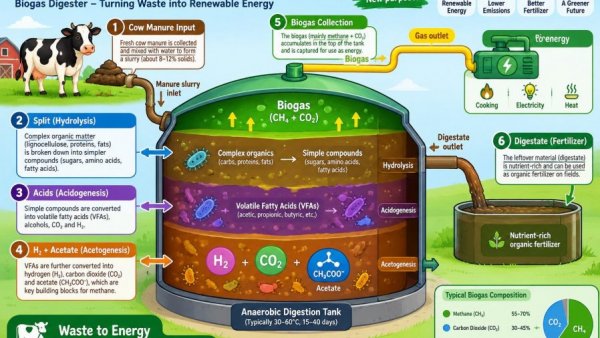
Anaerobic digestion is a natural process that occurs when organic matter, like cow manure, is broken down by microorganisms in an oxygen-free environment. This process takes place in sealed tanks, called digesters, where the waste decomposes over a period of weeks to months. As the microorganisms break down the manure, they produce biogas—primarily methane, which can be harvested and used for electricity, heating, or even as fuel.
Anaerobic digesters function as a mini-ecosystem, creating an environment where bacteria can thrive without oxygen. This breakdown of manure not only generates biogas but also produces digestate—a nutrient-rich byproduct that can be used as a fertilizer, ultimately returning valuable nutrients back to the soil. This ecological approach not only utilizes waste but also mitigates harmful emissions, offering a dual benefit to the environment.
Social Connection: Why This Information Matters
The implications of biogas technology extend far beyond energy production. In agricultural communities, utilizing manure for biogas can benefit farmers economically by reducing their waste management costs and providing an additional revenue stream. Additionally, this process promotes sustainable agricultural practices, leading to healthier communities and ecosystems.
As communities adopt biogas solutions, they also create job opportunities related to the installation and maintenance of digesters. This not only helps local economies but also encourages a broader engagement with renewable energy practices. By understanding and adopting these methods, we can encourage sustainable living amid growing environmental challenges.
Future Predictions: The Growing Need for Renewable Energy
As climate change continues to be a pressing issue, the shift towards renewable energy sources will accelerate. Biogas plants could play a crucial role in our energy future. Experts predict that by utilizing agricultural waste on a larger scale, we could significantly reduce our dependence on fossil fuels, fostering a more sustainable energy landscape.
Furthermore, many agricultural policies are beginning to support biogas projects, making them more financially viable for farmers. Innovations in biogas technology, such as improved digesters and refining processes, could enhance efficiency and expand its use, making it an integral part of the energy mix. The potential for biogas to bridge energy gaps in rural areas, where access to traditional energy sources may be limited, continues to grow.
Practical Insights: Implementing Biogas Solutions
If you’re interested in sustainable living or are part of the agriculture sector, considering biogas plants could be a transformative step. Engaging with local governments and agricultural programs can help facilitate the installation of anaerobic digesters. Moreover, investing in education about biogas processes can empower communities, providing them a path to cleaner energy and sustainable practices.
Local workshops, training sessions, and farm demonstrations can bridge the knowledge gap, allowing farmers to consider biogas systems as a viable and beneficial option. Bringing the community together to discuss benefits can spark a movement towards renewable energy, leading to cleaner air and healthier living environments. Practical takeaways might include visiting successful biogas farms or participating in community discussions, which can shed light on the local impact of such initiatives.
Counterarguments and Diverse Perspectives: Addressing Concerns
While the benefits of biogas technology are compelling, it's essential to acknowledge some challenges. Critics may point to high initial costs and the complexity of setting up biogas facilities. These barriers can discourage potential adopters who might feel overwhelmed by the technical details or uncertain about their investment.
However, advancements in technology and increased subsidies from governments can help mitigate these obstacles, making biogas systems more attainable. Collaborative efforts, such as partnerships between governmental bodies, private investors, and local farmers, can pave the way for innovative solutions. Engaging diverse perspectives can lead to more inclusive solutions, ensuring that the transition to clean energy is equitable and accessible. Public advocacy for policy changes could also emphasize the need for affordable financing options and education resources that support new biogas installations.
In conclusion, the transformation of cow manure into biogas paints a hopeful picture of sustainable waste management and energy production. Understanding this process, like the one discussed in What Happens to Cow Manure in a Sealed Tank?, empowers individuals, farmers, and communities to embrace environmental stewardship. As we move towards a greener future, let's consider how we can harness organic waste for energy, promote healthier ecosystems, and encourage sustainable choices within our societies. By staying informed and engaged, we can collectively contribute to a better planet for generations to come.









Write A Comment