
• Facebook
  • X
  • YouTube
  • Instagram
  • YouTube
  • Instagram
Home Health Hub

Strategies to Improve and
Maintain Vibrant Health

Home Health Hub logo
  • Home
  • Categories
    • Regulation and Controls
    • Home and Office Design
    • Wellness Maintenance
    • Environmental Controls
    • Non-toxic Materials
    • Expert Interviews
    • Environmental Technology
  • Business Profiles
  • Weight Loss Challenge
November 23.2026
4 Minutes Read

Rubber Blades for Tidal Turbines: Revolutionizing Sustainable Energy

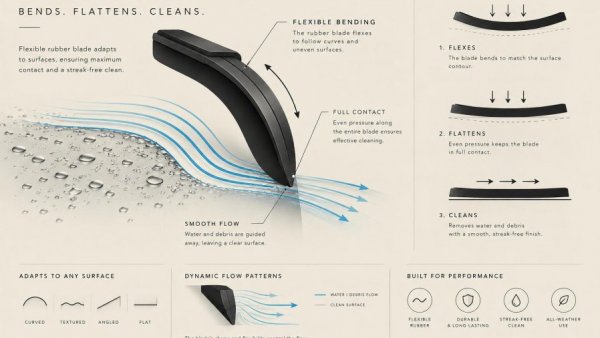
Simple illustration of rubber blades illustrating how they bend and flatten, related to tidal turbines.

The Future of Tidal Energy: An Innovative Approach

Tidal energy has often been viewed as a promising solution to our sustainable energy needs. In the video, Why Rubber Blades for Tidal Turbines? (No Motors Needed), the discussion uncovers a fascinating innovation in tidal turbine technology—rubber blades that operate without traditional motors. This cutting-edge approach could revolutionize how we harness the power of ocean currents, potentially making tidal energy both more efficient and environmentally friendly.

In Why Rubber Blades for Tidal Turbines? (No Motors Needed), the discussion dives into innovative tidal energy solutions, exploring key insights that sparked deeper analysis on our end.

Understanding the Mechanics Behind Rubber Blades

The key insight from the video is how rubber blades function. Unlike conventional turbines that rely heavily on complex motor systems, these innovative blades work on a simple principle of buoyancy and hydrodynamics. As water flows over the rubber, it generates movement, effectively converting kinetic energy into usable power. This fundamentally redefines the mechanics of tidal energy generation, allowing for potentially lower maintenance and operational costs.

This simplicity not only enhances efficiency but also means that these tidal turbines can be deployed in a variety of settings without complex infrastructure. Water currents are abundant, and by utilizing rubber blades, we can tap into otherwise difficult-to-reach areas where conventional turbines might not be feasible.

Benefits of Rubber Blades: Environmental and Economic

Utilizing rubber materials in tidal turbines presents significant environmental benefits. Rubber is a non-toxic material that can reduce the ecological impact on marine life. Traditional turbines have often been critiqued for their disruptive effects on aquatic ecosystems; however, rubber blades offer a gentler alternative that minimizes harm to surrounding wildlife. The soft material is less likely to damage fish and other marine organisms that might collide with it, thereby maintaining the biodiversity essential to thriving ocean ecosystems.

From an economic standpoint, the production of these rubber blades may be more cost-effective than traditional turbine systems. With lower manufacturing overhead and reduced maintenance needs, this technology makes clean energy generation more financially accessible. Furthermore, because these rubber blades can be produced locally in many regions, communities may benefit from job creation and economic support through local manufacturing initiatives. This is a crucial factor as communities and businesses increasingly seek sustainable energy solutions that do not compromise their budgets.

Parallel Innovations in Renewable Energy

Rubber blades in tidal turbines exemplify a broader trend of innovations in renewable energy technologies. For instance, similar advancements have emerged in wind turbine designs where lightweight, flexible materials are being utilized to enhance efficiency and reduce manufacturing footprints. These technological parallels highlight a growing recognition of the need for sustainable solutions across various energy sectors.

This trend towards materials innovation is crucial, especially considering the urgency of climate change. As we look to reduce our dependence on fossil fuels, it becomes increasingly important to explore every avenue of renewable energy, ensuring they are both efficient and adaptable. Rubber blades are an exciting development, contributing to a mosaic of innovative responses to the global energy crisis.

Challenges and Future Predictions for Tidal Energy

Despite the promising nature of rubber blades, there are challenges to consider. Tidal energy technology still needs broader adaptation within the energy industry. Regulations, funding, and public acceptance are critical hurdles that need addressing. Some might argue that while technological innovation is essential, the legislative and financial frameworks that support these technologies must evolve as quickly as the technologies themselves. The balance of fostering innovation while ensuring compliance and safety standards is a challenge for policymakers and industry leaders alike.

However, the future looks optimistic; as awareness about the urgent need for sustainable energy grows, investments in innovative technologies like this will likely increase. With increasing pressure on governments and corporations to act on climate change, there is hope that rubber blades and similar innovations will pave the way for a more energy-efficient future.

Decisions Energy Stakeholders Can Make

For those involved in energy sectors—whether they be policymakers, investors, or innovators—the insights from the video can inform critical decision-making. Investing in emerging technologies like rubber blades may position stakeholders favorably in a competitive energy market. They can lead the charge in transitioning to sustainable practices that not only promise returns but also aid in mitigating environmental issues.

Moreover, community engagement should not be overlooked. By communicating the benefits and gathering public support for such technologies, stakeholders can help ensure that rubber blades and similar innovations are not just implemented but embraced by the communities they are meant to serve.

Final Thoughts: A Call to Action for Sustainable Futures

As we explore sustainable living and environmentally friendly technologies, the innovations showcased in this video evoke a sense of urgency and inspiration. Communities and individuals should advocate for policies that support advancements in renewable energy technologies. Embracing and investing in innovative solutions like rubber blades can pave the way for a cleaner and healthier planet. This individual advocacy is crucial, as public support can often be the catalyst necessary for legislative and corporate action.

In Why Rubber Blades for Tidal Turbines? (No Motors Needed), we see a glimpse into a future where clean energy is not just a distant dream but an increasing reality. Take this opportunity to advocate for sustainable practices in your community, supporting businesses and technologies that prioritize our planet. By choosing to be informed and engaged, you can contribute to shaping a sustainable energy landscape that benefits everyone.
Environmental Technology

0 Views

0 Comments

Write A Comment

*
*
Please complete the captcha to submit your comment.
Related Posts All Posts
11.23.2026

How Can Lasers and AI Enhance Roadwork Safety for Everyone?

Update How Lasers and AI are Transforming Roadwork Safety As our roadways become busier, the safety of workers and drivers alike is paramount. In the recent exploration of whether lasers can effectively monitor motorway roadworks, the intersection of LiDAR technology and artificial intelligence is proving to be a game changer. The success of this trial could signal a shift toward smarter highways that prioritize safety, presenting a future where innovation and safety walk hand in hand.In 'Can Lasers Watch Over Motorway Roadworks?', the exploration of LiDAR and AI trials brings to light crucial insights on roadwork safety that we will analyze further. The Tech Behind the Trial: LiDAR and AI Explained LiDAR, short for Light Detection and Ranging, is a sophisticated technology that uses laser pulses to accurately measure distances to the earth's surface. When combined with AI, this technology can analyze real-time data on traffic patterns and construction conditions, enabling immediate responses to potential hazards. Imagine a scenario where a laser detects an approaching vehicle, and through AI, it communicates necessary adjustments to worker safety protocols in seconds. This capability could significantly lessen the response time in emergency situations, showcasing a level of efficiency that is essential for today's high-paced environments. Real-World Applications: Lessons from Early Trials Early trials involving LiDAR and AI have shown promising results, particularly in enhancing the safety of construction zones. In specific instances, construction teams could receive alerts about approaching vehicles, allowing them to take precautions before accidents could occur. Real-time notifications about changing road conditions or incoming hazards could transform the way teams manage site safety. This type of proactive measure not only protects workers but also serves to minimize traffic disruptions, creating a smoother flow of vehicles—a win-win for everyone involved. Additionally, these alerts could play a crucial role in keeping local communities informed, further enhancing public safety and confidence during roadwork operations. The Wider Importance of Innovation in Road Safety This technological advancement goes hand-in-hand with the increasing recognition of worker safety in construction environments. Keeping workers safe is about more than just compliance; it’s a moral imperative. The construction sector has historically been rife with risks, and as roadwork sometimes poses dangers to both drivers and workers, integrating LiDAR and AI technologies could drastically reduce incidents from both sides. The ongoing monitoring can provide a human-centered approach to roadwork, ensuring no one is left behind in safeguarding their lives. Furthermore, as cities expand and infrastructure ages, the implementation of such technologies could lead to a more sustainable approach to maintaining our roads and highways, ultimately benefiting urban planners and city dwellers alike. Future Predictions: A Shift Toward Smarter Highways As urban areas continue to grow, the necessity for enhanced highway safety technology will only increase. Experts predict that with the successful deployment of LiDAR and AI, we could see a future where accidents in construction zones are significantly reduced. By investing in these tools, governments and organizations can create safer environments, ensuring that both workers and travelers feel secure while on the road. The prospect of smarter highways, characterized by dynamic and responsive traffic management, could contribute not only to road safety but equally promote better traffic conditions, reduced congestion, and lower emissions. Such advancements could revolutionize our approach to urban mobility, paving the way for a future that embraces technology for the betterment of society. Why Should You Care? The Personal Impact of Road Safety For many, roadwork safety might seem like an abstract concept, but its implications are deeply personal. Every time you traverse a construction zone, you're placing your safety in the hands of those responsible for that work area. Enhanced monitoring through advanced technologies like LiDAR and AI can bring peace of mind as it not only protects workers but also ensures that you, as a driver or a commuter, can navigate safely. Parents, too, should consider the impact of roadwork safety; ensuring that children can navigate roadwork areas safely is a vital part of community well-being. These technologies are not just about efficiency; they encapsulate a proactive approach to safeguarding lives. Call to Action: Advocacy for Safety Innovation As discussions around roadwork safety evolve, we must remain engaged. Advocate for the increased implementation of smart technologies like LiDAR and AI in your community and support policies that prioritize worker and driver safety. Consider reaching out to local government officials, attending town hall meetings, or participating in community forums to raise awareness about the need for such innovations. The more we raise awareness, the more likely we can achieve widespread adoption of these innovative solutions. Moreover, you could educate your peers on the benefits of this technology, sharing knowledge that could help cultivate a culture of safety across our roadways. In our collective efforts, we can work toward not only making our roads safer but also creating a community where technology enhances our daily lives and experiences.

11.22.2026

Revolutionizing Navigation: How Cameras Alone Map the Road in 3D

Update Unlocking the Future of Road Navigation with 3D Mapping Innovations In the realm of automotive technology, the capability of vehicles to understand their surroundings has rapidly transformed, creating a future where driving could be as effortless as simply sitting behind the wheel. The video titled How Cameras Alone Map the Road in 3D dives into a technological breakthrough in the automotive industry that promises to enhance road navigation and safety using advanced camera systems. This article unfolds the impactful implications of this development and why it matters to us all.In How Cameras Alone Map the Road in 3D, the discussion dives into advancing automotive technologies, exploring key insights that sparked deeper analysis on our end. What’s Behind 3D Road Mapping? At its core, the 3D road mapping technology utilizes cameras to create a digital representation of the environment around a vehicle. Typically, vehicles are equipped with multiple cameras that capture images from various angles. These images are processed through advanced algorithms to generate a three-dimensional map that assists in guiding the vehicle’s movements. This technology focuses not just on object detection but also on comprehending the context of various surroundings, such as the road topology, traffic signals, and pedestrians. This multi-faceted approach is essential not just for navigation but also for creating a safer driving experience, particularly in urban environments where complexities abound. The Importance of Real-time Data 3D mapping systems provide a wealth of real-time data, crucial for ensuring road safety and efficient navigation. By integrating camera feed with artificial intelligence, vehicles can predict movements or obstacles ahead and make informed decisions. Rather than merely following GPS directions, cars equipped with this technology can dynamically navigate around unexpected road conditions or hazards, significantly lowering the probability of accidents. For instance, if a construction zone suddenly appears, the system can detect the change in the environment and adjust driving patterns accordingly. This kind of responsiveness is what sets 3D mapping technology apart from traditional GPS systems, further enhancing its value in today’s fast-paced driving conditions. The Human Connection: Safety and Convenience For everyday drivers, the use of 3D mapping adds an invaluable layer of security. With the promise of reduced collision rates, many drivers might find greater peace of mind. Imagine merging into busy traffic while your vehicle anticipates the speed and movement of others. The system continuously evaluates distances and speeds, preparing the vehicle to react effectively to changes in the flow of traffic. Also, with the ability to identify pedestrians and cyclists, this technology fosters safer environments for all road users, encouraging the integration of different modes of transport. As urban areas see an increase in diverse traffic, incorporating features like 3D mapping becomes increasingly vital for building inclusive spaces on the roads. Potential Challenges on the Road Ahead As with any technological advancement, there are challenges to consider. Among them is the integration of these systems into existing vehicles. Older cars may not be equipped to support such sophisticated technology, which raises discussions on accessibility and equitable benefits across various socio-economic groups. Not everyone can afford the latest model equipped with advanced 3D mapping capabilities, which may lead to a divide between those who can utilize these technologies and those who cannot. Moreover, the reliance on cameras exposes vehicles to conditions like heavy rain or fog, where visibility is compromised. The industry must address these concerns to ensure that technology works seamlessly across various scenarios without excluding drivers based on their vehicle age or conditions. Ensuring robust performance in adverse weather conditions is crucial for the widespread acceptance of this technology. How Other Technologies Complement 3D Mapping 3D mapping does not operate in isolation; it is part of an interconnected web of technologies. For instance, LIDAR (Light Detection and Ranging) and radar systems also play critical roles in providing depth perception and obstacle detection. Together with cameras, these systems enhance the vehicle's ability to detect objects at various distances and under different conditions. By harnessing data from multiple sources, vehicles can achieve a more comprehensive understanding of their surroundings. This synergy between technologies is essential for creating safer, fully autonomous driving experiences. As companies conduct research and test new features, they are likely to uncover even better ways to combine these technologies to improve safety and navigation even further. Inspirational Quotes from Industry Leaders “We are not just mapping roads; we are mapping the future of transportation,” said a leading tech innovator at a recent automotive conference. Their words underline the significance of advancements in 3D mapping and how it paves the way for revolutionary changes in how we see and experience mobility. Many industry experts believe that as technology continues to evolve, it will not only change the way we drive but also reshape our cities, making them more efficient and accessible for all residents. The Road to Autonomy: Society’s Role in Acceptance As technologies evolve, public perception and acceptance play a pivotal role in their advancement. The move towards 3D mapping and autonomous driving requires societal readiness to embrace change. Workshops and community discussions can aid in demystifying these technologies and fostering a sense of familiarity, allowing for a smoother transition towards a tech-driven approach to transportation. Engaging with local communities through educational initiatives can improve understanding and trust in the technology. As communities learn to adapt to these innovative tools, the collective vision for future transportation becomes more attainable. Call to Action for Drivers As we stand on the brink of this transformative technology in auto navigation, it is essential for drivers, policymakers, and consumers to stay informed and engaged. Understanding the looming changes in vehicle technology will empower us to make enlightened choices about the cars we drive and the roads we navigate. Encouraging an open dialogue on these advancements can help ensure that everyone is prepared for the changes ahead. So, let’s take proactive steps together to embrace this innovative journey. In conclusion, discussing reliable and advanced 3D mapping technologies drives home the importance of evolving our understanding around them. As we reflect on the points raised in How Cameras Alone Map the Road in 3D, let’s continue this conversation about the future of transportation. With continued advancements and collaboration, the pathway to safer, more efficient driving experiences is within our grasp.

11.22.2026

Can Mobile Networks Sleep to Save Energy? Exploring the Green Tech Frontier

Update Can Mobile Networks Really Save Energy? As global awareness of environmental issues increases, innovative solutions to reduce energy consumption are at the forefront of technological advancements. One such solution being explored is whether mobile networks can 'sleep' to conserve energy. The potential energy savings from employing sleep modes in mobile networks could significantly impact energy consumption and sustainability in the telecommunications sector. This concept has gained traction as the tech industry seeks to align with global sustainability goals, thus sparking conversations about the future of mobile technology.In 'Can a Mobile Network Sleep to Save Energy?', the discussion dives into the innovative concept of energy conservation within telecommunications, exploring key insights that sparked deeper analysis on our end. Understanding Mobile Networks and Their Energy Use Mobile networks play a vital role in our daily lives, supporting everything from phone calls and text messages to streaming services and social media. However, this constant connectivity comes at a cost. According to researchers, mobile networks account for a substantial portion of global energy consumption—around 1-2% of electrical energy worldwide. This figure is projected to increase alongside the proliferation of internet-connected devices, with trends suggesting that the demand for data and connectivity will only swell in the coming years. The rise of new technologies, including 5G networks, has further intensified energy consumption, primarily due to their higher throughput capabilities. This invites the question: how can we balance the thriving digital world with our environmental responsibilities? The answer may lie in innovative energy-saving strategies like the proposed sleeping modes for mobile networks. The Sleeping Concept: How It Works The idea behind allowing mobile networks to sleep is intriguing. Just like a computer goes into sleep mode when not in use, mobile networks could throttle down their performance during periods of low traffic. This concept would enable cellular towers and related infrastructure to reduce their power output when usage is minimal, minimizing wasted energy while maintaining essential connectivity for users. By adapting dynamically to fluctuating traffic demands, networks could become more efficient. This sleeping mode concept can work in various scenarios, such as during late-night hours or non-peak days. Researchers envision technology that can detect traffic patterns and adjust operations accordingly. This adaptability not only conserves energy but can potentially lead to lower operational costs for network providers, a win-win proposition in many regards. The Environmental Impact of Energy Conservation Consider the environmental implications: With this sleeping mode, mobile networks could drastically cut their energy consumption, translating to lower greenhouse gas emissions and reduced demand on power resources. This reduction in energy use is crucial at a time when climate change poses significant threats to the planet. While the world is ramping up efforts to shift towards renewable energy sources, strategies like these could bridge the gap during this transition, making telecommunications greener. The broader environmental benefits extend beyond just energy consumption. The decreasing reliance on fossil fuels will contribute to cleaner air and a healthier ecosystem, which benefits all living organisms. Transitioning toward energy-efficient technologies can thus help mitigate some of the worst effects of climate change. Challenges and Counterarguments Despite the potential benefits, the sleeping network concept presents various challenges. Critics argue that implementing this system could complicate user experience, as it may introduce delays in connectivity or hinder data speeds during peak usage times. Such interruptions could frustrate consumers, who are accustomed to instantaneous service due to advancements in technology. Moreover, there are concerns about the technology's feasibility at a large scale. Network operators may face technical difficulties in implementing and managing such systems without disrupting the quality of service. The key will be finding a balance between conserving energy and ensuring a seamless user experience, which remains a pressing concern for technology companies and consumers alike. User feedback and engagement will play critical roles in refining these approaches to ensure they meet the needs of the public. Future Predictions: The Path Ahead Looking forward, it's likely that the telecommunications industry will see a shift towards more energy-efficient practices, including the adoption of sleeping modes. With global initiatives aimed at sustainability and reduced carbon footprints, companies may face increased pressure from consumers demanding more environmentally-friendly options. As money-saving techniques often align with energy savings, businesses can benefit from both cost-cutting measures and improved public perception by embracing these innovations. Integrating energy-saving technology not only supports corporate social responsibility goals but can also become a significant part of marketing strategies. Consumers today engage with brands that align with their values, and practices that reduce environmental impact can elevate a company's reputation among eco-conscious customers. Real-Life Examples Leading the Charge Several telecommunication companies are experimenting with energy-saving strategies. For instance, some networks have already implemented dynamic power management solutions, observing notable decreases in energy consumption. These examples serve not only as a roadmap for future developments but also as a testament to the industry's commitment to evolving with the changing demands of eco-friendliness and corporate responsibility. Companies like Vodafone and AT&T are actively researching and piloting these energy-efficient practices, showcasing their efforts for sustainability in public forums. Such initiatives not only position these companies as leaders in green tech but also set industry standards for others to follow. Actionable Insights for the Tech-Savvy Consumer As a consumer, your connection with mobile networks is direct. Understanding the steps that networks are taking toward sustainability can empower you to make informed decisions. Consider choosing service providers who advocate for sustainable practices or invest in technologies that support greener initiatives. Your voice matters; influence companies to prioritize environmental responsibility. Furthermore, staying informed about your provider's energy-saving efforts can also motivate you to share your insights and suggestions. Engaging in discussions about corporate accountability can create a ripple effect, inspiring others to pay attention to the environmental impacts of their technology use. The Bottom Line: A Collective Responsibility The conversation around whether mobile networks can sleep without sacrificing performance is essential for both the technology sector and eco-conscious consumers. We are at a pivotal moment where our choices impact the planet's future. As mobile technology continues to expand, let’s hope that the industry will embrace innovative solutions that will pave the way toward a sustainable future. By joining the conversation and advocating for greener practices, each of us can play a role in shaping a more sustainable digital landscape.

HomeHealthHub.net

Professional Wellness Design and Maintenance  for Residential & Commercial Spaces, brought to you by Team Local Marketing.

  • Facebook
  • X
  • Youtube
  • Instagram
Team Resources
SEO Strategies
Social Media
Business Strategies

By Appointment

AVAILABLE FROM 8AM - 5PM


239 S Landing Dr, Milford, DE

ABOUT US

HomeHealthHub.net bridges the gap between institutional-grade wellness practice and residential/commercial applications, translating professional facility principles into practical solutions for all spaces.

© 2026 HomeHealthHub.net All Rights Reserved. 239 S Landing Dr, Milford, DE 19963 . Contact Us . Terms of Service . Privacy Policy

eyJjb21wYW55IjoiSG9tZUhlYWx0aEh1Yi5uZXQiLCJhZGRyZXNzIjoiMjM5IFMgTGFuZGluZyBEciIsImNpdHkiOiJNaWxmb3JkIiwic3RhdGUiOiJERSIsInppcCI6IjE5OTYzIiwiZW1haWwiOiJJbmZvQGhvbWVoZWFsdGhodWIubmV0IiwidG9zIjoiUEhBK1BITjBjbTl1Wno0OFpXMCtWMmhsYmlCNWIzVWdjMmxuYmkxcGJpQjNhWFJvSUhWekxDQjViM1VnWVhKbElHZHBkbWx1WnladVluTndPeUI1YjNWeUlIQmxjbTFwYzNOcGIyNGdZVzVrSUdOdmJuTmxiblFnZEc4Z2MyVnVaQ0I1YjNVZ1pXMWhhV3dnWVc1a0wyOXlJRk5OVXlCMFpYaDBJRzFsYzNOaFoyVnpMaUJDZVNCamFHVmphMmx1WnlCMGFHVWdWR1Z5YlhNZ1lXNWtJRU52Ym1ScGRHbHZibk1nWW05NElHRnVaQ0JpZVNCemFXZHVhVzVuSUdsdUlIbHZkU0JoZFhSdmJXRjBhV05oYkd4NUlHTnZibVpwY20wZ2RHaGhkQ0I1YjNVZ1lXTmpaWEIwSUdGc2JDQjBaWEp0Y3lCcGJpQjBhR2x6SUdGbmNtVmxiV1Z1ZEM0OEwyVnRQand2YzNSeWIyNW5Qand2Y0Q0S0NqeHdQanh6ZEhKdmJtYytVMFZTVmtsRFJUd3ZjM1J5YjI1blBqd3ZjRDRLQ2p4d1BsZGxJSEJ5YjNacFpHVWdZU0J6WlhKMmFXTmxJSFJvWVhRZ1kzVnljbVZ1ZEd4NUlHRnNiRzkzY3lCNWIzVWdkRzhnY21WalpXbDJaU0J5WlhGMVpYTjBjeUJtYjNJZ1ptVmxaR0poWTJzc0lHTnZiWEJoYm5rZ2FXNW1iM0p0WVhScGIyNHNJSEJ5YjIxdmRHbHZibUZzSUdsdVptOXliV0YwYVc5dUxDQmpiMjF3WVc1NUlHRnNaWEowY3l3Z1kyOTFjRzl1Y3l3Z1pHbHpZMjkxYm5SeklHRnVaQ0J2ZEdobGNpQnViM1JwWm1sallYUnBiMjV6SUhSdklIbHZkWElnWlcxaGFXd2dZV1JrY21WemN5QmhibVF2YjNJZ1kyVnNiSFZzWVhJZ2NHaHZibVVnYjNJZ1pHVjJhV05sTGlCWmIzVWdkVzVrWlhKemRHRnVaQ0JoYm1RZ1lXZHlaV1VnZEdoaGRDQjBhR1VnVTJWeWRtbGpaU0JwY3lCd2NtOTJhV1JsWkNBbWNYVnZkRHRCVXkxSlV5WnhkVzkwT3lCaGJtUWdkR2hoZENCM1pTQmhjM04xYldVZ2JtOGdjbVZ6Y0c5dWMybGlhV3hwZEhrZ1ptOXlJSFJvWlNCMGFXMWxiR2x1WlhOekxDQmtaV3hsZEdsdmJpd2diV2x6TFdSbGJHbDJaWEo1SUc5eUlHWmhhV3gxY21VZ2RHOGdjM1J2Y21VZ1lXNTVJSFZ6WlhJZ1kyOXRiWFZ1YVdOaGRHbHZibk1nYjNJZ2NHVnljMjl1WVd4cGVtRjBhVzl1SUhObGRIUnBibWR6TGp3dmNENEtDanh3UGxsdmRTQmhjbVVnY21WemNHOXVjMmxpYkdVZ1ptOXlJRzlpZEdGcGJtbHVaeUJoWTJObGMzTWdkRzhnZEdobElGTmxjblpwWTJVZ1lXNWtJSFJvWVhRZ1lXTmpaWE56SUcxaGVTQnBiblp2YkhabElIUm9hWEprSUhCaGNuUjVJR1psWlhNZ0tITjFZMmdnWVhNZ1UwMVRJSFJsZUhRZ2JXVnpjMkZuWlhNc0lFbHVkR1Z5Ym1WMElITmxjblpwWTJVZ2NISnZkbWxrWlhJZ2IzSWdZMlZzYkhWc1lYSWdZV2x5ZEdsdFpTQmphR0Z5WjJWektTNGdXVzkxSUdGeVpTQnlaWE53YjI1emFXSnNaU0JtYjNJZ2RHaHZjMlVnWm1WbGN5d2dhVzVqYkhWa2FXNW5JSFJvYjNObElHWmxaWE1nWVhOemIyTnBZWFJsWkNCM2FYUm9JSFJvWlNCa2FYTndiR0Y1SUc5eUlHUmxiR2wyWlhKNUlHOW1JR1ZoWTJnZ1UwMVRJSFJsZUhRZ2JXVnpjMkZuWlNCelpXNTBJSFJ2SUhsdmRTQmllU0IxY3k0Z1NXNGdZV1JrYVhScGIyNHNJSGx2ZFNCdGRYTjBJSEJ5YjNacFpHVWdZVzVrSUdGeVpTQnlaWE53YjI1emFXSnNaU0JtYjNJZ1lXeHNJR1Z4ZFdsd2JXVnVkQ0J1WldObGMzTmhjbmtnZEc4Z1lXTmpaWE56SUhSb1pTQlRaWEoyYVdObElHRnVaQ0J5WldObGFYWmxJSFJvWlNCVFRWTWdkR1Y0ZENCdFpYTnpZV2RsY3k0Z1YyVWdaRzhnYm05MElHTm9ZWEpuWlNCaGJua2dabVZsY3lCbWIzSWdaR1ZzYVhabGNua2diMllnWlcxaGFXd2diM0lnVTAxVExpQlVhR2x6SUdseklHRWdabkpsWlNCelpYSjJhV05sSUhCeWIzWnBaR1ZrSUdKNUlIVnpMaUJJYjNkbGRtVnlMQ0J3YkdWaGMyVWdZMmhsWTJzZ2QybDBhQ0I1YjNWeUlHbHVkR1Z5Ym1WMElITmxjblpwWTJVZ2NISnZkbWxrWlhJZ1lXNWtJR05sYkd4MWJHRnlJR05oY25KcFpYSWdabTl5SUdGdWVTQmphR0Z5WjJWeklIUm9ZWFFnYldGNUlHbHVZM1Z5SUdGeklHRWdjbVZ6ZFd4MElHWnliMjBnY21WalpXbDJhVzVuSUdWdFlXbHNJR0Z1WkNCVFRWTWdkR1Y0ZENCdFpYTnpZV2RsY3lCMGFHRjBJSGRsSUdSbGJHbDJaWElnZFhCdmJpQjViM1Z5SUc5d2RDMXBiaUJoYm1RZ2NtVm5hWE4wY21GMGFXOXVJSGRwZEdnZ2IzVnlJR1Z0WVdsc0lHRnVaQ0JUVFZNZ2MyVnlkbWxqWlhNdUlGbHZkU0JqWVc0Z1kyRnVZMlZzSUdGMElHRnVlU0IwYVcxbExpQktkWE4wSUhSbGVIUWdKbkYxYjNRN1UxUlBVQ1p4ZFc5ME95QjBieUE4YzNCaGJpQnpkSGxzWlQwaVltRmphMmR5YjNWdVpDMWpiMnh2Y2pvZ2NtZGlZU2d5TlRVc0lERTVPQ3dnTUN3Z01DNHpLVHNpUGpVM01TMDFORGt0TVRVNE5qd3ZjM0JoYmo0dUlFRm1kR1Z5SUhsdmRTQnpaVzVrSUhSb1pTQlRUVk1nYldWemMyRm5aU0FtY1hWdmREdFRWRTlRSm5GMWIzUTdJSFJ2SUhWekxDQjNaU0IzYVd4c0lITmxibVFnZVc5MUlHRnVJRk5OVXlCdFpYTnpZV2RsSUhSdklHTnZibVpwY20wZ2RHaGhkQ0I1YjNVZ2FHRjJaU0JpWldWdUlIVnVjM1ZpYzJOeWFXSmxaQzRnUVdaMFpYSWdkR2hwY3l3Z2VXOTFJSGRwYkd3Z2JtOGdiRzl1WjJWeUlISmxZMlZwZG1VZ1UwMVRJRzFsYzNOaFoyVnpJR1p5YjIwZ2RYTXVQQzl3UGdvS1BIQStQSE4wY205dVp6NVpUMVZTSUZKRlIwbFRWRkpCVkVsUFRpQlBRa3hKUjBGVVNVOU9Vend2YzNSeWIyNW5Qand2Y0Q0S0NqeHdQa2x1SUdOdmJuTnBaR1Z5WVhScGIyNGdiMllnZVc5MWNpQjFjMlVnYjJZZ2RHaGxJRk5sY25acFkyVXNJSGx2ZFNCaFozSmxaU0IwYnpvOEwzQStDZ284YjJ3K0NnazhiR2srY0hKdmRtbGtaU0IwY25WbExDQmhZMk4xY21GMFpTd2dZM1Z5Y21WdWRDQmhibVFnWTI5dGNHeGxkR1VnYVc1bWIzSnRZWFJwYjI0Z1lXSnZkWFFnZVc5MWNuTmxiR1lnWVhNZ2NISnZiWEIwWldRZ1lua2dkR2hsSUZObGNuWnBZMlVtSXpNNU8zTWdjbVZuYVhOMGNtRjBhVzl1SUdadmNtMGdLSE4xWTJnZ2FXNW1iM0p0WVhScGIyNGdZbVZwYm1jZ2RHaGxJQ1p4ZFc5ME8xSmxaMmx6ZEhKaGRHbHZiaUJFWVhSaEpuRjFiM1E3S1NCaGJtUThMMnhwUGdvSlBHeHBQbTFoYVc1MFlXbHVJR0Z1WkNCd2NtOXRjSFJzZVNCMWNHUmhkR1VnZEdobElGSmxaMmx6ZEhKaGRHbHZiaUJFWVhSaElIUnZJR3RsWlhBZ2FYUWdkSEoxWlN3Z1lXTmpkWEpoZEdVc0lHTjFjbkpsYm5RZ1lXNWtJR052YlhCc1pYUmxMaUJKWmlCNWIzVWdjSEp2ZG1sa1pTQmhibmtnYVc1bWIzSnRZWFJwYjI0Z2RHaGhkQ0JwY3lCMWJuUnlkV1VzSUdsdVlXTmpkWEpoZEdVc0lHNXZkQ0JqZFhKeVpXNTBJRzl5SUdsdVkyOXRjR3hsZEdVc0lHOXlJSGRsSUdoaGRtVWdjbVZoYzI5dVlXSnNaU0JuY205MWJtUnpJSFJ2SUhOMWMzQmxZM1FnZEdoaGRDQnpkV05vSUdsdVptOXliV0YwYVc5dUlHbHpJSFZ1ZEhKMVpTd2dhVzVoWTJOMWNtRjBaU3dnYm05MElHTjFjbkpsYm5RZ2IzSWdhVzVqYjIxd2JHVjBaU3dnZDJVZ2FHRjJaU0IwYUdVZ2NtbG5hSFFnZEc4Z2MzVnpjR1Z1WkNCdmNpQThjM1J5YjI1blBqeHpjR0Z1SUhOMGVXeGxQU0pqYjJ4dmNqb2pSa1l3TURBd095SStkR1Z5YldsdVlYUmxJSGx2ZFhJZ1lXTmpiM1Z1ZEM5d2NtOW1hV3hsSUdGdVpDQnlaV1oxYzJVZ1lXNTVJR0Z1WkNCaGJHd2dZM1Z5Y21WdWRDQnZjaUJtZFhSMWNtVWdkWE5sSUc5bUlIUm9aU0JUWlhKMmFXTmxJQ2h2Y2lCaGJua2djRzl5ZEdsdmJpQjBhR1Z5Wlc5bUtTNDhMM053WVc0K1BDOXpkSEp2Ym1jK1BDOXNhVDRLUEM5dmJENEtDanh3UGladVluTndPend2Y0Q0S1BHaHBaMmhzYVdkb2RDQmpiR0Z6Y3owaVkyOXRjR0Z1ZVU1aGJXVlZjR1JoZEdVaVBraHZiV1ZJWldGc2RHaElkV0l1Ym1WMFBDOW9hV2RvYkdsbmFIUStQR0p5SUM4K0NqeG9hV2RvYkdsbmFIUWdZMnhoYzNNOUltTnZiWEJoYm5sQlpHUnlaWE56VlhCa1lYUmxJajR5TXprZ1V5Qk1ZVzVrYVc1bklFUnlQQzlvYVdkb2JHbG5hSFErUEdKeUlDOCtDanhvYVdkb2JHbG5hSFFnWTJ4aGMzTTlJbU52YlhCaGJubFFhRzl1WlZWd1pHRjBaU0krS3pFck1UTXdNalV6TmpneU5UVThMMmhwWjJoc2FXZG9kRDQ4WW5JZ0x6NEtQR2hwWjJoc2FXZG9kQ0JqYkdGemN6MGlZMjl0Y0dGdWVVVnRZV2xzVlhCa1lYUmxJajVKYm1adlFHaHZiV1ZvWldGc2RHaG9kV0l1Ym1WMFBDOW9hV2RvYkdsbmFIUSsiLCJwcml2YWN5IjoiUEhBK1BITjBjbTl1Wno1UVVrbFdRVU5aUEM5emRISnZibWMrUEM5d1Bnb0tQSEErUEhOMGNtOXVaejVVYUdVZ2FXNW1iM0p0WVhScGIyNGdjSEp2ZG1sa1pXUWdaSFZ5YVc1bklIUm9hWE1nY21WbmFYTjBjbUYwYVc5dUlHbHpJR3RsY0hRZ2NISnBkbUYwWlNCaGJtUWdZMjl1Wm1sa1pXNTBhV0ZzTENCaGJtUWdkMmxzYkNCdVpYWmxjaUJpWlNCa2FYTjBjbWxpZFhSbFpDd2dZMjl3YVdWa0xDQnpiMnhrTENCMGNtRmtaV1FnYjNJZ2NHOXpkR1ZrSUdsdUlHRnVlU0IzWVhrc0lITm9ZWEJsSUc5eUlHWnZjbTB1SUZSb2FYTWdhWE1nYjNWeUlHZDFZWEpoYm5SbFpTNDhMM04wY205dVp6NDhMM0ErQ2dvOGNENDhjM1J5YjI1blBrbE9SRVZOVGtsVVdUd3ZjM1J5YjI1blBqd3ZjRDRLQ2p4d1BqeGxiVDVaYjNVZ1lXZHlaV1VnZEc4Z2FXNWtaVzF1YVdaNUlHRnVaQ0JvYjJ4a0lIVnpMQ0JoYm1RZ2FYUnpJSE4xWW5OcFpHbGhjbWxsY3l3Z1lXWm1hV3hwWVhSbGN5d2diMlptYVdObGNuTXNJR0ZuWlc1MGN5d2dZMjh0WW5KaGJtUmxjbk1nYjNJZ2IzUm9aWElnY0dGeWRHNWxjbk1zSUdGdVpDQmxiWEJzYjNsbFpYTXNJR2hoY20xc1pYTnpJR1p5YjIwZ1lXNTVJR05zWVdsdElHOXlJR1JsYldGdVpDd2dhVzVqYkhWa2FXNW5JSEpsWVhOdmJtRmliR1VnWVhSMGIzSnVaWGx6SmlNek9Uc2dabVZsY3l3Z2JXRmtaU0JpZVNCaGJua2dkR2hwY21RZ2NHRnlkSGtnWkhWbElIUnZJRzl5SUdGeWFYTnBibWNnYjNWMElHOW1JRU52Ym5SbGJuUWdlVzkxSUhKbFkyVnBkbVVzSUhOMVltMXBkQ3dnY21Wd2JIa3NJSEJ2YzNRc0lIUnlZVzV6YldsMElHOXlJRzFoYTJVZ1lYWmhhV3hoWW14bElIUm9jbTkxWjJnZ2RHaGxJRk5sY25acFkyVXNJSGx2ZFhJZ2RYTmxJRzltSUhSb1pTQlRaWEoyYVdObExDQjViM1Z5SUdOdmJtNWxZM1JwYjI0Z2RHOGdkR2hsSUZObGNuWnBZMlVzSUhsdmRYSWdkbWx2YkdGMGFXOXVJRzltSUhSb1pTQlVUMU1zSUc5eUlIbHZkWElnZG1sdmJHRjBhVzl1SUc5bUlHRnVlU0J5YVdkb2RITWdiMllnWVc1dmRHaGxjaTQ4TDJWdFBqd3ZjRDRLQ2p4d1BqeHpkSEp2Ym1jK1JFbFRRMHhCU1UxRlVpQlBSaUJYUVZKU1FVNVVTVVZUUEM5emRISnZibWMrUEM5d1Bnb0tQSEErUEhOMGNtOXVaejVaVDFVZ1JWaFFVa1ZUVTB4WklGVk9SRVZTVTFSQlRrUWdRVTVFSUVGSFVrVkZJRlJJUVZRNlBDOXpkSEp2Ym1jK1BDOXdQZ29LUEc5c1Bnb0pQR3hwUGxsUFZWSWdWVk5GSUU5R0lGUklSU0JUUlZKV1NVTkZJRWxUSUVGVUlGbFBWVklnVTA5TVJTQlNTVk5MTGlCVVNFVWdVMFZTVmtsRFJTQkpVeUJRVWs5V1NVUkZSQ0JQVGlCQlRpQW1jWFZ2ZER0QlV5QkpVeVp4ZFc5ME95QkJUa1FnSm5GMWIzUTdRVk1nUVZaQlNVeEJRa3hGSm5GMWIzUTdJRUpCVTBsVExpQXNMaUJCVGtRZ1ZWTXNJRWxVSmlNek9UdFRJRU5WVTFSUFRVVlNVeXdnUlZoUVVrVlRVMHhaSUVSSlUwTk1RVWxOVXlCQlRFd2dWMEZTVWtGT1ZFbEZVeUJQUmlCQlRsa2dTMGxPUkN3Z1YwaEZWRWhGVWlCRldGQlNSVk5USUU5U0lFbE5VRXhKUlVRc0lFbE9RMHhWUkVsT1J5d2dRbFZVSUU1UFZDQk1TVTFKVkVWRUlGUlBJRlJJUlNCSlRWQk1TVVZFSUZkQlVsSkJUbFJKUlZNZ1QwWWdUVVZTUTBoQlRsUkJRa2xNU1ZSWkxDQkdTVlJPUlZOVElFWlBVaUJCSUZCQlVsUkpRMVZNUVZJZ1VGVlNVRTlUUlNCQlRrUWdUazlPTFVsT1JsSkpUa2RGVFVWT1ZDNDhMMnhwUGdvSlBHeHBQazFCUzBWVElFNVBJRmRCVWxKQlRsUlpJRlJJUVZRZ0tHa3BJRlJJUlNCVFJWSldTVU5GSUZkSlRFd2dUVVZGVkNCWlQxVlNJRkpGVVZWSlVrVk5SVTVVVXl3Z0tHbHBLU0JVU0VVZ1UwVlNWa2xEUlNCWFNVeE1JRUpGSUZWT1NVNVVSVkpTVlZCVVJVUXNJRlJKVFVWTVdTd2dVMFZEVlZKRkxDQlBVaUJGVWxKUFVpMUdVa1ZGTENBb2FXbHBLU0JVU0VVZ1VrVlRWVXhVVXlCVVNFRlVJRTFCV1NCQ1JTQlBRbFJCU1U1RlJDQkdVazlOSUZSSVJTQlZVMFVnVDBZZ1ZFaEZJRk5GVWxaSlEwVWdWMGxNVENCQ1JTQkJRME5WVWtGVVJTQlBVaUJTUlV4SlFVSk1SU3dnUVU1RUlDaHBkaWtnUVU1WklFVlNVazlTVXlCSlRpQlVTRVVnVTA5R1ZGZEJVa1VnVjBsTVRDQkNSU0JEVDFKU1JVTlVSVVF1UEM5c2FUNEtDVHhzYVQ1QlRsa2dUVUZVUlZKSlFVd2dSRTlYVGt4UFFVUkZSQ0JQVWlCUFZFaEZVbGRKVTBVZ1QwSlVRVWxPUlVRZ1ZFaFNUMVZIU0NCVVNFVWdWVk5GSUU5R0lGUklSU0JUUlZKV1NVTkZJRWxUSUVSUFRrVWdRVlFnV1U5VlVpQlBWMDRnUkVsVFExSkZWRWxQVGlCQlRrUWdVa2xUU3lCQlRrUWdWRWhCVkNCWlQxVWdWMGxNVENCQ1JTQlRUMHhGVEZrZ1VrVlRVRTlPVTBsQ1RFVWdSazlTSUVGT1dTQkVRVTFCUjBVZ1ZFOGdXVTlWVWlCRFQwMVFWVlJGVWlCVFdWTlVSVTBnVDFJZ1RFOVRVeUJQUmlCRVFWUkJJRlJJUVZRZ1VrVlRWVXhVVXlCR1VrOU5JRlJJUlNCRVQxZE9URTlCUkNCUFJpQkJUbGtnVTFWRFNDQk5RVlJGVWtsQlRDNDhMMnhwUGdvSlBHeHBQazVQSUVGRVZrbERSU0JQVWlCSlRrWlBVazFCVkVsUFRpd2dWMGhGVkVoRlVpQlBVa0ZNSUU5U0lGZFNTVlJVUlU0c0lFOUNWRUZKVGtWRUlFSlpJRmxQVlNCR1VrOU5JRTlTSUZSSVVrOVZSMGdnVDFJZ1JsSlBUU0JVU0VVZ1UwVlNWa2xEUlNCVFNFRk1UQ0JEVWtWQlZFVWdRVTVaSUZkQlVsSkJUbFJaSUU1UFZDQkZXRkJTUlZOVFRGa2dVMVJCVkVWRUlFbE9JRlJJUlNCVVQxTXVQQzlzYVQ0S1BDOXZiRDRLQ2p4d1BqeHpkSEp2Ym1jK1RFbE5TVlJCVkVsUFRpQlBSaUJNU1VGQ1NVeEpWRms4TDNOMGNtOXVaejQ4TDNBK0NnbzhjRDVaVDFVZ1JWaFFVa1ZUVTB4WklGVk9SRVZTVTFSQlRrUWdRVTVFSUVGSFVrVkZJRlJJUVZRZ1FVNUVJRk5JUVV4TUlFNVBWQ0JDUlNCTVNVRkNURVVnUms5U0lFRk9XU0JFU1ZKRlExUXNJRWxPUkVsU1JVTlVMQ0JKVGtOSlJFVk9WRUZNTENCVFVFVkRTVUZNTENCRFQwNVRSVkZWUlU1VVNVRk1JRTlTSUVWWVJVMVFURUZTV1NCRVFVMUJSMFZUTENCSlRrTk1WVVJKVGtjZ1FsVlVJRTVQVkNCTVNVMUpWRVZFSUZSUExDQkVRVTFCUjBWVElFWlBVaUJNVDFOVElFOUdJRkJTVDBaSlZGTXNJRWRQVDBSWFNVeE1MQ0JWVTBVc0lFUkJWRUVnVDFJZ1QxUklSVklnU1U1VVFVNUhTVUpNUlNCTVQxTlRSVk1nS0VWV1JVNGdTVVlnU0VGVElFSkZSVTRnUVVSV1NWTkZSQ0JQUmlCVVNFVWdVRTlUVTBsQ1NVeEpWRmtnVDBZZ1UxVkRTQ0JFUVUxQlIwVlRLU3dnVWtWVFZVeFVTVTVISUVaU1QwMDZQQzl3UGdvS1BHOXNQZ29KUEd4cFBsUklSU0JWVTBVZ1QxSWdWRWhGSUVsT1FVSkpURWxVV1NCVVR5QlZVMFVnVkVoRklGTkZVbFpKUTBVN1BDOXNhVDRLQ1R4c2FUNVVTRVVnUTA5VFZDQlBSaUJRVWs5RFZWSkZUVVZPVkNCUFJpQlRWVUpUVkVsVVZWUkZJRWRQVDBSVElFRk9SQ0JUUlZKV1NVTkZVeUJTUlZOVlRGUkpUa2NnUmxKUFRTQkJUbGtnUjA5UFJGTXNJRVJCVkVFc0lFbE9SazlTVFVGVVNVOU9JRTlTSUZORlVsWkpRMFZUSUZCVlVrTklRVk5GUkNCUFVpQlBRbFJCU1U1RlJDQlBVaUJOUlZOVFFVZEZVeUJTUlVORlNWWkZSQ0JQVWlCVVVrRk9VMEZEVkVsUFRsTWdSVTVVUlZKRlJDQkpUbFJQSUZSSVVrOVZSMGdnVDFJZ1JsSlBUU0JVU0VVZ1UwVlNWa2xEUlRzOEwyeHBQZ29KUEd4cFBsVk9RVlZVU0U5U1NWcEZSQ0JCUTBORlUxTWdWRThnVDFJZ1FVeFVSVkpCVkVsUFRpQlBSaUJaVDFWU0lGUlNRVTVUVFVsVFUwbFBUbE1nVDFJZ1JFRlVRVHM4TDJ4cFBnb0pQR3hwUGxOVVFWUkZUVVZPVkZNZ1QxSWdRMDlPUkZWRFZDQlBSaUJCVGxrZ1ZFaEpVa1FnVUVGU1ZGa2dUMDRnVkVoRklGTkZVbFpKUTBVN0lFOVNQQzlzYVQ0S0NUeHNhVDVCVGxrZ1QxUklSVklnVFVGVVZFVlNJRkpGVEVGVVNVNUhJRlJQSUZSSVJTQlRSVkpXU1VORkxqd3ZiR2srQ2p3dmIydytDZ284Y0Q0OGRUNUNlU0J5WldkcGMzUmxjbWx1WnlCaGJtUWdjM1ZpYzJOeWFXSnBibWNnZEc4Z2IzVnlJR1Z0WVdsc0lHRnVaQ0JUVFZNZ2MyVnlkbWxqWlN3Z1lua2diM0IwTFdsdUxDQnZibXhwYm1VZ2NtVm5hWE4wY21GMGFXOXVJRzl5SUdKNUlHWnBiR3hwYm1jZ2IzVjBJR0VnWTJGeVpDd2dKbkYxYjNRN2VXOTFJR0ZuY21WbElIUnZJSFJvWlhObElGUkZVazFUSUU5R0lGTkZVbFpKUTBVbWNYVnZkRHNnWVc1a0lIbHZkU0JoWTJ0dWIzZHNaV1JuWlNCaGJtUWdkVzVrWlhKemRHRnVaQ0IwYUdVZ1lXSnZkbVVnZEdWeWJYTWdiMllnYzJWeWRtbGpaU0J2ZFhSc2FXNWxaQ0JoYm1RZ1pHVjBZV2xzWldRZ1ptOXlJSGx2ZFNCMGIyUmhlUzQ4TDNVK1BDOXdQZ29LUEhBK0ptNWljM0E3UEM5d1BnbzhhR2xuYUd4cFoyaDBJR05zWVhOelBTSmpiMjF3WVc1NVRtRnRaVlZ3WkdGMFpTSStTRzl0WlVobFlXeDBhRWgxWWk1dVpYUThMMmhwWjJoc2FXZG9kRDQ4WW5JZ0x6NEtQR2hwWjJoc2FXZG9kQ0JqYkdGemN6MGlZMjl0Y0dGdWVVRmtaSEpsYzNOVmNHUmhkR1VpUGpJek9TQlRJRXhoYm1ScGJtY2dSSEk4TDJocFoyaHNhV2RvZEQ0OFluSWdMejRLUEdocFoyaHNhV2RvZENCamJHRnpjejBpWTI5dGNHRnVlVkJvYjI1bFZYQmtZWFJsSWo0ck1Tc3hNekF5TlRNMk9ESTFOVHd2YUdsbmFHeHBaMmgwUGp4aWNpQXZQZ284YUdsbmFHeHBaMmgwSUdOc1lYTnpQU0pqYjIxd1lXNTVSVzFoYVd4VmNHUmhkR1VpUGtsdVptOUFhRzl0WldobFlXeDBhR2gxWWk1dVpYUThMMmhwWjJoc2FXZG9kRDQ9In0=

Terms of Service

Privacy Policy

Core Modal Title

Sorry, no results found

You Might Find These Articles Interesting

T
Please Check Your Email
We Will Be Following Up Shortly
*
*
*