




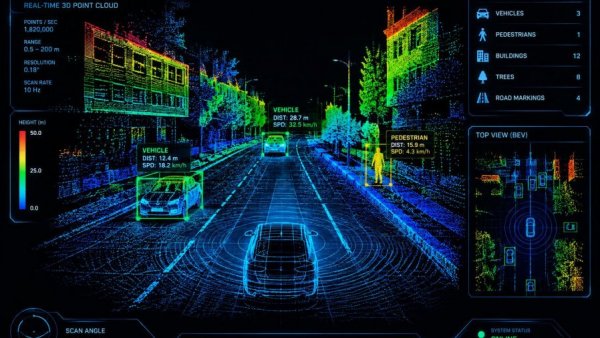
How Lasers and AI are Transforming Roadwork Safety
As our roadways become busier, the safety of workers and drivers alike is paramount. In the recent exploration of whether lasers can effectively monitor motorway roadworks, the intersection of LiDAR technology and artificial intelligence is proving to be a game changer. The success of this trial could signal a shift toward smarter highways that prioritize safety, presenting a future where innovation and safety walk hand in hand.
In 'Can Lasers Watch Over Motorway Roadworks?', the exploration of LiDAR and AI trials brings to light crucial insights on roadwork safety that we will analyze further.
The Tech Behind the Trial: LiDAR and AI Explained
LiDAR, short for Light Detection and Ranging, is a sophisticated technology that uses laser pulses to accurately measure distances to the earth's surface. When combined with AI, this technology can analyze real-time data on traffic patterns and construction conditions, enabling immediate responses to potential hazards. Imagine a scenario where a laser detects an approaching vehicle, and through AI, it communicates necessary adjustments to worker safety protocols in seconds. This capability could significantly lessen the response time in emergency situations, showcasing a level of efficiency that is essential for today's high-paced environments.
Real-World Applications: Lessons from Early Trials
Early trials involving LiDAR and AI have shown promising results, particularly in enhancing the safety of construction zones. In specific instances, construction teams could receive alerts about approaching vehicles, allowing them to take precautions before accidents could occur. Real-time notifications about changing road conditions or incoming hazards could transform the way teams manage site safety. This type of proactive measure not only protects workers but also serves to minimize traffic disruptions, creating a smoother flow of vehicles—a win-win for everyone involved. Additionally, these alerts could play a crucial role in keeping local communities informed, further enhancing public safety and confidence during roadwork operations.
The Wider Importance of Innovation in Road Safety
This technological advancement goes hand-in-hand with the increasing recognition of worker safety in construction environments. Keeping workers safe is about more than just compliance; it’s a moral imperative. The construction sector has historically been rife with risks, and as roadwork sometimes poses dangers to both drivers and workers, integrating LiDAR and AI technologies could drastically reduce incidents from both sides. The ongoing monitoring can provide a human-centered approach to roadwork, ensuring no one is left behind in safeguarding their lives. Furthermore, as cities expand and infrastructure ages, the implementation of such technologies could lead to a more sustainable approach to maintaining our roads and highways, ultimately benefiting urban planners and city dwellers alike.
Future Predictions: A Shift Toward Smarter Highways
As urban areas continue to grow, the necessity for enhanced highway safety technology will only increase. Experts predict that with the successful deployment of LiDAR and AI, we could see a future where accidents in construction zones are significantly reduced. By investing in these tools, governments and organizations can create safer environments, ensuring that both workers and travelers feel secure while on the road. The prospect of smarter highways, characterized by dynamic and responsive traffic management, could contribute not only to road safety but equally promote better traffic conditions, reduced congestion, and lower emissions. Such advancements could revolutionize our approach to urban mobility, paving the way for a future that embraces technology for the betterment of society.
Why Should You Care? The Personal Impact of Road Safety
For many, roadwork safety might seem like an abstract concept, but its implications are deeply personal. Every time you traverse a construction zone, you're placing your safety in the hands of those responsible for that work area. Enhanced monitoring through advanced technologies like LiDAR and AI can bring peace of mind as it not only protects workers but also ensures that you, as a driver or a commuter, can navigate safely. Parents, too, should consider the impact of roadwork safety; ensuring that children can navigate roadwork areas safely is a vital part of community well-being. These technologies are not just about efficiency; they encapsulate a proactive approach to safeguarding lives.
Call to Action: Advocacy for Safety Innovation
As discussions around roadwork safety evolve, we must remain engaged. Advocate for the increased implementation of smart technologies like LiDAR and AI in your community and support policies that prioritize worker and driver safety. Consider reaching out to local government officials, attending town hall meetings, or participating in community forums to raise awareness about the need for such innovations. The more we raise awareness, the more likely we can achieve widespread adoption of these innovative solutions. Moreover, you could educate your peers on the benefits of this technology, sharing knowledge that could help cultivate a culture of safety across our roadways. In our collective efforts, we can work toward not only making our roads safer but also creating a community where technology enhances our daily lives and experiences.










Write A Comment