




Can Mobile Networks Really Save Energy?
As global awareness of environmental issues increases, innovative solutions to reduce energy consumption are at the forefront of technological advancements. One such solution being explored is whether mobile networks can 'sleep' to conserve energy. The potential energy savings from employing sleep modes in mobile networks could significantly impact energy consumption and sustainability in the telecommunications sector. This concept has gained traction as the tech industry seeks to align with global sustainability goals, thus sparking conversations about the future of mobile technology.
In 'Can a Mobile Network Sleep to Save Energy?', the discussion dives into the innovative concept of energy conservation within telecommunications, exploring key insights that sparked deeper analysis on our end.
Understanding Mobile Networks and Their Energy Use
Mobile networks play a vital role in our daily lives, supporting everything from phone calls and text messages to streaming services and social media. However, this constant connectivity comes at a cost. According to researchers, mobile networks account for a substantial portion of global energy consumption—around 1-2% of electrical energy worldwide. This figure is projected to increase alongside the proliferation of internet-connected devices, with trends suggesting that the demand for data and connectivity will only swell in the coming years.
The rise of new technologies, including 5G networks, has further intensified energy consumption, primarily due to their higher throughput capabilities. This invites the question: how can we balance the thriving digital world with our environmental responsibilities? The answer may lie in innovative energy-saving strategies like the proposed sleeping modes for mobile networks.
The Sleeping Concept: How It Works
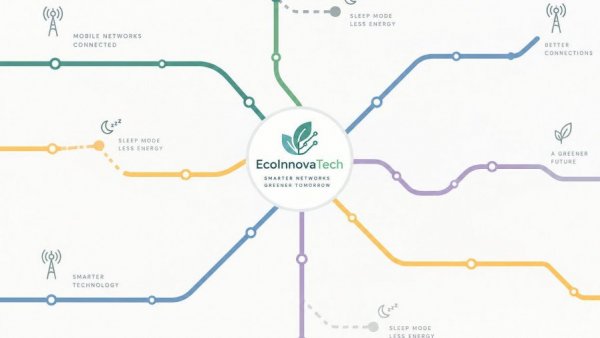
The idea behind allowing mobile networks to sleep is intriguing. Just like a computer goes into sleep mode when not in use, mobile networks could throttle down their performance during periods of low traffic. This concept would enable cellular towers and related infrastructure to reduce their power output when usage is minimal, minimizing wasted energy while maintaining essential connectivity for users. By adapting dynamically to fluctuating traffic demands, networks could become more efficient.
This sleeping mode concept can work in various scenarios, such as during late-night hours or non-peak days. Researchers envision technology that can detect traffic patterns and adjust operations accordingly. This adaptability not only conserves energy but can potentially lead to lower operational costs for network providers, a win-win proposition in many regards.
The Environmental Impact of Energy Conservation
Consider the environmental implications: With this sleeping mode, mobile networks could drastically cut their energy consumption, translating to lower greenhouse gas emissions and reduced demand on power resources. This reduction in energy use is crucial at a time when climate change poses significant threats to the planet. While the world is ramping up efforts to shift towards renewable energy sources, strategies like these could bridge the gap during this transition, making telecommunications greener.
The broader environmental benefits extend beyond just energy consumption. The decreasing reliance on fossil fuels will contribute to cleaner air and a healthier ecosystem, which benefits all living organisms. Transitioning toward energy-efficient technologies can thus help mitigate some of the worst effects of climate change.
Challenges and Counterarguments
Despite the potential benefits, the sleeping network concept presents various challenges. Critics argue that implementing this system could complicate user experience, as it may introduce delays in connectivity or hinder data speeds during peak usage times. Such interruptions could frustrate consumers, who are accustomed to instantaneous service due to advancements in technology.
Moreover, there are concerns about the technology's feasibility at a large scale. Network operators may face technical difficulties in implementing and managing such systems without disrupting the quality of service. The key will be finding a balance between conserving energy and ensuring a seamless user experience, which remains a pressing concern for technology companies and consumers alike. User feedback and engagement will play critical roles in refining these approaches to ensure they meet the needs of the public.
Future Predictions: The Path Ahead
Looking forward, it's likely that the telecommunications industry will see a shift towards more energy-efficient practices, including the adoption of sleeping modes. With global initiatives aimed at sustainability and reduced carbon footprints, companies may face increased pressure from consumers demanding more environmentally-friendly options. As money-saving techniques often align with energy savings, businesses can benefit from both cost-cutting measures and improved public perception by embracing these innovations.
Integrating energy-saving technology not only supports corporate social responsibility goals but can also become a significant part of marketing strategies. Consumers today engage with brands that align with their values, and practices that reduce environmental impact can elevate a company's reputation among eco-conscious customers.
Real-Life Examples Leading the Charge
Several telecommunication companies are experimenting with energy-saving strategies. For instance, some networks have already implemented dynamic power management solutions, observing notable decreases in energy consumption. These examples serve not only as a roadmap for future developments but also as a testament to the industry's commitment to evolving with the changing demands of eco-friendliness and corporate responsibility.
Companies like Vodafone and AT&T are actively researching and piloting these energy-efficient practices, showcasing their efforts for sustainability in public forums. Such initiatives not only position these companies as leaders in green tech but also set industry standards for others to follow.
Actionable Insights for the Tech-Savvy Consumer
As a consumer, your connection with mobile networks is direct. Understanding the steps that networks are taking toward sustainability can empower you to make informed decisions. Consider choosing service providers who advocate for sustainable practices or invest in technologies that support greener initiatives. Your voice matters; influence companies to prioritize environmental responsibility.
Furthermore, staying informed about your provider's energy-saving efforts can also motivate you to share your insights and suggestions. Engaging in discussions about corporate accountability can create a ripple effect, inspiring others to pay attention to the environmental impacts of their technology use.
The Bottom Line: A Collective Responsibility
The conversation around whether mobile networks can sleep without sacrificing performance is essential for both the technology sector and eco-conscious consumers. We are at a pivotal moment where our choices impact the planet's future. As mobile technology continues to expand, let’s hope that the industry will embrace innovative solutions that will pave the way toward a sustainable future. By joining the conversation and advocating for greener practices, each of us can play a role in shaping a more sustainable digital landscape.











Write A Comment