Add Row
Add Element
  • Facebook
    update
  • X
    update
  • YouTube
    update
  • Instagram
    update
  • update
  • YouTube
    update
  • Instagram
    update
Add Element
Home Health Hub
update

Strategies to Improve and
Maintain Vibrant Health

Home Health Hub logo
update
Add Element
  • Home
    • Categories
      • Regulation and Controls
      • Home and Office Design
      • Wellness Maintenance
      • Environmental Controls
      • Non-toxic Materials
      • Expert Interviews
      • Environmental Technology
    • Business Profiles
    December 26.2025
    5 Minutes Read

    How Stem Cells Treatment Is Transforming Modern Medicine—And Where Wellness-Based Support Fits In

    More than five million people worldwide have benefited from medical stem cell transplants, with many experiencing life-changing results for conditions once deemed incurable. Stem cell treatment is emerging as one of the most groundbreaking advances in modern medicine, offering hope to patients battling cancer, autoimmune diseases, and neurodegenerative disorders.

    Important Context

    The widely cited figure of five million beneficiaries refers specifically to medical stem cell treatments, such as bone marrow and hematopoietic stem cell transplants. It does not apply to wellness products, supplements, or non-invasive approaches designed to support general cellular health.

    As research expands, so does public curiosity—along with confusion. Patients are often left wondering which approaches are clinically proven, which are experimental, and where non-medical wellness strategies fit into the conversation.

    Discover Why Stem Cell Treatments Are Reshaping Healthcare

    Unlike conventional therapies that often focus on symptom management, stem cell treatments aim to repair or regenerate damaged tissue at a cellular level. From restoring blood and immune systems after cancer therapy to exploring regenerative options for heart disease and autoimmune conditions, the medical potential is significant.

    Expert Insight
    “Stem cell therapy represents one of the most promising frontiers in modern medicine—but it’s also one of the most misunderstood. While some applications are well-established and lifesaving, many others are still under investigation and must be approached with scientific rigor.”
    — Regenerative Medicine Specialist


    Medical team discussing stem cells treatment results in bright, modern high-tech hospital, showing colorful cell imagery on a digital display, with natural patient collaboration.

    What You'll Learn About Stem Cells Treatment

    • The fundamental science behind stem cells treatment and cell therapy

    • Major types of stem cell therapies and their specific uses

    • Current and emerging applications in regenerative medicine

    • Critical evaluation of proven stem cell therapies vs. unproven stem cell treatments

    • Potential risks, side effects, and ethical considerations

    • Guidance on clinical trials, cost analysis, and patient safety

    Stem Cells Treatment Explained: From Basics to Breakthroughs

    At its core, stem cell treatment involves using specialized cells capable of developing into various tissue types—muscle, nerve, bone, or blood. This ability forms the foundation of regenerative medicine.

    The earliest and most established example is the bone marrow transplant, used for decades to treat blood cancers and immune disorders. Today, research has expanded into multiple stem cell types, each with distinct roles, benefits, and limitations.

    Types of Stem Cells Used in Medical Treatment

    • Embryonic stem cells – pluripotent, ethically regulated

    • Adult stem cells – including hematopoietic and mesenchymal cells

    • Induced pluripotent stem cells (iPSCs) – reprogrammed adult cells

    • Perinatal stem cells – sourced from umbilical cord tissue

    These therapies are tightly regulated and evaluated through clinical trials before approval.


    A Non-Invasive, Wellness-Based Perspective on Stem Cell Support

    Not all discussions about stem cells involve medical procedures.

    Wellness Perspective
    “One challenge in conversations about stem cells is that many people immediately think of injections, high costs, or controversial sources,” explains EstherSue Murray, MBA, wellness educator and HealthyHome distributor. “For many individuals, those associations create hesitation before they even learn that non-invasive approaches exist to support the body’s natural regenerative processes.”

    Many readers interested in supporting the body’s natural healing processes also explore lifestyle and holistic approaches that address hormonal balance, stress management, and environmental wellness — as discussed in our feature on Common Menopausal Challenges and Holistic Coaching Solutions.

    Murray emphasizes that HealthyHome’s products are not stem cell treatments, not medical procedures, and not intended to diagnose, treat, cure, or prevent disease. Instead, they are positioned within the wellness category.

    “Our focus is education and personalization,” she notes. “We help people understand how wellness products may support the body’s natural stem cell activity, without making medical claims.”

    How Stem Cell Treatments Work (Medical Context)

    Medical stem cell treatments may:

    • Differentiate into specialized cells

    • Release growth factors that stimulate repair

    • Modulate immune responses

    Clinical Perspective
    “In many cases, the benefit comes less from replacing tissue directly and more from signaling the body to heal itself,” notes a leading stem cell researcher. “This distinction is critical for setting realistic expectations.”

    Many experts also emphasize that environmental factors and toxic burden influence how well the body’s natural regenerative processes function, so approaches that address both cellular health and toxic load can be complementary to overall wellness strategies.
    → Learn more about reducing toxic load at HomeHealthHub: 7 Safe Floor Cleaner Alternatives for Health-Conscious Homeowners.
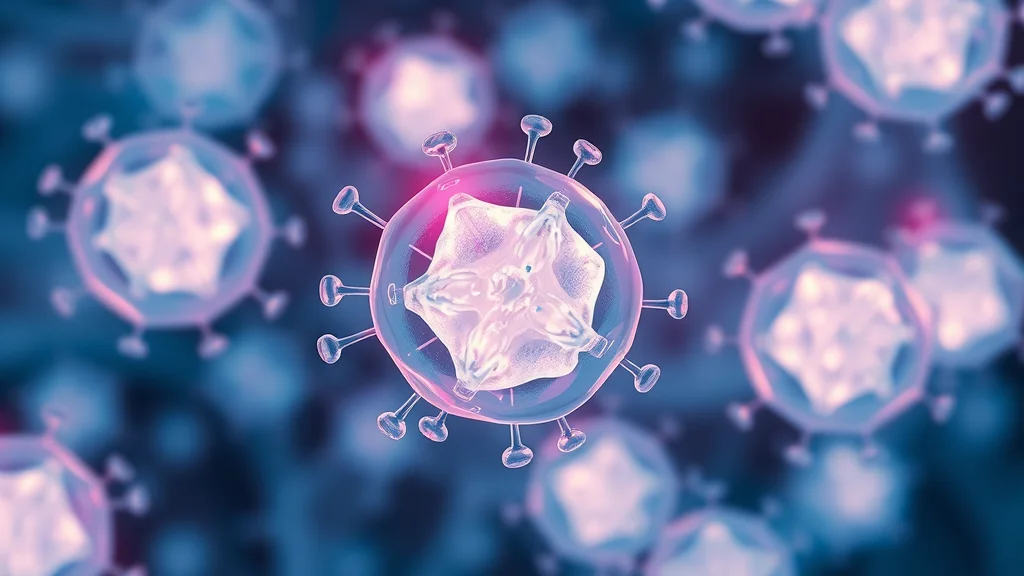


    Dynamic stem cells visualization showing glowing human stem cells dividing and differentiating within tissue, photorealistic and vibrant in cool blues and purples for stem cells treatment.

    Proven vs. Unproven Stem Cell Treatments

    Proven stem cell therapies undergo:

    • Controlled clinical trials

    • Regulatory review

    • Long-term safety monitoring

    Unproven interventions—often marketed online or abroad—may lack evidence and oversight.

    Regulatory Warning
    “Patients should be extremely cautious of clinics advertising stem cell cures without FDA approval or peer-reviewed evidence.”
    — U.S. Food and Drug Administration

    Diseases and Conditions Treated by Stem Cells

    • Neurological disorders (e.g., Parkinson’s, MS)

    • Orthopedic injuries and arthritis

    • Cardiovascular diseases

    • Diabetes

    • Blood disorders (e.g., leukemia, lymphoma)

    • Autoimmune diseases


    Smiling patient overcoming arthritis walking comfortably in modern rehab clinic after stem cells treatment, showing supportive healthcare team and bright, inviting setting.

    Personal Experiences vs. Medical Evidence

    Murray notes that many people learn about wellness-based stem cell support through shared personal experiences.

    “These stories are not clinical evidence,” she explains. “They’re individual experiences, and results vary. That’s why we focus on education rather than promises.”



    Patient consulting healthcare professional about stem cells treatment risks at a modern clinic, with thoughtful discussion and reassuring gestures in a welcoming office.

    Cost, Access, and Informed Decision-Making

    Medical stem cell treatments can exceed $100,000 and are often limited to hospital or trial settings. Wellness products, by contrast, operate outside the medical system and are not insurance-covered treatments.

    “Cost alone should never drive a health decision,” notes a health policy expert. “Evidence, safety, and professional guidance matter most.”

    Speak With a Wellness Educator

    Interested in learning more about non-invasive wellness approaches that support the body’s natural regenerative processes?

    EstherSue Murray

    EstherSue Murray offers one-on-one educational conversations to help individuals understand how HealthyHome products are used and whether they may align with personal wellness goals. Visit her website for additional information.

    👉 Click to call or text: 845-591-8871
    (Educational consultation only — not medical advice)

    By Jim Green
    Founder, HomeHealthHub.net
    Digital health publisher focused on wellness education, environmental health, and emerging regenerative technologies.

    Disclaimer:
    This content is for educational purposes only and is not intended to diagnose, treat, cure, or prevent any disease. Wellness products discussed are not FDA-approved drugs. Individual results vary. Consult a qualified healthcare professional before beginning any new wellness regimen.

    Wellness Maintenance

    74 Views

    0 Comments

    Write A Comment

    *
    *
    Related Posts All Posts
    03.11.2026

    Exploring Empowerment: 10 Women-Made Sex Toy Brands in 2026

    Update A New Era in Sexual Wellness: Empowerment through Pleasure In recent years, the world of sex toys has undergone a radical transformation—moving from a realm cloaked in stigma to one that embraces empowerment and wellness. Gone are the days when vibrators and other pleasure devices were viewed as taboo or shameful. The sex toy industry, particularly for women, has evolved to prioritize safe materials, inclusivity, and an emphasis on both physical and emotional wellbeing. Why Choose Women-Made Sex Toys? The shift toward supporting sex toy brands founded by women is significant for several reasons. Many of these companies emphasize natural and non-toxic materials, ensuring that the products are not just fun but also safe for body use. Women-centered brands are also often designed to be versatile, catering to both individual exploration and couple play. This empowers buyers to embrace their sexuality without embarrassment, changing long-held beliefs about sexual pleasure. Decoding the Best in the Market: 10 Top Brands As we look ahead to 2026, there are several standout sex toy brands that have made considerable strides in creating products that are safe, effective, and fun. Here’s a curated list of the best brands, taking into account their sustainability, design, and user-friendliness: Smile Makers - Best known for their ergonomic designs, this brand focuses on creating toys that celebrate femininity without compromising on quality. Their flagship vibrator is both fun and effective, priced at $130. LELO - Offering luxury at an investment, LELO crafts silent yet powerful toys that cater to diverse preferences. With a best-seller priced at $349, they focus on body-safe materials and technology that elevates the experience. Dame - This brand challenges the status quo with stylish, personalized toys that are engineered for optimal pleasure. Their unique take on suction toys has garnered attention, and their best-seller is $119. Bloomi - Known for their warming vibrator, Bloomi combines plant-based materials with innovative design at $74, promoting wellness as a pathway to pleasure. Maude - Affordable and discreet, Maude’s minimalist approach to pleasure has made waves, with their toys starting at $52—perfect for those seeking both aesthetic and functionality. The Importance of Safe Materials Understanding what materials are used in sexual wellness devices is crucial. Most reputable brands prioritize body-safe silicone, which not only feels velvety but is also free from latex allergens. This focus on safety allows users to explore their desires without the worry of harmful impacts on their health. Innovative Technology at the Forefront The sex toy industry is rife with innovation. With advanced technology, like suction and remote-controlled features, brands are redefining what pleasure can feel like. Innovative designs such as dual-stimulation devices and toys that connect via smartphone apps elevate the user experience, allowing for a customized exploration of sexual pleasure. Conclusion: Embrace Your Pleasure The evolution of sex toys reflects a broader cultural shift towards acceptance and exploration of women's pleasure. As you consider your choices in sexual wellness, remember the brands championing safety, diversity, and empowerment. Investing in your sexual health with the right products is not just about pleasure—it’s about embracing the full spectrum of your sexuality. Explore these innovative brands and take ownership of your pleasure to foster a fulfilling sexual experience. Remember, there should be no shame in prioritizing what brings you joy and satisfaction!

    03.08.2026

    What If Mom Burnout Is No Big Deal? Strategies for Home and Business Owners

    Update Understanding the Stressors of Modern Motherhood In today’s fast-paced world, many working mothers find themselves caught in a relentless cycle of responsibilities that seem to multiply daily. Initially, the transition into motherhood is often characterized by joy; however, the reality of balancing work, family, and personal aspirations can quickly evolve into overwhelming stress. In my case, I often found myself managing a mental checklist filled with endless tasks—grocery shopping, work deadlines, family obligations, and even social commitments—all while desperately seeking a sliver of time for self-care. The Dangers of Burnout Mom burnout is not merely a phase; it is a condition characterized by physical, emotional, and mental exhaustion due to chronic stress. Burnout can hinder a mother's ability to connect with her children, leading to feelings of inadequacy and disconnection. According to experts, it can develop gradually, mirroring symptoms experienced in workplace burnout, but compounded by the demanding nature of caregiving. It is apparent that addressing the multifaceted layers of motherhood requires more than mere acknowledgment; it necessitates concrete strategies for support and rejuvenation. Ways to Cope and Reclaim Your Time Having realized the unsustainable nature of my prior approach to parenting, I explored several strategies for overcoming burnout: Lower Expectations: Accepting that perfection is unattainable can alleviate some pressure. Focus on what makes you and your family thrive, not what social media portrays as ‘ideal’. Establish Support Networks: Connecting with other mothers and community resources can create a crucial support system, offering emotional relief and practical help. Practice Self-Care: Make it a priority to nurture yourself emotionally and physically, even if it means setting aside 10 minutes a day for quiet reflection. The strategies I implemented delivered substantial changes in how I approached my daily routines. Action Steps for a Stress-Free Day Integrating actionable steps into daily life can ease the burdens of burnout: Mindfulness Practices: Incorporating mindful breathing techniques and short meditative breaks can significantly improve mental clarity. Delegate Responsibilities: Sharing household tasks with family members can alleviate personal workload. Hiring help for specific chores can also provide much-needed respite. Revisit Personal Goals: Engage in activities that bring you joy—whether it’s painting, writing, or exercising—to cultivate a sense of personal fulfillment beyond motherhood. Each small effort contributes to my overall wellness, with a growing sense of control over daily chaos. The Bigger Picture: A Shared Struggle Understanding the universality of these feelings adds to the conversation around mom burnout. Many women navigate similar challenges, illustrating the importance of breaking the stigma surrounding mental well-being in parenthood. Resources like postpartum support groups or mental health professionals can prove invaluable in reclaiming one’s identity amidst the demands of motherhood. Conclusion: A Call to Action As you navigate your multifaceted life as a home and business owner, remember that addressing burnout is essential for sustainable happiness. If you resonate with these challenges, I encourage you to reflect on your routines and consider which changes can impact your day positively. Take the first step today toward prioritizing your mental wellness.

    03.06.2026

    What You Need to Know About Laundry Detergents Without Optical Brighteners

    Update The Hidden Dangers of Optical Brighteners in Laundry Detergents For many homeowners, the quest for whiter laundry often leads them to products that promise brighter, fresher clothes. However, this allure may come with hidden dangers. Optical brighteners, chemical additives designed to make clothes appear whiter and brighter, are prevalent in conventional detergents. They work by absorbing UV light and then re-emitting it in the visible spectrum, thereby creating the artificial illusion of cleanliness. Unfortunately, these chemicals do not clean your clothes; they merely coat the fabrics, and there are growing concerns about their impact on health and the environment. Why Avoid Optical Brighteners? Insights on Health and Safety Recent studies have linked optical brighteners to various health risks, including skin irritations, reproductive toxicity, and developmental issues. These chemicals can linger in your clothes, making them unsuitable for sensitive skin. As consumers become more aware of the hidden ingredients in their cleaning products, the demand for safer alternatives has surged. Top Natural Laundry Detergents Free from Optical Brighteners Fortunately, there are many effective, natural alternatives that homeowners can use. Here’s a curated list of non-toxic, optical brightener-free laundry detergent options for a cleaner, safer wash day: Branch Basics Laundry Detergent: A powerful yet gentle option, this product uses natural enzymes and minerals to clean clothes effectively without optical brighteners or harmful additives. It's suitable for all skin types, including the most sensitive. Baking Soda and Vinegar: This classic DIY combination is not just for baking; it’s a potent laundry detergent alternative. Baking soda softens water and helps lift stains, while vinegar has natural sanitizing properties. Soap Nuts: A fully biodegradable and sustainable option, soap nuts are natural berries that contain saponins, which effectively clean clothes without any harsh chemicals. Pure Castile Soap: This versatile soap can be mixed with vinegar for an effective wash. It’s free from additives and can be used across various cleaning applications. The Environmental Impact of Laundry Products Optical brighteners and other synthetic chemicals not only pose health risks for humans but also contribute to environmental pollution. Many of these substances are non-biodegradable, leading to toxic runoff that can affect local waterways. By choosing natural alternatives, homeowners contribute to the protection of the environment, promoting health for both their families and the planet. Actionable Tips for Safer Laundry Practices Switching to safer, optical brightener-free detergents is just the first step. Here are a few actionable insights for maintaining a green laundry routine: Read Labels: Always check the ingredients list on your detergent. Look for transparent, non-toxic ingredients. Use Less: Many natural detergents are concentrated, meaning you need to use less than conventional products to achieve the same results. Repurpose Water: If possible, reuse wash water for gardening or cleaning, ensuring minimal waste and supporting environmental sustainability. Embracing Sustainable Products for Your Home Switching to non-toxic, optical brightener-free detergents offers numerous benefits: better health for your family, reduced environmental impact, and improved fabric care. With a myriad of natural products available today, homeowners can make informed choices that reflect a commitment to sustainability. By gradually transitioning away from conventional laundry products, you can join the growing movement towards healthier living. Are you ready to ditch the toxic laundry detergents in your home? Discover the safe and effective options available, and make your laundry routine a part of your commitment to health and the environment!

    Terms of Service

    Privacy Policy

    Core Modal Title

    Sorry, no results found

    You Might Find These Articles Interesting

    T
    Please Check Your Email
    We Will Be Following Up Shortly
    *
    *
    *