Add Row
Add Element
  • Facebook
    update
  • X
    update
  • YouTube
    update
  • Instagram
    update
  • update
  • YouTube
    update
  • Instagram
    update
Add Element
Home Health Hub
update

Strategies to Improve and
Maintain Vibrant Health

Home Health Hub logo
update
Add Element
  • Home
    • Categories
      • Regulation and Controls
      • Home and Office Design
      • Wellness Maintenance
      • Environmental Controls
      • Non-toxic Materials
      • Expert Interviews
      • Environmental Technology
    • Business Profiles
    June 26.2025
    3 Minutes Read

    Transform Your Home: 7 Safe Floor Cleaner Alternatives for Health-Conscious Homeowners

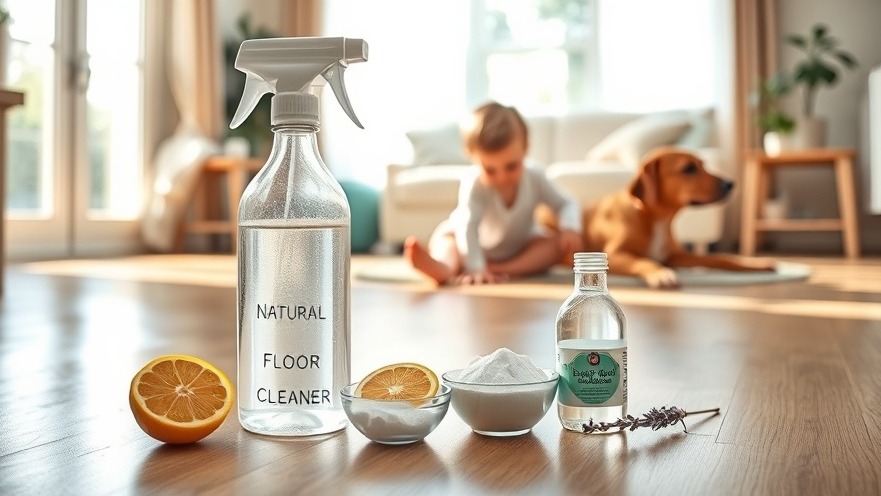
    Bright living room with natural floor cleaner and eco-friendly cleaning solutions.


    Discover the Hidden Dangers of Conventional Floor Cleaners

    In households with children and pets, cleanliness is crucial, especially when it comes to floors. Yet, many homeowners remain blissfully unaware of the hidden dangers lurking within conventional floor cleaners. While these products may effectively eliminate dirt and grime, they often come loaded with synthetic chemicals that can pose serious health risks. Ingredients like bleach, ammonia, and formaldehyde are common culprits found in many cleaning products, which can be toxic, especially around kids and animals. The move towards safer alternatives is more than just a trend; it’s an essential shift for wellness-conscious households.

    Why Go Natural? The Safety Factor

    Cleaning products should not compromise the safety of your family or pets. Many traditional cleaners contain phthalates, glycol ethers, and phenols, which can cause allergic reactions or respiratory issues, particularly in sensitive groups. When you switch to natural cleaners or DIY alternatives, you reduce the risk of exposure to harmful chemicals. Safer options not only protect your health but also mitigate environmental damage, aligning with a growing demand for sustainability in household products.

    Exploring Natural Floor Cleaner Alternatives

    Switching to eco-friendly floor cleaners begins with understanding effective, safer ingredients. Here are seven notable alternatives that can help maintain a sparkling clean without introducing harmful toxins into your home:

    • Vinegar and Water - A mixture of equal parts water and white vinegar creates a powerful cleaning solution that cuts through grime without harmful chemicals.

    • Baking Soda Paste - When combined with a little water, baking soda forms a paste that can be used to scrub stubborn stains off floors.

    • Castile Soap - This biodegradable soap made from olive oil is safe and effective for various surfaces.

    • Hydrogen Peroxide - A dilute solution can disinfect surfaces while remaining pet-safe, as it breaks down into harmless water and oxygen.

    • Essential Oils for Fragrance - Mindful about the essential oils used? Choose those known to be safe for pets, like lavender or peppermint, to add a pleasant scent without the risks.

    • Commercial Green Cleaners - Brands that emphasize non-toxic, eco-friendly formulas can also serve, provided the ingredients are reviewed carefully.

    • Lemon Juice - Naturally antibacterial and fragrant, lemon juice further enhances cleaning power when added to water.

    Understanding Your Cleaners: Labels Matter

    Not all cleaners claiming to be “green” are created equal. Always scrutinize labels for ingredients to avoid hidden chemicals under marketing tactics. Familiarize yourself with terms like “fragrance-free” rather than “unscented,” which often contain masking agents. Empower yourself as a consumer by understanding what goes into your cleaning products.

    Embrace the Shift to Healthier Cleaning Routines

    It's time for homeowners to embrace safer cleaning practices. Regularly deep-cleaning floors can significantly enhance overall home hygiene, especially for small children and pets who spend lots of time on the ground. With a variety of effective alternatives available, you can uphold cleanliness in your home without compromising health.

    Conclusion: Your Health Matters

    As you prepare to revamp your cleaning habits with these alternatives, take a moment to reflect on the broader impact of choosing natural over chemical. Not only are you fostering a healthier home, but you’re also contributing to environmental preservation and sustainability efforts.


    Wellness Maintenance

    60 Views

    0 Comments

    Write A Comment

    *
    *
    Please complete the captcha to submit your comment.
    Related Posts All Posts
    04.10.2026

    Embrace a Healthier You: The Ultimate Guide to Non-Toxic Personal Care Products

    Embrace a Healthier You: The Ultimate Guide to Non-Toxic Personal Care Products

    04.11.2026

    Discover the Best Vitamins for Curbing Postpartum Hair Loss

    Update Understanding Postpartum Hair Loss and Its Causes For many new parents, the joy of welcoming a child often brings unexpected challenges, including postpartum hair loss. This condition can be distressing, leading to emotional struggles for mothers who are already navigating the complexities of new motherhood. Understanding the biological processes behind this phenomenon is crucial. Following childbirth, hormonal changes, particularly the drop in estrogen and progesterone, typically lead to a temporary increase in hair shedding. Essential Vitamins for Postpartum Hair Recovery To combat postpartum hair loss, certain vitamins play a pivotal role in nourishing hair follicles and promoting healthy growth. Here are nine essential vitamins and nutrients that can help: Biotin: Often labeled as vitamin B7, biotin is renowned for supporting hair health. It can strengthen hair strands and encourage regrowth post-pregnancy. Vitamin D: This vitamin is vital for hair follicle cycling, and a deficiency might hinder the hair growth process. Iron: Many postpartum women experience lowered iron levels, which can contribute to hair shedding. Including iron-rich foods or supplements may help restore balance. Zinc: A mineral that aids in tissue growth and repair, zinc plays a role in hair tissue growth and repair as well. Vitamin A: Essential for cell growth, vitamin A promotes the production of sebum that keeps hair moisturized. Omega-3 Fatty Acids: These healthy fats can nourish hair follicles and promote shine, essential for healthy-looking hair. Vitamin E: With its antioxidant properties, vitamin E helps reduce oxidative stress on the scalp. Vitamin C: Known for its role in collagen production, vitamin C assists in strengthening hair. Protein: Not a vitamin but crucial for hair health, adequate protein intake is essential as hair is primarily composed of protein (keratin). The Importance of a Balanced Diet Incorporating a variety of these vitamins into a postpartum diet can significantly aid in tackling hair loss. Foods rich in these nutrients—such as leafy greens, nuts, seeds, fatty fish, and fruits—are beneficial. However, many mothers might find it challenging to maintain a balanced diet amidst the demands of new parenthood. This makes supplements a potentially valuable addition for many new moms. Consulting Professionals for Individual Needs It's important to remember that every woman's body reacts differently. Consulting with a healthcare provider can help identify specific needs or deficiencies that may be contributing to hair loss. Personalized care is key to finding the right combination of vitamins and dietary changes to support healthy hair growth. Embracing the Journey While postpartum hair loss is often a temporary condition, knowing there are effective strategies to minimize its impact can be empowering. As you navigate this stage, remember that prioritizing your health—including nutrition and mental well-being—can all contribute to a smoother recovery and overall postpartum experience. For those eager to regain their pre-pregnancy hair or simply enhance their current hair health, focus on including key vitamins in your diet or consider discussing supplementation with a trusted healthcare professional. Every step you take towards nourishing your body can ultimately reflect positively on your hair health.

    04.09.2026

    Mastering Self-Trust: A Key To Success For Home And Business Owners

    Update Understanding Self-Trust: Why It Matters Trusting yourself is a cornerstone of personal and professional success, yet many struggle with self-doubt. Home and business owners alike often find themselves at a crossroads, questioning their decisions and instincts. In today's fast-paced environment, cultivating self-trust not only boosts confidence but is essential for making informed choices that can lead to sustainable growth and fulfillment. Building Self-Trust: Practical Steps to Follow Developing self-trust requires active engagement in a systematic process. Here are a few practical steps you can take to strengthen your ability to trust yourself: Self-Reflection: Dedicate time to reflect on past decisions. What worked? What didn't? Understanding your previous choices can illuminate your growth and areas where you can improve. Set Small Goals: Start with achievable goals that build confidence. Celebrating these small successes can help reinforce your belief in your capabilities. Practice Mindfulness: Engaging in mindfulness practices can ground you in the present moment, reducing anxieties about the past or future. This clarity allows for better decision-making. Why Self-Trust is Especially Important for Business Owners For home and business owners, self-trust influences how they lead their teams and make critical choices. A confident leader inspires trust among employees and creates a culture of transparency. This dynamic can enhance productivity and morale, facilitating a more harmonious work environment. Common Misconceptions About Self-Trust Many people equate self-trust with arrogance. However, true self-trust is rooted in humility and self-awareness. It is not about being right all the time, but rather accepting that mistakes are part of the learning process. By grasping this distinction, you can foster a more supportive internal dialogue. Future Insights: Cultivating a Sustainable Business through Trust As the landscape of business continues to evolve, self-trust will become an increasingly valuable asset. Leaders who make decisions grounded in self-trust can adapt to change with resilience, positioning their businesses for long-term success. Whether it's through embracing innovation or addressing new challenges, trusting your instincts will empower you to navigate the complexities of modern commerce. In conclusion, building self-trust is an ongoing journey that requires effort and dedication. By implementing practical strategies and understanding the importance of self-trust in personal and professional contexts, you can enhance your decision-making capabilities, thereby supporting your growth as a home and business owner. Now is the time to take action—start integrating these practices into your life and witness how your confidence and decision-making flourish.

    Terms of Service

    Privacy Policy

    Core Modal Title

    Sorry, no results found

    You Might Find These Articles Interesting

    T
    Please Check Your Email
    We Will Be Following Up Shortly
    *
    *
    *