Add Row
Add Element
  • Facebook
    update
  • X
    update
  • YouTube
    update
  • Instagram
    update
  • update
  • YouTube
    update
  • Instagram
    update
Add Element
Home Health Hub
update

Strategies to Improve and
Maintain Vibrant Health

Home Health Hub logo
update
Add Element
  • Home
    • Categories
      • Regulation and Controls
      • Home and Office Design
      • Wellness Maintenance
      • Environmental Controls
      • Non-toxic Materials
      • Expert Interviews
      • Environmental Technology
    • Business Profiles
    September 19.2025
    7 Minutes Read

    Common Menopausal Challenges and Holistic Coaching Solutions

    Entering menopause can feel like navigating a complex maze of physical discomfort, emotional upheaval, and life changes. But what if you could meet these challenges not just with medication or quick fixes, but with a support system that honors your whole self — mind, body, and spirit? Menopausal symptoms holistic coaching offers precisely that, guiding women to reclaim their wellness and confidence through personalized, empowering practices.

    Imagine beginning each day with clarity and calm, equipped with tools that truly address your unique body’s needs, while also transforming your outlook on health and yourself. This article will take you through the common hurdles faced during menopause and reveal effective holistic coaching strategies that help women thrive through this natural life stage. Ready to feel understood and empowered? Let’s dive in.

    Connecting Personally with Menopausal Wellness

    Sincere middle-aged woman enjoying herbal tea during menopausal symptoms holistic coaching

    Many women report feeling isolated by their menopausal symptoms—weight fluctuations, mood swings, and restless nights that disrupt daily life. Kelly Martineau, founder of Menopause Redesign, knows this deeply through both professional experience and personal transformation. Drawing on her nursing background and holistic coaching expertise, she weaves together traditional health knowledge and lifestyle insight to deliver care that goes beyond symptoms.

    Kelly’s journey began in a clinical setting but shifted when she recognized the profound disconnect between healthcare delivery and true health. “We often see a patchwork approach that treats symptoms without addressing root causes,” Kelly shares. Her holistic coaching creates an environment where women feel truly listened to and empowered to define their wellness journey on their own terms.

    What You'll Learn: Understanding Menopausal Symptoms and Holistic Coaching Benefits

    • Key menopausal symptoms and their impact on daily life

    • How holistic coaching addresses mind, body, and spirit

    • Practical lifestyle changes to support menopause wellness

    • Expert insights from Kelly, founder of Menopause Redesign

    • Common misconceptions about menopause and coaching

    • Actionable tips for starting your holistic health journey

    Overview of Menopausal Symptoms and the Need for Holistic Coaching

    "Holistic health includes all aspects of a person—mind, body, soul, and spirituality. Fixing one small piece may help initially but does not meet our full needs." — Kelly, Menopause Redesign

    Common Menopausal Symptoms Addressed by Holistic Coaching

    • Weight management challenges

    • Mood and mental health fluctuations

    • Sleep disturbances

    • Energy and fatigue issues

    • Confidence and self-image concerns

    Menopausal symptoms present in multifaceted ways, often intertwining physical discomfort with emotional and social challenges. Weight gain during menopause, for instance, isn’t just about extra pounds but frequently reflects generational habits and deep-seated beliefs about self-worth. These factors affect confidence and mental health, requiring more than just conventional treatments.

    Symptoms like mood swings and sleep disturbances can sap energy and cloud mental clarity, compounding stress and making it harder to manage daily responsibilities. This is where menopausal symptoms holistic coaching plays a critical role, approaching symptoms comprehensively and empowering women to reclaim control of their health and happiness.

    While holistic coaching addresses the internal and lifestyle factors influencing menopause, it's also important to consider how environmental exposures can impact overall well-being during this stage. For example, understanding the effects of persistent pollutants is crucial—learn more about how the EPA is tackling PFAS pollution and its implications for health at this in-depth resource on forever chemicals.

    The Holistic Approach: Integrating Mind, Body, and Spirit in Menopause Wellness Coaching

    "Coaching is client led. Listening for what is under the initial concerns is what a coach does. It’s about guiding and supporting clients to recognize their own power." — Kelly, Menopause Redesign

    Key Principles of Holistic Menopause Wellness Coaching

    • Starting where the client feels their challenge is

    • Challenging old mindsets and supporting self-discovery

    • Empowering clients to take charge of their health journey

    • Integrating nursing knowledge with mindfulness and inner work


    Confident middle-aged woman practicing mindfulness for menopausal symptoms holistic coaching in nature

    Kelly Martineau emphasizes that effective menopause wellness coaching begins with honoring the client’s personal experience. “Starting where the client feels their challenge allows true engagement and tailored support,” she explains. The process involves exploring beneath surface symptoms to understand behaviors and emotional patterns driving health outcomes.

    Rather than offering quick fixes or symptom suppression, holistic coaching challenges limiting mindsets, fosters self-awareness, and teaches sustainable habits that promote lasting change. This client-led journey helps women feel empowered and in charge of their wellness rather than passive recipients of care.

    Kelly also brings her nursing expertise to the table, integrating it with complementary practices like breathwork and energy healing to provide a fuller, more effective toolkit. This combined approach addresses menopausal symptoms on all levels — physical, emotional, and spiritual — for comprehensive wellness.

    Client Transformation Stories: Real-Life Success with Menopausal Symptoms Holistic Coaching

    "One client, struggling with diet, weight, and confidence after a difficult divorce, found success by focusing first on mindset. She became a confident, successful businesswoman who cares for her body and mind." — Kelly, Menopause Redesign



    Joyful middle-aged woman celebrating success after menopausal symptoms holistic coaching outdoors

    Addressing Skepticism: Bridging Traditional Healthcare and Holistic Coaching

    Many women come to holistic coaching feeling hesitant, shaped by years of traditional healthcare experiences that often left them feeling unheard or overwhelmed. Kelly understands this skepticism intimately, noting, “My clients have usually tried everything and feel like they failed. They have not failed. They have been let down by a broken system.”

    Holistic coaching isn’t about rejecting conventional medicine but enhancing wellness through an integrated lens that recognizes the limitations of symptom-only approaches. As public awareness of integrative health grows, more women see the value in addressing menopause with tools that work alongside medical care, offering hope for sustainable relief and empowerment.

    Tools and Daily Practices Recommended for Menopause Wellness Coaching

    • Morning mindset tuning and breathwork to reduce anxiety

    • Journaling for emotional clarity and problem-solving

    • Whole food, organic diet avoiding processed foods and toxins

    • Gratitude practice, meditation, and nature exposure for balance



    Calm woman practicing breathwork outdoors for menopausal symptoms holistic coaching

    Kelly advocates daily practices that foster connection to the self and reduce stress, critical for managing menopausal symptoms. Starting the day with intentional mindset work and breath exercises helps lower cortisol, the stress hormone that exacerbates symptoms like mood swings and fatigue.

    Journaling provides a safe space to explore emotions and uncover hidden truths, making it a powerful tool for self-discovery. Coupled with a nourishing, whole-food diet that steers clear of processed foods, these practices build a foundation for healing from the inside out.

    Additionally, Kelly incorporates gratitude reflections, meditation, and time in nature to nurture balance and mental clarity. She shares, “I have noticed these practices shift my mindset and prepare me to be the best person I can be in my day.”

    Tailoring Holistic Coaching for Burnout, Chronic Illness, and Emotional Trauma

    Holistic coaching’s strength lies in its adaptability. Kelly tailors each client’s plan to meet them exactly where they are, especially when facing complicated issues like burnout, chronic illness, or trauma. “What may feel off-track from your initial goals could ultimately open doors to where you want to go,” she advises.

    By prioritizing what dominates clients' current experience and focusing on controllable habits, coaching provides gentle but effective guidance to transform overwhelming challenges into manageable steps. This personalized support fosters resilience and long-term wellness beyond menopause symptoms alone.

    Emerging Trends in Integrative Health and Menopause Wellness Coaching

    The Role of Holistic Coaching in Rural Healthcare Transformation

    Integrative health and functional medicine are gaining traction as people realize the impact of lifestyle and environment on chronic diseases common during menopause. Kelly remarks on growing recognition of how diet, exposures, and habits influence silent conditions like osteoporosis and high blood pressure.

    Rural communities, often underserved by traditional healthcare, benefit profoundly from holistic coaching’s accessible, client-focused model. Location matters less than the universal desire for real health solutions. Kelly’s personal experience with chronic illness highlights the urgency for alternatives that empower patients rather than leave them stranded.

    Common Questions About Menopausal Symptoms Holistic Coaching

    • What is holistic coaching and how does it differ from traditional health coaching?

    • Can holistic coaching help with specific menopausal symptoms like hot flashes or mood swings?

    • How long does it typically take to see results with holistic coaching?

    • Is holistic coaching suitable for women skeptical of alternative health methods?

    • What daily practices are most effective for menopause wellness?

    Symptom

    Conventional Approach

    Holistic Coaching Approach

    Expected Benefits

    Weight Gain

    Medication, diet plans

    Mindset work, habit change, nutrition

    Sustainable weight management, improved confidence

    Mood Swings

    Antidepressants, counseling

    Breathwork, journaling, mindset coaching

    Reduced anxiety, emotional balance

    Fatigue

    Rest, medication

    Lifestyle adjustments, gentle exercise

    Increased energy, better sleep quality


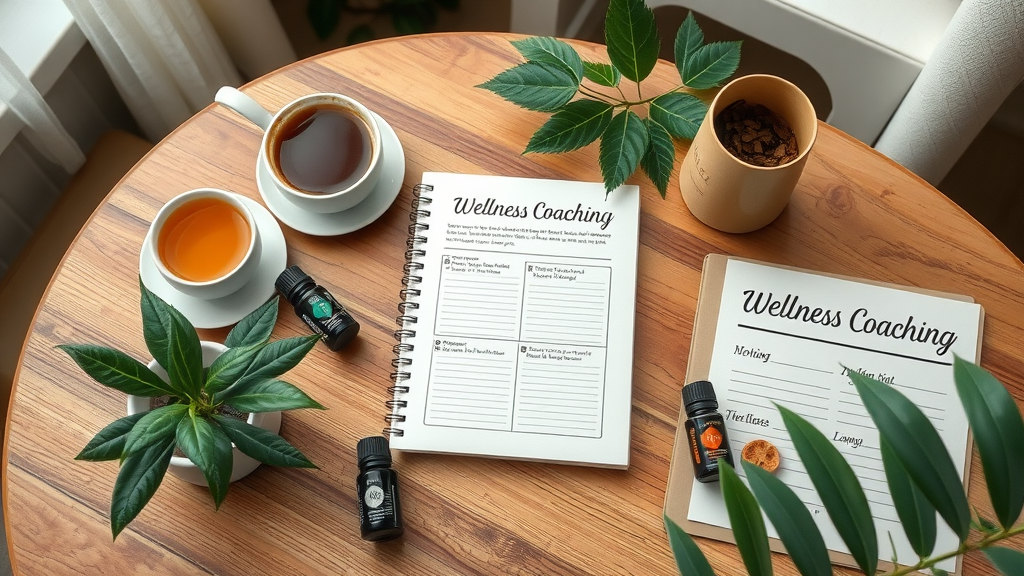
    Flat lay of menopausal symptoms holistic coaching tools including journal, herbal tea, and essential oils

    Key Takeaways: Empowering Your Menopause Journey with Holistic Coaching

    • Menopausal symptoms holistic coaching addresses root causes, not just symptoms.

    • Client-led coaching empowers self-discovery and lasting change.

    • Daily practices like breathwork and journaling support emotional and physical wellness.

    • Holistic coaching complements traditional healthcare and is accessible to all.

    • Transformation stories demonstrate the power of mindset and lifestyle shifts.

    Conclusion: Begin Your Holistic Menopause Wellness Journey Today

    Take charge of your menopausal health by embracing holistic coaching’s empowering tools and personalized support. Connect with Kelly Martineau at Kelly@menopauseredesign.com or visit Menopause Redesign to start your transformative journey towards balance, confidence, and vibrant health.

    If you’re inspired to look beyond personal wellness and consider how your environment shapes your health, you may find it valuable to explore the broader impact of building science on daily living. Discover how the spaces around us—from our yards to our homes—can influence well-being and long-term health outcomes by reading this insightful article on building science and its hidden effects. Expanding your understanding of holistic health means considering every factor, empowering you to make informed choices for a healthier, more balanced life.

    Expert Interviews

    72 Views

    0 Comments

    Write A Comment

    *
    *
    Related Posts All Posts
    02.21.2026

    Randy Williams: Unveiling the Evolution of a Green Building Expert

    Discover Randy Williams' career path, from construction to energy auditing in green building. Insightful perspectives on sustainable homes and building science.

    01.26.2026

    Health insurance plans

    Lorraine Alleyne on Why Traditional Health Insurance Plans Aren't Your Only ChoiceFor business coaches, CPAs, and self-employed professionals, few topics spark as much uncertainty—and often frustration—as choosing the right health insurance plans. Many assume traditional insurance is their only valid path, overlooking a growing market of innovative alternatives that could transform both their healthcare and their bottom line.According to Lorraine Alleyne, a seasoned expert with a background in accounting, finance, and insurance at ACN Impact Health Sharing, this misconception quietly costs individuals and business owners tens of thousands each year. Lorraine’s voice—rooted in decades of navigating the financial complexities business owners face—challenges the core beliefs that dominate this vital decision. As she explains, it’s time to debunk long-held assumptions and shine a light on next-generation options that offer both medical freedom and real savings.“The biggest misconception people have about traditional insurance plans is that they think those are the only options available. But there are many other alternatives that offer real benefits.” – Lorraine Alleyne, ACN Impact Health SharingHow Impact Health Sharing Offers Medical Freedom and Significant SavingsTraditional health insurance plans often come with high premiums, rigid provider networks, and a maze of costs that seem to rise with every renewal. But a wave of community-based alternatives, like impact health sharing, is quietly rewriting the rules. Lorraine Alleyne, whose expertise spans accounting, insurance, and project management, notes that the roots of this shift lie in the ability to combine affordability with newfound medical freedom—empowering both patients and providers.The heart of impact health sharing is simple: members contribute to a pool that directly shares medical expenses, often bringing costs down by a staggering 30-50%. This isn’t a discount for mediocre care. According to Lorraine, smarter plan design and transparent cost structures mean members can actually enjoy higher-quality healthcare, personalized to their unique needs, without feeling shackled by the traditional insurance bureaucracy. The model provides what Lorraine calls “medical freedom”—where people can choose their doctors, access a wider range of treatments, and wield more control over their own healthcare dollars.For those interested in how healthcare access and affordability are evolving, it's also important to consider the broader challenges facing the industry. For example, the ongoing crisis of rural hospitals at risk of closure highlights why innovative health insurance solutions are becoming increasingly vital for communities nationwide.“We provide impact health sharing where people can save anywhere from 30 to 50 percent and get better health care because we provide medical freedom for the patients and the medical community.” – Lorraine Alleyne, ACN Impact Health SharingReal Stories: From $40,000 Renewals to $700 Health PlansFew stories capture the urgency of rethinking health insurance like the young couple Lorraine recently helped. As their annual insurance renewal approached, they were confronted with a jaw-dropping $40,000 quote from their traditional provider—a number that, for many, would spell financial distress or even giving up coverage altogether. Lorraine stepped in with her signature blend of financial acumen and deep industry knowledge, guiding them through the options that impact health sharing could unlock.This isn’t just an edge case. Cases like this reveal how standard insurance options often saddle healthy individuals and business owners with outsize costs. The couple’s monthly premium dropped to about $700 for both—a savings that didn’t just preserve their coverage but turned a nightmare scenario into an empowering new beginning. As Lorraine recounts, the real transformation comes not just from a lower bill but from a deeper understanding: when given the facts, individuals can reclaim control over their healthcare future.“A young couple faced a $40,000 renewal with a traditional insurer. We helped them find a health plan for about $700 a month for both. She was in disbelief but understood once she saw how the plan comes together.” – Lorraine Alleyne, ACN Impact Health SharingKey Takeaways for Business Coaches, CPAs, and Self-Employed Professionals on Health Insurance PlansFor business coaches, CPAs, and those steering their own financial destiny—from self-employed consultants to restaurant owners and church leaders—the implications couldn’t be clearer. Lorraine Alleyne’s insights cut through industry jargon, encouraging decision-makers to evaluate both the short- and long-term impact of their health insurance plans. These takeaways aren’t abstract theories, but actionable steps based on real-world experience and uniquely relevant to professionals guiding others in their organizations.Medical expenses are often the largest unpredictable cost on a business or family’s balance sheet. By re-examining assumptions and leveraging alternatives like impact health sharing, forward-thinking professionals can realize dramatic savings, enable broader provider choice, and break free from the constraints of legacy coverage. Lorraine consistently emphasizes that while no alternative plan is the right fit for everyone, for the right candidate—a healthy business owner or self-employed professional—the benefits can be game-changing.Who Benefits Most from Alternative Health Insurance Options?According to Lorraine Alleyne, the benefits of alternative health insurance plans like impact health sharing are most profound for those who are healthy and don’t require constant or chronic medical care. This includes many business owners, freelancers, and self-employed professionals—people who value flexibility, predictability, and the ability to redirect savings into business growth or personal development. Lorraine’s perspective, informed by years as an accountant and insurance agent, is that a careful fit assessment is key: “Impact health sharing is not for everyone, but for those who don’t require constant medical attention, it can be a game changer.”For business coaches and CPAs who advise diverse client bases, understanding these distinctions can empower clients to make decisions that lighten their financial loads and increase organizational resilience. Lorraine stresses that this approach, rooted in both her financial background and life experience, proves alternatives aren’t “bare bone” plans—they offer robust, community-powered solutions that align a family or company’s financial interests with their health priorities.“If you're healthy, truly healthy, definitely explore your options. Impact health sharing is not for everyone, but for those who don't require constant medical attention, it can be a game changer financially and in flexibility.” – Lorraine Alleyne, ACN Impact Health SharingUnderstand the limitations of traditional insurance plans.Explore impact health sharing programs for potential 30-50% savings.Recognize that medical freedom supports better healthcare choices.Evaluate your health status to determine if alternative plans fit your needs.Common Misconceptions About Health Insurance PlansDespite the proven advantages, several myths persist about health insurance plans. Lorraine Alleyne has found that even among highly educated professionals, beliefs about cost, value, and freedom of care continue to cloud judgment. She urges business owners and advisors to dive deeper, separating fact from fiction and recognizing that today’s market is reshaping what “coverage” genuinely means.Lorraine observes that many equate lower-cost plans with lower quality, or assume that only traditional insurance meets regulatory and care standards. She continually works to demystify the landscape, educating her clients that medical freedom isn’t just a buzzword—it’s the right to choose providers and design care plans without excessive restrictions, something increasingly important for those who prize autonomy. Overcoming these misconceptions opens doors to both savings and improved wellness for clients and their teams.Belief that traditional insurance is the only valid option.Assuming cheaper plans mean lower quality care.Misunderstanding of what medical freedom entails.Overlooking cost-saving alternatives available today.How Impact Health Sharing Aligns with Modern Business Owners and Seniors’ NeedsModern business owners and seniors aren’t just looking for cost savings—they demand flexibility, transparency, and genuine partnership from their health insurance plans. Lorraine Alleyne, leveraging her deep financial background and commitment to client advocacy, highlights how impact health sharing aligns perfectly with these evolving needs. For older adults on fixed incomes and entrepreneurs navigating unpredictable cash flow, the fixed, reasonable contributions and community-based approach of health sharing offer stable footing.This model also delivers what Lorraine calls “enhanced control” over medical expenses—members not only see where their money goes, but actively participate in decisions that shape collective risk and reward. Community cost-sharing isn’t just a financial benefit—it reinforces values of mutual support, transparency, and empowerment. For Lorraine’s clients, this means less stress during renewal season and more peace of mind as they pursue personal, professional, and retirement goals.Affordable monthly costs compared to traditional coverage.Flexibility in choosing medical providers.Enhanced control over healthcare expenses.Community-based cost-sharing to reduce individual financial burdens.Final Thoughts: Evaluating Your Options for Health Insurance PlansMaking Informed Choices to Maximize Value and CoverageLorraine Alleyne’s expert guidance is clear: explore your options. The only way to maximize the value and security of your health insurance plans is by placing all the facts on the table—side by side. For business owners, CPAs, and self-employed professionals, this means requesting comprehensive plan details, running cost-benefit analyses, and aligning choices to both medical needs and lifestyle values. The days of defaulting to whichever traditional option is “next up” are over. True health and financial security come from intentional, informed decision-making, and Lorraine’s decades of industry insight make her an invaluable guide through this high-stakes process.According to Lorraine, the real transformation comes when professionals move beyond the fear of change. Those willing to look past the status quo often find not just savings, but a sense of empowerment—control over their care, predictable budgeting, and a community of people working for their collective health.“The key is to explore your options. Alternative plans like impact health sharing might be exactly what many business owners and individuals need to reduce costs and increase healthcare freedom.” – Lorraine Alleyne, ACN Impact Health SharingNext Steps to Find the Best Health Insurance PlanAssess your health and healthcare needs honestly.Request detailed plan information and cost breakdowns.Compare traditional plans with alternative options like impact health sharing.Consult a trusted expert to understand implications and benefits.Take Action Today to Transform Your Health Insurance ExperienceVisit the Impact Health Sharing website for a free healthcare quote.Connect with experts like Lorraine Alleyne to discuss personalized options.The evolving landscape of health insurance plans demands a proactive approach—especially for business professionals and seniors who want more than just coverage, but also freedom, control, and real savings. By partnering with guides like Lorraine Alleyne and challenging the myths about what’s possible, you can unlock peace of mind for yourself, your business, and your community. Don’t leave your wellbeing—and your finances—to chance. Take the next step, explore your alternatives, and take control of your healthcare future today.As you continue to evaluate your health insurance options, it’s worth considering how broader healthcare trends may impact your choices in the future. The financial pressures facing rural hospitals, for instance, are reshaping access to care for millions and underscore the importance of flexible, community-driven solutions. If you’re interested in understanding how these systemic shifts could affect your coverage and your community, explore the in-depth analysis on the crisis facing rural hospitals and what it means for local healthcare. Gaining this perspective can help you make even more informed decisions—ensuring your health plan not only meets your needs today, but also adapts to tomorrow’s challenges.

    12.31.2025

    K-12 school bullying

    Jerry L. Green’s Core Insight: Bullying as a Brain-Altering Drug"Bullying isn’t just behavior; it rewires how victims think, feel, and make decisions throughout life." — Jerry L. GreenWhen most parents and educators think about K-12 school bullying, the focus often lands on outward signs: bruised egos, missed school days, or troubling social dynamics. Yet, as Jerry L. Green of Bullying As A Drug reveals, bullying is far more insidious—acting almost like a mind-altering substance, fundamentally changing how students process the world around them. Drawing on a lifetime of experience not only as a survivor but as an advocate, Jerry introduces a transformative analogy: bullying is a drug that affects neural pathways, subtly altering emotions and decision-making, sometimes for a lifetime.According to Jerry's perspective, understanding bullying as a mere social ill is not enough; recognizing its power to rewire the brain is crucial for lasting intervention. For parents and educators who hope to break the cycle, knowing what’s truly at stake is the first step. Only by acknowledging bullying’s deep neurological grip can we begin to dismantle its hold and foster healing, resilience, and empowerment for every student.Understanding the B-U-L-L-Y-I-N-G-I-S-A-D-R-U-G Framework"Each letter uncovers a part of the bullying impact puzzle — from how it shapes emotions to the lifelong decisions victims make." — Jerry L. GreenBrain changes caused by bullyingEmotional rewriting and traumaThe addictive ‘high’ bullies chaseLong-term consequences for victims and perpetratorsJerry emphasizes that the framework is not just for academic study, but for real-world transformation. As he points out, “For so many, bullying isn’t just a chapter in their story—it’s the editor, rewriting how they see themselves and the choices they make.” Understanding these neurological impacts empowers advocates and families to bring compassion, science, and actionable change to the forefront of every anti-bullying effort.What Parents and K-12 Educators Need to Know About Bullying’s Lasting Effects"Parents and educators hold the key to breaking the cycle by understanding bullying's deep neurological roots." — Jerry L. GreenThe truth is, K-12 school bullying leaves physiological imprints that echo well beyond childhood. According to Jerry L. Green, ignoring these lasting effects is not an option for those entrusted with the wellbeing of our youth. Parents and educators are often the first—and sometimes only—line of defense. By learning about bullying’s deep roots in brain development, adults can recognize that it’s not just harmful words or fleeting conflicts, but a neurological event.Nurturing resilience means understanding why certain interventions fail or succeed. Jerry’s research and personal journey highlight that truly effective solutions address both the emotional fallout and the brain’s adaptive, survival-driven recalibrations. The power to disrupt this cycle lies squarely in the hands of committed adults. Without this knowledge, attempts at discipline or empathy may never reach the part of the brain where damage—and healing—occur.While this article focuses on the neurological and emotional consequences of bullying, exploring how it can have long term effects on our health could be an important factor in dealing with toxic relationships. For example, understanding the principles behind our mind-gut connection reveals how the health of our gut is deeply intertwined with our mental and physical health.Recognizing Signs: How Bullying Manifests in Children and TeensBehavioral changes and emotional withdrawalPhysical symptoms of stress and traumaSocial isolation or aggressive responsesThe early warning signs of bullying are often hidden, manifesting as subtle changes in attitude, academic performance, and social behavior. According to Jerry L. Green, a child who becomes suddenly withdrawn, easily irritable, or anxious about school may be silently crying out for help. “Sometimes the most outgoing student becomes silent,” Jerry remarks. “Or the class clown turns combative overnight.” Physical symptoms—like headaches, stomach issues, or sleep disturbances—are not only common, but may be the body’s reaction to chronic stress triggered by bullying.Social isolation, avoidance of activities, or even sudden aggression can also point to a deeper struggle. Jerry’s perspective is that every caring adult should see these signs as “neurological alarms” rather than behavioral problems to punish. Addressing the underlying cause—not just the symptoms—is what can truly change a child’s trajectory and start to undo the brain’s negative wiring. This is a call for vigilance, compassion, and proactive engagement from all adults in a child’s ecosystem.Actionable Strategies for Parents and School EmployeesEmpathy-driven communication techniquesBuilding accountability and respect culture in schoolsTools to empower victims and reform bulliesPractical steps to intervene early and effectivelyWhat can be done today to disrupt these patterns? Early intervention is vital. Tools such as open dialogue, safe reporting channels, and restorative practices create space for victims to reclaim agency and for bullies to reform without shame—just accountability. Jerry’s strategies are not theoretical; they’re battle-tested from years of advocacy and personal healing. He asserts that equipping all adults in the school system with these tools isn’t just preventative—it’s lifesaving. “The sooner we act, the sooner the healing begins,” Jerry emphasizes.Changing the Narrative: From Victim to Empowered SurvivorJerry’s Call to Action: Ending the High of Bullying"We have the power to replace bullying's destructive 'high' with empathy, respect, and accountability across all K-12 environments." — Jerry L. GreenEncouraging reflection and recognition of personal bullying experiencesCreating supportive communities at home and schoolUtilizing Jerry’s B-U-L-L-Y-I-N-G-I-S-A-D-R-U-G insights to guide preventionJerry L. Green’s mission is more than awareness—it’s about transformation. He urges individuals and communities to reclaim their narratives, emphasizing that survivors of K-12 school bullying are not defined by the pain they endured. Instead, with the right support, reflection, and practical frameworks, those experiences become the raw material for empathy, leadership, and change.The expert’s perspective is that every parent, teacher, and student has a role to play in breaking the cycle. Building supportive environments at home and in school is not a passive act; it’s a daily commitment to replacing destructive patterns with those anchored in trust and mutual respect. “The real ‘high’ comes from healing and helping others heal,” Jerry notes, reminding us that the cycle ends when we choose action over complacency.Frequently Asked Questions About K-12 School Bullying and Brain ImpactHow does bullying rewire the brain?Can bullying’s effects be reversed?What roles do parents and educators play in prevention?Is there a way to identify bullies before problems escalate?According to Jerry L. Green, chronic exposure to K-12 school bullying creates new neural pathways associated with stress, fear, and mistrust, making future relationships and decisions more challenging. However, with timely intervention and therapeutic support, many effects can be mitigated or even reversed—especially during the formative K-12 years.Parents and educators are the primary architects of the environments that either perpetuate or dismantle the cycle of bullying. Jerry asserts that preventive action—through education, observation, and honest conversation—can often halt problems before escalation. Early identification involves knowing behavioral cues and fostering open dialogue to empower all students as active participants in their community’s wellness.Learn More: Jerry L. Green’s Upcoming Book and ResourcesExplore the full B-U-L-L-Y-I-N-G-I-S-A-D-R-U-G modelInsightful case studies from Jerry’s experiencesPractical guides for parents, educators, and communitiesHow to join the movement to break the bullying cycle"My goal is to turn painful experiences into powerful transformations for individuals and communities alike." — Jerry L. GreenJerry L. Green’s forthcoming book, Bullying Is A Drug, offers in-depth exploration of his B-U-L-L-Y-I-N-G-I-S-A-D-R-U-G framework, including real-world stories and actionable prevention plans for schools, families, and communities. It’s designed to move readers beyond pain—to a place of understanding, support, and lasting change.For anyone seeking more, comprehensive guides, resource links, and opportunities to join the anti-bullying movement can be found at bullyingisadrug.com. Here, families and educators will find practical ways to break the cycle and foster hope through science and community.Take Action Today to End K-12 School Bullying’s Deep ImpactBullying in K-12 schools does not have to be a lifelong burden. Thanks to Jerry L. Green’s pioneering research and lived wisdom, we now understand its neurological reach—and we have the tools to fight back. By recognizing the warning signs, supporting open lines of communication, and embracing tested strategies for intervention, parents and educators can reclaim hope for every child.It starts with one courageous conversation, one act of empathy, and one commitment to seek help when needed. Dive deeper into Jerry’s resources, share your own story, and become part of a movement invested in transforming pain into power for the next generation.Take the next step: Visit bullyingisadrug.com to access expert tools, share your experience, and join the community committed to ending the high of K-12 school bullying.If you’re inspired to continue building healthy relationships, consider exploring strategies that prevent harm or can unwind the emotional scars left by bullying. The article on mind-gut connections offers a unique perspective on how thoughtful stragegies can make all the difference. Just as we strive to shield young minds from the lasting effects of bullying, integrating smart, preventative measures in any context can create safer, healthier outcomes for all.

    Terms of Service

    Privacy Policy

    Core Modal Title

    Sorry, no results found

    You Might Find These Articles Interesting

    T
    Please Check Your Email
    We Will Be Following Up Shortly
    *
    *
    *