


Jerry L. Green’s Core Insight: Bullying as a Brain-Altering Drug
"Bullying isn’t just behavior; it rewires how victims think, feel, and make decisions throughout life." — Jerry L. Green
When most parents and educators think about K-12 school bullying, the focus often lands on outward signs: bruised egos, missed school days, or troubling social dynamics. Yet, as Jerry L. Green of Bullying As A Drug reveals, bullying is far more insidious—acting almost like a mind-altering substance, fundamentally changing how students process the world around them. Drawing on a lifetime of experience not only as a survivor but as an advocate, Jerry introduces a transformative analogy: bullying is a drug that affects neural pathways, subtly altering emotions and decision-making, sometimes for a lifetime.

According to Jerry's perspective, understanding bullying as a mere social ill is not enough; recognizing its power to rewire the brain is crucial for lasting intervention. For parents and educators who hope to break the cycle, knowing what’s truly at stake is the first step. Only by acknowledging bullying’s deep neurological grip can we begin to dismantle its hold and foster healing, resilience, and empowerment for every student.
Understanding the B-U-L-L-Y-I-N-G-I-S-A-D-R-U-G Framework
"Each letter uncovers a part of the bullying impact puzzle — from how it shapes emotions to the lifelong decisions victims make." — Jerry L. Green
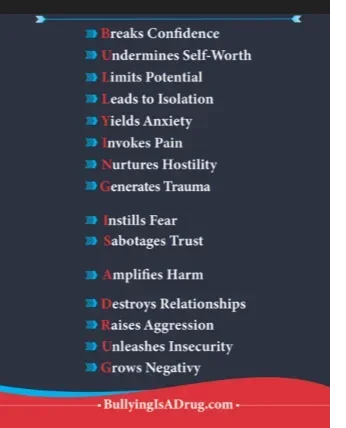
Brain changes caused by bullying
Emotional rewriting and trauma
The addictive ‘high’ bullies chase
Long-term consequences for victims and perpetrators
Jerry emphasizes that the framework is not just for academic study, but for real-world transformation. As he points out, “For so many, bullying isn’t just a chapter in their story—it’s the editor, rewriting how they see themselves and the choices they make.” Understanding these neurological impacts empowers advocates and families to bring compassion, science, and actionable change to the forefront of every anti-bullying effort.
What Parents and K-12 Educators Need to Know About Bullying’s Lasting Effects
"Parents and educators hold the key to breaking the cycle by understanding bullying's deep neurological roots." — Jerry L. Green
The truth is, K-12 school bullying leaves physiological imprints that echo well beyond childhood. According to Jerry L. Green, ignoring these lasting effects is not an option for those entrusted with the wellbeing of our youth. Parents and educators are often the first—and sometimes only—line of defense. By learning about bullying’s deep roots in brain development, adults can recognize that it’s not just harmful words or fleeting conflicts, but a neurological event.
Nurturing resilience means understanding why certain interventions fail or succeed. Jerry’s research and personal journey highlight that truly effective solutions address both the emotional fallout and the brain’s adaptive, survival-driven recalibrations. The power to disrupt this cycle lies squarely in the hands of committed adults. Without this knowledge, attempts at discipline or empathy may never reach the part of the brain where damage—and healing—occur.
While this article focuses on the neurological and emotional consequences of bullying, exploring how it can have long term effects on our health could be an important factor in dealing with toxic relationships. For example, understanding the principles behind our mind-gut connection reveals how the health of our gut is deeply intertwined with our mental and physical health.
Recognizing Signs: How Bullying Manifests in Children and Teens
Behavioral changes and emotional withdrawal
Physical symptoms of stress and trauma
Social isolation or aggressive responses

The early warning signs of bullying are often hidden, manifesting as subtle changes in attitude, academic performance, and social behavior. According to Jerry L. Green, a child who becomes suddenly withdrawn, easily irritable, or anxious about school may be silently crying out for help. “Sometimes the most outgoing student becomes silent,” Jerry remarks. “Or the class clown turns combative overnight.” Physical symptoms—like headaches, stomach issues, or sleep disturbances—are not only common, but may be the body’s reaction to chronic stress triggered by bullying.
Social isolation, avoidance of activities, or even sudden aggression can also point to a deeper struggle. Jerry’s perspective is that every caring adult should see these signs as “neurological alarms” rather than behavioral problems to punish. Addressing the underlying cause—not just the symptoms—is what can truly change a child’s trajectory and start to undo the brain’s negative wiring. This is a call for vigilance, compassion, and proactive engagement from all adults in a child’s ecosystem.
Actionable Strategies for Parents and School Employees
Empathy-driven communication techniques
Building accountability and respect culture in schools
Tools to empower victims and reform bullies
Practical steps to intervene early and effectively

What can be done today to disrupt these patterns?
Early intervention is vital. Tools such as open dialogue, safe reporting channels, and restorative practices create space for victims to reclaim agency and for bullies to reform without shame—just accountability. Jerry’s strategies are not theoretical; they’re battle-tested from years of advocacy and personal healing. He asserts that equipping all adults in the school system with these tools isn’t just preventative—it’s lifesaving. “The sooner we act, the sooner the healing begins,” Jerry emphasizes.
Changing the Narrative: From Victim to Empowered Survivor
Jerry’s Call to Action: Ending the High of Bullying
"We have the power to replace bullying's destructive 'high' with empathy, respect, and accountability across all K-12 environments." — Jerry L. Green
Encouraging reflection and recognition of personal bullying experiences
Creating supportive communities at home and school
Utilizing Jerry’s B-U-L-L-Y-I-N-G-I-S-A-D-R-U-G insights to guide prevention

Jerry L. Green’s mission is more than awareness—it’s about transformation. He urges individuals and communities to reclaim their narratives, emphasizing that survivors of K-12 school bullying are not defined by the pain they endured. Instead, with the right support, reflection, and practical frameworks, those experiences become the raw material for empathy, leadership, and change.
The expert’s perspective is that every parent, teacher, and student has a role to play in breaking the cycle. Building supportive environments at home and in school is not a passive act; it’s a daily commitment to replacing destructive patterns with those anchored in trust and mutual respect. “The real ‘high’ comes from healing and helping others heal,” Jerry notes, reminding us that the cycle ends when we choose action over complacency.
Frequently Asked Questions About K-12 School Bullying and Brain Impact
How does bullying rewire the brain?
Can bullying’s effects be reversed?
What roles do parents and educators play in prevention?
Is there a way to identify bullies before problems escalate?
According to Jerry L. Green, chronic exposure to K-12 school bullying creates new neural pathways associated with stress, fear, and mistrust, making future relationships and decisions more challenging. However, with timely intervention and therapeutic support, many effects can be mitigated or even reversed—especially during the formative K-12 years.
Parents and educators are the primary architects of the environments that either perpetuate or dismantle the cycle of bullying. Jerry asserts that preventive action—through education, observation, and honest conversation—can often halt problems before escalation. Early identification involves knowing behavioral cues and fostering open dialogue to empower all students as active participants in their community’s wellness.
Learn More: Jerry L. Green’s Upcoming Book and Resources
Explore the full B-U-L-L-Y-I-N-G-I-S-A-D-R-U-G model
Insightful case studies from Jerry’s experiences
Practical guides for parents, educators, and communities
How to join the movement to break the bullying cycle
"My goal is to turn painful experiences into powerful transformations for individuals and communities alike." — Jerry L. Green

Jerry L. Green’s forthcoming book, Bullying Is A Drug, offers in-depth exploration of his B-U-L-L-Y-I-N-G-I-S-A-D-R-U-G framework, including real-world stories and actionable prevention plans for schools, families, and communities. It’s designed to move readers beyond pain—to a place of understanding, support, and lasting change.
For anyone seeking more, comprehensive guides, resource links, and opportunities to join the anti-bullying movement can be found at bullyingisadrug.com. Here, families and educators will find practical ways to break the cycle and foster hope through science and community.
Take Action Today to End K-12 School Bullying’s Deep Impact
Bullying in K-12 schools does not have to be a lifelong burden. Thanks to Jerry L. Green’s pioneering research and lived wisdom, we now understand its neurological reach—and we have the tools to fight back. By recognizing the warning signs, supporting open lines of communication, and embracing tested strategies for intervention, parents and educators can reclaim hope for every child.
It starts with one courageous conversation, one act of empathy, and one commitment to seek help when needed. Dive deeper into Jerry’s resources, share your own story, and become part of a movement invested in transforming pain into power for the next generation.
Take the next step: Visit bullyingisadrug.com to access expert tools, share your experience, and join the community committed to ending the high of K-12 school bullying.
If you’re inspired to continue building healthy relationships, consider exploring strategies that prevent harm or can unwind the emotional scars left by bullying. The article on mind-gut connections offers a unique perspective on how thoughtful stragegies can make all the difference. Just as we strive to shield young minds from the lasting effects of bullying, integrating smart, preventative measures in any context can create safer, healthier outcomes for all.


Write A Comment