




What Makes Wind Turbines Work?
Wind turbines are often celebrated as powerful symbols of renewable energy, harnessing the natural force of the wind to generate clean electricity. But have you ever wondered what actually helps a wind turbine turn to face the wind? Understanding this process not only reveals the fascinating engineering behind wind energy, but also highlights the importance of sustainable practices in our modern world. By learning about the technology that allows these giants of green energy to operate effectively, we gain insights into how we can support and advocate for cleaner sources of energy in our own communities.
In 'What Turns a Wind Turbine to Face the Wind?', the video explores the fundamental technology behind wind energy, prompting us to delve deeper into its significance in our sustainable future.
The Mechanism at Play
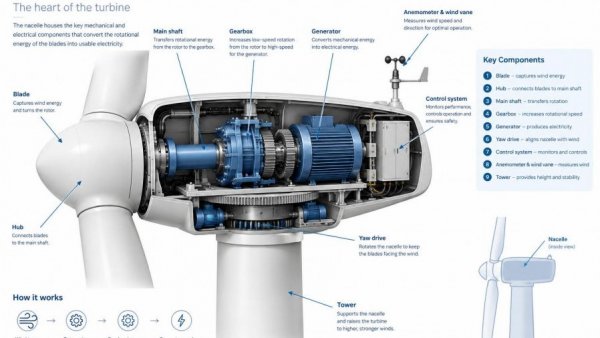
At the heart of a wind turbine's design is a critical component known as the yaw drive. This integral piece of machinery enables the turbine to pivot on its tower, allowing the blades to capture wind from any direction effectively. When wind changes direction, sensors detect this shift and activate the yaw motor. The motor then adjusts the position of the turbine’s nacelle (the housing that contains the turbine's generator and other important components) to align it with the wind. This automatic adjustment ensures maximum efficiency in energy production, showcasing how technology can aid our efforts in sustainable energy.
Interestingly, the yaw drive works in tandem with the wind vane, a device that senses wind direction. When the wind shifts, the wind vane sends a signal to the control system, prompting the yaw drive to reposition the turbine. This combination of sensors and motors exemplifies the advanced engineering embedded in modern wind turbines, underscoring their role as a vital element in the renewable energy landscape.
Why This Matters: The Impact of Wind Energy
Wind energy represents one of the fastest-growing sectors within renewable energy, a much-needed shift as we face the global challenge of climate change. By cycling from fossil fuels to wind energy, we can significantly reduce greenhouse gas emissions. The result is a cleaner atmosphere, which not only benefits the environment but also enhances public health by reducing air pollution. This transition is not just beneficial for the environment; it also leads to economic growth. Investments in wind technology create jobs, boost local economies, and lower energy costs for consumers.
In recent years, many communities have reported a significant economic impact from local wind farms. These projects often lead to new jobs during the construction phase and ongoing operations, as well as opportunities in maintenance and support services. When the effective functioning of wind turbines is prioritized by engineers and energy companies alike, the impact can be transformative, underscoring the value of investing in sustainable solutions. Furthermore, as technology advances, the cost of producing wind energy continues to decrease, making it an increasingly attractive option for energy providers.
Connecting Wind Power to Our Future
This conversation about wind energy isn’t just about technology; it’s about our future and the legacy we leave behind. As wind turbines continue to pop up across landscapes globally—once a rarity and now a common sight—it is vital to consider how such technologies can foster a healthier planet for future generations. Incorporating wind energy into our daily lives offers a pathway toward more sustainable living, impacting everything from the air we breathe to the communities we build.
Moreover, the shift towards wind energy aligns closely with global sustainability goals. International agreements, such as the Paris Agreement, aim to limit global warming by reducing carbon emissions. Wind energy plays a crucial role in achieving these targets, providing a means for countries to meet their commitments while simultaneously enhancing energy security.
Empowering Individuals Through Knowledge
Understanding how a wind turbine works can inspire individuals and communities to advocate for greener energy options and promote environmental initiatives at local, national, and international levels. By embracing renewable energy sources such as wind power, we demonstrate a commitment to protecting the environment and bolstering community resilience. Every small action counts, whether it's saving energy at home or supporting policies that favor renewable resources; knowledge empowers us to innovate and progress toward a sustainable future.
Furthermore, increasing public awareness around wind energy can lead to stronger community support for new projects. When people understand the benefits—both environmental and economic—they are more likely to champion local wind initiatives, leading to a greater acceptance of renewable energy solutions. Engaging in conversations, attending community meetings, and advocating for clean energy sources in educational settings can amplify this awareness.
Embracing Renewable Energy in Everyday Life
How can you embrace renewable energy in your daily life? Start by exploring local renewable energy options. Many regions offer programs that promote wind energy, such as community solar projects or incentives for businesses to switch to green energy sources. You can even install small turbines if you live in a suitable area, becoming a part of the solution right in your backyard. Share what you've learned about wind turbines with friends, family, or community members. The more we discuss and promote renewable energy, the more pressure we create for necessary changes at the policy level. Every conversation matters when it comes to sustainability; it’s about spreading awareness and inciting action.
Additionally, consider participating in local sustainability initiatives, such as clean-up events or tree-planting efforts, to reinforce your commitment to the environment. Making small lifestyle changes, like using energy-efficient appliances or reducing unnecessary electricity use, can also contribute to building a greener future.
Conclusion: Take the Next Step Toward Sustainability
In our world, where environmental issues continue to gain urgency, understanding wind turbines is not just an engineering marvel—it's part of a wider narrative that encompasses our responsibility toward climate action. By promoting wind energy and sustainable practices, we are not only recognizing the importance of renewable energy but also taking essential steps toward ensuring a healthier planet for generations to come. Together, let’s continue to advocate for these transformative technologies in all aspects of our lives, inspiring others to join us on this vital journey toward sustainability.









Write A Comment