• Facebook
    update
  • X
    update
  • YouTube
    update
  • Instagram
    update
  • update
  • YouTube
    update
  • Instagram
    update
Home Health Hub
update

Strategies to Improve and
Maintain Vibrant Health

Home Health Hub logo
update
  • Home
    • Categories
      • Regulation and Controls
      • Home and Office Design
      • Wellness Maintenance
      • Environmental Controls
      • Non-toxic Materials
      • Expert Interviews
      • Environmental Technology
    • Business Profiles
    January 29.2025
    3 Minutes Read

    The Essential Guide to EIFS Installation: Why You Need a Pro

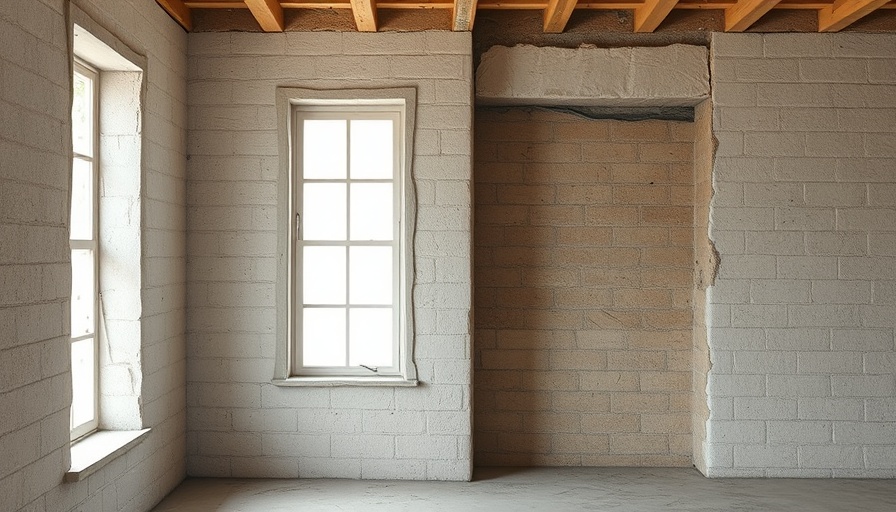
    EIFS contractor working on interior wall installation.

    Understanding EIFS: What You Need to Know

    Exterior Insulation and Finish Systems (EIFS) have quickly gained popularity in the construction industry, especially for their aesthetic appeal and energy efficiency. As residential and commercial buildings increasingly emphasize both sustainability and design, EIFS has emerged as a dynamic solution, but understanding its installation and maintenance requires a foundational knowledge of the system. Many property owners wonder if specialized contractors are necessary for EIFS applications. This article delves into the critical aspects of EIFS and the implications of hiring a qualified contractor.

    Importance of Professional EIFS Installation

    While DIY projects can be tempting, especially for those looking to save costs, EIFS installation is highly technical and requires specific skills and knowledge. Learning about the materials involved, the layering process, and how to handle potential problems is essential to achieving the intended benefits of EIFS. A professional contractor possesses the expertise to ensure that the system is installed correctly, providing long-term durability and energy efficiency.

    Potential Pitfalls of DIY EIFS Installation

    Embarking on a DIY EIFS project could lead to several pitfalls that may not only undermine the system's effectiveness but also result in costly damages. Improper moisture management is a prime concern; moisture trapped within the system can lead to mold growth, structural damage, and severe health threats. Knowledge of weather-resistant materials and detailing techniques is essential, which a specialized contractor will be well versed in.

    What to Look for in an EIFS Contractor

    When choosing an EIFS contractor, it’s crucial to evaluate their experience, credentials, and past projects. Look for contractors who specialize in EIFS and have solid familiarity with local codes and regulations. Testimonials and references are valuable resources when assessing a contractor's reliability. A comprehensive approach that includes reviewing their portfolio and conducting thorough interviews can lead to selecting the ideal contractor.

    Benefits of Using EIFS with Expert Installation

    EIFS, when properly installed by professionals, can significantly enhance a building's insulation properties while adding a graceful exterior finish. With energy codes becoming stricter, the insulating properties of EIFS help meet energy efficiency requirements. Additionally, EIFS can be designed to mimic various architectural styles, enhancing the building's curb appeal.

    Inspections and Maintenance of EIFS

    After installation, ongoing inspections are essential to maintain the integrity of an EIFS system. Professional contractors are well-positioned to conduct regular maintenance checks that include looking for any signs of water intrusion, cracks, or deterioration. This proactive measure can prevent extensive damage and prolong the lifespan of the EIFS. Maintenance also strengthens the system’s energy efficiency, ultimately saving property owners on energy costs.

    Conclusion: Making Informed Decisions

    While EIFS presents a fantastic opportunity for enhancing the appearance and efficiency of buildings, proper installation is critical. Hiring a qualified contractor ensures that the system is not only installed correctly but maintained well throughout its lifespan. As the construction landscape shifts towards sustainability, understanding the value of EIFS and collaborating with the right professional can significantly impact the overall health of a property.

    Home and Office Design

    23 Views

    0 Comments

    Write A Comment

    *
    *
    Please complete the captcha to submit your comment.
    Related Posts All Posts
    04.24.2026

    Uncover Unique Options for Your European Style Door Today!

    Update Discover the Elegance of European Style Doors European style doors are known for their sophisticated design, elegant finishes, and exceptional quality. These doors are not just functional pieces for your home; they serve as stunning focal points that can elevate the aesthetic appeal of any space. Their popularity has surged, as homeowners and designers alike seek to enhance both the interior and exterior of their residences with these stylish options. Where to Begin Your Search for European Style Doors If you are looking for the perfect European style door, a great starting point is to explore specialty retailers that focus on imported or custom-designed options. Companies like European Style Doors offer a wide range of styles including contemporary, traditional, and even custom designs tailored to meet individual tastes. Another option is to check online platforms that specialize in importing European designs. Retailers such as European Doors & Windows, which serve locations from Illinois to Massachusetts, can provide a variety of options from interior to exterior doors, allowing for personalized configurations to fit your home perfectly. The Customization Experience One key advantage of ordering from these specialized companies is the ability to customize doors to suit your specific needs. Whether you want a unique size, color, or finish, many retailers offer extensive customization options. For instance, you can opt for materials that not only look good but also enhance the energy efficiency and security of your home, such as solid core or aluminum doors. A Quality Investment Investing in European style doors is often viewed as a savvy choice for homeowners looking to add long-term value to their property. The quality craftsmanship, durability, and aesthetic appeal of these doors can increase your home's market value while providing functional benefits—such as improved insulation and reduced noise transfer. Plus, with many manufacturers offering warranties on their products, buyers can feel assured about their investment. Comparing Different Retailers When searching for European style doors, it's important to compare various retailers. Each company may offer different designs, price points, and delivery times. For instance, some might provide quick shipping options whereas others may require a few weeks for custom doors. Look into reviews and customer testimonials to gauge the quality of service and product satisfaction. Many satisfied customers highlight the positive experiences they’ve had in both selection and installation processes, noting aspects like quick turnaround times and high-quality products. What to Consider When Choosing Your Door Prior to making a decision, consider the following elements: Style: Make sure the door complements the existing architecture of your home. Material: Choose a material that suits your climate and personal aesthetic. Solid wood, fiberglass, and aluminum are commonly used options. Functionality: Assess whether you need a traditional swinging door, sliding door, or something more unique like a barn door. Conclusion: Elevate Your Home with European Style Doors By choosing a European style door, you're not only enhancing the beauty of your home, but you are also making a smart investment into your property. Take the time to explore various options and consult with experts to find a door that will suit your needs. Don’t hesitate to contact retailers specializing in European designs to help guide your selection and ensure a seamless shopping experience. Considering a European style door for your home? Reach out to specialized retailers today to discover unique options that can add beauty and value to your space!

    04.03.2026

    How to Design a Stiff Floor Under Your Bathtub for Stability

    Update Essential Considerations for Designing a Stiff Floor Under Bathtub When planning a bathroom renovation, especially involving bathtubs, one of the most critical aspects is ensuring that the floor can support the weight of these fixtures combined. With modern bathtubs weighing significantly more than traditional models due to their materials and design, understanding how to design a stiff floor becomes essential for long-term stability, comfort, and safety. The Weight is a Major Factor The weight of a bathtub—and more importantly, the weight it holds when filled with water and occupants—can easily exceed what typical residential flooring systems are designed to support. For example, a standard soaking tub can add anywhere from 800 to 1,500 lbs when filled, factoring in the weight of water and a person. This means homeowners must consider how their existing flooring systems will handle these loads. Reinforcement Techniques for Better Load Distribution Inadequate reinforcement is often the cause of structural issues after renovation. The focus should be on strategies such as adding sister joists alongside existing joists, using blocking to distribute the loads evenly, and considering a multi-layered subfloor system designed specifically for high-load areas. Techniques like reducing joist spacing from the standard 16 inches on center to 12 inches can markedly improve stiffness and maximize the load-bearing capacity of the floor. Understanding Subfloor Requirements for Stone Tiles Tiles, especially natural stone, require a significantly stiffer base than ceramic options. Most industry guidelines recommend using a double-layer subfloor system for environments where heavy tubs are installed, as this combination greatly reduces the risk of tiles cracking due to floor deflection. Opting for high-grade materials for the subfloor—such as 3/4" tongue-and-groove plywood followed by a half-inch underlayment—will ensure operational durability. Planning for Plumbing and Other Structural Considerations While reinforcing the floor, it’s crucial to plan for plumbing needs, ensuring pipes and other fixtures do not interfere with structural upgrades. Additionally, a thorough inspection of existing joists for wear, damage, or rot should be conducted prior to reinforcement. Cost Implications and Budgeting for Reinforcement While planning for reinforcement, budget should be a primary concern. The costs involved in reinforcement can vary widely depending on materials and labor required. It’s advisable to consult with a professional to estimate expenses accurately and anticipate potential additional costs, especially in older homes where more significant structural changes may be necessary. Check Local Codes and Regulations Compliance with local building codes and regulations when reinforcing floors is critical, especially for high-load installations. These guidelines ensure the safety and longevity of the renovation project. Designing a stiff floor under a bathtub is not merely a matter of aesthetics but fundamentally impacts the functional integrity of the home. Early planning, reinforced structures, and adherence to best practices will ultimately ensure a successful renovation that withstands the test of time.

    03.23.2026

    Essential Insights for Building Your Detached Pole Style Garage

    Update A Comprehensive Guide to Detached Pole Style Garages Building a detached pole style garage might seem straightforward, but there are numerous factors to consider to ensure its longevity and efficiency. With the surge in demand for additional space, understanding the vital components for constructing a durable, functional garage becomes paramount. Understanding the Basics A detached garage can serve various purposes - from vehicle storage to workshops or even guest quarters. The simplest form of a detached garage is the pole barn style, which is typically lower in cost, but it may present challenges in terms of insulation and structural integrity over time. It's essential to assess your immediate needs and potential future uses before diving into construction. Planning Your Garage: The Right Materials When considering materials for your garage project, the exterior wrapped with a quality house wrap—like Kimberly Clark—is a great start. This breathable and water-resistant layer prevents moisture accumulation, extending the life of the building's frame. As many builders recommend, securing corrugated steel sheets intelligently over this layer not only adds durability but also modern aesthetics. Moreover, it’s crucial to involve structural sheathing behind the house wrap. Although many contractors might skip this step, it's important to note that it plays a critical role in insulation and maintaining solid wall structures. Future insulation plans should also factor in the potential thickness of walls, as deciding on materials beforehand could save time and cost in the long run. Insulation Challenges and Recommendations One of the most discussed challenges regarding pole garages is future insulation. Many homeowners consider installing insulation down the line, especially in colder regions. It's essential to design the garage with enough space to accommodate insulation when the time comes. Experts suggest strategies like implementing a "smart" vapor barrier within the interior to regulate moisture effectively. Consultation with your builder about proper insulation solutions—such as using spray foam or double wall techniques—will enhance efficiency and ensure compliance with local codes. This foresight can save significant headache later on. Common Misconceptions and Practical Mistakes One prevailing myth in constructing a detached pole garage is that no proper insulation or airtight techniques are necessary since it’s just a garage. However, without adequate air sealing and insulation, moisture issues and heat loss can arise, leading to long-term damage both to the structure and your stored items. It's beneficial to view this construction as a long-term investment, understanding that taking shortcuts can lead to costly repairs. Expert Advice for Future Expansion If your future plans involve additional uses or expanding the garage, architecturally sound design is key. Proper framing that allows for potential expansion will save money and resources in the long run. Consult with your builder about leaving the garage's options open to morph into practical spaces like a workshop or even an office in the future. Conclusion: Build Smart, Choose Wisely Investing in a detached pole style garage can be incredibly beneficial, provided you consider your long-term goals. With the right materials, thoughtful design, and strategic planning, your garage can be a valuable addition to your property. Engage with knowledgeable builders who can provide insight tailored to your needs, ensuring your garage stands the test of time.

    Terms of Service

    Privacy Policy

    Core Modal Title

    Sorry, no results found

    You Might Find These Articles Interesting

    T
    Please Check Your Email
    We Will Be Following Up Shortly
    *
    *
    *






