Add Row
Add Element
  • Facebook
    update
  • X
    update
  • YouTube
    update
  • Instagram
    update
  • update
  • YouTube
    update
  • Instagram
    update
Add Element
Home Health Hub
update

Strategies to Improve and
Maintain Vibrant Health

Home Health Hub logo
update
Add Element
  • Home
    • Categories
      • Regulation and Controls
      • Home and Office Design
      • Wellness Maintenance
      • Environmental Controls
      • Non-toxic Materials
      • Expert Interviews
      • Environmental Technology
    • Business Profiles
    February 11.2025
    3 Minutes Read

    How Passive House Doors are Revolutionizing Pet Comfort and Energy Efficiency

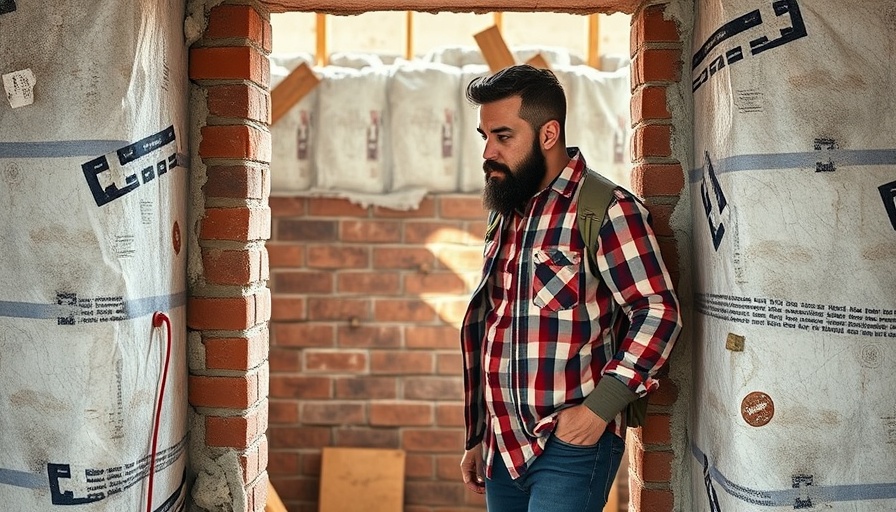
    Man examining construction materials near Passive House doors.

    The Allure of Passive House Design for Pets

    As the world increasingly shifts towards sustainable living, the concept of a Passive House—a structure designed to maximize energy efficiency—has captured the interest of homeowners and builders alike. But what happens when you introduce your furry friends into this eco-friendly equation? The integration of a Passive House door specifically designed for pets not only enhances energy efficiency but also ensures that our pets enjoy comfort and safety in a well-sealed environment.

    Why Choose a Passive House Door?

    Choosing a Passive House door for pets isn't merely about aesthetics; it’s a practical decision that intertwines design with function. These doors are built to prevent air leakage while providing easy access for your pets. Unlike traditional doors that may allow undesirable air flow, a Passive House door utilizes insulation and specifically designed sealing to maintain the internal temperature of your home. This means lower energy bills for homeowners while keeping pets comfortable throughout the seasons.

    Considerations for Pet-Friendly Passive Houses

    Implementing a pet door design within a Passive House requires thoughtful consideration. Factors such as size, sealing capability, and location of the door must be taken into account. Opting for a specialized Passive House door ensures adequate space for pets to maneuver without compromising on thermal efficiency. For instance, a well-insulated pet door can seamlessly allow your pet in and out while preserving the integrity of your home’s energy performance.

    Challenges When Incorporating Pet Doors

    While the benefits of Passive House doors for pets are evident, some challenges do exist. Homeowners need to balance energy efficiency with practicality. The initial costs of specialized doors can be higher than traditional options. However, the long-term savings on energy bills often outweigh these upfront expenses. Additionally, choosing the wrong style or size could result in reduced effectiveness of the door, impacting both your pet’s comfort and the energy efficiency of your home.

    Exploring Innovative Solutions

    Innovative solutions are emerging to tackle the challenges of pet doors in Passive Houses. Options include electronic pet doors that operate on timers, ensuring they only open when needed, thus minimizing energy loss. Furthermore, smart pet doors that can be programmed to respond to your pet’s microchip provide convenience while enhancing security. These advancements not only serve practical purposes but also reflect the evolving landscape of energy-efficient and pet-friendly design.

    Future Trends in Pet-Friendly Passive House Design

    Looking ahead, the demand for Passive House doors that accommodate pets is set to rise. With more families embracing sustainable living, the desire for solutions that harmonize environmental consciousness with pet care will grow. The future could see advancements in materials used for doors, making them even more energy-efficient while remaining accessible for pets. As technology continues to advance, we can anticipate new designs that incorporate feedback directly from homeowners and their pets, ensuring that these innovations reflect their needs and desires.

    Conclusion: Progressing Towards Sustainable Living

    The integration of pet-friendly design within the framework of Passive Houses symbolizes a broader shift towards sustainable living that accommodates all family members, including our pets. By choosing specialized doors, homeowners not only contribute to a healthier planet but also ensure their pets are comfortable and happy in an energy-efficient environment. As innovations in design and technology progress, the possibilities for enhancing the relationship between home sustainability and pet care will only expand, paving the way for a more harmony-centric approach to living.

    Home and Office Design

    20 Views

    0 Comments

    Write A Comment

    *
    *
    Please complete the captcha to submit your comment.
    Related Posts All Posts
    04.03.2026

    How to Design a Stiff Floor Under Your Bathtub for Stability

    Update Essential Considerations for Designing a Stiff Floor Under Bathtub When planning a bathroom renovation, especially involving bathtubs, one of the most critical aspects is ensuring that the floor can support the weight of these fixtures combined. With modern bathtubs weighing significantly more than traditional models due to their materials and design, understanding how to design a stiff floor becomes essential for long-term stability, comfort, and safety. The Weight is a Major Factor The weight of a bathtub—and more importantly, the weight it holds when filled with water and occupants—can easily exceed what typical residential flooring systems are designed to support. For example, a standard soaking tub can add anywhere from 800 to 1,500 lbs when filled, factoring in the weight of water and a person. This means homeowners must consider how their existing flooring systems will handle these loads. Reinforcement Techniques for Better Load Distribution Inadequate reinforcement is often the cause of structural issues after renovation. The focus should be on strategies such as adding sister joists alongside existing joists, using blocking to distribute the loads evenly, and considering a multi-layered subfloor system designed specifically for high-load areas. Techniques like reducing joist spacing from the standard 16 inches on center to 12 inches can markedly improve stiffness and maximize the load-bearing capacity of the floor. Understanding Subfloor Requirements for Stone Tiles Tiles, especially natural stone, require a significantly stiffer base than ceramic options. Most industry guidelines recommend using a double-layer subfloor system for environments where heavy tubs are installed, as this combination greatly reduces the risk of tiles cracking due to floor deflection. Opting for high-grade materials for the subfloor—such as 3/4" tongue-and-groove plywood followed by a half-inch underlayment—will ensure operational durability. Planning for Plumbing and Other Structural Considerations While reinforcing the floor, it’s crucial to plan for plumbing needs, ensuring pipes and other fixtures do not interfere with structural upgrades. Additionally, a thorough inspection of existing joists for wear, damage, or rot should be conducted prior to reinforcement. Cost Implications and Budgeting for Reinforcement While planning for reinforcement, budget should be a primary concern. The costs involved in reinforcement can vary widely depending on materials and labor required. It’s advisable to consult with a professional to estimate expenses accurately and anticipate potential additional costs, especially in older homes where more significant structural changes may be necessary. Check Local Codes and Regulations Compliance with local building codes and regulations when reinforcing floors is critical, especially for high-load installations. These guidelines ensure the safety and longevity of the renovation project. Designing a stiff floor under a bathtub is not merely a matter of aesthetics but fundamentally impacts the functional integrity of the home. Early planning, reinforced structures, and adherence to best practices will ultimately ensure a successful renovation that withstands the test of time.

    03.23.2026

    Essential Insights for Building Your Detached Pole Style Garage

    Update A Comprehensive Guide to Detached Pole Style Garages Building a detached pole style garage might seem straightforward, but there are numerous factors to consider to ensure its longevity and efficiency. With the surge in demand for additional space, understanding the vital components for constructing a durable, functional garage becomes paramount. Understanding the Basics A detached garage can serve various purposes - from vehicle storage to workshops or even guest quarters. The simplest form of a detached garage is the pole barn style, which is typically lower in cost, but it may present challenges in terms of insulation and structural integrity over time. It's essential to assess your immediate needs and potential future uses before diving into construction. Planning Your Garage: The Right Materials When considering materials for your garage project, the exterior wrapped with a quality house wrap—like Kimberly Clark—is a great start. This breathable and water-resistant layer prevents moisture accumulation, extending the life of the building's frame. As many builders recommend, securing corrugated steel sheets intelligently over this layer not only adds durability but also modern aesthetics. Moreover, it’s crucial to involve structural sheathing behind the house wrap. Although many contractors might skip this step, it's important to note that it plays a critical role in insulation and maintaining solid wall structures. Future insulation plans should also factor in the potential thickness of walls, as deciding on materials beforehand could save time and cost in the long run. Insulation Challenges and Recommendations One of the most discussed challenges regarding pole garages is future insulation. Many homeowners consider installing insulation down the line, especially in colder regions. It's essential to design the garage with enough space to accommodate insulation when the time comes. Experts suggest strategies like implementing a "smart" vapor barrier within the interior to regulate moisture effectively. Consultation with your builder about proper insulation solutions—such as using spray foam or double wall techniques—will enhance efficiency and ensure compliance with local codes. This foresight can save significant headache later on. Common Misconceptions and Practical Mistakes One prevailing myth in constructing a detached pole garage is that no proper insulation or airtight techniques are necessary since it’s just a garage. However, without adequate air sealing and insulation, moisture issues and heat loss can arise, leading to long-term damage both to the structure and your stored items. It's beneficial to view this construction as a long-term investment, understanding that taking shortcuts can lead to costly repairs. Expert Advice for Future Expansion If your future plans involve additional uses or expanding the garage, architecturally sound design is key. Proper framing that allows for potential expansion will save money and resources in the long run. Consult with your builder about leaving the garage's options open to morph into practical spaces like a workshop or even an office in the future. Conclusion: Build Smart, Choose Wisely Investing in a detached pole style garage can be incredibly beneficial, provided you consider your long-term goals. With the right materials, thoughtful design, and strategic planning, your garage can be a valuable addition to your property. Engage with knowledgeable builders who can provide insight tailored to your needs, ensuring your garage stands the test of time.

    03.20.2026

    Declutter Your Home: 99+ Things You Can Get Rid Of This Week

    Update A Fresh Start: The Power of Decluttering Thinking of spring cleaning already? Decluttering your space is essential for a clearer mind and a more peaceful home. It’s common to get overwhelmed by the influx of items in our homes. Many times, what starts off as a well-organized space can quickly turn into clutter. However, with just a little bit of commitment each week, it’s possible to clear out items that no longer serve a purpose. Imagine waking up to a home that feels lighter, and a space that encourages creativity and calmness! 99+ Items to Declutter This Week: A Detailed Look Here’s a useful list to help kick-start your decluttering journey. Remember, this process doesn’t have to be daunting. Tackle a few items each day and before long, you’ll feel the relief of a more organized home. In Your Bedroom Clothing: Donate clothes you haven’t worn in months; you’ll make space while helping others. Socks and Shoes: Let go of single socks and shoes that no longer fit. Jewelry: Recycle or sell pieces that you haven’t worn for over a year. Extra linens: Consider donating old or unused bed linens and pillows. In Your Kitchen Duplicate Items: Do you really need four wooden spoons? Keep the best and let the rest go. Expired Food: Check your pantry for expired spices and non-perishables. Old Cookbooks: If you’re only using one recipe, write it down and donate the book. Underused Appliances: Appliances like juicers that remain dormant should find a new home. In Your Bathroom Expired Medications: Dispose of medications that are past their shelf life. Old Makeup: Toss any makeup that’s seen better days or that you haven’t touched in months. Personal Care Items: Deadstock shampoos or half-used products? It’s time to let them go. Why Decluttering Matters Decluttering is more than just cleaning; it’s a mindful practice that enhances your mental well-being. A tidy space can lead to increased productivity and lower stress levels. Plus, donating items can feel rewarding, knowing you’re giving a second life to things you no longer use. Future Trends in Minimalism As people become more conscious of their consumer habits, decluttering will likely become a widespread movement. Minimalism is not just a trend; it’s a lifestyle change that encourages us to be intentional with our possessions. Imagine a world where people value experiences over things—a refreshing thought! Transform Your Space Today You don’t need to wait for spring to de-clutter your life. Start today! Begin with just a few items, feel the immediate benefits, and soon you’ll want to tackle more. Every little bit helps in creating a calmer home environment.

    Terms of Service

    Privacy Policy

    Core Modal Title

    Sorry, no results found

    You Might Find These Articles Interesting

    T
    Please Check Your Email
    We Will Be Following Up Shortly
    *
    *
    *






