• Facebook
    update
  • X
    update
  • YouTube
    update
  • Instagram
    update
  • update
  • YouTube
    update
  • Instagram
    update
Home Health Hub
update

Strategies to Improve and
Maintain Vibrant Health

Home Health Hub logo
update
  • Home
    • Categories
      • Regulation and Controls
      • Home and Office Design
      • Wellness Maintenance
      • Environmental Controls
      • Non-toxic Materials
      • Expert Interviews
      • Environmental Technology
    • Business Profiles
    September 28.2025
    2 Minutes Read

    Explore Optimal Insulation Options for Your Attic in a 1940s Cape Cod Home

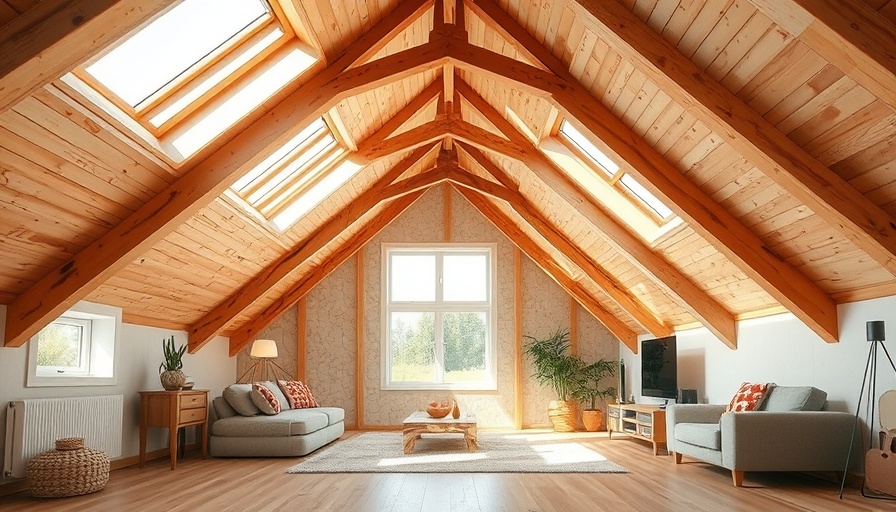
    Converted attic with insulation options, exposed beams, skylights.

    Understanding the Value of Insulation in Your 1940s Home

    Many homeowners with vintage houses, such as Cape Cods from the 1940s, are often faced with the dilemma of how to modernize their spaces while retaining historical integrity. One key area of focus is insulation, especially in converted attics, which can dramatically affect energy efficiency and comfort. Proper insulation is not just about comfort; it also plays a pivotal role in maintaining your home’s value and reducing utility bills.

    Why Insulation Matters for Energy Efficiency

    Old houses tend to have air leakage, which can lead to significant energy loss. Insulating a converted attic can mitigate this loss, making it essential for maintaining a steady indoor climate regardless of the weather outside. Additionally, with increasing energy costs, effective insulation can lead to considerable savings over time.

    Popular Insulation Options for Converted Attics

    When considering insulation for your converted attic, there are several options to explore:

    • Fiberglass Batts: This traditional insulation material is popular for its affordability and ease of installation.
    • Blown-in Insulation: This option is advantageous for filling irregular spaces and offers superior coverage in hard-to-reach areas.
    • Foam Board Insulation: Known for its high R-value, foam boards are great for maximizing thermal performance in limited spaces.

    Long-Term Considerations

    Choosing the right insulation while considering local climate conditions is crucial. A home in a cooler climate may require more insulation to maintain warmth compared to one in a milder setting. Furthermore, it is essential to consider moisture control when insulating attics, as trapped moisture can lead to mold and structural damage.

    Seeking Expert Advice

    Before making significant changes, consult with building experts or energy auditors who can provide tailored recommendations based on your attic’s specific conditions. They can help you understand your options better and guide you on how to achieve a balance between energy efficiency and cost.

    Upgrading insulation in older homes is more than just an improvement; it's an investment in your property's future. If you're looking to enhance your home's energy efficiency, specially in a converted attic, weigh the benefits of insulation options carefully.

    Environmental Technology

    10 Views

    0 Comments

    Write A Comment

    *
    *
    Please complete the captcha to submit your comment.
    Related Posts All Posts
    05.17.2026

    Airports With the Most Dangerous Landings: What Travelers Need to Know

    Update A Closer Look at the World's Most Dangerous Airport Landings If you've ever experienced turbulence on a flight, you might have found yourself gripping the armrests a little tighter. But what about when the landing itself feels like an adventure? In the video titled Airports With the Most Dangerous Landings, viewers are taken on a thrilling ride through some of the most treacherous landing sites around the globe. These airports aren’t just about aesthetics; they're about navigating unique challenges that test the skills of every pilot.In the video Airports With the Most Dangerous Landings, the discussion dives into the challenges faced by pilots at treacherous airports, exploring critical insights that sparked deeper analysis on our end. Understanding the Risks Behind Challenging Airports Airports like those in Paro, Bhutan or Lukla, Nepal are infamous among aviation enthusiasts. What makes them so dangerous? Each of these locations is surrounded by rugged mountains, monsoon weather, or limited runway space, making landings a highly skilled endeavor. Pilots have to contend with extreme weather changes and geographical obstacles, which requires exceptional training and expertise. The Human Element in Aviation Safety Every risky landing isn't just a matter of geography; human skill and experience play a massive role. Each pilot must undergo rigorous training to handle these unpredictable environments. In the video, this human element is the key theme—highlighting not only the challenges pilots face but also their incredible capacity for resilience and perseverance. Anecdotes from the Cockpit: Personal Stories from Pilots Sharing personal stories, pilots who have navigated these perilous airports shed light on their experiences. One pilot recalls a harrowing descent into Lukla where strong crosswinds threatened to send the plane off course. Yet, through instinct and training, the pilot expertly aligned the plane with the runway, all while ensuring passengers remained calm. These real-life anecdotes remind us of the delicate balance between the beautiful thrill of travel and the precision required for safe landings. Why You Should Know About these Airports Understanding the challenges of these airports enriches the traveling experience. It fosters a deeper appreciation for the pilots and crew who ensure passenger safety—even in the most daunting situations. This knowledge also encourages travelers to research their destinations, understanding that sometimes, a little trepidation can be part of a spectacular journey. Potential for Aviation Innovations Just as these airports highlight challenges, they also present opportunities for technological advancements in aviation. Enhanced automated landing systems, improved weather forecasting technology, and new navigational aids could help mitigate risks. Informed travelers can advocate for these innovations by expressing their interest in safer and more efficient travel experiences. The Future of Air Travel: Trends in Airport Infrastructure As air travel continues to increase, the need for safer airports becomes paramount. The future could see more effort directed toward airport infrastructure redesign, placement of additional safety systems, and improved pilot training programs geared towards these unique environments. Getting Involved: Advocacy for Safer Air Travel Travelers can engage by advocating for better airport safety measures that prioritize both technology and training. This collective voice can encourage lawmakers and aviation authorities to fund safety research and improve airport infrastructures across the globe. Final Thoughts: An Invitation to Explore Safely Exploring the intricacies of dangerous landings not only educates us on the aviation sector but also offers stories of heroism and expertise. In the grand tapestry of travel, we learn to appreciate the pilots who navigate these challenging conditions. So, the next time your plane dips and sways, remember the brave crew behind the controls. Now that you're equipped with insights into the world's most dangerous airports, consider journeying somewhere new! Embrace the thrill of travel and the valuable experiences that await. Remember to advocate for safer travel practices while enjoying every takeoff and landing.

    05.18.2026

    Achieving R-40 Walls: Innovative Techniques for Effective Insulation

    Update Understanding R-Values and Their Importance In the world of construction and insulation, R-values are essential. They measure a material's ability to resist heat transfer, making buildings more energy-efficient. A high R-value translates to less energy consumption, which is critical as we aim for sustainability in home construction. An R-40 wall significantly reduces heating and cooling costs, making it popular in regions with extreme temperatures. Pursuing R-40 Walls: How to Achieve It Building a wall that achieves R-40 isn’t merely about stuffing insulation into wall cavities. Techniques such as staggered stud walls and double-wall systems help mitigate thermal bridging—the phenomenon where materials allow heat to bypass insulation. For instance, staggered studs can reduce thermal bridges by utilizing a double layer of vertical studs, allowing more space for insulation. This method has shown impressive results, often yielding R-values exceeding the standard walls. Innovative Approaches for Increased R-Value As traditional construction techniques face limitations, newer materials and methods offer promising alternatives. Insulated concrete forms (ICFs) represent a cutting-edge solution. ICFs combine insulation with concrete to create a robust barrier. The design provides thermal mass while maintaining high insulation values, often equal to or greater than R-24, effortlessly exceeding conventional methods. By minimizing thermal bridging and maximizing energy efficiency, ICFs make a compelling case for modern construction. Considerations for Energy-Efficient Designs While achieving an R-40 rating may seem daunting, considering factors such as air sealing is crucial. A well-insulated wall can still perform poorly if air leaks compromise the insulation's effectiveness. The concept of air sealing involves thoroughly sealing all potential leaks that may allow conditioned air to escape. This approach not only enhances the wall's performance but also contributes to better indoor air quality and overall comfort. Expert Insights: Building for a Sustainable Future Experts recommend combining R-value targets with practical insights for construction. Understanding how building materials perform under various environmental conditions can guide better decision-making. For instance, using closed-cell spray foam in certain applications, although less environmentally friendly, yields significant insulation benefits. It's crucial to balance eco-friendliness with effective thermal performance. What Lies Ahead: Future Trends in Wall Insulation As building science continues to evolve, we can expect further innovations in wall construction methods that not only achieve high R-values but do so sustainably. Technologies like energy modeling may provide insights into the long-term efficiency of various insulation strategies, encouraging builders to prioritize solutions that offer both immediate benefits and future savings. Whether you are a builder contemplating walls that reach R-40 or a homeowner exploring your options, understanding these various methods is the first step toward making informed decisions.

    05.18.2026

    Unveiling the Benefits of Passive Home HVAC Design for Energy Savings

    Update Why Passive Home HVAC Systems Are the Future of Energy Efficiency As the world shifts towards sustainable living, passive homes have emerged as a beacon of energy efficiency. These homes utilize innovative design principles that significantly reduce energy consumption while maintaining comfort. The 'Passive House' standard was developed in Germany, demanding a remarkable 60-70% reduction in overall energy use and a staggering 90% cut in heating usage compared to traditional homes. This transformation isn't just theoretical; over 30,000 passive homes across Europe demonstrate the feasibility of such eco-friendly designs. Understanding the Role of Ductless Heating and Cooling Many homeowners are incorporating ductless heating and cooling systems as part of their passive home designs. These systems not only meet the stringent efficiency requirements necessary to qualify as passive but also enhance comfort. For example, Catherine O’Neill, a resident of California's first Certified Passive House™, enjoys monthly heating and cooling bills that average between $15-$20. The key benefits of these ductless systems include: Energy Efficiency: Ductless systems can utilize up to 80% less energy compared to traditional systems, adapting to real-time temperature needs without waste. Quiet Operation: Often quieter than whisper levels, ductless systems contribute to the serene environment of passive homes. Nonintrusive Design: These systems can be seamlessly integrated into the home’s aesthetic, ensuring that energy efficiency does not compromise visual appeal. Customizing HVAC Designs to Warm Climates As the adoption of passive houses spreads to warmer climates, it's essential to adjust HVAC strategies to meet local cooling demands. Traditional passive house design focuses predominantly on heating; however, by diversifying strategies such as utilizing cold air distribution systems (CAD), homes can achieve adequate cooling through well-ventilated air supply. Less reliance on conventional cooling strategies allows these homes to remain energy-efficient even in higher temperatures. The Importance of Proper Installation and Design To ensure that passive homes perform at their best, proper installation is paramount. Research indicates that inefficient installations can lead to condensation issues, occupant discomfort, and increased risk of mold growth. Aspects such as: Duct Insulation: Ensuring duct networks are well-insulated to prevent heat gain. Diffuser Selection: Choosing the right air diffusers can optimize air mixing and ensure comfort without cold drafts. Supply Air Velocity: Maintaining optimal air velocities prevents discomfort and enhances air distribution. The Path Forward: Funding and Future Integration The journey to implementing advanced HVAC systems in passive houses is supported by funding initiatives like the Housing Supply Challenge in Canada. These grants aim to tackle barriers in housing supply and bring innovative solutions to the residential market. The ongoing research and experiments by teams like Peel Passive House Consulting showcase that with continued support and development, residential heating and cooling systems can achieve not just comfort but exemplary efficiency standards. Conclusion: Embracing Passive Home Technology For those looking to create homes that not only reduce their carbon footprints but also save money in the long run, understanding the implementation of passive house standards and the integration of efficient HVAC systems is key. Moving forward, as technology advances, so does the potential for passive homes, transforming the way we think about energy consumption in residential buildings.

    Terms of Service

    Privacy Policy

    Core Modal Title

    Sorry, no results found

    You Might Find These Articles Interesting

    T
    Please Check Your Email
    We Will Be Following Up Shortly
    *
    *
    *