Add Row
Add Element
  • Facebook
    update
  • X
    update
  • YouTube
    update
  • Instagram
    update
  • update
  • YouTube
    update
  • Instagram
    update
Add Element
Home Health Hub
update

Strategies to Improve and
Maintain Vibrant Health

Home Health Hub logo
update
Add Element
  • Home
    • Categories
      • Regulation and Controls
      • Home and Office Design
      • Wellness Maintenance
      • Environmental Controls
      • Non-toxic Materials
      • Expert Interviews
      • Environmental Technology
    • Business Profiles
    January 20.2025
    2 Minutes Read

    Why Zero VOC Thread Sealant is Key for Eco-Friendly Construction

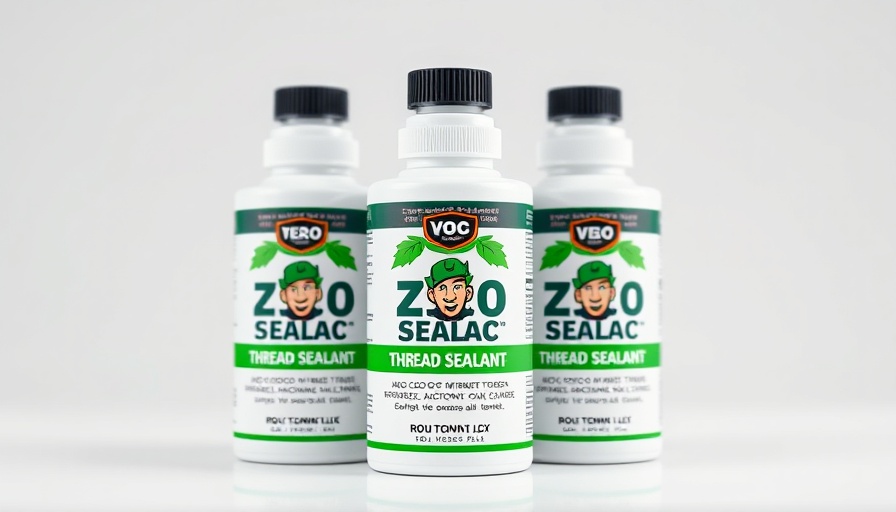
    Three Zero VOC thread sealant bottles with green labels.


    Eco-Friendly Innovations: The Rise of Zero VOC Products

    In a world increasingly aware of the environmental impacts of consumer products, innovations like Blue Monster® ZERO® thread sealant are paving the way for a greener future. This industrial-strength sealant is not just any adhesive; it boasts an impressive eco-friendly profile, being free from volatile organic compounds (VOCs), perfluorooctanoic acid (PFOA), and lead. Such advancements reflect a growing trend towards safer, more sustainable building materials that cater to the health and safety of both consumers and the planet.

    Transforming Building Practices with Zero VOCs

    Traditional thread sealants often contain harmful chemicals that can contribute to air pollution and health risks. By opting for products like Blue Monster® ZERO®, builders and contractors are making substantial contributions to improving indoor air quality. This is particularly critical in tightly sealed modern buildings, where the potential for air contaminants can escalate without proper precautions. Zero VOC products not only enhance safety but also support the increasing demand for sustainable construction practices.

    The Importance of Sustainable Building Materials

    The construction industry is under pressure to adopt more sustainable materials. Choices like zero VOC thread sealants highlight a shift towards consciousness in sourcing and manufacturing practices. As regulations surrounding hazardous materials tighten, professionals in the construction sector must embrace these innovations to maintain compliance while meeting their clients’ expectations for healthier living environments. Ultimately, the adoption of such materials signals a commitment to building a better future.

    Conclusion: A Step Towards Greener Construction

    The decision to use eco-friendly products like Blue Monster® ZERO® is an important step for individuals and companies committed to sustainability. As awareness of environmental issues grows, the demand for safer, sustainable building materials will only increase. The transition to green products is not just beneficial for the planet but also offers significant advantages for public health, making it a vital consideration for modern construction practices.


    Non-toxic Materials

    18 Views

    0 Comments

    Write A Comment

    *
    *
    Related Posts All Posts
    03.11.2026

    Exploring the Risks of Smart Buildings and Essential Cybersecurity Standards

    Update Understanding the Cybersecurity Landscape of Smart BuildingsIn the era of technological advancement, smart buildings are rapidly becoming the norm. With the integration of AI-driven systems facilitating energy management, security, and operational efficiency, building owners must also navigate the significant cybersecurity challenges these systems introduce. A recent discussion highlights that as smart technologies take hold in the built environment, the opportunities are accompanied by heightened risks and vulnerabilities.The Price of ConnectivityWhile smart systems promise enhanced performance and sustainability, connectivity—crucial for their functionality—opens doors to potential cyberattacks. Research indicates that nearly 87% of property management leaders plan to invest further in smart technologies, yet a staggering 44% of these installations lack adequate security measures. Cyber incidents affected over 11,000 commercial buildings recently, signaling a pressing need for vigilance.Collaboration is Key: Bridging IT and OTThe merging of Operational Technology (OT) and Information Technology (IT) is critical in securing smart buildings. A collaborative approach can mitigate the risks that arise when cybersecurity becomes siloed. By fostering teamwork between facilities management and IT departments, stakeholders can create robust security layers through proper network design and regular system updates. Such synergistic measures not only clarify responsibilities during security incidents but also leverage collective knowledge to enhance protocols against emerging threats.Best Practices for Cybersecurity in Smart BuildingsThere are several practices stakeholders can adopt to shield smart buildings from cyber threats. These include implementing secure network designs, performing timely system updates, and establishing stringent credential management. Additionally, organizations need to prioritize a thorough inventory of connected devices and ensure the regular review of default credentials. Accepting that not all risks can be avoided, preparedness will place building managers in a position to respond effectively to incidents, transforming potential vulnerabilities into managed risks.Legislative Trends and Future ConsiderationsRegulatory frameworks will continue to evolve concerning the cybersecurity aspects of smart buildings. Compliance with legislation from the National Institute of Standards and Technology and attention to international data privacy laws is essential. Property managers are urged to seek reliable partnerships with vendors offering comprehensive cybersecurity services, including ongoing risk assessments and updates. The lessons learned from recent cyber incidents in commercial spaces emphasize that remaining proactive is essential for mitigating threats in an increasingly connected world.

    02.14.2026

    How Mass Timber is Transforming Sustainable Construction and Carbon Footprints

    Update Mass Timber’s Promising Future in Sustainable Construction As the world grapples with the urgent need to reduce carbon emissions, mass timber emerges as a groundbreaking solution in the construction industry. Unlike traditional materials like steel and concrete—which are known for their high embodied carbon emissions—mass timber offers a sustainable alternative that supports global decarbonization efforts. Engineered wood products like cross-laminated timber (CLT) and glued-laminated timber (glulam) not only minimize construction waste but also significantly lower carbon footprints, making them increasingly popular strategies among eco-conscious builders and architects. The Rise of Mass Timber Over the last decade, mass timber has transformed from a niche product to a mainstream option. Enhanced by updates to building codes that now allow for taller wooden structures, the appeal of mass timber has rocketed. Notably, projects like the 25-story Ascent in Milwaukee illustrate that high-rise buildings made of wood are no longer just a dream—they are a burgeoning reality. According to Turner & Townsend, the projected growth of global mass timber construction is substantial, estimating that the sector will balloon in market size from $1.1 billion in 2021 to $2.5 billion by 2027, showcasing a shift in how architects and clients perceive wooden structures. Contributing to Net-Zero Targets As construction accounts for nearly 50% of annual global CO2 emissions, both operational and embodied carbon must be addressed to combat climate change. Innovations in the mass timber market demonstrate the material’s ability to store carbon rather than release it. By surpassing operational efficiencies, mass timber could help the industry achieve ambitious net-zero targets ahead of schedule. Research reveals that mass timber construction produces up to 50% less embodied carbon compared to steel, which underlines its crucial role in combating climate change. Architectural Innovation Meets Building Efficiency Mass timber does not just reduce carbon; it opens doors for innovative architectural designs. The aesthetic appeal of wood combined with its structural capabilities gives architects the flexibility to create functional and beautiful spaces. Moreover, the prefabrication nature of mass timber means faster assembly times on-site, allowing projects to be completed more quickly than traditional constructions. This not only saves time but can also lead to significant cost benefits. Looking Ahead: Mass Timber as the Solution In conclusion, the future of construction is increasingly leaning toward mass timber. It stands at the forefront of the race to eliminate the carbon footprints of buildings not merely as a choice, but as a necessity for future developments. With its unique combination of environmental benefits, aesthetic versatility, and adaptive qualities, mass timber is truly a transformative force in the quest for sustainability in the built environment.

    09.05.2025

    Mastering Modern Window Sash Repair: A Sustainable Approach

    Update Understanding the Importance of Modern Window Sash Repair In a world increasingly aware of sustainable practices, repairing rather than replacing components of our homes has become a hallmark of both environmental consciousness and economic practicality. Modern window sashes, which can dramatically influence both the aesthetics and energy efficiency of buildings, are often among the most frequented areas needing attention. Instead of condemning these functional yet frequently neglected items to obsolescence, homeowners and builders alike can take advantage of innovative techniques aimed at revitalizing these structures. The Anatomy of a Modern Window Before delving into repair methods, it's essential to understand what constitutes a modern window sash. Typically, these structures include the frame that holds the glass in place and the use of diverse materials like vinyl, wood, and aluminum. Each material presents its own unique set of challenges when it comes to repairs. For instance, vinyl might not warp in the same way wood does, but it can be difficult to paint or alter once damaged. Wood, while aesthetically pleasing and traditional, can suffer from weather-related wear, leading to rot or warping. Identifying the core materials used is the first step towards a successful repair. Common Issues with Modern Sashes Among the typical problems faced by window sashes include air leaks, rot (in the case of wooden sashes), and fogged glass due to seal failure. Addressing these issues can significantly enhance a building's energy efficiency, reduce overall costs, and improve indoor comfort. Sealing air leaks, for example, not only keeps heated or cooled air inside but also contributes to the longevity of the window's physical structure. Repair Techniques: A Hands-On Guide Repairing window sashes may sound daunting, but with the proper techniques and tools, it can be an empowering DIY project. Basic repairs often include: Cleaning and maintaining the glazing: Carefully scrape old paint and debris from the glazing point can restore clarity and functionality. Replacing broken glass: This requires careful measurement and cutting to fit the new glass into the existing frame properly. Reinforcing the frame: If rot has set in, replace the affected areas with durable wood fillers or patches where applicable. Weather stripping: Install new weather stripping to enhance insulation. Equipped with these techniques, homeowners can keep their window sashes in excellent working order. Benefits of Repairing Over Replacing Beyond the immediate effects on aesthetics and energy efficiency, repairing window sashes contributes to broader environmental goals. Each repair reduces waste and resource consumption, exemplifying a commitment to sustainable living. In addition, from a financial perspective, repairs often require lower initial investment contrasted against the cost of new windows. Looking Ahead: Innovations in Window Repair As technology advances, new materials like double-glazed glass and energy-efficient coatings are becoming the norm, making repairs even more impactful. Innovations in glazing techniques are leading to increased durability, reducing the frequency at which replacements are needed and facilitating easier repairs. Homeowners should stay informed about these innovations as they enter discussions about the future of their home's windows. Final Thoughts Ultimately, the importance of maintaining and repairing modern window sashes cannot be overstated. By understanding the components, identifying common issues, and employing proper repair techniques, not only can homeowners enhance their living spaces, but they can contribute positively to a sustainable future. Whether you consider yourself an avid DIY enthusiast or simply someone looking to preserve the value and comfort of your abode, embarking on the journey of window sash repair promises a rewarding experience.

    Terms of Service

    Privacy Policy

    Core Modal Title

    Sorry, no results found

    You Might Find These Articles Interesting

    T
    Please Check Your Email
    We Will Be Following Up Shortly
    *
    *
    *