• Facebook
    update
  • X
    update
  • YouTube
    update
  • Instagram
    update
  • update
  • YouTube
    update
  • Instagram
    update
Home Health Hub
update

Strategies to Improve and
Maintain Vibrant Health

Home Health Hub logo
update
  • Home
    • Categories
      • Regulation and Controls
      • Home and Office Design
      • Wellness Maintenance
      • Environmental Controls
      • Non-toxic Materials
      • Expert Interviews
      • Environmental Technology
    • Business Profiles
    January 24.2025
    2 Minutes Read

    White Bear Lake High School: Uniting Students and Embracing Sustainability

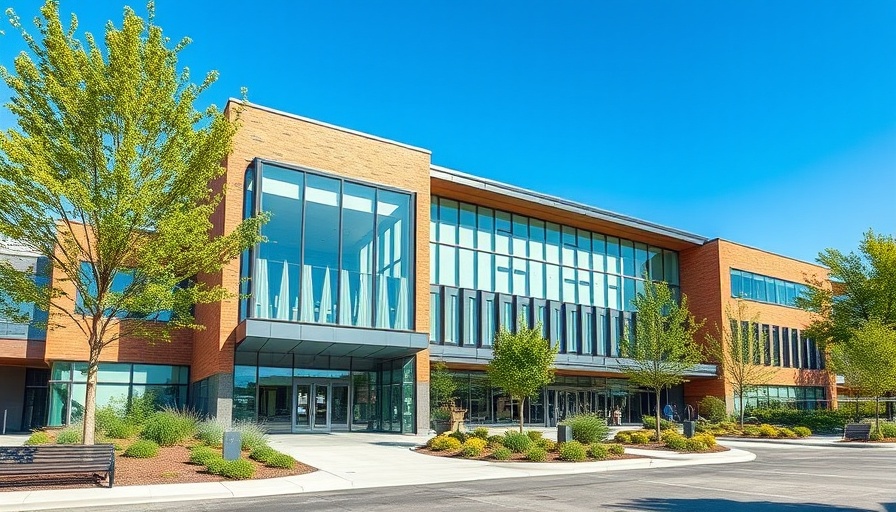
    Sustainable school building with modern eco-friendly design.

    A New Era of Learning: Unifying Students and Sustainability

    White Bear Lake High School, recently expanded and modernized, serves as a beacon of the future of education in Minnesota. With its comprehensive planning and innovative design, this state-of-the-art facility unites students from all grades under one roof. The result? A shared sense of community that fosters collaboration and an enriched learning environment.

    The Vision Behind the Expansion

    For years, White Bear Lake High School was divided between two campuses, which posed challenges in student interaction and community engagement. This ambitious renovation project, totaling $326 million, was driven by a 90-member planning committee consisting of community members, students, and staff. Their collaborative efforts led to a final plan approved by local voters, bringing everyone together in a shared space that reflects collective community values.

    Innovative Learning Spaces

    The newly renovated building encompasses 285,000 square feet of remodeled space, with an additional 375,000 square feet of new construction. Designed to accommodate around 3,200 students, the school emphasizes the need for flexible learning environments. Learning Studios, equipped with movable furniture and open layouts, allow students to customize their educational experience, promoting engagement and innovation.

    Environmental Considerations in Modern Design

    Beyond academic advantages, sustainability is at the core of the school's new design. Incorporating eco-friendly materials and energy-efficient systems, the renovation sets a standard for schools nationwide. This commitment to environmental stewardship not only benefits students but also serves as a model for future educational facilities.

    Looking Towards the Future

    As Wayne Kazmierczak, the superintendent, eloquently stated, the newly unified campus is not just about physical changes—it’s about creating a supportive community for students. With these transformative upgrades, White Bear Lake High School prepares its students not just for today’s challenges, but for future opportunities in a rapidly evolving world.

    Non-toxic Materials

    97 Views

    0 Comments

    Write A Comment

    *
    *
    Please complete the captcha to submit your comment.
    Related Posts All Posts
    06.18.2026

    Why Architecture for Everyone is Shaping the Future at AIA26

    Update Architecture for Everyone: A New Standard at AIA26 As the architecture world converges for AIA26 in San Diego, one topic is dominating conversations: the idea that architecture should be accessible to all. The AIA, or American Institute of Architects, has declared this theme not only a rallying cry but a guiding principle for the industry. This year, the conference emphasizes inclusivity and methods to adapt design practices that meet the needs of diverse communities. A Shift Towards Inclusivity The essence of this year’s theme finds its roots in a growing recognition that effective architecture must serve more than its traditional function. Attendees will explore strategies that cater to various demographics, ensuring that public spaces serve everyone, regardless of age, ability, or socio-economic status. Discussions will range from innovative design practices to policy advocacy aimed at transforming public spaces into welcoming environments. Prominent Voices Leading the Charge During the conference, industry leaders will present case studies and forward-thinking insights. For example, sessions will highlight how design can address climate action while recognizing the pressing social issues faced by our communities. As professionals gather to share their experiences, participants will glean actionable insights on how to translate these principles into practice—building a future where architecture reflects and responds to the diverse tapestry of society. Looking Ahead: AIA27 and Beyond With AIA27 on the horizon in Philadelphia, there's a growing anticipation around how these conversations will evolve. The dialogue initiated at AIA26 is expected to set the stage for future engagements, calling for further proposals on how to integrate technology, sustainability practices, and community needs into tomorrow's architecture. The aim is clear: develop spaces that not only function effectively but also embody shared values of equity and inclusiveness. Though the challenges facing the architecture sector can seem daunting, the collective drive for change displayed at AIA26 promises to pave the way toward resilient, inclusive design in the years to come.

    06.02.2026

    Housing for All: The Vital Need for Affordable Sustainable Homes

    Update The Importance of Housing for All The concept of housing for all emphasizes the crucial need for affordable, sustainable homes that cater to different communities worldwide. As urban areas expand and populations grow, providing accessible housing becomes a challenge that intersects with economic stability, environmental health, and social equity. Sustainable housing solutions not only prioritize shelter but also reduce the environmental footprint and promote community wellness. Understanding Sustainable Housing Sustainable housing refers to homes designed, built, and maintained to minimize their environmental impact. This includes energy-efficient designs, water-saving features, and the use of sustainable building materials. For example, homes that incorporate solar panels, rainwater harvesting systems, and energy-efficient appliances address both energy conservation and cost-effectiveness, making them appealing to a wide range of customers. Why Accessibility Matters Accessibility in housing is vital to ensure that everyone, regardless of socioeconomic status, can secure a safe and healthy living environment. High housing costs lead to increased poverty levels, affecting individuals' health and well-being. By emphasizing affordable housing solutions, we can foster inclusive communities and curb the effects of socioeconomic disparity. Long-term Economic Benefits of Sustainable Housing Investing in sustainable housing not only conserves resources but also provides long-term economic advantages. For instance, energy-efficient homes generally incur lower utility costs, allowing residents to redirect their budgets toward other essential needs. Moreover, sustainable practices lead to healthier living spaces, which can reduce healthcare costs associated with poor air quality and unsafe living conditions. Future Directions for Housing Initiatives As climate change escalates, future housing policies must reflect an urgency for sustainability and inclusivity. Initiatives could include government incentives for green building practices, community engagement in planning, and technological integration for resource management. Emphasizing these strategies creates a roadmap toward resilient communities capable of adapting to environmental changes. Conclusion: A Call for Collaborative Action For housing to be a basic human right, stakeholders—including developers, policymakers, and the community—must collaborate and innovate continually. By prioritizing sustainable, affordable housing solutions, we play a significant role in securing a better future for generations to come. Let's advocate for policies that reflect our commitment to inclusivity and sustainability in the housing sector.

    05.22.2026

    Why Nontoxic Sports Bras Are Crucial for Your Health in 2026

    Update Understanding the Rising Demand for Nontoxic Sports Bras As the awareness around health and sustainability grows, more consumers are questioning what materials are touching their skin during workouts. Nontoxic sports bras have surged in popularity, particularly among women who are concerned about the potential harmful effects of chemicals found in traditional athletic wear. PFAS, or perfluoroalkyl substances, notorious for their persistence in the environment and the human body, have become a rallying point for those advocating for safer clothing options. These are the same chemicals that consumers are often unaware of, lurking in many sports bras and causing concern about long-term health effects. The Benefits and Limitations of Organic Materials Organic cotton remains at the forefront of the nontoxic sports bra discussion. This natural fabric not only avoids harmful pesticides but also provides breathability, making it an excellent option for physical activity. Natural fibers like bamboo and wool are gaining traction as alternatives that offer anti-microbial properties and temperature control. However, as several reviewers indicated, these organic options often fall short in support during high-intensity workouts, particularly for women with larger bust sizes. It’s essential to find a balance between comfort and function—a concern emphasized by users who’ve transitioned from traditional brands to nontoxic alternatives. Is Mainstream Activewear Bad for Your Health? For those transitioning to nontoxic options, the transition can be daunting. Many popular brands made from synthetic materials like polyester provide structural support for intense activities but come with their own baggage—microplastics and petroleum-based chemicals that can leach into the skin. Shocking studies have revealed that mainstream sports bras can contain chemical levels significantly higher than standards considered safe. This revelation has left consumers reconsidering their choices and seeking safer alternatives. Consumer Insights: What Are Women Looking For? Women are voicing their demands when it comes to nontoxic bras, emphasizing the need for effective support coupled with comfort. As surveyed on forums, key questions emerge regarding features like nursing accessibility, adjustable straps for varying sizes, and options that cater specifically to postpartum needs. The quest doesn’t stop at functionality; affordability remains a crucial deciding factor, pushing brands to find a balance between eco-responsibility and economic feasibility. As discussed in various communities, many women seek bras that maintain integrity through exercise without compromising their health. A notable point raised is the desire for brands that genuinely support larger cup sizes while adhering to nontoxic standards. While some brands have made notable strides, many larger cup options often fall short of delivering both performance and safety. How to Choose the Right Nontoxic Sports Bra for You When selecting a nontoxic sports bra, look for certifications such as GOTS and OEKO-TEX, which indicate safety standards in the production of the fabric. These certifications guarantee the absence of harmful chemicals and sustainable production practices. Balancing comfort and support requires choosing the right bra based on the activity level; for instance, lighter activities may require different support than high-impact exercises like running or jumping. Many women find that layering options can help them achieve the desired level of support without sacrificing their health. Ultimately, choosing a nontoxic sports bra isn't just a trend; it's a commitment towards better health and wellbeing while working out. As brands adapt to meet these rising consumer demands, it becomes increasingly evident that the landscape of athletic wear is poised for a significant shift towards sustainability and safety. If you're considering making a switch to nontoxic sports bras but unsure where to start, take a moment to explore the collections from brands dedicated to ethical manufacturing. Your health should be a priority, and it starts with what you wear.

    Terms of Service

    Privacy Policy

    Core Modal Title

    Sorry, no results found

    You Might Find These Articles Interesting

    T
    Please Check Your Email
    We Will Be Following Up Shortly
    *
    *
    *