• Facebook
  • X
  • YouTube
  • Instagram
  • YouTube
  • Instagram
Home Health Hub

Strategies to Improve and
Maintain Vibrant Health

Home Health Hub logo
  • Home
    • Categories
      • Regulation and Controls
      • Home and Office Design
      • Wellness Maintenance
      • Environmental Controls
      • Non-toxic Materials
      • Expert Interviews
      • Environmental Technology
    • Business Profiles
    September 08.2025
    2 Minutes Read

    Upgrade Your Old Exterior 2×4 Wall: Techniques for Better Insulation

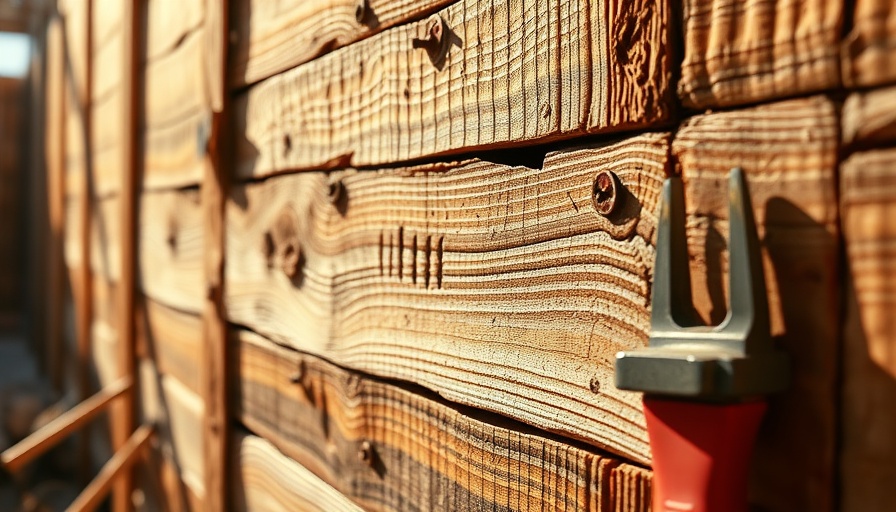
    Sunlit old 2x4 wall ready for upgrade.

    Understanding the Challenges of Upgrading a 2x4 Wall

    When faced with the necessity of upgrading an old exterior 2×4 wall, many homeowners might feel overwhelmed. The structural integrity and insulation effectiveness of walls are key considerations that significantly impact energy efficiency. As building standards evolve, so do the options for enhancing existing structures. This article explores innovative methods to efficiently upgrade old 2×4 walls, ensuring not only enhanced performance but also compliance with current environmental standards.

    Key Upgrading Strategies to Consider

    One effective strategy for updating an old 2×4 exterior wall is to insulate the space better. By adding rigid foam insulation on the exterior of the existing wall, homeowners can significantly improve thermal performance. This method not only enhances insulation but also protects against moisture, creating a robust barrier against heat loss. As highlighted by experts in the field, using non-toxic materials for insulation can further mitigate environmental impact, making the project greener and safer.

    Understanding the Benefits of Upgrading

    The benefits gained from upgrading old walls extend beyond energy efficiency. Improved insulation leads to lower utility bills, which is a significant advantage for homeowners concerned about ongoing costs. Furthermore, enhanced wall systems can improve indoor air quality, contributing to overall wellness in living spaces. Incorporating environmentally friendly materials aligns with modern values for sustainability and health, making the upgrade not only a financial investment but also a moral one.

    Addressing Potential Obstacles

    While upgrading is highly beneficial, there are practical challenges. One common issue is the potential for existing wall damage that may not be visible during initial assessments. Homeowners are encouraged to conduct thorough inspections or hire professionals, ensuring that any structural issues are addressed before proceeding with upgrades. Additionally, zoning regulations and building codes must be considered, as these can affect design choices and financial investment needed for the upgrade.

    Future Trends in Home Insulation and Building Materials

    Looking ahead, the trend towards high-performance materials will influence how homeowners approach wall upgrades. Emerging innovations in sustainable building materials promise to enhance insulation properties while minimizing environmental impact. As technology continues to advance, new insulation materials that are both efficient and non-toxic are likely to become increasingly common, offering homeowners more options for environmentally responsible living spaces.

    Conclusion: The Value of Upgrading Your Walls

    In conclusion, upgrading an old exterior 2×4 wall can yield substantial benefits in both energy efficiency and indoor air quality. Emphasizing sustainable renovations not only improves living conditions but also supports environmental stewardship. Whether through strengthened insulation or non-toxic materials, homeowners have the opportunity to transform their homes into havens of comfort and sustainability. If you're considering an upgrade, now is the perfect time to explore all available options and make informed decisions that will benefit both you and the planet.

    Environmental Technology

    26 Views

    0 Comments

    Write A Comment

    *
    *
    Please complete the captcha to submit your comment.
    Related Posts All Posts
    08.29.2026

    How to Brief Restorative Interiors for Effective Wellness Spaces

    Update Understanding Restorative Interiors: Beyond AestheticsIn today’s fast-paced world, the concept of restorative interiors has gained prominence, particularly in developments centered around wellness. While many people often envision these spaces as simply tranquil havens filled with soothing decor, true restorative design goes much deeper. These interiors are crafted to not only please the eyes but also enhance mental well-being, facilitate social interaction, and encourage recovery. For stakeholders in residential, workplace, or hospitality sectors, a comprehensive brief that thoroughly outlines the intended function of these spaces is essential.The Importance of a Clear BriefThe term “restorative” is often thrown around, and as a result, its meaning can become ambiguous. Projects may refer to restorative spaces as quiet areas for recovery or wellness rooms for workplace personnel. However, if this term is only defined through aesthetic ambitions (e.g., “calm” or “natural”), the design may later miss the mark on functionality. To prevent disappointment, a strategic brief that lays out the purpose of a space before diving into its visual elements is necessary. Is the space meant to promote relaxation, foster social connections, or provide privacy? These critical questions guide the design, ensuring that the end result supports the intended user experience.Defining User ExperienceWhen designing restorative interiors, it is crucial to focus on the specific users and their potential states of mind. Different user groups will interact with a space based on their unique circumstances and needs, resulting in varied experiences. Financially, stakeholders ought to consider the day-to-day lives of potential users. For instance, a student lounge in a university setting will require a design that balances concentration and social interaction, while a wellness room in an office demands higher privacy and calmness. Identifying user profiles helps create a more tailored space that resonates with its occupants.Practical Steps for DevelopersTo successfully create restorative interiors, developers should initiate the design process with these clear steps:Identify the users and understand their expected emotional states upon entering the space.Clarify the primary objectives of the interior, such as whether it aims to enhance calmness, promote focus, or support socialization.Utilize materials and designs that align with these objectives, ensuring they fit the intended experience.Keep open lines of communication with the design team to ensure that everyone is on the same page regarding the expectations for each space.Conclusion: Reimagining Interior SpacesThe design of restorative interiors signifies a paradigm shift in how modern spaces are conceptualized. By placing a firm emphasis on user experience rather than solely aesthetics, developers and designers can create environments that genuinely support mental well-being and emotional connection. For architects and designers looking to take their work beyond mere visuals, employing these insights into the process will foster spaces that enhance wellness in challenging environments.

    08.27.2026

    Maximizing Daylight in Design: How Biophilic Principles Fuel Wellness and Sustainability

    Update Transforming Spaces: The Role of Natural Daylight in Architecture The design landscape is shifting as architects and facility managers increasingly focus on how buildings impact the well-being of their occupants. A notable example is the new Marion Fire Station No. 1 in Marion, Iowa, an innovative facility by OPN Architects that exemplifies the principles of biophilic design. This approach emphasizes a harmonious relationship between humanity and nature, enhancing wellness while prioritizing sustainable building practices. Benefits of Biophilic Design Biophilic design is not merely a trend; it is grounded in research that links our surroundings to our mental and physical health. The Journal of Clinical Sleep Medicine found that workers with access to natural daylight reported improved sleep quality—extending their nightly rest by an average of 37 minutes. This restorative effect on sleep underlines the importance of integrating natural light into the buildings where people spend significant time. Quality Over Quantity: Balancing Daylight's Benefits While maximizing sunlight may seem appealing, it is crucial to ensure quality in daylighting. Excessive direct sunlight can create glare and excessive heat, which can detract from comfort levels and undermine productivity. The U.S. Department of Energy advises that effectively designed daylighting can lower energy consumption in commercial buildings, which is paramount as we tackle sustainable practices. Designing for Wellness: A Case Study Marion Fire Station No. 1 strikes a balance between aesthetic appeal and functional wellness. The design incorporates large windows that not only flood the space with natural light but also provide views of the outdoors. Such visuals serve as mental stimulation and visual relief, enhancing employee morale and creativity while working in a demanding environment. By focusing on health-centric design, this facility stands as a benchmark, especially for professions like firefighting, where mental health is critically important. Taking Sustainability Further When implementing biophilic design, it is essential to go beyond just adding windows. Architects must consider the location and orientation of these windows, as well as the materials used in construction, to optimize energy efficiency and reduce environmental impact. This kind of thoughtful planning is what distinguishes high-performance buildings from the rest and sets a new standard in architectural practices. Future Forward: Trends in Wellness and Sustainability in Design As more organizations recognize the importance of wellness in workplace design, biophilic strategies will likely become a standard practice rather than an exception. This shift could lead to broader acceptance and incorporation of eco-friendly materials and designs, pushing more industries to adopt sustainable practices as both a goal and a responsibility. In conclusion, as we move towards a future where buildings not only serve their functional purpose but also elevate the human experience, the principles of biophilic design—especially the strategic use of natural daylight—will play a pivotal role in shaping more responsive, healthful environments. As you explore renovation or new design projects, consider these insights to truly harness the potential of your spaces and foster both wellness and sustainability.

    08.26.2026

    Eureka's Sustainable Lighting Solutions: The Future of Energy-Efficient Illumination

    Update Innovative Solutions in Sustainable Lighting Sustainable lighting is not just a trend; it's a necessity for a greener future. Companies like Eureka are leading the charge in developing lighting solutions that not only illuminate spaces but also reduce energy consumption and enhance the overall aesthetics of environments. This transition to sustainable lighting reflects a larger movement toward environmental consciousness. Understanding the Impact of Sustainable Lighting The importance of sustainable lighting extends beyond just energy savings. Innovative products from Eureka aim to minimize carbon footprints while providing high-quality lighting. These solutions utilize LED technology, which not only uses significantly less power than traditional lighting but also lasts longer, reducing waste and maintenance efforts. The Tech Behind Sustainable Solutions At the core of Eureka’s advancements lies sophisticated technology that employs smart systems. These systems adapt to environmental changes—dimming or brightening based on occupancy and natural light levels. This approach not only enhances user experience but also contributes to energy conservation. Benefits Beyond Illumination Implementing sustainable lighting solutions like those offered by Eureka results in numerous benefits. Facilities can experience financial savings from lower energy bills and reduced maintenance costs. Additionally, these solutions improve employee satisfaction and productivity in office spaces by creating a more comfortable and aesthetically pleasing environment. A Look into the Future of Lighting The future of lighting technology will undoubtedly shift towards more sustainable methods. As innovation continues, we can expect to see further advancements in energy efficiency, integration with smart buildings, and the use of non-toxic materials that promote wellness in living and working environments. This shift not only addresses climate concerns but also represents a new standard in design and functionality. Conclusion: The Call for Sustainable Practices As energy demands rise, the need for sustainable lighting solutions has never been more critical. Companies like Eureka stand at the forefront of this revolution, proving that sustainable choices are both feasible and economically beneficial. With continued innovation and a commitment to environmental responsibility, the future of lighting looks bright - and green.

    HomeHealthHub.net

    Professional Wellness Design and Maintenance  for Residential & Commercial Spaces, brought to you by Team Local Marketing.

    • Facebook
    • X
    • Youtube
    • Instagram
    Team Resources
    SEO Strategies
    Social Media
    Business Strategies

    By Appointment

    AVAILABLE FROM 8AM - 5PM


    239 S Landing Dr, Milford, DE

    ABOUT US

    HomeHealthHub.net bridges the gap between institutional-grade wellness practice and residential/commercial applications, translating professional facility principles into practical solutions for all spaces.

    © 2026 HomeHealthHub.net All Rights Reserved. 239 S Landing Dr, Milford, DE 19963 . Contact Us . Terms of Service . Privacy Policy

    eyJjb21wYW55IjoiSG9tZUhlYWx0aEh1Yi5uZXQiLCJhZGRyZXNzIjoiMjM5IFMgTGFuZGluZyBEciIsImNpdHkiOiJNaWxmb3JkIiwic3RhdGUiOiJERSIsInppcCI6IjE5OTYzIiwiZW1haWwiOiJJbmZvQGhvbWVoZWFsdGhodWIubmV0IiwidG9zIjoiUEhBK1BITjBjbTl1Wno0OFpXMCtWMmhsYmlCNWIzVWdjMmxuYmkxcGJpQjNhWFJvSUhWekxDQjViM1VnWVhKbElHZHBkbWx1WnladVluTndPeUI1YjNWeUlIQmxjbTFwYzNOcGIyNGdZVzVrSUdOdmJuTmxiblFnZEc4Z2MyVnVaQ0I1YjNVZ1pXMWhhV3dnWVc1a0wyOXlJRk5OVXlCMFpYaDBJRzFsYzNOaFoyVnpMaUJDZVNCamFHVmphMmx1WnlCMGFHVWdWR1Z5YlhNZ1lXNWtJRU52Ym1ScGRHbHZibk1nWW05NElHRnVaQ0JpZVNCemFXZHVhVzVuSUdsdUlIbHZkU0JoZFhSdmJXRjBhV05oYkd4NUlHTnZibVpwY20wZ2RHaGhkQ0I1YjNVZ1lXTmpaWEIwSUdGc2JDQjBaWEp0Y3lCcGJpQjBhR2x6SUdGbmNtVmxiV1Z1ZEM0OEwyVnRQand2YzNSeWIyNW5Qand2Y0Q0S0NqeHdQanh6ZEhKdmJtYytVMFZTVmtsRFJUd3ZjM1J5YjI1blBqd3ZjRDRLQ2p4d1BsZGxJSEJ5YjNacFpHVWdZU0J6WlhKMmFXTmxJSFJvWVhRZ1kzVnljbVZ1ZEd4NUlHRnNiRzkzY3lCNWIzVWdkRzhnY21WalpXbDJaU0J5WlhGMVpYTjBjeUJtYjNJZ1ptVmxaR0poWTJzc0lHTnZiWEJoYm5rZ2FXNW1iM0p0WVhScGIyNHNJSEJ5YjIxdmRHbHZibUZzSUdsdVptOXliV0YwYVc5dUxDQmpiMjF3WVc1NUlHRnNaWEowY3l3Z1kyOTFjRzl1Y3l3Z1pHbHpZMjkxYm5SeklHRnVaQ0J2ZEdobGNpQnViM1JwWm1sallYUnBiMjV6SUhSdklIbHZkWElnWlcxaGFXd2dZV1JrY21WemN5QmhibVF2YjNJZ1kyVnNiSFZzWVhJZ2NHaHZibVVnYjNJZ1pHVjJhV05sTGlCWmIzVWdkVzVrWlhKemRHRnVaQ0JoYm1RZ1lXZHlaV1VnZEdoaGRDQjBhR1VnVTJWeWRtbGpaU0JwY3lCd2NtOTJhV1JsWkNBbWNYVnZkRHRCVXkxSlV5WnhkVzkwT3lCaGJtUWdkR2hoZENCM1pTQmhjM04xYldVZ2JtOGdjbVZ6Y0c5dWMybGlhV3hwZEhrZ1ptOXlJSFJvWlNCMGFXMWxiR2x1WlhOekxDQmtaV3hsZEdsdmJpd2diV2x6TFdSbGJHbDJaWEo1SUc5eUlHWmhhV3gxY21VZ2RHOGdjM1J2Y21VZ1lXNTVJSFZ6WlhJZ1kyOXRiWFZ1YVdOaGRHbHZibk1nYjNJZ2NHVnljMjl1WVd4cGVtRjBhVzl1SUhObGRIUnBibWR6TGp3dmNENEtDanh3UGxsdmRTQmhjbVVnY21WemNHOXVjMmxpYkdVZ1ptOXlJRzlpZEdGcGJtbHVaeUJoWTJObGMzTWdkRzhnZEdobElGTmxjblpwWTJVZ1lXNWtJSFJvWVhRZ1lXTmpaWE56SUcxaGVTQnBiblp2YkhabElIUm9hWEprSUhCaGNuUjVJR1psWlhNZ0tITjFZMmdnWVhNZ1UwMVRJSFJsZUhRZ2JXVnpjMkZuWlhNc0lFbHVkR1Z5Ym1WMElITmxjblpwWTJVZ2NISnZkbWxrWlhJZ2IzSWdZMlZzYkhWc1lYSWdZV2x5ZEdsdFpTQmphR0Z5WjJWektTNGdXVzkxSUdGeVpTQnlaWE53YjI1emFXSnNaU0JtYjNJZ2RHaHZjMlVnWm1WbGN5d2dhVzVqYkhWa2FXNW5JSFJvYjNObElHWmxaWE1nWVhOemIyTnBZWFJsWkNCM2FYUm9JSFJvWlNCa2FYTndiR0Y1SUc5eUlHUmxiR2wyWlhKNUlHOW1JR1ZoWTJnZ1UwMVRJSFJsZUhRZ2JXVnpjMkZuWlNCelpXNTBJSFJ2SUhsdmRTQmllU0IxY3k0Z1NXNGdZV1JrYVhScGIyNHNJSGx2ZFNCdGRYTjBJSEJ5YjNacFpHVWdZVzVrSUdGeVpTQnlaWE53YjI1emFXSnNaU0JtYjNJZ1lXeHNJR1Z4ZFdsd2JXVnVkQ0J1WldObGMzTmhjbmtnZEc4Z1lXTmpaWE56SUhSb1pTQlRaWEoyYVdObElHRnVaQ0J5WldObGFYWmxJSFJvWlNCVFRWTWdkR1Y0ZENCdFpYTnpZV2RsY3k0Z1YyVWdaRzhnYm05MElHTm9ZWEpuWlNCaGJua2dabVZsY3lCbWIzSWdaR1ZzYVhabGNua2diMllnWlcxaGFXd2diM0lnVTAxVExpQlVhR2x6SUdseklHRWdabkpsWlNCelpYSjJhV05sSUhCeWIzWnBaR1ZrSUdKNUlIVnpMaUJJYjNkbGRtVnlMQ0J3YkdWaGMyVWdZMmhsWTJzZ2QybDBhQ0I1YjNWeUlHbHVkR1Z5Ym1WMElITmxjblpwWTJVZ2NISnZkbWxrWlhJZ1lXNWtJR05sYkd4MWJHRnlJR05oY25KcFpYSWdabTl5SUdGdWVTQmphR0Z5WjJWeklIUm9ZWFFnYldGNUlHbHVZM1Z5SUdGeklHRWdjbVZ6ZFd4MElHWnliMjBnY21WalpXbDJhVzVuSUdWdFlXbHNJR0Z1WkNCVFRWTWdkR1Y0ZENCdFpYTnpZV2RsY3lCMGFHRjBJSGRsSUdSbGJHbDJaWElnZFhCdmJpQjViM1Z5SUc5d2RDMXBiaUJoYm1RZ2NtVm5hWE4wY21GMGFXOXVJSGRwZEdnZ2IzVnlJR1Z0WVdsc0lHRnVaQ0JUVFZNZ2MyVnlkbWxqWlhNdUlGbHZkU0JqWVc0Z1kyRnVZMlZzSUdGMElHRnVlU0IwYVcxbExpQktkWE4wSUhSbGVIUWdKbkYxYjNRN1UxUlBVQ1p4ZFc5ME95QjBieUE4YzNCaGJpQnpkSGxzWlQwaVltRmphMmR5YjNWdVpDMWpiMnh2Y2pvZ2NtZGlZU2d5TlRVc0lERTVPQ3dnTUN3Z01DNHpLVHNpUGpVM01TMDFORGt0TVRVNE5qd3ZjM0JoYmo0dUlFRm1kR1Z5SUhsdmRTQnpaVzVrSUhSb1pTQlRUVk1nYldWemMyRm5aU0FtY1hWdmREdFRWRTlRSm5GMWIzUTdJSFJ2SUhWekxDQjNaU0IzYVd4c0lITmxibVFnZVc5MUlHRnVJRk5OVXlCdFpYTnpZV2RsSUhSdklHTnZibVpwY20wZ2RHaGhkQ0I1YjNVZ2FHRjJaU0JpWldWdUlIVnVjM1ZpYzJOeWFXSmxaQzRnUVdaMFpYSWdkR2hwY3l3Z2VXOTFJSGRwYkd3Z2JtOGdiRzl1WjJWeUlISmxZMlZwZG1VZ1UwMVRJRzFsYzNOaFoyVnpJR1p5YjIwZ2RYTXVQQzl3UGdvS1BIQStQSE4wY205dVp6NVpUMVZTSUZKRlIwbFRWRkpCVkVsUFRpQlBRa3hKUjBGVVNVOU9Vend2YzNSeWIyNW5Qand2Y0Q0S0NqeHdQa2x1SUdOdmJuTnBaR1Z5WVhScGIyNGdiMllnZVc5MWNpQjFjMlVnYjJZZ2RHaGxJRk5sY25acFkyVXNJSGx2ZFNCaFozSmxaU0IwYnpvOEwzQStDZ284YjJ3K0NnazhiR2srY0hKdmRtbGtaU0IwY25WbExDQmhZMk4xY21GMFpTd2dZM1Z5Y21WdWRDQmhibVFnWTI5dGNHeGxkR1VnYVc1bWIzSnRZWFJwYjI0Z1lXSnZkWFFnZVc5MWNuTmxiR1lnWVhNZ2NISnZiWEIwWldRZ1lua2dkR2hsSUZObGNuWnBZMlVtSXpNNU8zTWdjbVZuYVhOMGNtRjBhVzl1SUdadmNtMGdLSE4xWTJnZ2FXNW1iM0p0WVhScGIyNGdZbVZwYm1jZ2RHaGxJQ1p4ZFc5ME8xSmxaMmx6ZEhKaGRHbHZiaUJFWVhSaEpuRjFiM1E3S1NCaGJtUThMMnhwUGdvSlBHeHBQbTFoYVc1MFlXbHVJR0Z1WkNCd2NtOXRjSFJzZVNCMWNHUmhkR1VnZEdobElGSmxaMmx6ZEhKaGRHbHZiaUJFWVhSaElIUnZJR3RsWlhBZ2FYUWdkSEoxWlN3Z1lXTmpkWEpoZEdVc0lHTjFjbkpsYm5RZ1lXNWtJR052YlhCc1pYUmxMaUJKWmlCNWIzVWdjSEp2ZG1sa1pTQmhibmtnYVc1bWIzSnRZWFJwYjI0Z2RHaGhkQ0JwY3lCMWJuUnlkV1VzSUdsdVlXTmpkWEpoZEdVc0lHNXZkQ0JqZFhKeVpXNTBJRzl5SUdsdVkyOXRjR3hsZEdVc0lHOXlJSGRsSUdoaGRtVWdjbVZoYzI5dVlXSnNaU0JuY205MWJtUnpJSFJ2SUhOMWMzQmxZM1FnZEdoaGRDQnpkV05vSUdsdVptOXliV0YwYVc5dUlHbHpJSFZ1ZEhKMVpTd2dhVzVoWTJOMWNtRjBaU3dnYm05MElHTjFjbkpsYm5RZ2IzSWdhVzVqYjIxd2JHVjBaU3dnZDJVZ2FHRjJaU0IwYUdVZ2NtbG5hSFFnZEc4Z2MzVnpjR1Z1WkNCdmNpQThjM1J5YjI1blBqeHpjR0Z1SUhOMGVXeGxQU0pqYjJ4dmNqb2pSa1l3TURBd095SStkR1Z5YldsdVlYUmxJSGx2ZFhJZ1lXTmpiM1Z1ZEM5d2NtOW1hV3hsSUdGdVpDQnlaV1oxYzJVZ1lXNTVJR0Z1WkNCaGJHd2dZM1Z5Y21WdWRDQnZjaUJtZFhSMWNtVWdkWE5sSUc5bUlIUm9aU0JUWlhKMmFXTmxJQ2h2Y2lCaGJua2djRzl5ZEdsdmJpQjBhR1Z5Wlc5bUtTNDhMM053WVc0K1BDOXpkSEp2Ym1jK1BDOXNhVDRLUEM5dmJENEtDanh3UGladVluTndPend2Y0Q0S1BHaHBaMmhzYVdkb2RDQmpiR0Z6Y3owaVkyOXRjR0Z1ZVU1aGJXVlZjR1JoZEdVaVBraHZiV1ZJWldGc2RHaElkV0l1Ym1WMFBDOW9hV2RvYkdsbmFIUStQR0p5SUM4K0NqeG9hV2RvYkdsbmFIUWdZMnhoYzNNOUltTnZiWEJoYm5sQlpHUnlaWE56VlhCa1lYUmxJajR5TXprZ1V5Qk1ZVzVrYVc1bklFUnlQQzlvYVdkb2JHbG5hSFErUEdKeUlDOCtDanhvYVdkb2JHbG5hSFFnWTJ4aGMzTTlJbU52YlhCaGJubFFhRzl1WlZWd1pHRjBaU0krS3pFck1UTXdNalV6TmpneU5UVThMMmhwWjJoc2FXZG9kRDQ4WW5JZ0x6NEtQR2hwWjJoc2FXZG9kQ0JqYkdGemN6MGlZMjl0Y0dGdWVVVnRZV2xzVlhCa1lYUmxJajVKYm1adlFHaHZiV1ZvWldGc2RHaG9kV0l1Ym1WMFBDOW9hV2RvYkdsbmFIUSsiLCJwcml2YWN5IjoiUEhBK1BITjBjbTl1Wno1UVVrbFdRVU5aUEM5emRISnZibWMrUEM5d1Bnb0tQSEErUEhOMGNtOXVaejVVYUdVZ2FXNW1iM0p0WVhScGIyNGdjSEp2ZG1sa1pXUWdaSFZ5YVc1bklIUm9hWE1nY21WbmFYTjBjbUYwYVc5dUlHbHpJR3RsY0hRZ2NISnBkbUYwWlNCaGJtUWdZMjl1Wm1sa1pXNTBhV0ZzTENCaGJtUWdkMmxzYkNCdVpYWmxjaUJpWlNCa2FYTjBjbWxpZFhSbFpDd2dZMjl3YVdWa0xDQnpiMnhrTENCMGNtRmtaV1FnYjNJZ2NHOXpkR1ZrSUdsdUlHRnVlU0IzWVhrc0lITm9ZWEJsSUc5eUlHWnZjbTB1SUZSb2FYTWdhWE1nYjNWeUlHZDFZWEpoYm5SbFpTNDhMM04wY205dVp6NDhMM0ErQ2dvOGNENDhjM1J5YjI1blBrbE9SRVZOVGtsVVdUd3ZjM1J5YjI1blBqd3ZjRDRLQ2p4d1BqeGxiVDVaYjNVZ1lXZHlaV1VnZEc4Z2FXNWtaVzF1YVdaNUlHRnVaQ0JvYjJ4a0lIVnpMQ0JoYm1RZ2FYUnpJSE4xWW5OcFpHbGhjbWxsY3l3Z1lXWm1hV3hwWVhSbGN5d2diMlptYVdObGNuTXNJR0ZuWlc1MGN5d2dZMjh0WW5KaGJtUmxjbk1nYjNJZ2IzUm9aWElnY0dGeWRHNWxjbk1zSUdGdVpDQmxiWEJzYjNsbFpYTXNJR2hoY20xc1pYTnpJR1p5YjIwZ1lXNTVJR05zWVdsdElHOXlJR1JsYldGdVpDd2dhVzVqYkhWa2FXNW5JSEpsWVhOdmJtRmliR1VnWVhSMGIzSnVaWGx6SmlNek9Uc2dabVZsY3l3Z2JXRmtaU0JpZVNCaGJua2dkR2hwY21RZ2NHRnlkSGtnWkhWbElIUnZJRzl5SUdGeWFYTnBibWNnYjNWMElHOW1JRU52Ym5SbGJuUWdlVzkxSUhKbFkyVnBkbVVzSUhOMVltMXBkQ3dnY21Wd2JIa3NJSEJ2YzNRc0lIUnlZVzV6YldsMElHOXlJRzFoYTJVZ1lYWmhhV3hoWW14bElIUm9jbTkxWjJnZ2RHaGxJRk5sY25acFkyVXNJSGx2ZFhJZ2RYTmxJRzltSUhSb1pTQlRaWEoyYVdObExDQjViM1Z5SUdOdmJtNWxZM1JwYjI0Z2RHOGdkR2hsSUZObGNuWnBZMlVzSUhsdmRYSWdkbWx2YkdGMGFXOXVJRzltSUhSb1pTQlVUMU1zSUc5eUlIbHZkWElnZG1sdmJHRjBhVzl1SUc5bUlHRnVlU0J5YVdkb2RITWdiMllnWVc1dmRHaGxjaTQ4TDJWdFBqd3ZjRDRLQ2p4d1BqeHpkSEp2Ym1jK1JFbFRRMHhCU1UxRlVpQlBSaUJYUVZKU1FVNVVTVVZUUEM5emRISnZibWMrUEM5d1Bnb0tQSEErUEhOMGNtOXVaejVaVDFVZ1JWaFFVa1ZUVTB4WklGVk9SRVZTVTFSQlRrUWdRVTVFSUVGSFVrVkZJRlJJUVZRNlBDOXpkSEp2Ym1jK1BDOXdQZ29LUEc5c1Bnb0pQR3hwUGxsUFZWSWdWVk5GSUU5R0lGUklSU0JUUlZKV1NVTkZJRWxUSUVGVUlGbFBWVklnVTA5TVJTQlNTVk5MTGlCVVNFVWdVMFZTVmtsRFJTQkpVeUJRVWs5V1NVUkZSQ0JQVGlCQlRpQW1jWFZ2ZER0QlV5QkpVeVp4ZFc5ME95QkJUa1FnSm5GMWIzUTdRVk1nUVZaQlNVeEJRa3hGSm5GMWIzUTdJRUpCVTBsVExpQXNMaUJCVGtRZ1ZWTXNJRWxVSmlNek9UdFRJRU5WVTFSUFRVVlNVeXdnUlZoUVVrVlRVMHhaSUVSSlUwTk1RVWxOVXlCQlRFd2dWMEZTVWtGT1ZFbEZVeUJQUmlCQlRsa2dTMGxPUkN3Z1YwaEZWRWhGVWlCRldGQlNSVk5USUU5U0lFbE5VRXhKUlVRc0lFbE9RMHhWUkVsT1J5d2dRbFZVSUU1UFZDQk1TVTFKVkVWRUlGUlBJRlJJUlNCSlRWQk1TVVZFSUZkQlVsSkJUbFJKUlZNZ1QwWWdUVVZTUTBoQlRsUkJRa2xNU1ZSWkxDQkdTVlJPUlZOVElFWlBVaUJCSUZCQlVsUkpRMVZNUVZJZ1VGVlNVRTlUUlNCQlRrUWdUazlPTFVsT1JsSkpUa2RGVFVWT1ZDNDhMMnhwUGdvSlBHeHBQazFCUzBWVElFNVBJRmRCVWxKQlRsUlpJRlJJUVZRZ0tHa3BJRlJJUlNCVFJWSldTVU5GSUZkSlRFd2dUVVZGVkNCWlQxVlNJRkpGVVZWSlVrVk5SVTVVVXl3Z0tHbHBLU0JVU0VVZ1UwVlNWa2xEUlNCWFNVeE1JRUpGSUZWT1NVNVVSVkpTVlZCVVJVUXNJRlJKVFVWTVdTd2dVMFZEVlZKRkxDQlBVaUJGVWxKUFVpMUdVa1ZGTENBb2FXbHBLU0JVU0VVZ1VrVlRWVXhVVXlCVVNFRlVJRTFCV1NCQ1JTQlBRbFJCU1U1RlJDQkdVazlOSUZSSVJTQlZVMFVnVDBZZ1ZFaEZJRk5GVWxaSlEwVWdWMGxNVENCQ1JTQkJRME5WVWtGVVJTQlBVaUJTUlV4SlFVSk1SU3dnUVU1RUlDaHBkaWtnUVU1WklFVlNVazlTVXlCSlRpQlVTRVVnVTA5R1ZGZEJVa1VnVjBsTVRDQkNSU0JEVDFKU1JVTlVSVVF1UEM5c2FUNEtDVHhzYVQ1QlRsa2dUVUZVUlZKSlFVd2dSRTlYVGt4UFFVUkZSQ0JQVWlCUFZFaEZVbGRKVTBVZ1QwSlVRVWxPUlVRZ1ZFaFNUMVZIU0NCVVNFVWdWVk5GSUU5R0lGUklSU0JUUlZKV1NVTkZJRWxUSUVSUFRrVWdRVlFnV1U5VlVpQlBWMDRnUkVsVFExSkZWRWxQVGlCQlRrUWdVa2xUU3lCQlRrUWdWRWhCVkNCWlQxVWdWMGxNVENCQ1JTQlRUMHhGVEZrZ1VrVlRVRTlPVTBsQ1RFVWdSazlTSUVGT1dTQkVRVTFCUjBVZ1ZFOGdXVTlWVWlCRFQwMVFWVlJGVWlCVFdWTlVSVTBnVDFJZ1RFOVRVeUJQUmlCRVFWUkJJRlJJUVZRZ1VrVlRWVXhVVXlCR1VrOU5JRlJJUlNCRVQxZE9URTlCUkNCUFJpQkJUbGtnVTFWRFNDQk5RVlJGVWtsQlRDNDhMMnhwUGdvSlBHeHBQazVQSUVGRVZrbERSU0JQVWlCSlRrWlBVazFCVkVsUFRpd2dWMGhGVkVoRlVpQlBVa0ZNSUU5U0lGZFNTVlJVUlU0c0lFOUNWRUZKVGtWRUlFSlpJRmxQVlNCR1VrOU5JRTlTSUZSSVVrOVZSMGdnVDFJZ1JsSlBUU0JVU0VVZ1UwVlNWa2xEUlNCVFNFRk1UQ0JEVWtWQlZFVWdRVTVaSUZkQlVsSkJUbFJaSUU1UFZDQkZXRkJTUlZOVFRGa2dVMVJCVkVWRUlFbE9JRlJJUlNCVVQxTXVQQzlzYVQ0S1BDOXZiRDRLQ2p4d1BqeHpkSEp2Ym1jK1RFbE5TVlJCVkVsUFRpQlBSaUJNU1VGQ1NVeEpWRms4TDNOMGNtOXVaejQ4TDNBK0NnbzhjRDVaVDFVZ1JWaFFVa1ZUVTB4WklGVk9SRVZTVTFSQlRrUWdRVTVFSUVGSFVrVkZJRlJJUVZRZ1FVNUVJRk5JUVV4TUlFNVBWQ0JDUlNCTVNVRkNURVVnUms5U0lFRk9XU0JFU1ZKRlExUXNJRWxPUkVsU1JVTlVMQ0JKVGtOSlJFVk9WRUZNTENCVFVFVkRTVUZNTENCRFQwNVRSVkZWUlU1VVNVRk1JRTlTSUVWWVJVMVFURUZTV1NCRVFVMUJSMFZUTENCSlRrTk1WVVJKVGtjZ1FsVlVJRTVQVkNCTVNVMUpWRVZFSUZSUExDQkVRVTFCUjBWVElFWlBVaUJNVDFOVElFOUdJRkJTVDBaSlZGTXNJRWRQVDBSWFNVeE1MQ0JWVTBVc0lFUkJWRUVnVDFJZ1QxUklSVklnU1U1VVFVNUhTVUpNUlNCTVQxTlRSVk1nS0VWV1JVNGdTVVlnU0VGVElFSkZSVTRnUVVSV1NWTkZSQ0JQUmlCVVNFVWdVRTlUVTBsQ1NVeEpWRmtnVDBZZ1UxVkRTQ0JFUVUxQlIwVlRLU3dnVWtWVFZVeFVTVTVISUVaU1QwMDZQQzl3UGdvS1BHOXNQZ29KUEd4cFBsUklSU0JWVTBVZ1QxSWdWRWhGSUVsT1FVSkpURWxVV1NCVVR5QlZVMFVnVkVoRklGTkZVbFpKUTBVN1BDOXNhVDRLQ1R4c2FUNVVTRVVnUTA5VFZDQlBSaUJRVWs5RFZWSkZUVVZPVkNCUFJpQlRWVUpUVkVsVVZWUkZJRWRQVDBSVElFRk9SQ0JUUlZKV1NVTkZVeUJTUlZOVlRGUkpUa2NnUmxKUFRTQkJUbGtnUjA5UFJGTXNJRVJCVkVFc0lFbE9SazlTVFVGVVNVOU9JRTlTSUZORlVsWkpRMFZUSUZCVlVrTklRVk5GUkNCUFVpQlBRbFJCU1U1RlJDQlBVaUJOUlZOVFFVZEZVeUJTUlVORlNWWkZSQ0JQVWlCVVVrRk9VMEZEVkVsUFRsTWdSVTVVUlZKRlJDQkpUbFJQSUZSSVVrOVZSMGdnVDFJZ1JsSlBUU0JVU0VVZ1UwVlNWa2xEUlRzOEwyeHBQZ29KUEd4cFBsVk9RVlZVU0U5U1NWcEZSQ0JCUTBORlUxTWdWRThnVDFJZ1FVeFVSVkpCVkVsUFRpQlBSaUJaVDFWU0lGUlNRVTVUVFVsVFUwbFBUbE1nVDFJZ1JFRlVRVHM4TDJ4cFBnb0pQR3hwUGxOVVFWUkZUVVZPVkZNZ1QxSWdRMDlPUkZWRFZDQlBSaUJCVGxrZ1ZFaEpVa1FnVUVGU1ZGa2dUMDRnVkVoRklGTkZVbFpKUTBVN0lFOVNQQzlzYVQ0S0NUeHNhVDVCVGxrZ1QxUklSVklnVFVGVVZFVlNJRkpGVEVGVVNVNUhJRlJQSUZSSVJTQlRSVkpXU1VORkxqd3ZiR2srQ2p3dmIydytDZ284Y0Q0OGRUNUNlU0J5WldkcGMzUmxjbWx1WnlCaGJtUWdjM1ZpYzJOeWFXSnBibWNnZEc4Z2IzVnlJR1Z0WVdsc0lHRnVaQ0JUVFZNZ2MyVnlkbWxqWlN3Z1lua2diM0IwTFdsdUxDQnZibXhwYm1VZ2NtVm5hWE4wY21GMGFXOXVJRzl5SUdKNUlHWnBiR3hwYm1jZ2IzVjBJR0VnWTJGeVpDd2dKbkYxYjNRN2VXOTFJR0ZuY21WbElIUnZJSFJvWlhObElGUkZVazFUSUU5R0lGTkZVbFpKUTBVbWNYVnZkRHNnWVc1a0lIbHZkU0JoWTJ0dWIzZHNaV1JuWlNCaGJtUWdkVzVrWlhKemRHRnVaQ0IwYUdVZ1lXSnZkbVVnZEdWeWJYTWdiMllnYzJWeWRtbGpaU0J2ZFhSc2FXNWxaQ0JoYm1RZ1pHVjBZV2xzWldRZ1ptOXlJSGx2ZFNCMGIyUmhlUzQ4TDNVK1BDOXdQZ29LUEhBK0ptNWljM0E3UEM5d1BnbzhhR2xuYUd4cFoyaDBJR05zWVhOelBTSmpiMjF3WVc1NVRtRnRaVlZ3WkdGMFpTSStTRzl0WlVobFlXeDBhRWgxWWk1dVpYUThMMmhwWjJoc2FXZG9kRDQ4WW5JZ0x6NEtQR2hwWjJoc2FXZG9kQ0JqYkdGemN6MGlZMjl0Y0dGdWVVRmtaSEpsYzNOVmNHUmhkR1VpUGpJek9TQlRJRXhoYm1ScGJtY2dSSEk4TDJocFoyaHNhV2RvZEQ0OFluSWdMejRLUEdocFoyaHNhV2RvZENCamJHRnpjejBpWTI5dGNHRnVlVkJvYjI1bFZYQmtZWFJsSWo0ck1Tc3hNekF5TlRNMk9ESTFOVHd2YUdsbmFHeHBaMmgwUGp4aWNpQXZQZ284YUdsbmFHeHBaMmgwSUdOc1lYTnpQU0pqYjIxd1lXNTVSVzFoYVd4VmNHUmhkR1VpUGtsdVptOUFhRzl0WldobFlXeDBhR2gxWWk1dVpYUThMMmhwWjJoc2FXZG9kRDQ9In0=

    Terms of Service

    Privacy Policy

    Core Modal Title

    Sorry, no results found

    You Might Find These Articles Interesting

    T
    Please Check Your Email
    We Will Be Following Up Shortly
    *
    *
    *






