• Facebook
  • X
  • YouTube
  • Instagram
  • YouTube
  • Instagram
Home Health Hub

Strategies to Improve and
Maintain Vibrant Health

Home Health Hub logo
  • Home
    • Categories
      • Regulation and Controls
      • Home and Office Design
      • Wellness Maintenance
      • Environmental Controls
      • Non-toxic Materials
      • Expert Interviews
      • Environmental Technology
    • Business Profiles
    January 25.2025
    3 Minutes Read

    University of Missouri’s Strategic Planning Turns Utilities Projects into Advantage

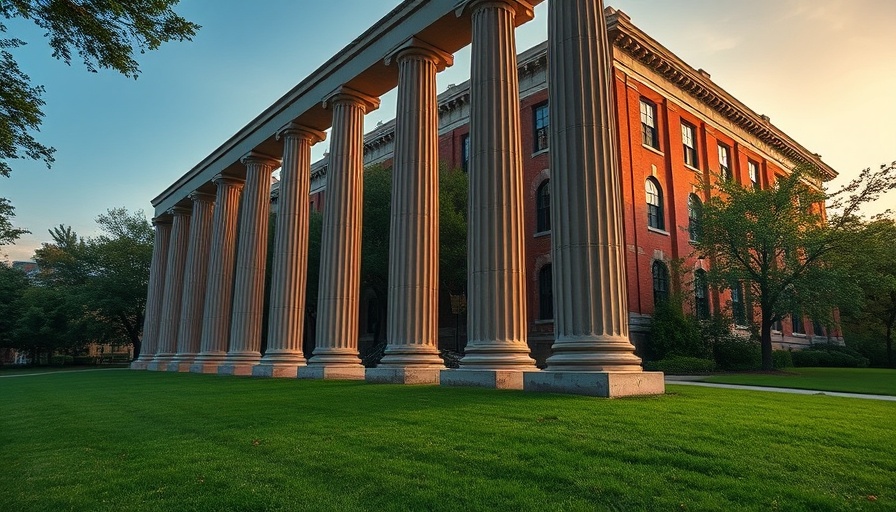
    Grounds management at a grand university building with columns.

    The Power of Strategic Planning in Grounds Management

    At the University of Missouri, an innovative approach to utilities projects has recently illustrated the profound impact of effective planning on grounds management. With 31,500 students traversing its 1,300-acre campus, the university recognizes that every event—especially the beloved Tiger Walk tradition—wields the power to shape the campus landscape. By meticulously coordinating utilities updates before major student events, they not only ensure the sustainability of their grounds but enhance the overall aesthetic experience of the campus.

    A Unique Campus Tradition

    The Francis Quadrangle, home to the iconic Ionic columns that date back to the university's early history, stands as a vibrant symbol of Missouri's identity. During the Tiger Walk, freshmen rush through these columns, marking their initiation into university life. Yet, beneath this festive tradition lies a significant logistical challenge. The renovations scheduled in this area had to be conducted efficiently to avoid disrupting the festivities while ensuring the long-term health of the turf.

    Harnessing Nature: The Botanic Garden Vision

    Beyond mere utility upgrades, the University of Missouri presents itself as a botanic garden. With a clear focus on maintaining green spaces, particularly around the main student thoroughfares, the landscape services team prioritizes sustainable landscaping practices. Maintenance efforts are streamlined, paring down extensive areas to specialty gardens. Friends and families visiting the university benefit from these efforts, as do the students themselves, who enjoy vibrant green spaces in a busy campus life.

    Historical Significance: Preserving the Past While Moving Forward

    Projects like the recent replacement of an 1880s brick tunnel demonstrate a commitment to heritage preservation while adapting to modern needs. Such examples show that progress does not require the sacrifice of historical value but rather the integration of history into modern infrastructure. The consultation of historical records and use of durable materials ensure that new installations respect the past while serving the current day effectively.

    Emphasizing Community: The Social Aspect of Ground Management

    The physical environment of a university is more than just a backdrop; it serves as a catalyst for community building. By ensuring safety and accessibility through thoughtful projects, the university promotes student engagement and enjoyment of their surroundings. Green spaces become social hubs where students interact and forge connections amidst their academic responsibilities. More importantly, they enhance the mental well-being of students, a fundamental aspect that educational institutions must prioritize.

    Research and Data: Sustainability in Action

    As the university advances its ambitious landscape projects, they look toward implementing best practices, grounded in research, to enhance sustainability. Collaborations with environmental experts pave the path for informed decision-making, empowering students and staff to champion eco-friendly initiatives across the campus. This focus on sustainability not only addresses current environmental challenges but also sets a precedent for generations to follow.

    Looking Ahead: Opportunities for Expansion

    The future of the University of Missouri's grounds management program lies in the willingness to embrace innovations. As utilities projects continue to unfold, there is vast potential for expansion into sustainable technologies, such as rainwater harvesting and solar-powered systems. These initiatives could further reduce the campus's carbon footprint while educating students on the importance of environmental stewardship.

    Conclusion: A Model for Other Institutions

    The University of Missouri showcases how effectively maximizing utility projects contributes to a more sustainable and welcoming campus environment. As other institutions seek to improve their grounds management strategies, they can take inspiration from Missouri's model, which harmoniously blends tradition, innovation, and community engagement. The result is not merely a campus but a vibrant ecosystem that reflects the university's commitment to excellence.

    Home and Office Design

    19 Views

    0 Comments

    Write A Comment

    *
    *
    Please complete the captcha to submit your comment.
    Related Posts All Posts
    06.08.2026

    Mastering Fir Plank Partition Wall Assembly: A DIY Guide

    Update Building a Fir Plank Partition Wall: An Overview Creating a fir plank partition wall can be an enriching DIY project that transforms spaces in your home or office. Whether you want to make separate areas for privacy or simply define different living zones, understanding how to effectively assemble a wall is crucial to a successful construction process. Step-by-Step Construction Process Before diving into construction, it’s essential to plan the dimensions and materials needed. Start by measuring the area where the partition will be installed, ensuring you have a good idea of height, width, and structural integrity. Gather your materials: firm C16 structural timber, screws, and plasterboard will be essential. Once you have everything ready, follow these foundational steps: Mark the Layout: Use a straight piece of timber to outline where your wall will go, ensuring perfect right angles for corners. Create Your Frame: Build the wall frame by cutting lengths of timber and laying them parallel to each other, securing them with screws. Add Vertical Posts: Next, install vertical studs spaced evenly between the top and bottom plates to form the structure of the wall. Secure the Wall: Once completed, carefully slot the wall into place, ensuring it remains level before securing it to the floor and adjacent structures. Finish with Plasterboard: Cover the frame with plasterboard, cutting out space for any doors and ensuring everything is flush for a professional finish. The Importance of Proper Planning As emphasized in guides by various DIY enthusiasts and professionals, careful planning is key when constructing any partition wall. In the context of environmental controls and overall home wellness, consider incorporating insulation between the studs to enhance soundproofing and thermal efficiency. While conventional advice may state that insulation isn’t always necessary for internal walls, having it can significantly improve the comfort and privacy within a space. Insights from Expert Resources For those looking for more sophisticated solutions, manufacturers are offering modular wood partition systems designed for quick installation and custom specifications. These can save DIYers significant time and effort while still providing an elegant appearance to the space. Professional installation isn’t always required, but being aware of potential challenges in wall assembly will ensure smoother execution. Furthermore, understanding electrical arrangements for sockets and switches will further enhance the functionality of your new partition wall. Future Trends in Partition Walls As remote work becomes increasingly prevalent, the demand for versatile space division reflects a growing trend. Innovative wood types and customizable designs are also emerging in the market, aimed at both aesthetic value and environmental sustainability—an essential factor for modern home and office designs. New sustainable materials are becoming available, allowing homeowners to make choices that align with both their aesthetic vision and ecological values. DIY vs. Professional Help While building your partition wall can be a fulfilling project, knowing when to seek professional guidance is equally important. Engaging experts can ensure a higher-quality finish, particularly concerning electrical and structural integrity, which can greatly affect the overall quality and utility of your space. Remember, every project is a learning experience, and evaluating both DIY methods and professional installations will help you become more knowledgeable in your home renovation journey. By understanding the essentials of wall assembly and staying ahead of trends, you're equipped to make informed decisions about your projects. If you're considering a home improvement, exploring partition wall options could redefine your space efficiently and stylishly.

    05.30.2026

    Insulated Subfloor Over Concrete: A Game Changer for Home Efficiency

    Update The Rising Trend of Insulated Subfloors in Homes As homeowners strive to enhance energy efficiency, the concept of insulated subfloors over concrete is gaining traction. Concrete slabs, which are prevalent in basements, can be a source of discomfort due to their cold nature, often resulting in significant heat loss and the potential for moisture-related issues. This has raised questions about the feasibility and efficiency of laying insulated subfloors over concrete, especially considering the need to manage condensation and mold growth. Benefits of Insulated Subfloors Insulated subfloor systems combine insulation materials and structural support in one package. Typically constructed using rigid closed-cell polystyrene insulation sandwiched between oriented strand board (OSB), these systems have emerged as a solution for homeowners looking to maintain warmth and reduce drafts in their basements. Apart from preventing heat loss, insulated subfloors also create a moisture barrier, protecting homes from potential water damage and mold growth. Not Just Comfort: The Financial Impact Beyond comfort, installing insulated subflooring can translate into long-term energy savings. According to research by ROCKWOOL, a well-insulated floor can significantly reduce heating costs. Estimates indicate that up to 30% of heat can escape through uninsulated floors, making this an area for potential savings. Thus, investing in an insulated subfloor not only enhances energy efficiency but could also improve the overall value of the home. Installation Considerations: A DIY Approach For the handy homeowner, installing insulated subflooring can be a manageable task. Most modern insulated subfloor panels are designed for ease of installation, employing tongue-and-groove connections that eliminate the need for adhesives or extensive carpentry skills. Homeowners seeking to minimize costs may find installing their own insulated subflooring to be a financially sound decision, allowing them to avoid hefty labor charges while maximizing their home’s comfort. Potential Challenges and Solutions Despite the clear advantages, some homeowners may be hesitant about the upfront costs associated with insulated subfloor products, which often come at a premium compared to traditional insulating methods. However, experts argue that the return on investment in terms of reduced energy bills and increased comfort can quickly offset initial expenditures. Another challenge is ensuring adequate ceiling height remains post-installation; carefully measuring before purchase can mitigate this concern. Conclusion: Is It Right For You? Ultimately, homeowners considering insulated subfloors over concrete should weigh personal comfort, financial implications, and potential environmental benefits. Given the increasing emphasis on energy efficiency and reducing carbon footprints in home building, integrating insulated subflooring may not only be a wise financial decision but also contribute to greater sustainability goals.

    05.30.2026

    Discover the Benefits of Gambrel Roofs for Your Home's Value and Style

    Update The Charm and Functionality of Gambrel Roofs Gambrel roofs have a fascinating history in American architecture, characterized by their unique two-sided design. Originally stemming from Dutch colonial influences, this style features two different slopes on both sides, merging functionality and aesthetic appeal. It's not just a beautiful choice – it maximizes usable space, making it a popular option for both new constructions and renovations. Advantages of Choosing a Gambrel Roof The first significant advantage of a gambrel roof is its ability to create additional living space without extending the building’s footprint. The steeper lower slope allows for higher interior walls in the upper level, leading to more practical attic spaces that can be transformed into bedrooms, offices, or play areas. This not only enhances the living area but also adds significant value to a property. Additionally, gambrel roofs are efficient at shedding water and snow thanks to their design, directing moisture away from the building’s foundation and thereby protecting against potential damage. Installation Process and Considerations Installing a gambrel roof demands specialized knowledge, given the unique challenges presented by its dual-sloped design. The process begins with a thorough planning phase to ensure that the roof achieves the proper angles and meets all local building codes. During installation, professionals will assess the existing structure, ensuring that it can support the distinct load distribution that gambrel roofs introduce. Proper framing and bracing at the slope transition points are critical for longevity and structural integrity. For instance, care must be taken to reinforce the junction where the upper and lower slopes meet, as this is often a point of stress in the structure. Maintenance: The Key to Longevity While gambrel roofs offer a multitude of benefits, regular maintenance is crucial for their durability. Homeowners should conduct inspections to identify issues before they escalate. Pay special attention to the joints at the steep slope transitions, as they are prone to wear and tear. Proper gutter maintenance is also essential, especially during heavy rainstorms, to avoid water damage to the foundation. Conclusion Gambrel roofs not only provide aesthetic charm but also offer practical benefits that can enhance your home’s livability and value. If you're considering installing or maintaining a gambrel roof on your property, being aware of its advantages, installation requirements, and maintenance needs can lead you to better long-term benefits. If you're planning a roofing project and need expert advice on the best options for your home, reach out to our team today. Let's discuss how a gambrel roof can add value, charm, and functionality to your living space.

    HomeHealthHub.net

    Professional Wellness Design and Maintenance  for Residential & Commercial Spaces, brought to you by Team Local Marketing.

    • Facebook
    • X
    • Youtube
    • Instagram
    Team Resources
    SEO Strategies
    Social Media
    Business Strategies

    By Appointment

    AVAILABLE FROM 8AM - 5PM

    City, State

    239 S Landing Dr, Milford, DE

    ABOUT US

    HomeHealthHub.net bridges the gap between institutional-grade wellness practice and residential/commercial applications, translating professional facility principles into practical solutions for all spaces.

    © 2026 HomeHealthHub.net All Rights Reserved. 239 S Landing Dr, Milford, DE 19963 . Contact Us . Terms of Service . Privacy Policy

    eyJjb21wYW55IjoiSG9tZUhlYWx0aEh1Yi5uZXQiLCJhZGRyZXNzIjoiMjM5IFMgTGFuZGluZyBEciIsImNpdHkiOiJNaWxmb3JkIiwic3RhdGUiOiJERSIsInppcCI6IjE5OTYzIiwiZW1haWwiOiJJbmZvQGhvbWVoZWFsdGhodWIubmV0IiwidG9zIjoiUEhBK1BITjBjbTl1Wno0OFpXMCtWMmhsYmlCNWIzVWdjMmxuYmkxcGJpQjNhWFJvSUhWekxDQjViM1VnWVhKbElHZHBkbWx1WnladVluTndPeUI1YjNWeUlIQmxjbTFwYzNOcGIyNGdZVzVrSUdOdmJuTmxiblFnZEc4Z2MyVnVaQ0I1YjNVZ1pXMWhhV3dnWVc1a0wyOXlJRk5OVXlCMFpYaDBJRzFsYzNOaFoyVnpMaUJDZVNCamFHVmphMmx1WnlCMGFHVWdWR1Z5YlhNZ1lXNWtJRU52Ym1ScGRHbHZibk1nWW05NElHRnVaQ0JpZVNCemFXZHVhVzVuSUdsdUlIbHZkU0JoZFhSdmJXRjBhV05oYkd4NUlHTnZibVpwY20wZ2RHaGhkQ0I1YjNVZ1lXTmpaWEIwSUdGc2JDQjBaWEp0Y3lCcGJpQjBhR2x6SUdGbmNtVmxiV1Z1ZEM0OEwyVnRQand2YzNSeWIyNW5Qand2Y0Q0S0NqeHdQanh6ZEhKdmJtYytVMFZTVmtsRFJUd3ZjM1J5YjI1blBqd3ZjRDRLQ2p4d1BsZGxJSEJ5YjNacFpHVWdZU0J6WlhKMmFXTmxJSFJvWVhRZ1kzVnljbVZ1ZEd4NUlHRnNiRzkzY3lCNWIzVWdkRzhnY21WalpXbDJaU0J5WlhGMVpYTjBjeUJtYjNJZ1ptVmxaR0poWTJzc0lHTnZiWEJoYm5rZ2FXNW1iM0p0WVhScGIyNHNJSEJ5YjIxdmRHbHZibUZzSUdsdVptOXliV0YwYVc5dUxDQmpiMjF3WVc1NUlHRnNaWEowY3l3Z1kyOTFjRzl1Y3l3Z1pHbHpZMjkxYm5SeklHRnVaQ0J2ZEdobGNpQnViM1JwWm1sallYUnBiMjV6SUhSdklIbHZkWElnWlcxaGFXd2dZV1JrY21WemN5QmhibVF2YjNJZ1kyVnNiSFZzWVhJZ2NHaHZibVVnYjNJZ1pHVjJhV05sTGlCWmIzVWdkVzVrWlhKemRHRnVaQ0JoYm1RZ1lXZHlaV1VnZEdoaGRDQjBhR1VnVTJWeWRtbGpaU0JwY3lCd2NtOTJhV1JsWkNBbWNYVnZkRHRCVXkxSlV5WnhkVzkwT3lCaGJtUWdkR2hoZENCM1pTQmhjM04xYldVZ2JtOGdjbVZ6Y0c5dWMybGlhV3hwZEhrZ1ptOXlJSFJvWlNCMGFXMWxiR2x1WlhOekxDQmtaV3hsZEdsdmJpd2diV2x6TFdSbGJHbDJaWEo1SUc5eUlHWmhhV3gxY21VZ2RHOGdjM1J2Y21VZ1lXNTVJSFZ6WlhJZ1kyOXRiWFZ1YVdOaGRHbHZibk1nYjNJZ2NHVnljMjl1WVd4cGVtRjBhVzl1SUhObGRIUnBibWR6TGp3dmNENEtDanh3UGxsdmRTQmhjbVVnY21WemNHOXVjMmxpYkdVZ1ptOXlJRzlpZEdGcGJtbHVaeUJoWTJObGMzTWdkRzhnZEdobElGTmxjblpwWTJVZ1lXNWtJSFJvWVhRZ1lXTmpaWE56SUcxaGVTQnBiblp2YkhabElIUm9hWEprSUhCaGNuUjVJR1psWlhNZ0tITjFZMmdnWVhNZ1UwMVRJSFJsZUhRZ2JXVnpjMkZuWlhNc0lFbHVkR1Z5Ym1WMElITmxjblpwWTJVZ2NISnZkbWxrWlhJZ2IzSWdZMlZzYkhWc1lYSWdZV2x5ZEdsdFpTQmphR0Z5WjJWektTNGdXVzkxSUdGeVpTQnlaWE53YjI1emFXSnNaU0JtYjNJZ2RHaHZjMlVnWm1WbGN5d2dhVzVqYkhWa2FXNW5JSFJvYjNObElHWmxaWE1nWVhOemIyTnBZWFJsWkNCM2FYUm9JSFJvWlNCa2FYTndiR0Y1SUc5eUlHUmxiR2wyWlhKNUlHOW1JR1ZoWTJnZ1UwMVRJSFJsZUhRZ2JXVnpjMkZuWlNCelpXNTBJSFJ2SUhsdmRTQmllU0IxY3k0Z1NXNGdZV1JrYVhScGIyNHNJSGx2ZFNCdGRYTjBJSEJ5YjNacFpHVWdZVzVrSUdGeVpTQnlaWE53YjI1emFXSnNaU0JtYjNJZ1lXeHNJR1Z4ZFdsd2JXVnVkQ0J1WldObGMzTmhjbmtnZEc4Z1lXTmpaWE56SUhSb1pTQlRaWEoyYVdObElHRnVaQ0J5WldObGFYWmxJSFJvWlNCVFRWTWdkR1Y0ZENCdFpYTnpZV2RsY3k0Z1YyVWdaRzhnYm05MElHTm9ZWEpuWlNCaGJua2dabVZsY3lCbWIzSWdaR1ZzYVhabGNua2diMllnWlcxaGFXd2diM0lnVTAxVExpQlVhR2x6SUdseklHRWdabkpsWlNCelpYSjJhV05sSUhCeWIzWnBaR1ZrSUdKNUlIVnpMaUJJYjNkbGRtVnlMQ0J3YkdWaGMyVWdZMmhsWTJzZ2QybDBhQ0I1YjNWeUlHbHVkR1Z5Ym1WMElITmxjblpwWTJVZ2NISnZkbWxrWlhJZ1lXNWtJR05sYkd4MWJHRnlJR05oY25KcFpYSWdabTl5SUdGdWVTQmphR0Z5WjJWeklIUm9ZWFFnYldGNUlHbHVZM1Z5SUdGeklHRWdjbVZ6ZFd4MElHWnliMjBnY21WalpXbDJhVzVuSUdWdFlXbHNJR0Z1WkNCVFRWTWdkR1Y0ZENCdFpYTnpZV2RsY3lCMGFHRjBJSGRsSUdSbGJHbDJaWElnZFhCdmJpQjViM1Z5SUc5d2RDMXBiaUJoYm1RZ2NtVm5hWE4wY21GMGFXOXVJSGRwZEdnZ2IzVnlJR1Z0WVdsc0lHRnVaQ0JUVFZNZ2MyVnlkbWxqWlhNdUlGbHZkU0JqWVc0Z1kyRnVZMlZzSUdGMElHRnVlU0IwYVcxbExpQktkWE4wSUhSbGVIUWdKbkYxYjNRN1UxUlBVQ1p4ZFc5ME95QjBieUE4YzNCaGJpQnpkSGxzWlQwaVltRmphMmR5YjNWdVpDMWpiMnh2Y2pvZ2NtZGlZU2d5TlRVc0lERTVPQ3dnTUN3Z01DNHpLVHNpUGpVM01TMDFORGt0TVRVNE5qd3ZjM0JoYmo0dUlFRm1kR1Z5SUhsdmRTQnpaVzVrSUhSb1pTQlRUVk1nYldWemMyRm5aU0FtY1hWdmREdFRWRTlRSm5GMWIzUTdJSFJ2SUhWekxDQjNaU0IzYVd4c0lITmxibVFnZVc5MUlHRnVJRk5OVXlCdFpYTnpZV2RsSUhSdklHTnZibVpwY20wZ2RHaGhkQ0I1YjNVZ2FHRjJaU0JpWldWdUlIVnVjM1ZpYzJOeWFXSmxaQzRnUVdaMFpYSWdkR2hwY3l3Z2VXOTFJSGRwYkd3Z2JtOGdiRzl1WjJWeUlISmxZMlZwZG1VZ1UwMVRJRzFsYzNOaFoyVnpJR1p5YjIwZ2RYTXVQQzl3UGdvS1BIQStQSE4wY205dVp6NVpUMVZTSUZKRlIwbFRWRkpCVkVsUFRpQlBRa3hKUjBGVVNVOU9Vend2YzNSeWIyNW5Qand2Y0Q0S0NqeHdQa2x1SUdOdmJuTnBaR1Z5WVhScGIyNGdiMllnZVc5MWNpQjFjMlVnYjJZZ2RHaGxJRk5sY25acFkyVXNJSGx2ZFNCaFozSmxaU0IwYnpvOEwzQStDZ284YjJ3K0NnazhiR2srY0hKdmRtbGtaU0IwY25WbExDQmhZMk4xY21GMFpTd2dZM1Z5Y21WdWRDQmhibVFnWTI5dGNHeGxkR1VnYVc1bWIzSnRZWFJwYjI0Z1lXSnZkWFFnZVc5MWNuTmxiR1lnWVhNZ2NISnZiWEIwWldRZ1lua2dkR2hsSUZObGNuWnBZMlVtSXpNNU8zTWdjbVZuYVhOMGNtRjBhVzl1SUdadmNtMGdLSE4xWTJnZ2FXNW1iM0p0WVhScGIyNGdZbVZwYm1jZ2RHaGxJQ1p4ZFc5ME8xSmxaMmx6ZEhKaGRHbHZiaUJFWVhSaEpuRjFiM1E3S1NCaGJtUThMMnhwUGdvSlBHeHBQbTFoYVc1MFlXbHVJR0Z1WkNCd2NtOXRjSFJzZVNCMWNHUmhkR1VnZEdobElGSmxaMmx6ZEhKaGRHbHZiaUJFWVhSaElIUnZJR3RsWlhBZ2FYUWdkSEoxWlN3Z1lXTmpkWEpoZEdVc0lHTjFjbkpsYm5RZ1lXNWtJR052YlhCc1pYUmxMaUJKWmlCNWIzVWdjSEp2ZG1sa1pTQmhibmtnYVc1bWIzSnRZWFJwYjI0Z2RHaGhkQ0JwY3lCMWJuUnlkV1VzSUdsdVlXTmpkWEpoZEdVc0lHNXZkQ0JqZFhKeVpXNTBJRzl5SUdsdVkyOXRjR3hsZEdVc0lHOXlJSGRsSUdoaGRtVWdjbVZoYzI5dVlXSnNaU0JuY205MWJtUnpJSFJ2SUhOMWMzQmxZM1FnZEdoaGRDQnpkV05vSUdsdVptOXliV0YwYVc5dUlHbHpJSFZ1ZEhKMVpTd2dhVzVoWTJOMWNtRjBaU3dnYm05MElHTjFjbkpsYm5RZ2IzSWdhVzVqYjIxd2JHVjBaU3dnZDJVZ2FHRjJaU0IwYUdVZ2NtbG5hSFFnZEc4Z2MzVnpjR1Z1WkNCdmNpQThjM1J5YjI1blBqeHpjR0Z1SUhOMGVXeGxQU0pqYjJ4dmNqb2pSa1l3TURBd095SStkR1Z5YldsdVlYUmxJSGx2ZFhJZ1lXTmpiM1Z1ZEM5d2NtOW1hV3hsSUdGdVpDQnlaV1oxYzJVZ1lXNTVJR0Z1WkNCaGJHd2dZM1Z5Y21WdWRDQnZjaUJtZFhSMWNtVWdkWE5sSUc5bUlIUm9aU0JUWlhKMmFXTmxJQ2h2Y2lCaGJua2djRzl5ZEdsdmJpQjBhR1Z5Wlc5bUtTNDhMM053WVc0K1BDOXpkSEp2Ym1jK1BDOXNhVDRLUEM5dmJENEtDanh3UGladVluTndPend2Y0Q0S1BHaHBaMmhzYVdkb2RDQmpiR0Z6Y3owaVkyOXRjR0Z1ZVU1aGJXVlZjR1JoZEdVaVBraHZiV1ZJWldGc2RHaElkV0l1Ym1WMFBDOW9hV2RvYkdsbmFIUStQR0p5SUM4K0NqeG9hV2RvYkdsbmFIUWdZMnhoYzNNOUltTnZiWEJoYm5sQlpHUnlaWE56VlhCa1lYUmxJajR5TXprZ1V5Qk1ZVzVrYVc1bklFUnlQQzlvYVdkb2JHbG5hSFErUEdKeUlDOCtDanhvYVdkb2JHbG5hSFFnWTJ4aGMzTTlJbU52YlhCaGJubFFhRzl1WlZWd1pHRjBaU0krS3pFck1UTXdNalV6TmpneU5UVThMMmhwWjJoc2FXZG9kRDQ4WW5JZ0x6NEtQR2hwWjJoc2FXZG9kQ0JqYkdGemN6MGlZMjl0Y0dGdWVVVnRZV2xzVlhCa1lYUmxJajVKYm1adlFHaHZiV1ZvWldGc2RHaG9kV0l1Ym1WMFBDOW9hV2RvYkdsbmFIUSsiLCJwcml2YWN5IjoiUEhBK1BITjBjbTl1Wno1UVVrbFdRVU5aUEM5emRISnZibWMrUEM5d1Bnb0tQSEErUEhOMGNtOXVaejVVYUdVZ2FXNW1iM0p0WVhScGIyNGdjSEp2ZG1sa1pXUWdaSFZ5YVc1bklIUm9hWE1nY21WbmFYTjBjbUYwYVc5dUlHbHpJR3RsY0hRZ2NISnBkbUYwWlNCaGJtUWdZMjl1Wm1sa1pXNTBhV0ZzTENCaGJtUWdkMmxzYkNCdVpYWmxjaUJpWlNCa2FYTjBjbWxpZFhSbFpDd2dZMjl3YVdWa0xDQnpiMnhrTENCMGNtRmtaV1FnYjNJZ2NHOXpkR1ZrSUdsdUlHRnVlU0IzWVhrc0lITm9ZWEJsSUc5eUlHWnZjbTB1SUZSb2FYTWdhWE1nYjNWeUlHZDFZWEpoYm5SbFpTNDhMM04wY205dVp6NDhMM0ErQ2dvOGNENDhjM1J5YjI1blBrbE9SRVZOVGtsVVdUd3ZjM1J5YjI1blBqd3ZjRDRLQ2p4d1BqeGxiVDVaYjNVZ1lXZHlaV1VnZEc4Z2FXNWtaVzF1YVdaNUlHRnVaQ0JvYjJ4a0lIVnpMQ0JoYm1RZ2FYUnpJSE4xWW5OcFpHbGhjbWxsY3l3Z1lXWm1hV3hwWVhSbGN5d2diMlptYVdObGNuTXNJR0ZuWlc1MGN5d2dZMjh0WW5KaGJtUmxjbk1nYjNJZ2IzUm9aWElnY0dGeWRHNWxjbk1zSUdGdVpDQmxiWEJzYjNsbFpYTXNJR2hoY20xc1pYTnpJR1p5YjIwZ1lXNTVJR05zWVdsdElHOXlJR1JsYldGdVpDd2dhVzVqYkhWa2FXNW5JSEpsWVhOdmJtRmliR1VnWVhSMGIzSnVaWGx6SmlNek9Uc2dabVZsY3l3Z2JXRmtaU0JpZVNCaGJua2dkR2hwY21RZ2NHRnlkSGtnWkhWbElIUnZJRzl5SUdGeWFYTnBibWNnYjNWMElHOW1JRU52Ym5SbGJuUWdlVzkxSUhKbFkyVnBkbVVzSUhOMVltMXBkQ3dnY21Wd2JIa3NJSEJ2YzNRc0lIUnlZVzV6YldsMElHOXlJRzFoYTJVZ1lYWmhhV3hoWW14bElIUm9jbTkxWjJnZ2RHaGxJRk5sY25acFkyVXNJSGx2ZFhJZ2RYTmxJRzltSUhSb1pTQlRaWEoyYVdObExDQjViM1Z5SUdOdmJtNWxZM1JwYjI0Z2RHOGdkR2hsSUZObGNuWnBZMlVzSUhsdmRYSWdkbWx2YkdGMGFXOXVJRzltSUhSb1pTQlVUMU1zSUc5eUlIbHZkWElnZG1sdmJHRjBhVzl1SUc5bUlHRnVlU0J5YVdkb2RITWdiMllnWVc1dmRHaGxjaTQ4TDJWdFBqd3ZjRDRLQ2p4d1BqeHpkSEp2Ym1jK1JFbFRRMHhCU1UxRlVpQlBSaUJYUVZKU1FVNVVTVVZUUEM5emRISnZibWMrUEM5d1Bnb0tQSEErUEhOMGNtOXVaejVaVDFVZ1JWaFFVa1ZUVTB4WklGVk9SRVZTVTFSQlRrUWdRVTVFSUVGSFVrVkZJRlJJUVZRNlBDOXpkSEp2Ym1jK1BDOXdQZ29LUEc5c1Bnb0pQR3hwUGxsUFZWSWdWVk5GSUU5R0lGUklSU0JUUlZKV1NVTkZJRWxUSUVGVUlGbFBWVklnVTA5TVJTQlNTVk5MTGlCVVNFVWdVMFZTVmtsRFJTQkpVeUJRVWs5V1NVUkZSQ0JQVGlCQlRpQW1jWFZ2ZER0QlV5QkpVeVp4ZFc5ME95QkJUa1FnSm5GMWIzUTdRVk1nUVZaQlNVeEJRa3hGSm5GMWIzUTdJRUpCVTBsVExpQXNMaUJCVGtRZ1ZWTXNJRWxVSmlNek9UdFRJRU5WVTFSUFRVVlNVeXdnUlZoUVVrVlRVMHhaSUVSSlUwTk1RVWxOVXlCQlRFd2dWMEZTVWtGT1ZFbEZVeUJQUmlCQlRsa2dTMGxPUkN3Z1YwaEZWRWhGVWlCRldGQlNSVk5USUU5U0lFbE5VRXhKUlVRc0lFbE9RMHhWUkVsT1J5d2dRbFZVSUU1UFZDQk1TVTFKVkVWRUlGUlBJRlJJUlNCSlRWQk1TVVZFSUZkQlVsSkJUbFJKUlZNZ1QwWWdUVVZTUTBoQlRsUkJRa2xNU1ZSWkxDQkdTVlJPUlZOVElFWlBVaUJCSUZCQlVsUkpRMVZNUVZJZ1VGVlNVRTlUUlNCQlRrUWdUazlPTFVsT1JsSkpUa2RGVFVWT1ZDNDhMMnhwUGdvSlBHeHBQazFCUzBWVElFNVBJRmRCVWxKQlRsUlpJRlJJUVZRZ0tHa3BJRlJJUlNCVFJWSldTVU5GSUZkSlRFd2dUVVZGVkNCWlQxVlNJRkpGVVZWSlVrVk5SVTVVVXl3Z0tHbHBLU0JVU0VVZ1UwVlNWa2xEUlNCWFNVeE1JRUpGSUZWT1NVNVVSVkpTVlZCVVJVUXNJRlJKVFVWTVdTd2dVMFZEVlZKRkxDQlBVaUJGVWxKUFVpMUdVa1ZGTENBb2FXbHBLU0JVU0VVZ1VrVlRWVXhVVXlCVVNFRlVJRTFCV1NCQ1JTQlBRbFJCU1U1RlJDQkdVazlOSUZSSVJTQlZVMFVnVDBZZ1ZFaEZJRk5GVWxaSlEwVWdWMGxNVENCQ1JTQkJRME5WVWtGVVJTQlBVaUJTUlV4SlFVSk1SU3dnUVU1RUlDaHBkaWtnUVU1WklFVlNVazlTVXlCSlRpQlVTRVVnVTA5R1ZGZEJVa1VnVjBsTVRDQkNSU0JEVDFKU1JVTlVSVVF1UEM5c2FUNEtDVHhzYVQ1QlRsa2dUVUZVUlZKSlFVd2dSRTlYVGt4UFFVUkZSQ0JQVWlCUFZFaEZVbGRKVTBVZ1QwSlVRVWxPUlVRZ1ZFaFNUMVZIU0NCVVNFVWdWVk5GSUU5R0lGUklSU0JUUlZKV1NVTkZJRWxUSUVSUFRrVWdRVlFnV1U5VlVpQlBWMDRnUkVsVFExSkZWRWxQVGlCQlRrUWdVa2xUU3lCQlRrUWdWRWhCVkNCWlQxVWdWMGxNVENCQ1JTQlRUMHhGVEZrZ1VrVlRVRTlPVTBsQ1RFVWdSazlTSUVGT1dTQkVRVTFCUjBVZ1ZFOGdXVTlWVWlCRFQwMVFWVlJGVWlCVFdWTlVSVTBnVDFJZ1RFOVRVeUJQUmlCRVFWUkJJRlJJUVZRZ1VrVlRWVXhVVXlCR1VrOU5JRlJJUlNCRVQxZE9URTlCUkNCUFJpQkJUbGtnVTFWRFNDQk5RVlJGVWtsQlRDNDhMMnhwUGdvSlBHeHBQazVQSUVGRVZrbERSU0JQVWlCSlRrWlBVazFCVkVsUFRpd2dWMGhGVkVoRlVpQlBVa0ZNSUU5U0lGZFNTVlJVUlU0c0lFOUNWRUZKVGtWRUlFSlpJRmxQVlNCR1VrOU5JRTlTSUZSSVVrOVZSMGdnVDFJZ1JsSlBUU0JVU0VVZ1UwVlNWa2xEUlNCVFNFRk1UQ0JEVWtWQlZFVWdRVTVaSUZkQlVsSkJUbFJaSUU1UFZDQkZXRkJTUlZOVFRGa2dVMVJCVkVWRUlFbE9JRlJJUlNCVVQxTXVQQzlzYVQ0S1BDOXZiRDRLQ2p4d1BqeHpkSEp2Ym1jK1RFbE5TVlJCVkVsUFRpQlBSaUJNU1VGQ1NVeEpWRms4TDNOMGNtOXVaejQ4TDNBK0NnbzhjRDVaVDFVZ1JWaFFVa1ZUVTB4WklGVk9SRVZTVTFSQlRrUWdRVTVFSUVGSFVrVkZJRlJJUVZRZ1FVNUVJRk5JUVV4TUlFNVBWQ0JDUlNCTVNVRkNURVVnUms5U0lFRk9XU0JFU1ZKRlExUXNJRWxPUkVsU1JVTlVMQ0JKVGtOSlJFVk9WRUZNTENCVFVFVkRTVUZNTENCRFQwNVRSVkZWUlU1VVNVRk1JRTlTSUVWWVJVMVFURUZTV1NCRVFVMUJSMFZUTENCSlRrTk1WVVJKVGtjZ1FsVlVJRTVQVkNCTVNVMUpWRVZFSUZSUExDQkVRVTFCUjBWVElFWlBVaUJNVDFOVElFOUdJRkJTVDBaSlZGTXNJRWRQVDBSWFNVeE1MQ0JWVTBVc0lFUkJWRUVnVDFJZ1QxUklSVklnU1U1VVFVNUhTVUpNUlNCTVQxTlRSVk1nS0VWV1JVNGdTVVlnU0VGVElFSkZSVTRnUVVSV1NWTkZSQ0JQUmlCVVNFVWdVRTlUVTBsQ1NVeEpWRmtnVDBZZ1UxVkRTQ0JFUVUxQlIwVlRLU3dnVWtWVFZVeFVTVTVISUVaU1QwMDZQQzl3UGdvS1BHOXNQZ29KUEd4cFBsUklSU0JWVTBVZ1QxSWdWRWhGSUVsT1FVSkpURWxVV1NCVVR5QlZVMFVnVkVoRklGTkZVbFpKUTBVN1BDOXNhVDRLQ1R4c2FUNVVTRVVnUTA5VFZDQlBSaUJRVWs5RFZWSkZUVVZPVkNCUFJpQlRWVUpUVkVsVVZWUkZJRWRQVDBSVElFRk9SQ0JUUlZKV1NVTkZVeUJTUlZOVlRGUkpUa2NnUmxKUFRTQkJUbGtnUjA5UFJGTXNJRVJCVkVFc0lFbE9SazlTVFVGVVNVOU9JRTlTSUZORlVsWkpRMFZUSUZCVlVrTklRVk5GUkNCUFVpQlBRbFJCU1U1RlJDQlBVaUJOUlZOVFFVZEZVeUJTUlVORlNWWkZSQ0JQVWlCVVVrRk9VMEZEVkVsUFRsTWdSVTVVUlZKRlJDQkpUbFJQSUZSSVVrOVZSMGdnVDFJZ1JsSlBUU0JVU0VVZ1UwVlNWa2xEUlRzOEwyeHBQZ29KUEd4cFBsVk9RVlZVU0U5U1NWcEZSQ0JCUTBORlUxTWdWRThnVDFJZ1FVeFVSVkpCVkVsUFRpQlBSaUJaVDFWU0lGUlNRVTVUVFVsVFUwbFBUbE1nVDFJZ1JFRlVRVHM4TDJ4cFBnb0pQR3hwUGxOVVFWUkZUVVZPVkZNZ1QxSWdRMDlPUkZWRFZDQlBSaUJCVGxrZ1ZFaEpVa1FnVUVGU1ZGa2dUMDRnVkVoRklGTkZVbFpKUTBVN0lFOVNQQzlzYVQ0S0NUeHNhVDVCVGxrZ1QxUklSVklnVFVGVVZFVlNJRkpGVEVGVVNVNUhJRlJQSUZSSVJTQlRSVkpXU1VORkxqd3ZiR2srQ2p3dmIydytDZ284Y0Q0OGRUNUNlU0J5WldkcGMzUmxjbWx1WnlCaGJtUWdjM1ZpYzJOeWFXSnBibWNnZEc4Z2IzVnlJR1Z0WVdsc0lHRnVaQ0JUVFZNZ2MyVnlkbWxqWlN3Z1lua2diM0IwTFdsdUxDQnZibXhwYm1VZ2NtVm5hWE4wY21GMGFXOXVJRzl5SUdKNUlHWnBiR3hwYm1jZ2IzVjBJR0VnWTJGeVpDd2dKbkYxYjNRN2VXOTFJR0ZuY21WbElIUnZJSFJvWlhObElGUkZVazFUSUU5R0lGTkZVbFpKUTBVbWNYVnZkRHNnWVc1a0lIbHZkU0JoWTJ0dWIzZHNaV1JuWlNCaGJtUWdkVzVrWlhKemRHRnVaQ0IwYUdVZ1lXSnZkbVVnZEdWeWJYTWdiMllnYzJWeWRtbGpaU0J2ZFhSc2FXNWxaQ0JoYm1RZ1pHVjBZV2xzWldRZ1ptOXlJSGx2ZFNCMGIyUmhlUzQ4TDNVK1BDOXdQZ29LUEhBK0ptNWljM0E3UEM5d1BnbzhhR2xuYUd4cFoyaDBJR05zWVhOelBTSmpiMjF3WVc1NVRtRnRaVlZ3WkdGMFpTSStTRzl0WlVobFlXeDBhRWgxWWk1dVpYUThMMmhwWjJoc2FXZG9kRDQ4WW5JZ0x6NEtQR2hwWjJoc2FXZG9kQ0JqYkdGemN6MGlZMjl0Y0dGdWVVRmtaSEpsYzNOVmNHUmhkR1VpUGpJek9TQlRJRXhoYm1ScGJtY2dSSEk4TDJocFoyaHNhV2RvZEQ0OFluSWdMejRLUEdocFoyaHNhV2RvZENCamJHRnpjejBpWTI5dGNHRnVlVkJvYjI1bFZYQmtZWFJsSWo0ck1Tc3hNekF5TlRNMk9ESTFOVHd2YUdsbmFHeHBaMmgwUGp4aWNpQXZQZ284YUdsbmFHeHBaMmgwSUdOc1lYTnpQU0pqYjIxd1lXNTVSVzFoYVd4VmNHUmhkR1VpUGtsdVptOUFhRzl0WldobFlXeDBhR2gxWWk1dVpYUThMMmhwWjJoc2FXZG9kRDQ9In0=

    Terms of Service

    Privacy Policy

    Core Modal Title

    Sorry, no results found

    You Might Find These Articles Interesting

    T
    Please Check Your Email
    We Will Be Following Up Shortly
    *
    *
    *






