Add Row
Add Element
  • Facebook
    update
  • X
    update
  • YouTube
    update
  • Instagram
    update
  • update
  • YouTube
    update
  • Instagram
    update
Add Element
Home Health Hub
update

Strategies to Improve and
Maintain Vibrant Health

Home Health Hub logo
update
Add Element
  • Home
    • Categories
      • Regulation and Controls
      • Home and Office Design
      • Wellness Maintenance
      • Environmental Controls
      • Non-toxic Materials
      • Expert Interviews
      • Environmental Technology
    • Business Profiles
    April 15.2025
    2 Minutes Read

    Understanding Mandatory Sustainability Reporting and Its Impact on Australian Businesses

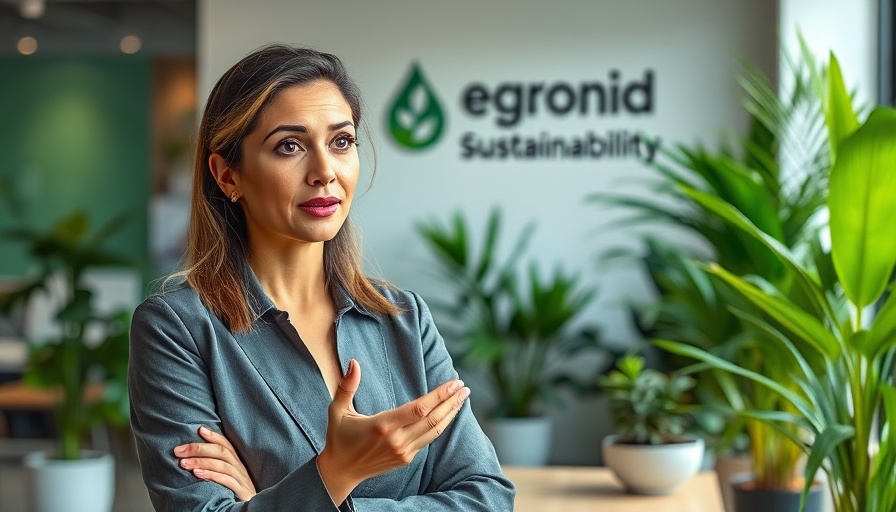
    Professional woman discussing mandatory sustainability reporting in Australia.

    The Growing Importance of Sustainability Reporting in Australia

    As the Australian business landscape evolves, the emphasis on sustainability reporting has never been more critical. Lisa Zemrodt, a leading figure at Schneider Electric, has been at the forefront of this movement, advocating for responsible climate-related financial disclosures. Starting from January 1, 2025, Australian businesses will be mandated to produce detailed annual Sustainability Reports, ensuring transparency and accountability in their environmental impacts.

    What Do Mandatory Sustainability Reports Entail?

    The new legislative requirements represent a significant shift in how businesses communicate their sustainability efforts. Companies will need to disclose not only their environmental impacts but also how these factors influence their financial health and overall business strategy. This aims to provide stakeholders with a clearer picture of how businesses are integrating sustainability into their operations, thus fostering more informed investing and consumption decisions.

    Leveraging Video to Highlight Sustainability Initiatives

    In an age where attention spans are shortening, the use of video for sustainability updates is gaining traction. Eco News has introduced video updates that allow organizations to convey their sustainability messages more effectively. Utilizing this medium, companies can engage a wider audience, making complex sustainability reports more accessible and comprehensible to the general public. As noted by Tim Langdon, publisher of Eco Voice, these video reports can serve as impactful means for organizations to illustrate their commitment to sustainability.

    The Benefits of Effective Communication in Sustainability

    By sharing their sustainability stories through various channels, businesses not only comply with regulatory requirements but also enhance their reputation. Clear communication fosters trust among consumers and investors, encouraging a culture of sustainability. Additionally, companies like Schneider Electric emphasize the empowerment of their customers through sustainable choices, illustrating that sustainability is not merely a compliance issue but a value proposition that can differentiate them in the market.

    Embracing Technological Innovations for a Sustainable Future

    Schneider Electric's mission extends beyond basic sustainability compliance; they aim to be a digital partner for sustainability through technological advancements. By integrating leading process and energy technologies, they are helping businesses transition to more efficient and sustainable practices. This approach reflects the growing recognition that embracing technology is paramount to achieving ambitious sustainability goals.

    Future Predictions for Sustainability Practices in Business

    The future of sustainability in business appears promising but requires continued innovation and adaptation. As regulations tighten and consumer expectations heighten, it is likely that more companies will adopt comprehensive sustainability strategies, incorporating them into their core business models. This shift could lead to a more sustainable and resilient economy, benefiting businesses, consumers, and the planet.

    The increasing urgency of climate change necessitates that all businesses take part in this transformational journey. For industry leaders, like those at Schneider Electric, the road ahead will focus on empowering organizations through effective sustainability practices that blend digital innovation and traditional business acumen.

    Regulation and Controls

    39 Views

    0 Comments

    Write A Comment

    *
    *
    Please complete the captcha to submit your comment.
    Related Posts All Posts
    04.08.2026

    Administrator Zeldin's Efforts to Protect Drinking Water from Microplastics

    Update Protecting Our Water: A Necessary Step Forward In a significant move, Administrator Lee Zeldin has announced new initiatives aimed at tackling the pervasive issue of microplastics in drinking water. This growing concern for public health highlights our urgent need to address contaminants that find their way into our essential water supplies. Understanding Microplastics: What You Need to Know Microplastics, defined as tiny plastic particles less than 5mm in size, have found their way into nearly every corner of our environment. They originate from various sources, including the breakdown of larger plastic items and synthetic fibers from clothing. As public awareness increases, so does the pressure on authorities to ensure that our drinking water remains safe and free from these pollutants. Community Impact: Why This Matters to You The presence of microplastics in drinking water can harm not only individual health but also community well-being. Several studies suggest that long-term exposure to microplastics may have adverse effects, especially on vulnerable populations such as children and the elderly. Zeldin’s initiative shines a spotlight on the need for stricter regulations and comprehensive testing that can help protect everyone’s right to clean water. Innovative Solutions: The Path Ahead This announcement comes on the heels of advancements in environmental technology and water filtration systems that can effectively remove microplastics. Collaborations with local environmental groups and researchers are essential for developing viable solutions that can be implemented across various communities. It’s an opportunity not only to protect our water but to engage residents in grassroots efforts to keep their local environment clean. Join the Conversation: How You Can Make a Difference As Zeldin emphasizes the importance of community involvement, residents can take actionable steps toward advocating for effective environmental policies. By engaging with local government, attending community meetings, and supporting organizations focusing on environmental responsibility, each individual can contribute to a larger movement aimed at safeguarding our most vital resource. Conclusion: A Collective Responsibility The initiative announced by Zeldin reflects a crucial step in the fight against microplastics in our drinking water. It not only addresses a pressing health concern but also encourages civic engagement. Together, through awareness and action, we can ensure a safer, healthier future for our communities.

    04.06.2026

    Unlocking Builder/Owner Tax Credit Qualifications: A Homeowner's Guide

    Update Understanding Builder/Owner Tax Credit Qualifications For homeowners engaging in new construction, understanding tax credit qualifications can feel overwhelming, particularly as many resources present convoluted or contradictory information. This article seeks to clarify the confusion surrounding builder/owner tax credits, helping homeowners navigate potential savings on their investments. What Are Builder/Owner Tax Credits? Builder/owner tax credits provide financial incentives designed to encourage energy-efficient building practices and upgrades. Specifically, these credits can significantly benefit homeowners who invest in energy-saving features during the construction of new homes. By integrating elements such as high-efficiency windows, insulation, and HVAC systems, builders and owners alike can potentially save thousands. However, specific qualifications must be met to claim these benefits. Who is Eligible for Tax Credits? According to the IRS guidelines, eligible contractors who build or substantially reconstruct qualified new energy-efficient homes may be able to claim tax credits up to $5,000 per home. Factors determining eligibility include the home's energy efficiency level, the date of acquisition, and whether the builder meets the requirements under Internal Revenue Code (IRC) Section 45L. Common Misconceptions about Energy Efficient Home Tax Credits A prevalent misconception is that all homeowners automatically qualify for tax credits simply by implementing energy efficiency measures. In reality, certain conditions must be met. For instance, homes must either pass through the Energy Star certification process or integrate renewable energy systems like geothermal heating and solar panels. This highlights the importance of understanding which updates are eligible before assuming they count towards tax credits. Navigating Changes in Regulations and Incentives Tax regulations, such as those surrounding the builder/owner tax credits, are subject to change based on governmental policies and administrative actions. For 2023, it's crucial to be aware that various credits might phase out, as regulations evolve. Homeowners embarking on new projects must remain informed about these developments to maximize their potential savings. The Future of Home Building Incentives As the focus on green technology intensifies, it is feasible to predict further developments in home-building incentives. The shifting landscape indicates that future policies may provide even greater rewards for energy-efficient home building practices. Homeowners should continue to monitor legislative changes, as adjustments to tax incentives might offer new opportunities for financial gain. Decisions You Can Make With This Information With an understanding of the qualifications and regulations surrounding builder/owner tax credits, homeowners can make informed decisions when planning their builds or renovations. For instance, prioritizing Energy Star-certified appliances or materials and consulting with tax professionals can help in maximizing potential savings. Ultimately, knowledge of what qualifies for tax credits not only impacts savings but can influence the design and material selection of new homes. In Conclusion In summary, while tax credits can be a beneficial aspect of building or renovating a home, the requirements can be intricate and vary with changing laws. Homeowners should do their due diligence, possibly consulting tax experts, to ensure they navigate these credits properly. This proactive approach could lead to monumental savings in their home-building journey.

    03.31.2026

    Exploring the Future of Hybrid Insulation Envelopes for Fire Safety

    Update Understanding Hybrid Insulation Envelopes in Fire Safety As the demand for energy-efficient and fire-safe buildings continues to rise, the concept of a hybrid insulation envelope has gained traction in architectural discussions. A hybrid insulation envelope utilizes a combination of materials to maximize thermal performance while adhering to fire safety codes. The Role of Fire Codes in Building Design Fire safety regulations are crucial in construction, ensuring that buildings not only provide comfort and efficiency but also safeguard occupants and property from fire hazards. Recently, stricter fire codes have pushed architects and builders to innovate insulation solutions that meet these standards without compromising on energy efficiency. Benefits of Hybrid Insulation Systems A hybrid insulation envelope typically consists of insulating materials like foam board, cellulose, or spray foam, layered strategically to enhance thermal resistance. These systems can reduce energy costs and improve indoor comfort while providing critical fire resistance. For instance, using a fire-resistant foam combined with traditional insulation can create a resilient barrier that addresses both thermal and safety concerns. Challenges and Considerations While hybrid insulation envelopes present valuable benefits, they are not without challenges. Builders must carefully choose materials that not only comply with local fire codes but also suit the climate and design of the building. It’s essential to strike a balance between compliance and performance, ensuring that the insulation does not inadvertently create pathways for fire spread or reduce structural integrity. Future Trends in Building Insulation As technology advances, we expect to see further innovations in insulation materials that enhance safety and efficiency. Emerging products focusing on sustainability and non-toxic characteristics will play a significant role in shaping future building designs. In the quest for zero-energy buildings, the integration of hybrid systems could become a standard approach for fire and energy safety. Final Thoughts: Embracing Innovation As our understanding of materials science evolves, so too does our capability to create safer and more energy-efficient buildings. Hybrid insulation envelopes represent a promising frontier for constructors and architects striving to meet stringent fire codes while optimizing energy consumption.

    Terms of Service

    Privacy Policy

    Core Modal Title

    Sorry, no results found

    You Might Find These Articles Interesting

    T
    Please Check Your Email
    We Will Be Following Up Shortly
    *
    *
    *