• Facebook
    update
  • X
    update
  • YouTube
    update
  • Instagram
    update
  • update
  • YouTube
    update
  • Instagram
    update
Home Health Hub
update

Strategies to Improve and
Maintain Vibrant Health

Home Health Hub logo
update
  • Home
    • Categories
      • Regulation and Controls
      • Home and Office Design
      • Wellness Maintenance
      • Environmental Controls
      • Non-toxic Materials
      • Expert Interviews
      • Environmental Technology
    • Business Profiles
    April 16.2025
    3 Minutes Read

    Transforming Healthcare: How Future-Proof Facilities Will Shape Patient Care

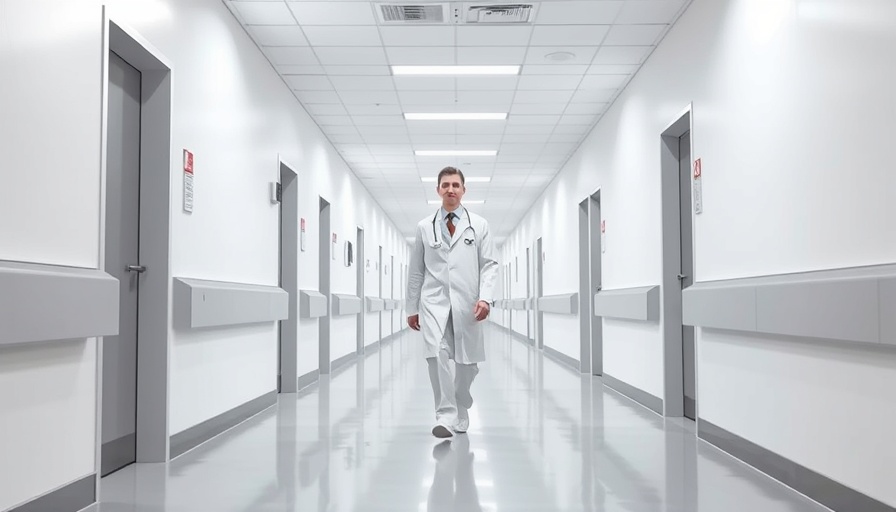
    Future-Proof Healthcare Facilities: Doctor in modern hospital hallway.

    Adapting to the Future of Healthcare Design

    As healthcare professionals and designers look to the horizon, the need for future-proof facilities has become increasingly apparent. Changes in technology, patient preferences, and environmental considerations are pushing healthcare facilities to adapt and evolve. Understanding these changes is not just about the present but also about creating a sustainable framework that benefits patients, staff, and the environment.

    Embracing Technological Innovations

    The healthcare industry is transforming rapidly, driven by advances in technology. According to industry experts, the next decade will witness a shift towards integrating computational design and artificial intelligence (AI) into facility planning. These technologies not only optimize operational efficiency but also help to create adaptable spaces that respond effectively to patient needs and emerging medical practices.
    Moreover, as telemedicine takes a more prominent role in patient care, healthcare facilities are being designed with flexibility in mind. Modular spaces or dedicated telehealth rooms allow for privacy and collaboration, making it easier to address a diverse array of patient interactions—all while maintaining efficiency.

    Prioritizing Patient Experience

    Patients now expect more than just medical care; they desire an experience similar to what they would find in hospitality settings. Designers are increasingly adopting a hospitality-inspired aesthetic that focuses on comfort and modernity. The use of natural lighting, quality materials, and biophilic design—an approach that emphasizes connection with nature—are becoming standard features in new healthcare facilities. 🌱
    These design innovations not only create pleasant environments but also enhance patient outcomes as studies suggest that aesthetics can significantly impact psychological well-being during recovery.

    Sustainable Practices in Healthcare Facilities

    Environmental sustainability is another crucial factor shaping the future of healthcare facilities. With more institutions adopting green building practices to mitigate their ecological footprint, energy efficiency has become a central goal. Advanced heating, ventilation, and air conditioning (HVAC) systems, along with intelligent building controls, are being utilized to optimize energy use without sacrificing the consistent performance required in healthcare settings. Adopting these practices not only aligns with regulatory standards but also demonstrates a commitment to a healthier planet for both future patients and the community

    Going green is not just about compliance; it is about setting the stage for a more sustainable future, which can lead to lower operating costs and improved community health.

    The Importance of Flexibility and Multi-Use Spaces

    The future of healthcare design hinges on creating adaptable environments that respond to ongoing changes in healthcare delivery. The concept of flexible spaces can significantly improve efficiency, allowing facilities to easily reconfigure for a variety of uses. This adaptability can foster collaboration among healthcare teams and support patient needs effectively. As healthcare continues to evolve, the integration of multi-use areas will be key in building resilient facilities that can accommodate shifting demands.

    As we look to the future, the healthcare landscape is set to change dramatically. By embracing innovation, prioritizing patient experience, ensuring sustainability, and designing flexible spaces, healthcare facilities can not only meet the challenges of today but also thrive in the future. Designing with an eye towards the future is about creating environments that foster healing, innovation, and community well-being.

    Environmental Technology

    21 Views

    0 Comments

    Write A Comment

    *
    *
    Please complete the captcha to submit your comment.
    Related Posts All Posts
    04.29.2026

    Transforming Our Homes: Top Strategies for Resilient Housing

    Update Building Resilience in Housing: Why It Matters Now More Than Ever In a world increasingly affected by climate change and natural disasters, the concept of resilient housing has never been more relevant. As communities face rising sea levels, extreme weather events, and other environmental challenges, developing housing solutions that withstand these pressures is essential. By investing in resilience, homeowners and builders can not only protect their properties but also contribute to the sustainability of local ecosystems. Understanding the Tenets of Resilient Housing Resilient housing incorporates a range of strategies designed to adapt to and endure challenges. These strategies may include using disaster-resistant materials, designing homes to minimize environmental impact, and optimizing energy efficiency. Each component plays a vital role in ensuring that housing can survive adverse conditions while maintaining a safe and comfortable living environment. 1. Materials Matter: Choosing Wisely One of the fundamental strategies for resilient housing is the selection of materials. Non-toxic, durable materials that resist mold, pests, and weather-related damage ensure long-term viability. Recent advancements in materials science offer innovative options, such as recycled composites and engineered wood, which can withstand extreme conditions while reducing environmental impact. 2. Design for Change: Flexibility in Architecture Adaptable home designs that account for potential changes in climate and natural surroundings can mitigate damage. Homes with elevated structures may reduce flooding risks, while energy-efficient designs can lower reliance on fossil fuels as conditions evolve. This flexibility in architectural design allows homeowners to prepare proactively for the unexpected. 3. Energy Efficiency: A Sustainable Choice Integrating renewable energy sources, like solar panels, not only contributes to resilience but also provides a sustainable energy solution in emergencies. Energy-efficient homes can lower carbon footprints while offering independence from unstable energy markets. These features attract environmentally conscious buyers and future-proof properties against evolving energy challenges. 4. Water Management: Protecting Against Floods Implementing effective water management systems, such as permeable pavements and rainwater harvesting, not only reduces flooding risks but conserves water resources. Homes equipped with advanced drainage systems can manage excess water during storms, protecting both the property and surrounding areas from erosion and water damage. 5. Community Involvement: Shared Resilience Building resilience isn’t just a solo endeavor. Community involvement is crucial for creating a resilient housing network. Collaborative planning efforts that involve local stakeholders can lead to smarter urban development, ensuring that infrastructure is designed to support resilient communities. Public awareness campaigns regarding disaster preparedness can further enhance local readiness to face challenges. Conclusion: The Future of Housing Incorporating these ten strategies into housing development not only equips homes to withstand future challenges but also fosters a more sustainable and resilient living environment. As the impacts of climate change become increasingly pronounced, embracing these practices will be vital for homeowners and communities alike. Understanding the relationship between housing and ecological health can empower individuals to make informed choices that will benefit future generations.

    04.29.2026

    Window Issues and Innovations: What Every Homeowner Should Know

    Update Understanding Common Window Issues in Modern Homes Homeowners often face a myriad of challenges with their windows, ranging from simple functionality issues to more complex concerns about energy efficiency and structural integrity. As sustainable building practices gain traction, addressing these problems becomes increasingly relevant, particularly when considering new innovations in window technology. Beware the Gaps: The Impact of Poor Window Installation One of the most common complaints among homeowners is related to gaps and drafts around windows. These gaps may arise from poor installation practices, leading to discomfort and increased energy bills. A report by a leading energy efficiency organization highlights that up to 30% of a home's heating and cooling costs can escape through poorly installed windows. Investing in proper installation and regular maintenance can significantly improve energy efficiency and enhance the comfort of living spaces. Environmental Impact of Window Selection Selecting the appropriate windows can have profound effects not only on utility bills but also on a home's overall environmental footprint. Recent advancements in non-toxic materials and sustainable design have made it easier for builders and homeowners to choose windows that are both eco-friendly and aesthetically pleasing. According to a study published in the Journal of Building Physics, windows made from recycled materials can achieve comparable thermal performance to traditional windows, while substantially reducing waste and environmental damage. Future Trends: Energy-Efficient Innovations on the Horizon The market is witnessing a shift towards energy-efficient windows equipped with smart technology. Innovations like automated blinds and thermochromic glass that dynamically adjusts to temperature changes help improve energy conservation. As awareness of climate change rises, more homeowners are likely to prioritize these technologies when selecting window solutions for their homes. Final Thoughts: Importance of Regular Maintenance Ongoing maintenance is crucial for preserving the longevity and functionality of windows. Regular inspections and repairs not only extend the lifespan of windows but also enhance the home's energy efficiency. Homeowners are encouraged to keep an eye out for signs of wear and tear, and promptly address any emerging issues to avoid larger problems down the line. In conclusion, being informed about potential window issues and the latest advancements in window technology equips homeowners with the knowledge to make better decisions. By investing in quality materials, proper installation, and ongoing maintenance, homeowners can enhance their living spaces and contribute positively to environmental sustainability.

    04.29.2026

    Discover the Kiwa Initiative's New Projects: A Leap Forward for Climate Resilience

    Update The Kiwa Initiative: A Commitment to Climate ResilienceOn April 27, 2026, in Suva, Fiji, the Kiwa Initiative unveiled four new projects aimed at enhancing climate resilience through Nature-based Solutions (NbS) across the Pacific. This multi-donor program, backed by France, the European Union, Canada, New Zealand, and Australia, has seen significant growth since its inception, now comprising over 45 projects across 17 Pacific Island countries and territories.Dr. Sivendra Michael of Fiji’s Ministry of Environment and Climate Change emphasized the importance of local and community-driven efforts in addressing the harsh realities of climate change. He noted that the Kiwa Initiative has already supported nearly 200 communities in Fiji to strengthen their resilience and manage their ecosystems sustainably. This integrated approach, which aligns closely with Fiji's national climate strategies, is paving the way for a more sustainable future.Spotlight on New Regional ProjectsAmong the new projects launched, three regional initiatives caught particular attention:Kiwa cFISH: This project operates in Papua New Guinea, the Solomon Islands, and French Polynesia, focusing on community-based fisheries management. By empowering marginalized communities and building capacity at local and national levels, Kiwa cFISH aims to promote sustainable fishing practices. It embodies the shift from intensive management toward a resilience-focused model that relies on grassroots advocacy and training.ActionAid Australia: Another regional project under the Kiwa Initiative aims to enhance local women's roles in environmental sustainability. It focuses on training and empowering women, recognizing their pivotal position in managing natural resources and ensuring the sustainability of fishery practices.WaterAid Australia's Initiative: This project addresses water security by improving access to clean water and implementing sustainable sanitation practices in remote communities, further enhancing community resilience to climate impacts.The Broader Impact of Nature-Based SolutionsThe Kiwa Initiative underscores the vital role of Nature-based Solutions as a response to climate change. The approach not only helps combat environmental challenges but also fosters social empowerment by building community capacities.According to the International Union for Conservation of Nature (IUCN), initiatives like Kiwa are particularly important as they reflect a paradigm shift—moving from viewing Pacific communities as victims of climate change to recognizing their role as proactive leaders in crafting sustainable solutions tailored to their unique cultural and environmental landscapes.Community-Led Approaches for ResilienceAs seen in the recent fifteen local projects launched last August, the emphasis is clear: local voices are crucial in climate action. By harnessing traditional knowledge and involving community members in every step of the process, the Kiwa Initiative showcases how grassroots approaches can lead to impactful and sustainable climate solutions. The initiative's capacity-building workshops and training sessions aim to equip local leaders with the skills they need to effectively implement these projects.The Path AheadAs the Kiwa Initiative continues to grow and adapt, it serves as a model for collaborative efforts in climate resilience worldwide. The combination of donor support, local expertise, and a commitment to sustainable practices can be the key to not only facing but thriving amid the challenges posed by climate change.Indeed, as Erik Lindebo of the European Union highlighted, investing in these projects is about securing the future of Pacific peoples in the face of escalating climate phenomena. The collective efforts to implement Nature-based Solutions could very well redefine how regions respond to environmental crises moving forward.

    Terms of Service

    Privacy Policy

    Core Modal Title

    Sorry, no results found

    You Might Find These Articles Interesting

    T
    Please Check Your Email
    We Will Be Following Up Shortly
    *
    *
    *