Add Row
Add Element
  • Facebook
    update
  • X
    update
  • YouTube
    update
  • Instagram
    update
  • update
  • YouTube
    update
  • Instagram
    update
Add Element
Home Health Hub
update

Strategies to Improve and
Maintain Vibrant Health

Home Health Hub logo
update
Add Element
  • Home
    • Categories
      • Regulation and Controls
      • Home and Office Design
      • Wellness Maintenance
      • Environmental Controls
      • Non-toxic Materials
      • Expert Interviews
      • Environmental Technology
    • Business Profiles
    March 04.2025
    3 Minutes Read

    Top Clean Protein Powders for Women: Fuel Your Health Naturally

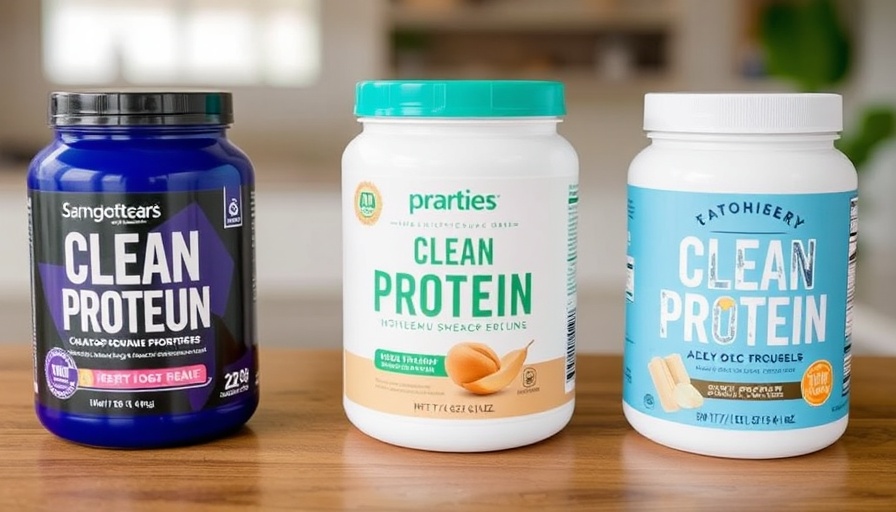
    9 Best Clean Protein Powders For Women (Editor Review)

    Unlocking the Power of Clean Protein Powders for Women

    In today's health-conscious world, the importance of protein cannot be overstated. For women, supplemental protein can be a game-changer, especially considering the common dietary shortfalls in this essential nutrient. As an experienced journalist, I've sifted through numerous options to bring you the best clean protein powders designed with women's unique needs in mind. These selections not only prioritize high-quality ingredients but are also mindful of taste, convenience, and nutritional benefits.

    The Necessity of Protein for Women

    Protein is an essential macronutrient crucial for various bodily functions—muscle repair, hormone production, and immunity, to name a few. Research suggests that the average woman should aim for approximately 34-46 grams of protein daily, increasing to around 70 grams during pregnancy. Inadequate protein intake can lead to fatigue, muscle loss, and other health concerns. Supplementing with the right protein powder can help bridge these nutritional gaps.

    Why Clean Protein Matters

    Protein powders can vary drastically in their composition, with some containing unhealthy additives, excess sugars, or artificial ingredients. Clean protein powders—defined by their use of organic and bioavailable ingredients—provide the benefits of protein without the downsides. When shopping for protein powders, look for verified options that contain at least 20 grams of protein per serving, are low in sugar, and have undergone third-party testing for purity.

    Comparative Insights from Multiple Expert Reviews

    Experts agree that not all protein powders are created equal, and some recommendations have emerged as top choices. According to fitness dietitian Dana White, the ideal protein intake varies based on activity level; those active may require higher amounts. Popular options like Orgain Organic Vegan Protein Powder and Dymatize ISO100 Hydrolyzed Protein Powder are praised for their effectiveness and nutritional content.

    In addition to foundational proteins, specialty powders like Ritual's Essential Protein Shake for Pregnancy offer tailored nutrition for expecting mothers, while others focus on unique blends that combine various protein sources.

    Our Top Picks for Women's Protein Powders

    1. Declared Best Overall: Orgain Organic Vegan Protein Powder
      This choice excels due to its well-rounded nutritional profile, great taste, and affordability. With a mix of pea, brown rice, and chia seeds, it provides 21 grams of protein, perfect for maintaining energy levels during a busy day.
    2. Best for Pregnancy: Ritual Essential Protein Daily Shake
      Designed specifically for pregnant and postpartum women, this protein powder contains essential nutrients to support both mother and child during crucial periods.
    3. Best All-in-One: Ka'Chava Chocolate Shake
      Packed with superfoods, this option supports active lifestyles, making it easy for women to nourish themselves on the go.
    4. Best Premium Option: Dymatize ISO100 Hydrolyzed Protein Powder
      A whey isolate that appeals to those looking for quick recovery with minimal digestive discomfort.
    5. Best Natural Choice: Promix Whey Protein Powder
      Made from grass-fed cows and devoid of hormones, this variant offers a clean, rich vanilla taste that seamlessly blends into any beverage.

    How to Incorporate Protein Powder into Your Daily Routine

    Protein powders can be consumed in various ways to fit into a busy lifestyle. Using it as an ingredient in smoothies, baking, or even your morning coffee can enhance your overall protein intake without hassle.

    Additionally, it is worth noting the importance of timing. Consuming protein early in the day, especially at breakfast or post-workout, maximizes its benefits. Remember not to dry scoop; always mix your protein powder to ensure proper nutrient absorption.

    Conclusion: The Benefits of Clean Protein Powders

    Understanding how to choose the right protein powder can empower women to meet their nutritional needs effectively. Leveraging clean, high-quality protein from trusted brands ensures that you’re supporting your health goals without compromising on taste or quality. Whether you’re focusing on building muscle, maintaining energy, or supporting reproductive health, there is a clean protein powder perfect for your lifestyle. Don't overlook the potential these supplements offer; their convenience makes it easier than ever to meet your daily recommended protein intake!

    Explore our curated list and discover the best clean protein powder for your needs—your body will thank you!

    Wellness Maintenance

    20 Views

    0 Comments

    Write A Comment

    *
    *
    Related Posts All Posts
    01.12.2026

    Exploring Ketosis: A Tactical Guide for Better Mood and Cognition

    Learn about the ketosis benefits for mood and cognition, and explore practical insights for optimal brain health.

    01.01.2026

    Exploring the Rise of Food Allergies: Insights into EpiPen Use

    Learn about the rise of food allergies, the role of EpiPens in management, and essential insights on proper usage and safety.

    12.26.2025

    How Stem Cells Treatment Is Transforming Modern Medicine—And Where Wellness-Based Support Fits In

    More than five million people worldwide have benefited from medical stem cell transplants, with many experiencing life-changing results for conditions once deemed incurable. Stem cell treatment is emerging as one of the most groundbreaking advances in modern medicine, offering hope to patients battling cancer, autoimmune diseases, and neurodegenerative disorders.Important ContextThe widely cited figure of five million beneficiaries refers specifically to medical stem cell treatments, such as bone marrow and hematopoietic stem cell transplants. It does not apply to wellness products, supplements, or non-invasive approaches designed to support general cellular health.As research expands, so does public curiosity—along with confusion. Patients are often left wondering which approaches are clinically proven, which are experimental, and where non-medical wellness strategies fit into the conversation.Discover Why Stem Cell Treatments Are Reshaping HealthcareUnlike conventional therapies that often focus on symptom management, stem cell treatments aim to repair or regenerate damaged tissue at a cellular level. From restoring blood and immune systems after cancer therapy to exploring regenerative options for heart disease and autoimmune conditions, the medical potential is significant.Expert Insight“Stem cell therapy represents one of the most promising frontiers in modern medicine—but it’s also one of the most misunderstood. While some applications are well-established and lifesaving, many others are still under investigation and must be approached with scientific rigor.”— Regenerative Medicine Specialist What You'll Learn About Stem Cells TreatmentThe fundamental science behind stem cells treatment and cell therapyMajor types of stem cell therapies and their specific usesCurrent and emerging applications in regenerative medicineCritical evaluation of proven stem cell therapies vs. unproven stem cell treatmentsPotential risks, side effects, and ethical considerationsGuidance on clinical trials, cost analysis, and patient safetyStem Cells Treatment Explained: From Basics to BreakthroughsAt its core, stem cell treatment involves using specialized cells capable of developing into various tissue types—muscle, nerve, bone, or blood. This ability forms the foundation of regenerative medicine.The earliest and most established example is the bone marrow transplant, used for decades to treat blood cancers and immune disorders. Today, research has expanded into multiple stem cell types, each with distinct roles, benefits, and limitations.Types of Stem Cells Used in Medical TreatmentEmbryonic stem cells – pluripotent, ethically regulatedAdult stem cells – including hematopoietic and mesenchymal cellsInduced pluripotent stem cells (iPSCs) – reprogrammed adult cellsPerinatal stem cells – sourced from umbilical cord tissueThese therapies are tightly regulated and evaluated through clinical trials before approval.A Non-Invasive, Wellness-Based Perspective on Stem Cell SupportNot all discussions about stem cells involve medical procedures.Wellness Perspective“One challenge in conversations about stem cells is that many people immediately think of injections, high costs, or controversial sources,” explains EstherSue Murray, MBA, wellness educator and HealthyHome distributor. “For many individuals, those associations create hesitation before they even learn that non-invasive approaches exist to support the body’s natural regenerative processes.”Many readers interested in supporting the body’s natural healing processes also explore lifestyle and holistic approaches that address hormonal balance, stress management, and environmental wellness — as discussed in our feature on Common Menopausal Challenges and Holistic Coaching Solutions.Murray emphasizes that HealthyHome’s products are not stem cell treatments, not medical procedures, and not intended to diagnose, treat, cure, or prevent disease. Instead, they are positioned within the wellness category.“Our focus is education and personalization,” she notes. “We help people understand how wellness products may support the body’s natural stem cell activity, without making medical claims.”How Stem Cell Treatments Work (Medical Context)Medical stem cell treatments may:Differentiate into specialized cellsRelease growth factors that stimulate repairModulate immune responsesClinical Perspective“In many cases, the benefit comes less from replacing tissue directly and more from signaling the body to heal itself,” notes a leading stem cell researcher. “This distinction is critical for setting realistic expectations.”Many experts also emphasize that environmental factors and toxic burden influence how well the body’s natural regenerative processes function, so approaches that address both cellular health and toxic load can be complementary to overall wellness strategies.→ Learn more about reducing toxic load at HomeHealthHub: 7 Safe Floor Cleaner Alternatives for Health-Conscious Homeowners. Proven vs. Unproven Stem Cell TreatmentsProven stem cell therapies undergo:Controlled clinical trialsRegulatory reviewLong-term safety monitoringUnproven interventions—often marketed online or abroad—may lack evidence and oversight.Regulatory Warning“Patients should be extremely cautious of clinics advertising stem cell cures without FDA approval or peer-reviewed evidence.”— U.S. Food and Drug AdministrationDiseases and Conditions Treated by Stem CellsNeurological disorders (e.g., Parkinson’s, MS)Orthopedic injuries and arthritisCardiovascular diseasesDiabetesBlood disorders (e.g., leukemia, lymphoma)Autoimmune diseases Personal Experiences vs. Medical EvidenceMurray notes that many people learn about wellness-based stem cell support through shared personal experiences.“These stories are not clinical evidence,” she explains. “They’re individual experiences, and results vary. That’s why we focus on education rather than promises.” Cost, Access, and Informed Decision-MakingMedical stem cell treatments can exceed $100,000 and are often limited to hospital or trial settings. Wellness products, by contrast, operate outside the medical system and are not insurance-covered treatments.“Cost alone should never drive a health decision,” notes a health policy expert. “Evidence, safety, and professional guidance matter most.”Speak With a Wellness EducatorInterested in learning more about non-invasive wellness approaches that support the body’s natural regenerative processes? EstherSue Murray offers one-on-one educational conversations to help individuals understand how HealthyHome products are used and whether they may align with personal wellness goals. Visit her website for additional information.👉 Click to call or text: 845-591-8871(Educational consultation only — not medical advice)By Jim GreenFounder, HomeHealthHub.netDigital health publisher focused on wellness education, environmental health, and emerging regenerative technologies.Disclaimer:This content is for educational purposes only and is not intended to diagnose, treat, cure, or prevent any disease. Wellness products discussed are not FDA-approved drugs. Individual results vary. Consult a qualified healthcare professional before beginning any new wellness regimen.

    Terms of Service

    Privacy Policy

    Core Modal Title

    Sorry, no results found

    You Might Find These Articles Interesting

    T
    Please Check Your Email
    We Will Be Following Up Shortly
    *
    *
    *