Add Row
Add Element
  • Facebook
    update
  • X
    update
  • YouTube
    update
  • Instagram
    update
  • update
  • YouTube
    update
  • Instagram
    update
Add Element
Home Health Hub
update

Strategies to Improve and
Maintain Vibrant Health

Home Health Hub logo
update
Add Element
  • Home
    • Categories
      • Regulation and Controls
      • Home and Office Design
      • Wellness Maintenance
      • Environmental Controls
      • Non-toxic Materials
      • Expert Interviews
      • Environmental Technology
    • Business Profiles
    March 17.2025
    3 Minutes Read

    The Benefits of Non-Toxic Cleaning Products: A Safer, Greener Future


    In recent years, the demand for non-toxic cleaning products has skyrocketed. More consumers are recognizing the dangers of traditional chemical-based cleaners and seeking safer, eco-friendly alternatives. With concerns about personal health, environmental sustainability, and plastic waste reduction, we recently asked expert Carol Pierce of Melaleuca how eco brands are stepping up to offer effective solutions that are both safe and sustainable.

    Why Switch to Non-Toxic Cleaning Supplies?

    Many conventional cleaning products contain harsh chemicals like chlorine bleach, ammonia, and formaldehyde. These substances not only pose risks to human health—potentially triggering allergies, skin irritation, and respiratory issues—but also contribute to environmental pollution. Toxic residues can linger on surfaces, enter waterways, and harm wildlife.

    In contrast, non-harmful cleaning products made from biodegradable, plant-based ingredients offer a powerful yet safer alternative. They clean just as effectively but without the risks associated with harsh chemicals.

    The Environmental Impact of Traditional Cleaners

    According to Carol, the chemicals found in many household cleaners don’t just disappear once they’re rinsed down the drain.
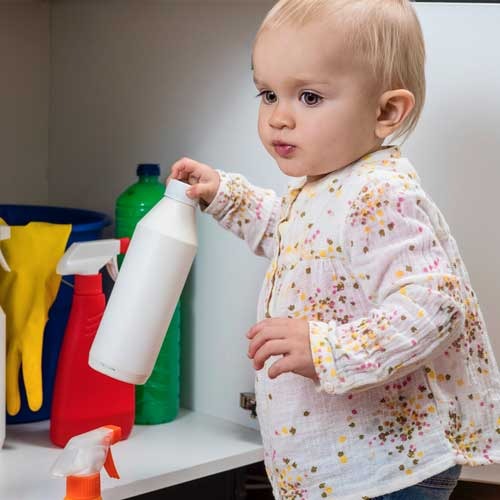
    They can accumulate in rivers, lakes, and oceans, affecting marine life and the overall ecosystem. Additionally, plastic waste from single-use cleaning bottles adds to the growing problem of landfill pollution.

    "Eco-conscious companies like Melaleuca are combating this issue with biodegradable, concentrated cleaning products that reduce plastic waste by up to 90%."

    Their refillable packaging and plant-derived ingredients help minimize the negative environmental impact of household cleaning.

    How Non-Toxic Cleaning Products Benefit Your Home

    Switching to eco-friendly cleaning supplies isn’t just better for the planet—it’s also better for your family. Many green cleaners, including those from Melaleuca, are free from toxins that could be harmful to children and pets. Since they avoid volatile organic compounds (VOCs) and synthetic fragrances, they improve indoor air quality and create a healthier home environment.

    Do Non-Toxic Cleaners Work as Well as Chemical-Based Ones?

    A common misconception is that non-toxic cleaning products are less effective than their chemical-laden counterparts.

    However, advancements in green cleaning technology have made plant-based formulas just as powerful. Brands like Melaleuca utilize ingredients such as citric acid, thyme oil, and coconut-derived surfactants to break down grease, grime, and stains without leaving behind harmful residues.

    Cost-Effective and Sustainable Cleaning Solutions

    Another reason people hesitate to switch to eco-friendly cleaning products is the perceived higher cost. While some green brands can be expensive, Melaleuca and similar companies counter this by offering concentrated formulas that last longer and provide a lower cost per use. This means consumers save money while also reducing packaging waste—making it a win-win situation.

    The Future of Green Cleaning

    As more people become aware of the benefits of non-toxic, non-harmful cleaning products, the industry is evolving to meet the demand. Companies are continuously improving their formulations, increasing accessibility, and making sustainability a key focus.

    If you're hesitant about making the switch, start small—try one eco-friendly product and see the difference.
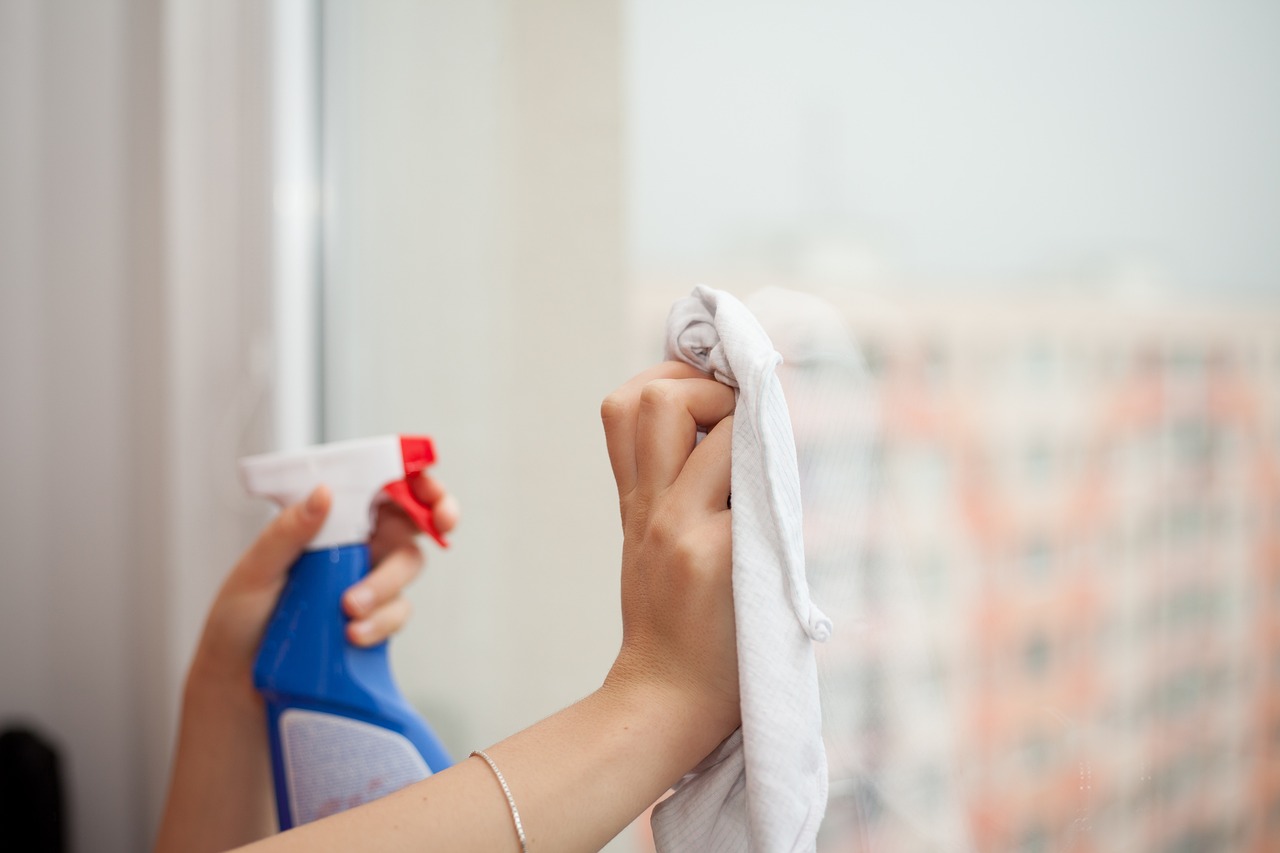
    A healthier home and a cleaner planet are well worth the transition.


    Learn More


    Expert Interviews

    78 Views

    0 Comments

    Write A Comment

    *
    *
    Please complete the captcha to submit your comment.
    Related Posts All Posts
    04.16.2026

    Mastering Steel Beam Penetrations: Essential Insights for Builders

    Update Understanding Steel Beam Penetrations in Foundation WallsIn modern construction, detailing steel beam penetrations in foundation walls is crucial for structural integrity. As buildings become more complex, engineers must skillfully navigate these interactions to ensure safety and efficiency. This process involves careful planning and execution, as improper detailing can lead to significant structural issues.Importance of Detailed DesignDetailing is not just about aesthetics; it's a matter of safety. Properly designed penetrations accommodate the beams without compromising the foundation's stability. Architects and engineers must collaborate to create detailed drawings that address load transfer and waterproofing concerns. Addressing these factors from the beginning can prevent costly modifications during construction.Common Challenges and SolutionsOne major challenge in detailing steel beams is ensuring that the penetrations align correctly with the beams' load path. Misalignment can lead to structural failures. To combat this, many engineers are adopting building information modeling (BIM) technologies that allow precise visualizations of how components will fit together. This can provide solutions that were previously overlooked.Real-World ApplicationsConsider a multi-story residential building where steel beams must penetrate the foundation walls to support upper floors. Engineers need to ensure that these penetrations abide by local building codes while also considering environmental factors such as water intrusion and soil conditions. Employing non-toxic sealants around penetrations helps mitigate potential water damage, aligning with a growing emphasis on sustainability in construction practices.Future Trends in Construction DesignThe future of foundation detailing will likely see a trend towards more innovative materials and construction methods. Green technologies, such as the use of recycled materials for steel beams or eco-friendly coatings for enhanced durability, are becoming increasingly popular. As more projects emphasize sustainability and resilience, detailing practices must evolve to accommodate these materials.In conclusion, as construction technologies advance, so too must the methodologies for detailing steel beam penetrations in foundation walls. Constructors and engineers must remain vigilant and collaborative, utilizing modern tools and practices to maintain safety and efficiency in their designs.

    04.15.2026

    Preparing Australia’s HVAC Workforce for the Future of Technology

    Explore the evolving landscape of the HVAC workforce in Australia and how training programs are being modernized to meet technological advancements essential for future success.

    02.21.2026

    Randy Williams: Unveiling the Evolution of a Green Building Expert

    Discover Randy Williams' career path, from construction to energy auditing in green building. Insightful perspectives on sustainable homes and building science.

    Terms of Service

    Privacy Policy

    Core Modal Title

    Sorry, no results found

    You Might Find These Articles Interesting

    T
    Please Check Your Email
    We Will Be Following Up Shortly
    *
    *
    *