



Understanding SLS, SLES, and SLSA: What You Need to Know
When you're shopping for cleaning products or personal care items, you’ve likely encountered the acronyms SLS, SLES, and SLSA. But what do they really mean? Understanding these chemicals is crucial for homeowners who are trying to make informed purchasing choices. Let's unpack what each of these ingredients signifies and how they differ, so you can make the best choice for your home and family.
What Are SLS, SLES, and SLSA?
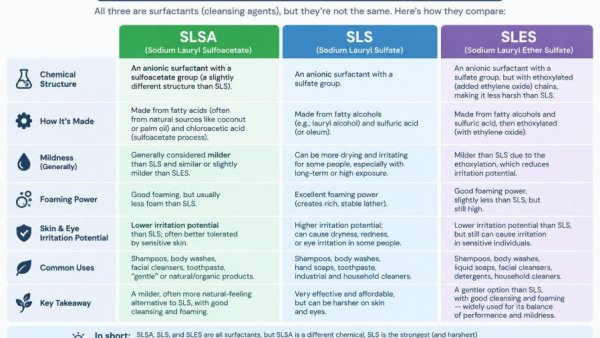
Sodium Lauryl Sulfate (SLS) is a common surfactant found in many cleaning products, toothpaste, and shampoos. It's known for its excellent foaming ability, which helps products create that bubbly lather we associate with effective cleaning. However, be aware that SLS can also be harsh on skin and hair, leading to dryness and irritation. For those with sensitive skin or specific health concerns, SLS might not be the best option.
In contrast, Sodium Laureth Sulfate (SLES) is a gentler derivative of SLS. It undergoes additional processing that makes it milder, aiming to lessen the skin irritation that some users experience with SLS. Homeowners looking for cleaning products that still foam well but are less harsh may prefer SLES over SLS. SLES creates a more pleasant experience, especially for those using products frequently or for extended periods, such as in households with children.
Finally, Sodium Lauryl Sulfoacetate (SLSA) is a newer addition to the lineup. As a naturally derived alternative that is sulfate-free, it is significantly milder than both SLS and SLES. This makes SLSA particularly attractive for individuals with sensitive skin or allergies, as it helps maintain healthy skin without sacrificing cleaning power. Many eco-conscious homeowners are opting for products that feature SLSA, especially as awareness of skin health continues to rise. Brands that promote SLSA often market their products as being friendly to both your skin and the environment.
Why Should Homeowners Care?
Understanding the differences between these ingredients is essential for making healthier choices in your home. As awareness about the potential side effects of synthetic chemicals grows, many people are seeking out non-toxic alternatives for household cleaning products. The push for safer ingredients is especially relevant in homes with children or pets, where exposure to harmful chemicals can have long-term effects.
Moreover, SLS and SLES are derived from petroleum. In an era where sustainability and eco-friendliness are becoming priorities, opting for products with SLSA may help you contribute to environmentally responsible practices. Many SLSA-containing products are made using renewable resources, making them a more eco-conscious choice. That's an important consideration for today's environmentally aware homeowner.
As the market for cleaning products expands, consumers are increasingly interested in transparency. Many brands are now clearly labeling their ingredients, helping you discern between traditional surfactants and those that are more sustainable and skin-friendly. This shift in the market emphasizes the importance of being informed before making purchases and encourages brands to continue developing safer options.
Making Informed Choices
When it comes to your home and family, you shouldn't have to compromise between effective cleaning and safety. The good news is that there are many cleaning brands that have prioritized developing formulas that are both effective and gentle on the skin. Be on the lookout for products that feature SLSA or those labeled as "sulfate-free," as they tend to be kinder alternatives.
Don't hesitate to do additional research or ask specific questions about the ingredients in your cleaning and personal care products. The more informed you are, the better choices you’ll make for the health and wellness of your household. Websites that focus on ingredient safety, along with consumer-focused reviews, can be valuable tools in your search for safer options.
If you're not sure which products to try, consider starting with brands that have gained a reputation for their commitment to quality and safety. Many health-oriented grocery stores also provide selections of cleaning supplies designed with safety in mind, helping you find products that meet your needs without compromising on effectiveness.
Conclusion: The Future of Clean is Gentle
As we move towards a future that emphasizes natural and environmentally friendly products, understanding SLS, SLES, and SLSA is vital for homeowners. Not only can these choices benefit your health, but they also contribute to a more sustainable planet. The power of knowledge shouldn't be underestimated; having a clear understanding of what goes into the products you use every day is crucial to creating a safe environment for loved ones.
Stay curious and keep questioning the contents of the products you use daily. The journey to a safer, cleaner home begins with education. Ready to make the switch to gentler cleaning products? Explore brands that prioritize non-toxic ingredients and help protect your home and the environment.
Your informed choices today can lead to a healthier tomorrow for both your family and the planet. Embrace the shift towards responsible cleaning solutions and be an advocate for safer alternatives in your community.










Write A Comment