Add Row
Add Element
  • Facebook
    update
  • X
    update
  • YouTube
    update
  • Instagram
    update
  • update
  • YouTube
    update
  • Instagram
    update
Add Element
Home Health Hub
update

Strategies to Improve and
Maintain Vibrant Health

Home Health Hub logo
update
Add Element
  • Home
    • Categories
      • Regulation and Controls
      • Home and Office Design
      • Wellness Maintenance
      • Environmental Controls
      • Non-toxic Materials
      • Expert Interviews
      • Environmental Technology
    • Business Profiles
    February 19.2025
    2 Minutes Read

    San Antonio’s Major Solar Project: A $30.8 Million Step Towards Climate Resilience

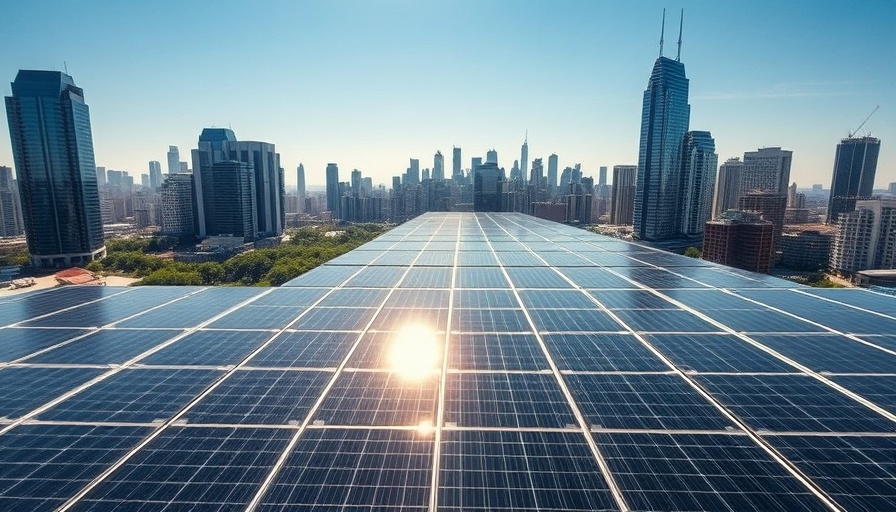
    Aerial view of San Antonio solar project with city skyline.


    San Antonio's Bold Move to Solar Energy

    San Antonio is leading Texas into a sustainable future with its remarkable $30.8 million solar project, which stands as the largest on-site solar venture by a local government in the state. As the project advances, 13 out of 42 installations have already been commissioned, marking a significant step toward the city’s ambitious goal of achieving net-zero energy for all municipal buildings by 2040.

    The Impact of Solar Energy on Municipal Buildings

    The solar project encompasses diverse municipal facilities, applying solar photovoltaic (PV) systems and solar canopies that will generate energy while providing protection from the elements. Among these facilities is the Public Safety Answering Point, which, once operational, will meet approximately 77% of the building's energy needs with a newly established 1.18-megawatt system. This ambitious effort not only reduces annual electricity costs by up to $1.8 million but also diminishes building emissions by nearly 18%—a crucial move in lowering the city’s overall carbon footprint.

    Funding and Future Predictions

    Funding for this transformative initiative comes from a mix of $18.3 million in bonds and $10 million from Inflation Reduction Act tax credits, complemented by a $2.5 million loan from the State Energy Conservation Office. With these resources, San Antonio anticipates repaying its investment in about ten years, using the savings generated from reduced energy costs. As the remaining installations are projected to be completed by fall 2026, the city is on track to set an exemplary benchmark for local governments across the nation in sustainable energy use and climate responsibility.

    Collaborative Efforts Driving Change

    Large-scale projects such as this one are made possible through collaborations with local companies like Big Sun Solar, which are at the forefront of the initiative's development and implementation. The partnership not only highlights the importance of local expertise in managing such projects but also emphasizes the job opportunities that arise as the city transitions to a greener economy. As Doug Melnick, San Antonio’s chief sustainability officer, aptly stated, "Cities need to be leaders in addressing climate change." San Antonio certainly exemplifies this leadership through its forward-thinking energy strategies.

    By championing innovative solutions like this solar project, San Antonio is not merely reacting to environmental challenges; it's proactively shaping its future. The implications extend beyond savings and emissions reduction, presenting a model for sustainable municipal operations nationwide.


    Environmental Technology

    23 Views

    0 Comments

    Write A Comment

    *
    *
    Please complete the captcha to submit your comment.
    Related Posts All Posts
    04.19.2026

    Double Stud Walls and ICF Frost Walls: A Blueprint for Energy Efficiency

    Update Exploring the Benefits of Double Stud Walls The construction industry has seen a significant shift towards energy-efficient building methods, and the use of double stud walls is among the most effective strategies. By utilizing two parallel walls, this design traps a layer of insulation between them, leading to improved thermal performance. This technique reduces heat loss during winter and keeps buildings cooler during the summer months, effectively lowering energy costs for homeowners. What are ICF Frost Walls? Insulated Concrete Forms (ICFs) serve as a modern alternative to traditional concrete framing. An ICF offers excellent durability and insulation properties, making it a favored choice in regions with extreme weather conditions. Frost walls, in particular, are designed to resist the pressures of frost heave, an issue prevalent in colder climates. The combination of double stud walls with ICF frost walls creates a robust thermal envelope, promoting energy efficiency and comfort in varying weather conditions. Combining Technologies for Optimal Efficiency Integrating double stud walls with ICF systems enhances a building’s insulation performance. The synergy between these two methods allows for an airtight structure which minimizes air leakage. According to energy audits, well-constructed ICF walls paired with double-stud techniques outperform conventional wall systems significantly. The result is not only lower energy bills but also a healthier living environment due to reduced drafts and improved humidity control. Future Trends in Green Building The trend toward energy-efficient buildings will only grow as technology and building practices advance. Architects and builders are increasingly exploring hybrid systems that capitalize on the advantages of both double stud walls and ICF frost walls. As manufacturers innovate and develop newer materials, these construction techniques will become more accessible and widely adopted, eventually shaping the future of sustainable architecture. Conclusion: Embrace Sustainable Practices Incorporating double stud wall technology with ICF frost walls presents an intelligent solution for those looking to build sustainably. Not only can this combination provide significant energy savings, but it also aligns well with growing environmental standards. Homeowners and developers alike are encouraged to consider these innovative methods in their next construction project to create a more sustainable future.

    04.19.2026

    Unlocking Airtightness and Insulation: The Key to Passive House Design

    Update The Rise of Passive House Design: Why It Matters As sustainability increases in importance across the world, the Passive House design emerges as a leading solution in energy-efficient architecture. By focusing on airtightness and superior insulation, Passive Houses create buildings that dramatically reduce energy consumption while ensuring comfort for occupants. This design philosophy has gained traction, particularly in regions grappling with cold winters and high energy costs, making it an appealing choice for homeowners and builders alike. Understanding Airtightness in Building Designs One of the key components of a successful Passive House is its airtightness. Effectively minimizing air leaks is crucial for maintaining energy efficiency, as uncontrolled air infiltration can lead to significant energy loss. Airtight construction techniques, such as using airtight membranes and employing specialized sealing materials, are essential for achieving the desired performance. Numerous studies have documented the energy-saving potential of these methods, highlighting reductions in heating and cooling needs. Insulation: The Heart of Energy Efficiency Another critical aspect of Passive House design is insulation. Sufficient thermal insulation keeps indoor environments comfortable throughout the year, regardless of outside conditions. High-performance materials such as cellulose, fibreglass, and rigid foam boards not only provide excellent insulation value but also contribute to the indoor air quality by preventing moisture build-up. An effective insulation strategy is paramount, especially in regions experiencing extreme climate fluctuations. Local Incentives and Support for Sustainable Practices Many regions have implemented incentives and support programs to promote sustainable building practices like the Passive House standard. Incentives such as tax breaks, grants, and access to financing can considerably reduce the financial burden on homeowners and contractors looking to adopt these methods. These programs are pivotal in making energy-efficient designs more accessible to the average consumer, encouraging a more significant transition towards sustainable living. Future Prospects: Building Towards Sustainability As awareness of climate change escalates, the demand for construction practices that prioritize sustainability will only grow. The Passive House movement offers a viable path not only to lower energy bills but also to reduce our carbon footprint. The ongoing innovations in materials and building technologies are set to bolster these initiatives, making them more viable for widespread adoption across different regions. Actionable Insights for Homeowners and Builders For homeowners considering a new build or renovation, paying attention to airtightness and insulation will prove beneficial long-term. By investing in energy-efficient materials and adhering to Passive House principles, homeowners can ensure comfort, cut costs, and contribute positively to the environment. Builders likewise stand to benefit from embracing these standards, equipping themselves with the knowledge and skills necessary to respond to increasing consumer demand for sustainable construction solutions.

    04.17.2026

    EPA's WRAP 2.0: The Future of Water Reuse for All Americans

    Update The Launch of WRAP 2.0: Addressing America's Water Crisis In an ambitious move, EPA Administrator Lee Zeldin has unveiled the Water Reuse Action Plan (WRAP) 2.0, aiming to revolutionize how the United States approaches water resources. This updated plan focuses on the 'next generation' of water reuse, promising to transform wastewater into clean, reliable resources for American industries. In doing so, it not only addresses pressing water shortages but also strengthens the foundations of public health and environmental safety across the nation. Why Water Reuse Matters Now More Than Ever The need for effective water reuse strategies is urgent. As per the EPA, an alarming forty states in the U.S. are expected to face freshwater shortages in the near future. Aging infrastructure, increasing populations, and ongoing climate-related challenges amplify these concerns. WRAP 2.0 represents a proactive approach to mitigating these issues by promoting water recycling initiatives that can supply agriculture, industry, and even homes with safe water. By responding to these challenges, the plan promises economic and health benefits that directly impact communities nationwide. Pioneering Partnerships for Water Resilience In a remarkable display of collaboration, WRAP 2.0 emphasizes partnerships between government agencies, private sectors, and community stakeholders. With nearly 200 partners already invested in this water initiative, the collaborative ethos will enable swift progress in adopting innovative water reuse technologies. Public waters that can be recycled are crucial for various uses, including industrial processes, drinking supplies, and even agriculture. Such partnerships not only foster innovation but also ensure that diverse voices are heard in the decision-making processes surrounding water use. Economic Benefits of Water Reuse As water scarcity threatens economic stability, WRAP 2.0 holds the potential to enhance American prosperity. By reducing costs and ensuring a high-quality water supply, industries reliant on microchip fabrication, data centers, and energy development can thrive. Suzanne Clark, President and CEO of the U.S. Chamber of Commerce, emphasized that secure water resources are essential for business growth, stating that initiatives like WRAP 2.0 advance industry-led approaches to safeguard our nation’s future. Looking Ahead: A Vision for Sustainable Water Practices WRAP 2.0 is not just a regulatory framework but a roadmap that encourages innovative practices and sustained collaboration. This initiative is vital for securing water resources essential for future generations while keeping the economy thriving. The plan includes specific targets aimed at optimizing water reuse, especially with sectors critical for America’s energy dominance and technological advancements. As communities strengthen their water infrastructure through these strategies, they pave the way for a more resilient future. In conclusion, the Water Reuse Action Plan 2.0 is a promising leap forward in America's fight against water scarcity. As we bolster collaborations and advance innovative technologies for water reuse, we can ensure a sustainable, prosperous future for our communities. Embracing water reuse practices not only serves our immediate needs but also protects our precious resources for generations to come. Let's make sure our voices are heard and consider how we can actively participate in these transformative efforts.

    Terms of Service

    Privacy Policy

    Core Modal Title

    Sorry, no results found

    You Might Find These Articles Interesting

    T
    Please Check Your Email
    We Will Be Following Up Shortly
    *
    *
    *