• Facebook
    update
  • X
    update
  • YouTube
    update
  • Instagram
    update
  • update
  • YouTube
    update
  • Instagram
    update
Home Health Hub
update

Strategies to Improve and
Maintain Vibrant Health

Home Health Hub logo
update
  • Home
    • Categories
      • Regulation and Controls
      • Home and Office Design
      • Wellness Maintenance
      • Environmental Controls
      • Non-toxic Materials
      • Expert Interviews
      • Environmental Technology
    • Business Profiles
    August 25.2025
    2 Minutes Read

    Prepping for Siga Fentrim Tape: Why Filling Gaps is Essential

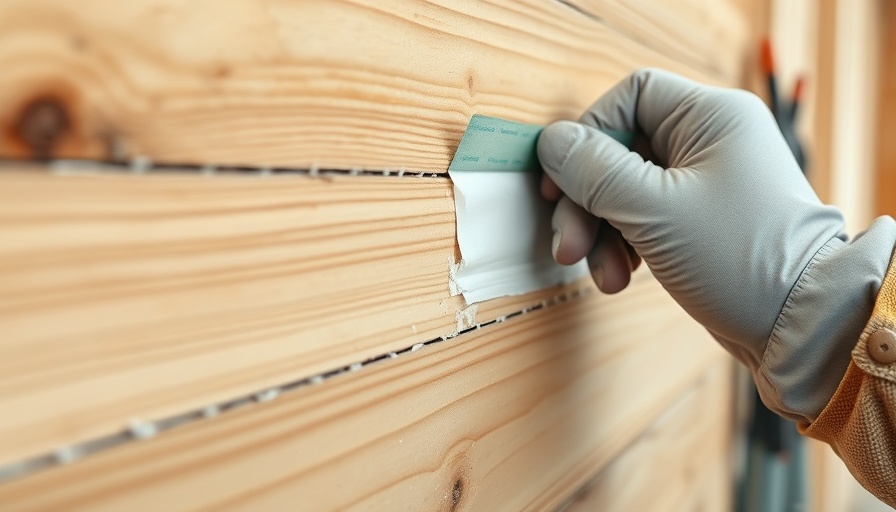
    Worker filling gaps before applying Siga Fentrim tape.

    Understanding the Role of Siga Fentrim Tape in Construction

    Siga Fentrim tape is gaining popularity in building practices due to its effectiveness in sealing gaps that can compromise energy efficiency. It is widely used in high-performance construction projects, particularly in passive house designs, where the challenges of air leaks are paramount. However, before applying Siga Fentrim tape, many consumers wonder about the importance of adequately preparing the surfaces to ensure a strong bond. This brings us to the crucial topic of filling the gaps before application.

    Why Filling Gaps Matters

    Gaps in building materials can lead to significant energy loss, moisture intrusion, and air quality issues. By addressing these gaps before applying the tape, builders and homeowners can enhance the overall performance of their structures. Filling gaps can also extend the lifespan of the sealing tape by reducing stress on the adhesive bond associated with movement in building materials.

    Choosing the Right Filling Material

    When selecting a filling material for gaps, it is essential to choose non-toxic options that do not emit harmful chemicals, aligning with the principles of sustainable construction. Commonly used fillers vary from expanding foam to caulk, each with unique advantages and limitations. For instance, expanding foam is more effective at filling larger voids, while caulk can accommodate minor cracks effectively.

    Practical Tips for Gap Filling

    1. Surface Preparation: Ensure the surfaces where the filler will be applied are clean and dry to enhance adhesion. Dirt, dust, and moisture can significantly weaken the fill, leading to future problems.

    2. Application: Follow the manufacturer's instructions for the filler to ensure adequate application. Different products may require different techniques for optimal effectiveness.

    3. Inspection: After filling the gaps and allowing adequate curing time, inspect your work before applying the Siga Fentrim tape. A visual inspection and, if needed, a test for air leaks can save a lot of trouble down the road.

    Future Trends in Non-Toxic Building Solutions

    As the demand for eco-friendly construction materials increases, the market for non-toxic fillers and adhesives is also growing. Innovators in the construction industry are now focusing on developing sustainable materials that have lower environmental impacts. This trend is important for builders and homeowners alike, as it represents a commitment to health and sustainability in our built environments.

    Making Informed Choices for Effective Sealing

    Ultimately, filling gaps before applying Siga Fentrim tape is not merely a preparatory step; it’s an investment into the durability and efficiency of your building project. Understanding the properties of your filling materials and their interactions with sealing solutions is key to achieving a successful application.

    The movement towards comprehensive environmental controls and sustainability in construction is inspiring; it’s an opportunity for both industries and consumers to make choices that benefit not just their immediate environment but the planet as a whole. As technology evolves, so too will our methods, offering us innovative solutions for healthier living and working spaces.

    Non-toxic Materials

    69 Views

    0 Comments

    Write A Comment

    *
    *
    Please complete the captcha to submit your comment.
    Related Posts All Posts
    05.12.2026

    Exploring Fire-Resistant Building Materials: The Art of Hardening Structures

    Update Understanding the Art of Hardening for Fire Safety In an era marked by frequent natural disasters and heightened wildfire risks, the evolution of building materials is paramount. Architects and builders are increasingly focusing on integrating fire-resistant materials into their designs without sacrificing aesthetic appeal. A striking example of this is architect Dan Brunn's Bridge House in Los Angeles, which showcases Corten steel fencing as a resilient fire barrier. While steel may melt at high temperatures, its non-combustible nature makes it a far superior choice compared to traditional wood. Innovative Materials: Fire-Resistant Technologies As emphasized in a comprehensive review of fire-resistant building materials, the combination of novel compositions such as intumescent materials and bio-based alternatives is revolutionizing construction safety. These innovations inhibit the spread of flames and minimize fire damage through engineered structural designs. Buildings like the stucco slab-on-grade house designed by AAHA Studio in Pacific Palisades have demonstrated this potential. Its standing-seam steel roof and stone cladding may have played a crucial role in its protection against catastrophic wildfires. Why Choose Metals for Fire Protection? Fire-resistant metals like copper, brass, and weathering steel offer impeccable properties for passive fire protection. These materials not only withstand high temperatures but also do not combust, serving as effective shields against flames. Notably, these metals present architects with the flexibility to design intricate and beautiful structures while adhering to strict fire codes. As highlighted in a recent article by Dissimilar Metal Design, the incorporation of natural metal retains aesthetic beauty and enhances safety, forging a vital connection between design and fire protection. The Role of Landscaping in Fire Defense Interestingly, fire-resistant architectural elements extend beyond the structure itself. Landscaping can further fortify buildings against fire. Utilizing weathering steel and aluminum for features like fencing and retaining walls not only enhances visual appeal but acts as a barrier against flames. This holistic approach ensures that safety measures are seamlessly integrated into the surrounding environment, thereby enhancing the overall resilience of the property. Conclusion The art of hardening structures against fire incorporates innovative materials and clever design. By understanding and utilizing the properties of fire-resistant metals and composite materials, architects can create buildings that are not only safe but also aesthetically pleasing. Embracing these advancements is crucial for future-proofing our built environments. For those working in regions prone to fire hazards, it’s essential to consider not just the beauty of a design but its safety implications. Integrating fire-resistant materials can mean the difference between safety and disaster. Start planning your next project with fire prevention in mind!

    04.30.2026

    Why Saving Birds is Essential for Our Environment's Health

    Update Understanding the Importance of Bird ConservationBirds play a crucial role in our ecosystems. They help pollinate plants, disperse seeds, and control pests. However, many bird species are threatened by habitat loss, climate change, and pollution. This awareness about bird conservation is more than just a trend; it reflects our responsibility towards nature and the delicate balance of the environment.How You Can Make a DifferenceFortunately, every individual has the power to make a positive impact. Simple actions like making your home bird-friendly by using window decals, feeding birds with organic birdseed, and reducing chemical usage can greatly enhance their chances of survival. Engaging in local clean-up initiatives or supporting wildlife organizations can also foster a healthier environment for birds.Birds and Our EnvironmentThe connection between bird populations and the health of our environment is significant. Birds are indicators of environmental quality, and declining bird populations often signal larger ecological problems. By protecting birds, we are investing in our planet's future.Next time you hear the chirping of birds outside your window, remember that their presence is crucial for both our environment and our well-being. Get involved in bird conservation efforts today!

    03.11.2026

    Exploring the Risks of Smart Buildings and Essential Cybersecurity Standards

    Update Understanding the Cybersecurity Landscape of Smart BuildingsIn the era of technological advancement, smart buildings are rapidly becoming the norm. With the integration of AI-driven systems facilitating energy management, security, and operational efficiency, building owners must also navigate the significant cybersecurity challenges these systems introduce. A recent discussion highlights that as smart technologies take hold in the built environment, the opportunities are accompanied by heightened risks and vulnerabilities.The Price of ConnectivityWhile smart systems promise enhanced performance and sustainability, connectivity—crucial for their functionality—opens doors to potential cyberattacks. Research indicates that nearly 87% of property management leaders plan to invest further in smart technologies, yet a staggering 44% of these installations lack adequate security measures. Cyber incidents affected over 11,000 commercial buildings recently, signaling a pressing need for vigilance.Collaboration is Key: Bridging IT and OTThe merging of Operational Technology (OT) and Information Technology (IT) is critical in securing smart buildings. A collaborative approach can mitigate the risks that arise when cybersecurity becomes siloed. By fostering teamwork between facilities management and IT departments, stakeholders can create robust security layers through proper network design and regular system updates. Such synergistic measures not only clarify responsibilities during security incidents but also leverage collective knowledge to enhance protocols against emerging threats.Best Practices for Cybersecurity in Smart BuildingsThere are several practices stakeholders can adopt to shield smart buildings from cyber threats. These include implementing secure network designs, performing timely system updates, and establishing stringent credential management. Additionally, organizations need to prioritize a thorough inventory of connected devices and ensure the regular review of default credentials. Accepting that not all risks can be avoided, preparedness will place building managers in a position to respond effectively to incidents, transforming potential vulnerabilities into managed risks.Legislative Trends and Future ConsiderationsRegulatory frameworks will continue to evolve concerning the cybersecurity aspects of smart buildings. Compliance with legislation from the National Institute of Standards and Technology and attention to international data privacy laws is essential. Property managers are urged to seek reliable partnerships with vendors offering comprehensive cybersecurity services, including ongoing risk assessments and updates. The lessons learned from recent cyber incidents in commercial spaces emphasize that remaining proactive is essential for mitigating threats in an increasingly connected world.

    Terms of Service

    Privacy Policy

    Core Modal Title

    Sorry, no results found

    You Might Find These Articles Interesting

    T
    Please Check Your Email
    We Will Be Following Up Shortly
    *
    *
    *