Add Row
Add Element
  • Facebook
    update
  • X
    update
  • YouTube
    update
  • Instagram
    update
  • update
  • YouTube
    update
  • Instagram
    update
Add Element
Home Health Hub
update

Strategies to Improve and
Maintain Vibrant Health

Home Health Hub logo
update
Add Element
  • Home
    • Categories
      • Regulation and Controls
      • Home and Office Design
      • Wellness Maintenance
      • Environmental Controls
      • Non-toxic Materials
      • Expert Interviews
      • Environmental Technology
    • Business Profiles
    March 03.2025
    3 Minutes Read

    Over 800,000 Australians Unite for Clean Up Australia Day 2025

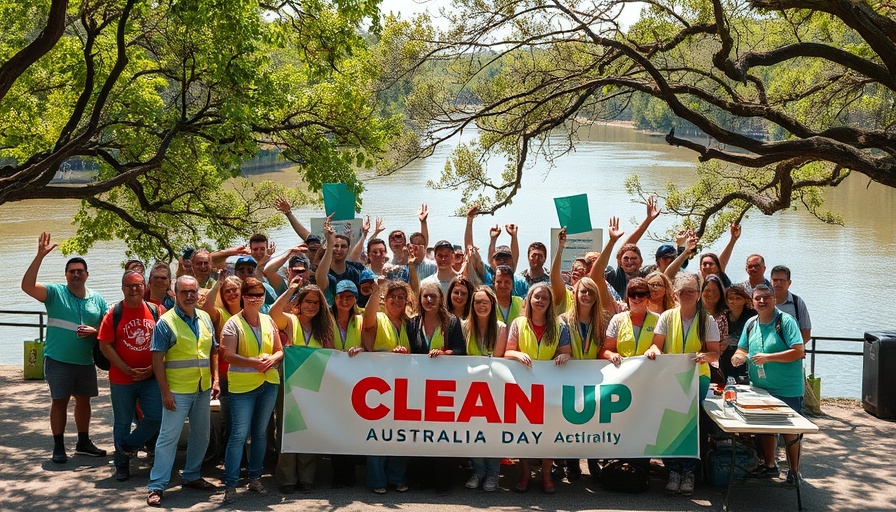
    Volunteers at Clean Up Australia Day event by the river.

    A Remarkable Volunteer Effort on Clean Up Australia Day

    On its 35th anniversary, Clean Up Australia Day witnessed an extraordinary turnout, with over 800,000 volunteers participating in more than 8,000 cleanup events across the nation. This marks one of the highest participation rates in the event's history, demonstrating a profound commitment to environmental stewardship among Australians. The collective effort not only exemplifies a desire to maintain clean surroundings but also underscores the community's responsiveness to environmental challenges.

    A Legacy of Environmental Action

    Founded by the late Ian Kiernan, AO, Clean Up Australia Day started as a localized initiative in Sydney Harbour in 1989. What began with about 40,000 participants has grown into a nationwide movement engaging over 22 million Australians since its inception. Reflecting on the initiative, Pip Kiernan, Ian’s daughter and current Chair of Clean Up Australia, expressed pride in seeing this grassroots effort evolve into a vital component of national environmental advocacy. "My dad would be overjoyed to see the continued engagement from communities in cleaning up our beautiful land," she stated.

    The Environmental Impact of Litter

    Every year, approximately 130,000 tonnes of plastic waste escape into Australian waterways, creating a significant risk to marine life and ecosystems. Volunteers reported the most commonly collected items included soft plastics, cigarette butts, and increasingly, e-waste items like vapes. This trend reflects changing consumer habits and highlights the urgency of tackling waste management issues at a national level.

    Education and Community Involvement

    One of the unique aspects of Clean Up Australia Day is its role as a learning platform. Participants are encouraged to report the types of waste they collect, fostering awareness around litter prevention. This educational component transforms a simple cleanup into a powerful advocacy tool, equipping communities with knowledge to influence better practices in waste disposal.

    Future Predictions and Participation Growth

    The growing numbers signify a broader movement toward environmental consciousness. In 2024 alone, over 4,000 schools engaged in cleanup activities, indicating that the next generation is increasingly involved in sustainable practices. Clean Up Australia has announced its intention to expand programs beyond annual cleanups, focusing on year-round educational initiatives, thereby cultivating a habit of litter prevention among participants.

    Making a Difference Year-Round

    While Clean Up Australia Day draws significant attention, the organization promotes ongoing engagement with community efforts throughout the year. Interested individuals and groups can participate in local cleanup drives and educational workshops, maintaining a steady commitment to environmental health. Such involvement offers a pragmatic approach to combatting litter and fosters community pride as people actively participate in preserving their local environment.

    The Importance of Practical Action

    Clean Up Australia Day serves as a reminder that practical action can yield significant environmental benefits. As evidenced by the diverse range of items collected, every small effort contributes to a greater collective impact. Volunteers are not only cleaning up but are becoming champions of environmental change. Celebrating 35 years of this initiative, change is evidently possible through community cooperation.

    Looking ahead, it is vital for community members to realize that every action, no matter how small, contributes to a cleaner, healthier Australian environment. To truly maximize the impact of these initiatives, consider registering for a cleanup event through Clean Up Australia, becoming part of this ongoing journey to sustainability.

    Environmental Controls

    24 Views

    0 Comments

    Write A Comment

    *
    *
    Please complete the captcha to submit your comment.
    Related Posts All Posts
    04.12.2026

    Mastering Roof Ventilation Without Soffit Vents: Solutions You Need

    Update Why Roof Ventilation Matters: Understanding the Basics Proper roof ventilation is vital for any building, helping to regulate temperature and moisture levels within the attic space. Without adequate ventilation, the risk of condensation increases, leading to potential damage such as mold growth and structural harm. Soffit vents typically serve as the primary intake source, but what happens if your building design lacks this crucial feature? Alternative Ventilation Solutions When Soffit Vents Are Not Available If your home or structure lacks soffit venting due to design constraints, there are several alternatives that can still effectively ventilate your roof assembly. These include: Gable Vents: One of the simplest alternatives to soffit vents, gable vents can be installed at both ends of the attic. They allow for air to enter and exit, promoting airflow throughout the space. Eyebrow Vents: Positioned at the roof's edge, these smaller vents can serve as intake points, mimicking the airflow function of soffit vents. Ridge Vents: Not suitable without intake vents, ridge vents should be used wisely in conjunction with lower-level intake methods. Ridge vents work optimally when there are vents below to draw air up. Drip Edge Vents: For homes with new roofs, integrating drip edge vents can facilitate airflow beneath the shingles. Ensuring Effective Airflow: A Multilayered Approach Simply installing one type of vent is often insufficient. Proper airflow requires a combination of intake and exhaust vents, which work together to maintain balance within the attic. In most homes, air is introduced through the low points and expelled from higher points, generating continuous circulation. Sealing Off the Attic: Why It Is Key to Effective Ventilation Before introducing new venting systems, it’s essential to ensure that the attic floor is well-sealed. This not only maximizes the efficiency of your ventilation strategy but also preserves energy by keeping the conditioned space separate from the attic area. Addressing potential air leaks around ductwork, wiring, and fixtures is crucial in maintaining a healthy attic environment. Future Considerations: Design Flexibility for Roofing When designing a new building or retrofitting an existing structure, consider the long-term implications of your ventilation choices. Buildings without traditional soffits may incorporate other unique architectural features that accommodate ventilation effectively. For example, smoke vents or decorative roof designs can each play a role in airflow optimization. Conclusion: Taking Action with Your Roof Ventilation It is important not only to consider the immediate functionality of your roofing ventilation but also the sustainable practices that will ensure the longevity of your home. If you are currently facing challenges with roof ventilation, now is the time to evaluate your options. Consult with a building professional to determine the best strategy tailored to your home’s unique design. For more insights into ventilation systems, don't hesitate to reach out to local experts specializing in residential energy efficiency. The choices you make now can lead to significant benefits in energy savings and structural integrity over time.

    04.11.2026

    Unlocking Secrets on How to Save Money on Groceries Without Losing Quality

    Update Revolutionize Your Grocery Spending: Insights and StrategiesIn an era where grocery prices seem to rise constantly, mastering effective budgeting strategies can empower consumers to stretch their dollars without sacrificing quality. From planning meals to tracking prices, there are numerous smart shopping strategies that can make a significant impact. This guide brings together crucial insights derived from various sources, including budget tips from food enthusiasts and practical advice tailored for budget-conscious families.Understanding Grocery Inflation and Its ImpactsThe grocery landscape has dramatically shifted as inflation impacts food prices, leading families to reassess their shopping methods. Many are faced with the unsettling dilemma of choosing between brand-name products and generic options while ensuring they still provide nutritious meals for their families. Knowing how to navigate the grocery aisle is vital now more than ever. According to USDA statistics, a staggering 30-40% of food ends up wasted, translating into an annual loss of approximately $1,600 for non-planning households. Therefore, an effective grocery strategy is not just beneficial—it's necessary.Meal Planning: The Foundation of Grocery SavingsOne of the most effective ways to save is through meticulous meal planning. Engaging in thoughtful meal prep minimizes waste and prevents impulse purchases. As families that plan their meals save on average $1,600 annually, starting here can lead to significant savings. Begin by checking your pantry for items you already own. Assess them before grocery shopping to prevent duplication and waste. Use services like recipe apps to find meals based on what you have, thus ensuring everything gets utilized.Buy in Bulk, Use What You NeedPurchasing in bulk can yield substantial savings when done correctly. As per reports, staples such as dry beans can be cheaper by up to 3-5 times compared to their canned counterparts. However, if you're living on a tighter budget, consider smaller bulk options that fit your shopping style. For instance, opt for family-sized packaging or frozen vegetables, which frequently keep well and provide nutrition at lower prices.Smart Use of Leftovers and PortionsTransforming leftovers is another vital strategy. Commonly, one meal can spawn multiple subsequent meals with a little creativity. A roasted chicken can transition from a main dish to a chicken salad or a hearty soup, optimizing the ingredients you already paid for. This practice not only aids in maximizing food expenditures but also minimizes additional cooking time, making it efficient for busy households.Store and Brand Choices: Quality and SavingsWhen it comes to shopping, many are unsure whether to stick to familiar brands or explore generic options. Research has shown that store brands, often indistinguishable in quality from name brands, are generally less expensive. The FDA ensures that both types meet quality and safety standards, encouraging a test of the less expensive alternative. Additionally, taking advantage of loyalty programs offered by major grocery chains can facilitate savings by unlocking digital coupons and reward points that accumulate over time.Curbing Impulse Buying: A Clever TacticFewer store visits can aid in minimizing the temptation to make unplanned purchases. Research shows that extra trips to the store increase unplanned purchases by 23%. Organizing your shopping list based on store layout can allow for a streamlined trip. This strategic layout can help avoid wandering into the aisles with non-essential items. Finally, being aware of common pricing tricks, like misleading sales promotions, can prevent falling victim to inflated prices masked as discounts.Utilizing Technology for SavingsToday’s technology can be a tremendous ally in the realm of grocery shopping. Many shoppers have transformed their budgeting habits by incorporating apps that provide digital coupons and price comparisons—saving anywhere from $5 to $10 per trip. Communities on social media platforms like TikTok and Reddit also offer invaluable sharing of tips and tricks, helping countless families navigate their budgets better.Final Thoughts: Navigating Grocery Shopping ChallengesUltimately, grocery shopping on a budget requires a savvy approach that incorporates planning, price awareness, and creativity in meal preparation. Small adjustments, like switching from a well-known brand to a generic alternative or effectively utilizing freebies from coupons, can add up over time. Each household must tailor these strategies to their unique circumstances, but the collective goal remains the same: to eat well while spending wisely. The evolving landscape of grocery shopping emphasizes that with informed choices, it is entirely possible to produce nutritious meals without breaking the bank.

    04.04.2026

    Explore Eco-Friendly Travel: Sustainable Tips for Every Adventurer

    Update Why Sustainable Travel Matters Today In an era where environmental awareness is more critical than ever, sustainable travel stands at the forefront of responsible tourism. As global tourism saw over 1.4 billion international arrivals in 2024, the resultant impact on our environment was significant. Travelers face a unique opportunity: redefine travel to ensure it does not come at the cost of our planet. Sustainability in travel is now not just a trend—it's a necessity. Key Principles of Sustainable Travel Sustainable travel is the practice of making choices that positively impact not just our planet, but also local economies and cultures. Understanding this multifaceted concept is crucial. It is not merely about reducing carbon footprints through eco-friendly practices. Sustainable tourism aims to balance economic growth with enhanced human well-being and the health of our natural ecosystems. Expert Strategies for Eco-Conscious Travelers Experts from various spheres of sustainable tourism have shared innovative strategies that make enjoying travel both fulfilling and environmentally sound. 1. Take Fewer, Longer Trips Ruth Woodall, an authority in sustainable travel, emphasizes the environmental benefits of fewer but longer vacations. Instead of multiple short trips throughout the year, consider planning a single, immersive journey that allows for deeper connections with the places you visit, thereby significantly reducing the carbon footprint associated with traveling back and forth. 2. Choose Local Destinations One effective approach to decrease travel's carbon impact is to explore local destinations. Traveling within one’s own country can reveal hidden gems, reduce travel distance, and showcase neglected locales often overshadowed by international hotspots. This also promotes regional economies and minimizes environmental degradation. 3. Opt for Slow Travel Adopting the 'slow travel' philosophy encourages travelers to immerse themselves in their surroundings. Instead of rushing through itineraries, allowing time to soak in local culture enhances overall experiences while lessening the strain on local resources and infrastructures. 4. Use Efficient Modes of Transport Air travel contributes significantly to tourism's carbon footprint. As discussed, trains and buses are often more sustainable alternatives. In some places, electric tuk-tuks and renewable energy-powered trains can provide pleasant journeys. Seek out transportation options that utilize clean energy. 5. Support Locally Owned Accommodations Choosing to stay in locally owned hotels or smaller boutique accommodations nurtures local economies. Questions such as, “Are they employing local workers?” and “Do they source food from local farmers?” can guide you towards environmentally and socially responsible choices. Take Action on Waste Reduction Practicing resourcefulness can vastly improve your travel experience while benefiting the environment: Pack Reusables To combat single-use plastics, bring a reusable water bottle, tote bag, and collapsible cup. These items dramatically reduce your reliance on throwaway items. Research Local Cuisine Dining at local restaurants can provide authentic flavors and a richer understanding of the culture. It’s also a way to directly support the community and ensure your spending stays local. Engage in Eco-Conscious Practices Engaging in local sustainability efforts can deepen your cultural interactions. Contributing your time to community projects, such as beach cleans or supporting local charities, enhances the destination’s health while creating memorable experiences. Understanding the Impact of Overtourism The phenomenon of overtourism reveals the delicate balance needed in managing travel's growth. Popular tourist destinations face significant pressure, leading to environmental degradation and a decline in cultural heritage. By choosing less-frequented spots and traveling during off-peak times, travelers can help alleviate these issues. Make Informed Choices As travelers, the decisions you make shape the future of our planet. Researching your travel choices, supporting local economies, and practicing sustainability will not only enhance your trips but also foster a culture of responsible tourism. Adopting these practices can help preserve our environment and ensure future generations enjoy the wonders of travel.

    Terms of Service

    Privacy Policy

    Core Modal Title

    Sorry, no results found

    You Might Find These Articles Interesting

    T
    Please Check Your Email
    We Will Be Following Up Shortly
    *
    *
    *






