• Facebook
    update
  • X
    update
  • YouTube
    update
  • Instagram
    update
  • update
  • YouTube
    update
  • Instagram
    update
Home Health Hub
update

Strategies to Improve and
Maintain Vibrant Health

Home Health Hub logo
update
  • Home
    • Categories
      • Regulation and Controls
      • Home and Office Design
      • Wellness Maintenance
      • Environmental Controls
      • Non-toxic Materials
      • Expert Interviews
      • Environmental Technology
    • Business Profiles
    January 26.2025
    3 Minutes Read

    How to Measure Static Pressure Loss in Ducted Heat Pump Systems

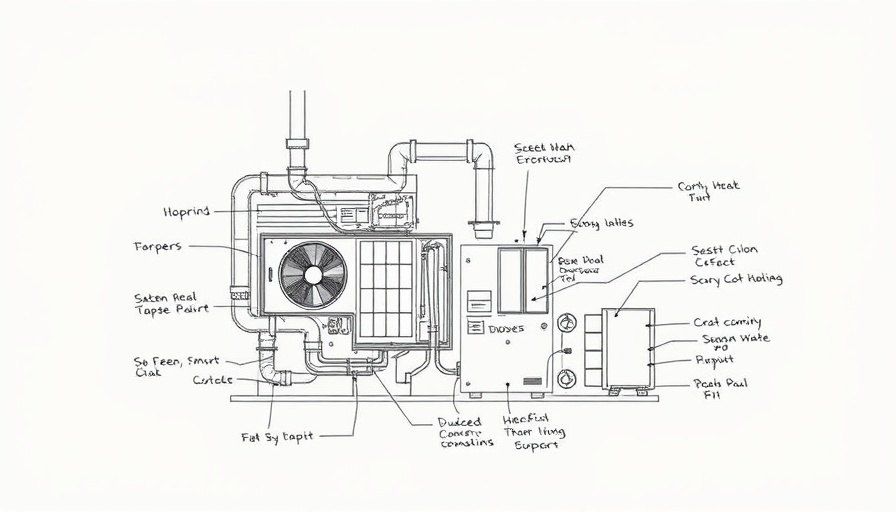
    Technical sketch of ducted heat pump systems with annotations.

    Understanding Static Pressure Loss in Ducted Heat Pump Systems

    Ducted heat pump systems offer an efficient solution for maintaining comfortable indoor temperatures. However, one of the challenges faced when implementing these systems is understanding static pressure loss. Static pressure loss refers to the decrease in air pressure caused by friction and other resistive factors as air flows through the ductwork. This loss can significantly impact the efficiency and effectiveness of heating and cooling operations.

    The Role of Central Return Systems

    Central return systems are essential for balancing airflow throughout a heating or cooling system. They improve air distribution and can minimize noise levels, providing a more comfortable living environment. However, these systems can contribute to static pressure loss if not correctly designed and installed. Ensuring that duct sizes, configurations, and return locations are optimized can greatly enhance overall performance.

    Exploring Noise Reduction Techniques

    Noise often arises from airflow turbulence within ducts, which can be particularly prominent when air returns are centrally located. Techniques to reduce this noise may include adjusting duct sizes or using sound-dampening materials. Additionally, strategically placing dampers can help minimize noise while maintaining effective air circulation. Addressing these noise issues can directly impact indoor air quality and comfort.

    Measuring Static Pressure: Methods and Tools

    Measuring static pressure is crucial for diagnosing system performance issues. Accurate readings can be obtained using a manometer connected to pressure taps in the ductwork. This process assists technicians in assessing pressure readings against manufacturer-recommended guidelines, allowing for any necessary adjustments to be made. Understanding how to measure and interpret static pressure is critical for optimizing heat pump performance.

    The Importance of Insulation

    Proper insulation plays a vital role in maintaining static pressure within ducted systems. Insulation minimizes temperature loss, improves energy efficiency, and reduces the chances of pressure imbalances caused by thermal expansion or contraction. It is essential for workers installing ducted heat pumps to apply insulation carefully, ensuring that all ducts are properly sealed and insulated to maintain system efficiency.

    Expert Recommendations for Duct Design

    Experts recommend considering a few key factors when designing a ducted heat pump system to minimize static pressure loss. These factors include the total length of duct runs, transitions from one size to another, and the use of smooth, gradual bends instead of sharp turns. Following these guidelines can enhance system performance and longevity, leading to lower energy consumption and costs.

    Statistical Data on Efficiency Gains

    Research indicates that systems with optimized duct design can achieve energy savings of up to 20%. By measuring and analyzing static pressure loss, HVAC professionals can tailor installations to maximize efficiency. Not only does this improve comfort and air quality, but it also leads to substantial cost savings on energy bills.

    Conclusion: The Road Ahead

    As advancements in technology continue to evolve, incorporating smart monitoring solutions into ducted heat pump systems will become increasingly important. These systems can offer real-time data on airflow and pressure levels, allowing for proactive maintenance and adjustments. Embracing these innovations can significantly enhance the efficiency and comfort provided by ducted heating and cooling solutions.

    Home and Office Design

    28 Views

    0 Comments

    Write A Comment

    *
    *
    Please complete the captcha to submit your comment.
    Related Posts All Posts
    05.20.2026

    Unlocking Cost Savings: How Home Builders Are Advising Clients to Stay Lean

    Update Strategies for Cost Efficiency in Home Building As home builders face increasing challenges in a fluctuating market, staying lean while effectively advising clients on cost-saving measures has become paramount. Strategic planning and smart decision-making allow builders to deliver quality homes without breaking the bank. Simple Designs Yield Major Savings One of the key ways to save costs is by choosing straightforward designs. Builders are increasingly recommending simpler layouts—like open floor plans or rectangular shapes—which help to minimize material waste and reduce labor costs. By cutting out unnecessary complexities in the design, projects can remain on budget while maintaining functional and aesthetic appeal. Efficient Use of Materials Selecting cost-effective materials plays an essential role in building smart. Builders suggest using bulk purchasing agreements with suppliers to leverage discounts. For example, material options such as Insulated Concrete Forms (ICFs) are not only durable but also aid in energy savings by maintaining temperature control, thereby appealing to environmentally-conscious homeowners looking for long-term financial benefits. Labor Costs: The Importance of Expert Builders Labor represents a significant portion of the overall building expenses, making it crucial for builders to work with skilled general contractors. Investing in experienced builders can save money over time by minimizing costly mistakes, ensuring efficient project management, and leveraging their knowledge of quality materials and techniques. Emphasizing Energy Efficiency Another cornerstone of modern home building is energy efficiency. Builders often advise clients to invest in energy-efficient appliances and LED lighting systems, which can significantly reduce utility costs over the lifespan of the home. Incorporating elements such as high-efficiency HVAC systems also enhances comfort while fostering a more sustainable environment. Future-Proofing Your Home Including design elements that allow for future upgrades will save homeowners money in the long run. By strategically planning for possibilities like solar panel installation, builders can not only enhance a home's value but also provide an eco-friendly option that stretches the client's budget further. Key Takeaways for Homeowners Potential homeowners can achieve substantial savings by applying these cost-reduction strategies during the building process. From simple designs to energy-efficient selections and expert labor management, these insights empower builders and clients alike to navigate the complexities of the housing market without unnecessary financial strain. Making informed decisions throughout the building journey can transform the experience from daunting to rewarding. Building your dream home doesn't have to be overwhelming or excessively expensive, especially when approached with the right strategic mindset. For anyone considering a new build, understanding these cost-saving strategies is essential to ensure a smooth and financially sound experience.

    05.11.2026

    Maximizing Window Integrity: Flashing Tips for Buck Extensions

    Discover effective flashing window rough opening techniques for successful buck extensions, enhancing water resistance and insulation.

    05.02.2026

    Finishing Your Concrete Porch and Piers: Step-by-Step Guide for Lasting Results

    Update Transform Your Concrete Porch with Finishing Techniques Finishing a concrete porch or piers may seem intimidating, but with the right techniques and tips, you can achieve stunning outcomes that enhance both aesthetic appeal and durability. Most homeowners view their porch as the gateway to their home, making first impressions critical. The finishing process not only affects the visual appeal but also plays a significant role in how well your porch ultimately performs over the years. Understanding Curing and Sealing: Keys to Longevity Before you even think about the finishing touches, it’s essential to understand the significance of curing and sealing your concrete. Curing helps maintain the moisture needed for hydration—a crucial process that ensures your concrete gains strength and resilience over time. Experts recommend maintaining this hydration for at least seven days, which can be aided by techniques like using wet burlap or plastic coverings. Once the curing process is complete, sealing your finished surface is a must. Sealing acts like a protective barrier against stains, pollutants, and general wear and tear. It enhances the color of the concrete, keeping it looking fresh, while also significantly extending its life. There are various types of sealers available, including acrylic, epoxy, and pore-blocking sealers, catering to specific needs based on the environment and usage. Importance of Proper Preparation The secret to achieving a flawless concrete finish often lies in meticulous preparation. Skipping this step can lead to complications such as uneven surfaces or inadequate adhesion. Cleaning the area to remove dust, oil, and debris ensures that the finish adheres properly. Additionally, assessing the weather is crucial—extreme heat or unexpected rain can affect the concrete's setting Avoiding Common Mistakes in Concrete Finishing Concrete finishing is fraught with potential pitfalls. One prevalent error is overworking the surface as you're trying to achieve a polished look; this can lead to weak spots and surface dusting. Timing is another critical element—getting involved too early can disrupt the curing process. Make sure to strike a balance between care and patience. Resurfacing Options for an Enhanced Look If your porch is showing signs of wear and tear, resurfacing offers an excellent route to rejuvenation without the cost and hassle of a total overhaul. Decorative concrete overlays allow homeowners to achieve a fresh appearance and can be customized to fit any style, whether you're chasing a modern, rustic, or more polished aesthetic. Choosing the right products, such as the Brickform Cem-Coat for an opaque finish or decorative stamps, can help transform the look of your patio substantially. Furthermore, using color stains can provide a vibrant refresh without extensive work. Expert Tips to Elevate Your Concrete Porch To achieve professional-level results, always consider hiring a skilled contractor familiar with local conditions. They can help guide you through the best choices for your specific project, ensuring that your porch remains beautiful and functional for years to come. Remember to maintain your sealed surfaces regularly to prolong their lifespan and preserve their beauty. With the right approach to finishing concrete porches and piers, you can ensure that they not only add curb appeal but also stand the test of time. By understanding key techniques and avoiding common pitfalls, you’re well on your way to creating lasting, beautiful outdoor spaces.

    Terms of Service

    Privacy Policy

    Core Modal Title

    Sorry, no results found

    You Might Find These Articles Interesting

    T
    Please Check Your Email
    We Will Be Following Up Shortly
    *
    *
    *