Add Row
Add Element
  • Facebook
    update
  • X
    update
  • YouTube
    update
  • Instagram
    update
  • update
  • YouTube
    update
  • Instagram
    update
Add Element
Home Health Hub
update

Strategies to Improve and
Maintain Vibrant Health

Home Health Hub logo
update
Add Element
  • Home
    • Categories
      • Regulation and Controls
      • Home and Office Design
      • Wellness Maintenance
      • Environmental Controls
      • Non-toxic Materials
      • Expert Interviews
      • Environmental Technology
    • Business Profiles
    March 22.2025
    3 Minutes Read

    How to Future-Proof Healthcare Facilities for EV Charging Integration

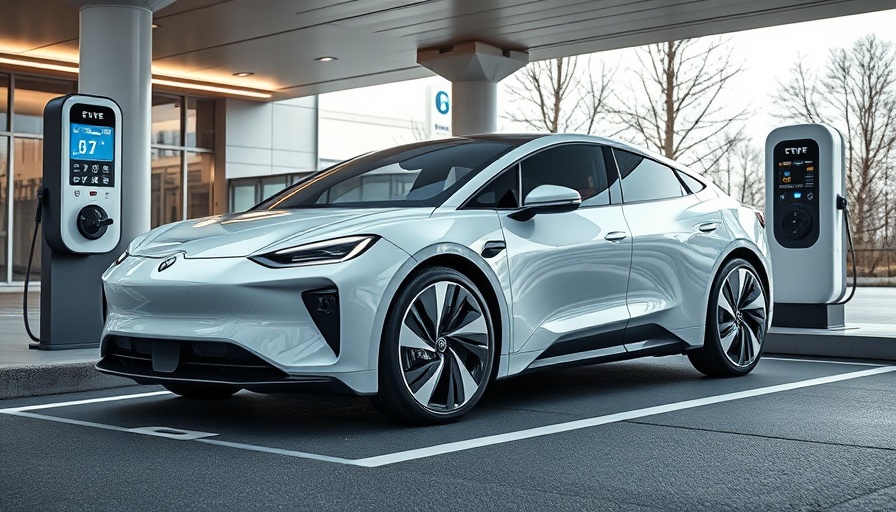
    Futuristic EV charging at a modern facility.


    Preparing for a New Era of Healthcare: EV Charging Integration

    The need for electric vehicle (EV) infrastructure is growing, especially within healthcare facilities that serve a diverse clientele. Future-proofing these facilities for EV charging integration is not merely a trend; it's a proactive approach to fostering sustainability and meeting the needs of tomorrow's healthcare landscape.

    Understanding the Importance of Future-Proofing

    With the increasing adoption of electric vehicles, facility managers must ensure that their infrastructures can handle this change. By adopting a future-oriented mindset, healthcare facilities can avoid costly renovations down the line. According to Jenifer Yokley, CMO at Blink Charging, planning for scalability is crucial. This means designing charging stations that can be expanded as demand rises. “Choose systems that can be easily expanded as demand for EV charging grows,” she emphasizes.

    Investing in Smart Solutions

    Another key investment is in smart charging systems. These advanced technologies allow for real-time monitoring and management of charging stations, optimizing energy use and providing valuable analytics. This not only enhances efficiency but also helps stakeholders understand usage patterns and prepare for future needs. Facilities that prioritize smart technology ensure they remain at the forefront of healthcare best practices while contributing to sustainable efforts.

    Upgrade Electrical Systems for Growth

    Adapting the electrical framework of a healthcare facility is essential for supporting EV charging stations. Upgrading service lines to accommodate additional amperage ensures that the infrastructure can handle a gradual increase in electric vehicles. By integrating reinforced panel boxes and transformers optimized for future growth, managers can alleviate the stress on existing systems. This proactive approach enhances the resilience and longevity of the facility.

    Streamlined Operations with Separate Meters

    Installing separate meters for charging stations enhances operational efficiency. By distinguishing EV charging electricity usage from the facility’s general consumption, healthcare managers can monitor and manage energy use more effectively. This delineation simplifies billing processes and enables targeted energy-saving strategies, fostering an environmentally responsible atmosphere.

    Creating a Safe Experience for EV Drivers

    As EV adoption rises among healthcare staff and patients alike, creating a safe and user-friendly experience becomes paramount. Ensuring adequate lighting, clear signage, and posted rules enhances safety around charging stations. By anticipating the needs of healthcare workers who may be EV drivers, facilities can provide designated areas that accommodate their requirements.

    Be Mindful of Regulations

    Staying updated about local regulations concerning accessibility standards and building codes is fundamental. Healthcare facilities must navigate compliance intricately to avoid penalties and enhance the services offered to their patient population. As regulations evolve alongside the growing EV market, regular audits of capabilities are prudent.

    Actionable Insights: Steps to Take Now

    Healthcare facility managers must take a proactive approach towards integrating EV charging into their infrastructures. Here are actionable steps:

    • Conduct an Infrastructure Assessment: Assess existing electrical capacity and identify upgrade needs.

    • Research Local Regulations: Investigate compliance requirements in your area to avoid future legal issues.

    • Engage Stakeholders: Consult with healthcare workers and patients to determine their specific needs related to EV charging.

    • Invest in Smart Solutions: Identify and invest in smart charging technologies that offer real-time insights.

    • Plan for Expansion: Ensure that charging infrastructure is scalable to meet future demands.

    In summary, proper planning and foresight can pave the way for healthcare facilities to become environmentally responsible leaders in their communities. By embracing EV charging integration, these institutions not only enhance their operational capabilities but also contribute to a healthier planet.

    As we step into a cleaner future, understanding the dynamics of EV charging integration will allow healthcare facilities to maintain relevance and support the evolving needs of their stakeholders.


    Environmental Technology

    20 Views

    0 Comments

    Write A Comment

    *
    *
    Related Posts All Posts
    03.12.2026

    Explore House Design Suggestions for Sustainable Living Choices

    Update Designing Your Home with Nature in Mind As we move further into the 21st century, the importance of sustainable home design has become increasingly evident. With climate change and resource scarcity looming large, homeowners are now prioritizing eco-friendly features in their designs. One effective strategy is implementing passive solar design, which harnesses natural sunlight for efficient heating and cooling. By optimizing window placements and utilizing thermal mass, you can create a comfortable indoor environment while significantly reducing energy consumption. Transformative Benefits of Green Architecture Another key element of sustainable housing is the integration of green roofs and walls. These not only enhance your home's aesthetic appeal but also contribute substantially to improved air quality and energy efficiency. Green roofs act as natural insulators, lowering heating and cooling costs while managing rainwater effectively. For many urban homeowners, the noise-reducing capabilities of green walls add a welcome tranquility amidst the hustle and bustle. Incorporating Energy-Efficient Technologies As homeowners look to minimize their carbon footprints, energy-efficient appliances have emerged as indispensable components of modern homes. Opting for Energy Star-rated models can lead to significant energy savings, especially in high-usage areas like kitchens and laundry rooms. The shift towards more efficient lighting, such as LED bulbs, also contributes greatly to reduced electricity consumption, highlighting the potential long-term savings. Choosing Earth-Friendly Materials When it comes to choosing materials for construction, sustainability is paramount. Consider opting for sustainable building materials like reclaimed wood and bamboo, which require less energy to produce and minimize waste. Additionally, alternatives like Hempcrete offer excellent insulation properties while being environmentally friendly. By choosing these materials, you can create unique spaces that are both stylish and responsible. Water Conservation as a Priority Water conservation continues to be a pressing issue, and optimizing home systems is essential. Install low-flow fixtures in bathrooms and kitchens to significantly cut down on water usage. Moreover, adopting rainwater harvesting systems can provide an eco-friendly source for watering gardens or flushing toilets, thereby reducing your overall reliance on municipal water supplies. The Role of Smart Technology in Sustainable Living Elevating the conversation on sustainability is the integration of smart home technology. Devices like smart thermostats enable homeowners to finely tune their energy use, leading to considerable savings while enhancing comfort levels. Smart lighting systems that respond to occupancy further optimize energy use, illustrating how technology can empower better living. Enhancing Indoor Air Quality Finally, creating a healthy living environment involves ensuring high indoor air quality. By incorporating natural air-purifying plants and ensuring good ventilation, you can improve your home's health. Selecting low-VOC products—especially for paints and furnishings—also plays a crucial role in maintaining a clean indoor atmosphere. In conclusion, the shift towards sustainable home design is not just an aesthetic choice—it's a commitment to our planet's future. By incorporating elements like green roofs, energy-efficient appliances, and smart technology, your home can become a model of sustainability and resource efficiency.

    03.12.2026

    Blind Creek Solar Farm: A Major Shift in Renewable Energy for NSW

    Update The Dawn of Renewable Energy in New South Wales The official commencement of the Blind Creek Solar Farm and Battery project marks a significant step in New South Wales' transition to renewable energy. As Premier Chris Minns noted during the groundbreaking ceremony, this $900 million investment is not only about building infrastructure; it aims to replace the state's aging energy framework. A fusion of a 300MW solar farm and a 243MW/486MWh battery storage system, the project aims to deliver reliable, firm renewable energy, providing price certainty amid rising energy demands. Balancing Energy Needs with Regional Growth The Blind Creek project highlights a critical balancing act: meeting the energy needs of the region while fostering local economic growth. The initiative is expected to create up to 300 jobs during peak construction, with a substantial portion sourced from the local communities of Bungendore and Monaro. Premier Minns emphasized the importance of engaging regional populations throughout this transition, ensuring that local families benefit from sustainable energy infrastructure. Powering the Future: Project Impact and Goals Upon completion in 2028, the Blind Creek Solar Farm is expected to power approximately 120,000 homes and businesses, contributing significantly to New South Wales' clean energy landscape. This project exemplifies a modern approach to energy generation in Australia, employing direct current (DC) technology that optimizes solar energy delivery while enhancing returns for investors. By linking renewable energy production with existing grid infrastructure, it aims to mitigate the need for extensive new transmission capabilities. Innovative Partnerships: Farming Meets Energy Production What sets the Blind Creek initiative apart is its seamless integration of agriculture and energy production. The local sheep farmers who partnered in the project are retaining their farming operations while also enabling land to serve dual purposes. Octopus Australia’s strategy to utilize regenerative agricultural practices not only aims to maintain but also improve land productivity. Shade from solar panels and improved soil health are anticipated benefits that farmers can look forward to, creating a mutually beneficial ecosystem. Investor Confidence and Future Ventures The robust backing of institutions such as Hostplus, Rest, and the Commonwealth's Clean Energy Finance Corporation (CEFC) signals strong investor confidence in this project and New South Wales’ renewable energy future. Octopus Australia’s CEO Sam Reynolds emphasized the alignment of long-term capital with community-based projects, showcasing how cooperative efforts can lead to tangible benefits for both investors and local residents. The Road Ahead: More Than Just Energy This initiative reflects a broader movement towards sustainable practices that consider future generations and current socio-economic conditions. Blind Creek stands as a testament to how a commitment to renewable energy can spur job creation, stimulate local economies, and support environmental stewardship. As New South Wales forges ahead with projects like Blind Creek, it sets a precedent for other regions looking to embrace clean energy innovations.

    03.09.2026

    Can Scientists Successfully Build a Star on Earth with Fusion Energy?

    Update Why Scientists Are Pursuing Fusion Energy The quest for a reliable and sustainable energy source has led scientists to explore the potential of fusion energy—an endeavor that mimics the processes powering our sun. Fusion energy holds the promise of providing limitless, clean energy with minimal environmental impact—a need particularly poignant as the world grapples with the effects of climate change and dwindling fossil fuel resources.In 'Scientists Are Trying To Build A Star On Earth | Fusion Energy Documentary', the discussion dives into the potential of fusion energy, exploring key insights that sparked deeper analysis on our end. The Science Behind Fusion Energy Fusion energy occurs when two atomic nuclei combine to form a heavier nucleus, releasing vast amounts of energy. This process fuels the sun, making it a powerful model for clean energy. Researchers are experimenting with various methods to achieve controlled thermonuclear fusion, aiming to replicate the sun's conditions right here on Earth. Innovative projects, like ITER in France and private ventures such as Helion Energy and Tokamak Energy, are leading advancements in this ambitious field. Challenges on the Path to Fusion While the potential for fusion energy is promising, several significant challenges must be overcome. Creating and maintaining the extreme temperatures and pressures necessary for fusion reactions poses a technological hurdle. Current fusion reactors have not yet achieved the necessary net energy gain—where the energy produced exceeds the energy consumed. Ongoing research is crucial to tackle these obstacles and bring fusion energy closer to realization. Fusion Energy's Impact on Society and the Environment Successful development and implementation of fusion energy could revolutionize energy consumption worldwide. Unlike fossil fuels, fusion produces virtually no greenhouse gases or long-lived radioactive waste. This clean energy source could contribute significantly to reducing global warming and help combat environmental degradation. Societies heavily reliant on fossil fuels might transition to a sustainable model, significantly impacting the economy, public health, and energy security. Future Predictions: When Will Fusion Become Viable? Experts are optimistic about the trajectory of fusion energy development. With continued investment and scientific breakthroughs, it is anticipated that we may witness the first successful power-generating fusion reactors within the next few decades. Global collaboration among scientists could accelerate progress, shaping a future where fusion energy is a cornerstone of our energy landscape. Investing in a Fusion Future Governments and private investors are recognizing the transformative potential of fusion energy. Countries like the United States, China, and members of the European Union are investing heavily in fusion energy research, hoping to position themselves as leaders in this emerging technology. This financial backing encourages innovation and attracts talent into the field, fostering an environment ripe for breakthroughs. Call to Action: Be Part of the Change As we stand at the cusp of a technological revolution with fusion energy, it's vital for individuals to support policies and initiatives that prioritize sustainable energy research. Engaging in community discussions, advocating for investments in clean technology, and educating ourselves and others about the importance of fusion can help accelerate our transition to a clean energy future. Let’s be advocates for a sustainable world!

    Terms of Service

    Privacy Policy

    Core Modal Title

    Sorry, no results found

    You Might Find These Articles Interesting

    T
    Please Check Your Email
    We Will Be Following Up Shortly
    *
    *
    *