Add Row
Add Element
  • Facebook
    update
  • X
    update
  • YouTube
    update
  • Instagram
    update
  • update
  • YouTube
    update
  • Instagram
    update
Add Element
Home Health Hub
update

Strategies to Improve and
Maintain Vibrant Health

Home Health Hub logo
update
Add Element
  • Home
    • Categories
      • Regulation and Controls
      • Home and Office Design
      • Wellness Maintenance
      • Environmental Controls
      • Non-toxic Materials
      • Expert Interviews
      • Environmental Technology
    • Business Profiles
    February 25.2025
    2 Minutes Read

    How Indoor/Outdoor Learning Spaces Boost Student Success and Wellbeing

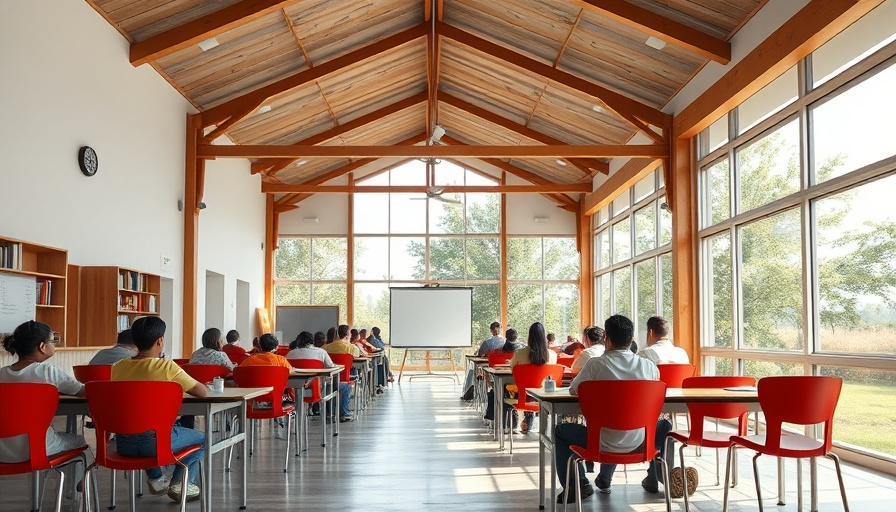
    Students learning in a spacious open-air classroom

    The Shift to Indoor/Outdoor Learning Spaces

    In recent years, educators and architects alike have recognized the profound benefits of integrating outdoor and indoor learning environments. Architect Elizabeth Stoel, a leader in educational design, argues that a seamless connection between these spaces can significantly enhance the learning experience for students. By breaking away from conventional classroom formats, schools equipped with operable partitions and easy access to outdoor areas allow students to engage in hands-on learning while connecting with nature.

    Understanding Why Outdoor Learning Matters

    According to Stoel, the shift towards indoor/outdoor classrooms emerges from an evolving awareness of children's developmental needs. Outdoor learning not only combats the effects of the pandemic-induced isolation but also fights against rising youth mental health concerns. Engaging with nature has comforting effects that can reduce anxiety and improve focus, allowing for what Stoel describes as “skill-building, problem-solving, collaboration, and communication.” These are essential capabilities for the modern learner.

    The Holistic Benefits of Outdoor Classrooms

    Reference studies from organizations like OutClass™ reveal the transformative potential of outdoor classrooms. Research indicates that these spaces don’t just foster academic success; they also encourage environmental stewardship and promote physical and mental well-being. Outdoor classrooms provide the physical space needed for movement and play—critical components for holistic child development. They enrich literary and scientific curricula by offering students direct experiences with nature, encouraging curiosity, empathy, and responsibility towards the environment.

    Why Should Schools Prioritize Outdoor Spaces?

    As noted in various studies, outdoor classrooms can improve not only student engagement but teacher wellness as well. Working in outdoor settings has been shown to reduce stress levels among educators and create a more stimulating teaching environment. Schools can utilize community involvement effectively by transforming ordinary school grounds into rich, engaging learning environments. This approach brings together local organizations, parents, and students, enhancing the educational experience through collaborative efforts.

    Taking Action with Outdoor Learning

    The COVID-19 pandemic has forced educators to rethink teaching approaches, advocating for outdoor learning as a long-term solution. Schools across the United States have begun to implement this strategy, with successful projects popping up in places like Portland, Maine. They turned accessible outdoor areas into functional classrooms, demonstrating that outdoor learning can thrive in various environments, even challenging climates. By spreading awareness and investing in outdoor spaces, we can create a more equitable and enriching learning experience for all students.

    In conclusion, the move towards indoor/outdoor educational spaces is crucial for promoting wellness and supporting student success. Schools looking to integrate outdoor learning should consider the wealth of benefits supported by research and expert insight. This holistic approach not only addresses academic goals but also nurtures the mental and emotional health of students in a post-pandemic world. By prioritizing such innovative designs, educators can equip students with the skills and resilience needed for a brighter future.


    Non-toxic Materials

    15 Views

    0 Comments

    Write A Comment

    *
    *
    Please complete the captcha to submit your comment.
    Related Posts All Posts
    03.11.2026

    Exploring the Risks of Smart Buildings and Essential Cybersecurity Standards

    Update Understanding the Cybersecurity Landscape of Smart BuildingsIn the era of technological advancement, smart buildings are rapidly becoming the norm. With the integration of AI-driven systems facilitating energy management, security, and operational efficiency, building owners must also navigate the significant cybersecurity challenges these systems introduce. A recent discussion highlights that as smart technologies take hold in the built environment, the opportunities are accompanied by heightened risks and vulnerabilities.The Price of ConnectivityWhile smart systems promise enhanced performance and sustainability, connectivity—crucial for their functionality—opens doors to potential cyberattacks. Research indicates that nearly 87% of property management leaders plan to invest further in smart technologies, yet a staggering 44% of these installations lack adequate security measures. Cyber incidents affected over 11,000 commercial buildings recently, signaling a pressing need for vigilance.Collaboration is Key: Bridging IT and OTThe merging of Operational Technology (OT) and Information Technology (IT) is critical in securing smart buildings. A collaborative approach can mitigate the risks that arise when cybersecurity becomes siloed. By fostering teamwork between facilities management and IT departments, stakeholders can create robust security layers through proper network design and regular system updates. Such synergistic measures not only clarify responsibilities during security incidents but also leverage collective knowledge to enhance protocols against emerging threats.Best Practices for Cybersecurity in Smart BuildingsThere are several practices stakeholders can adopt to shield smart buildings from cyber threats. These include implementing secure network designs, performing timely system updates, and establishing stringent credential management. Additionally, organizations need to prioritize a thorough inventory of connected devices and ensure the regular review of default credentials. Accepting that not all risks can be avoided, preparedness will place building managers in a position to respond effectively to incidents, transforming potential vulnerabilities into managed risks.Legislative Trends and Future ConsiderationsRegulatory frameworks will continue to evolve concerning the cybersecurity aspects of smart buildings. Compliance with legislation from the National Institute of Standards and Technology and attention to international data privacy laws is essential. Property managers are urged to seek reliable partnerships with vendors offering comprehensive cybersecurity services, including ongoing risk assessments and updates. The lessons learned from recent cyber incidents in commercial spaces emphasize that remaining proactive is essential for mitigating threats in an increasingly connected world.

    Terms of Service

    Privacy Policy

    Core Modal Title

    Sorry, no results found

    You Might Find These Articles Interesting

    T
    Please Check Your Email
    We Will Be Following Up Shortly
    *
    *
    *





