


Imagine sitting in a quiet living room, suddenly aware of a persistent ringing that just won't go away. This is the reality for millions who experience tinnitus—yet hope and relief may be within reach, especially when hearing aids and tinnitus treatments join forces. In this editorial, we dive deep into the relationship between hearing loss, tinnitus, and the transformative role of modern hearing aids, offering practical advice and compassionate insight for anyone seeking a quieter tomorrow.
Experiencing the Connection: Hearing Aids and Tinnitus in Daily Life
The link between hearing aids and tinnitus is more than technical—it's woven into the daily experiences of those who live with both conditions. For many, what starts as a faint background noise escalates to an omnipresent companion, especially in quiet environments. Hearing loss, whether gradual or sudden, often amplifies tinnitus symptoms, making simple pleasures like reading or relaxing overwhelming. Here’s where the magic of hearing aids for tinnitus comes into play. These devices don’t just amplify outside sounds; they can introduce soothing background sounds or white noise to reduce tinnitus and mask the internal ringing. Many people with chronic tinnitus discover that with the right hearing aid, their world opens up again—conversations become less strained, focus returns, and daily life feels less dominated by the unpredictable nature of tinnitus. If you’ve ever felt isolated by tinnitus or frustrated by hearing loss, you’re far from alone; solutions and support exist, and understanding the connection is the first step toward reclaiming your quality of life.
“Most patients don’t come in right away—they’ve often been dealing with symptoms for a while, whether it’s ringing, buzzing, or difficulty hearing conversations. By the time they seek help, it’s already affecting their daily life.”
- Brittany Arnold, Volunteer Hearing
Living with Tinnitus and Hearing Loss: A Personal Perspective
Living with both hearing loss and the persistent hum of tinnitus can take a significant emotional toll. The relentless buzzing can feel inescapable, affecting concentration, sleep, and overall well-being. Many patients share a similar experience—waiting longer than they should before seeking help. As one patient described, “I waited years before taking action on my hearing issues, and by the time I finally sought help, it had already impacted my daily life. The experience of getting the right care felt like the sun coming out again.”
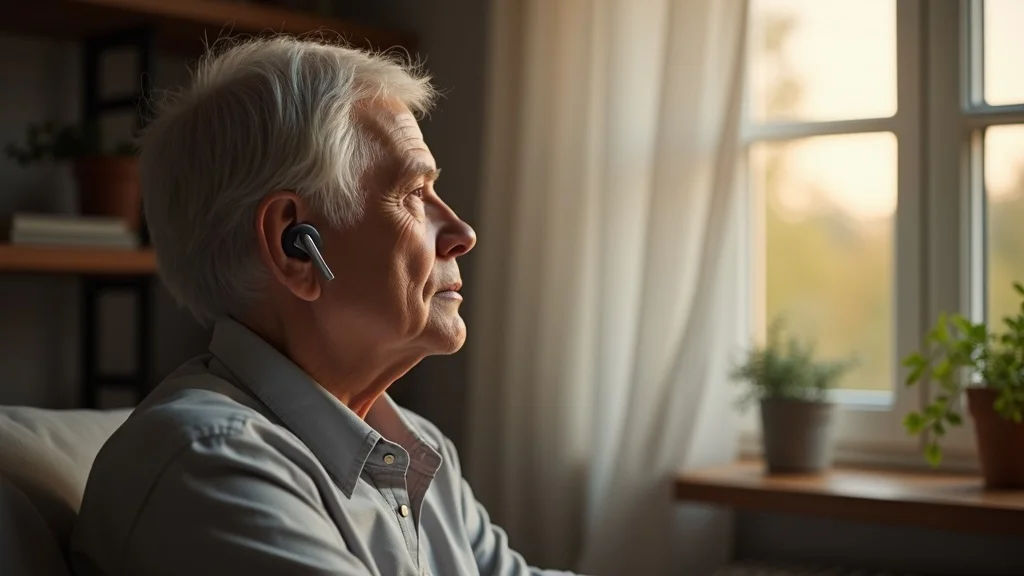
Anecdotal Insights on How Hearing Aids Change Tinnitus Perception
Many people enter the world of hearing aids with skepticism, unsure if any device can truly counteract the psychological weight of tinnitus. Yet, stories from those who use aids for tinnitus convey a narrative of subtle but profound transformation. Instead of being engulfed by incessant internal ringing, the brain gradually becomes attuned to environmental sounds—soft music, the chatter of friends, or ambient outdoor noise. What’s fascinating is how the perception of tinnitus shifts: the more you focus on external sound, the less intrusive the internal ringing becomes. Over time, many report their focus returning not just to conversations or hobbies but to a fuller, more balanced sense of self.
For those interested in how innovative healthcare technologies are reshaping patient experiences, exploring sustainable healthcare models and their impact on patient outcomes can provide valuable context for understanding the broader landscape of modern hearing care and tinnitus management.
What You’ll Learn About Hearing Aids and Tinnitus
Understanding the science behind hearing aids and tinnitus relief
Key types of hearing aids for tinnitus
How hearing health professionals approach tinnitus treatment
Real-world impact of hearing aids on chronic tinnitus
Answers to the most commonly asked tinnitus questions
Understanding Tinnitus: The Persistent Ringing
Tinnitus is far more than just an annoyance—it's a chronic condition rooted in how our auditory system interprets sound. Those living with hearing loss are even more likely to encounter tinnitus since the reduction in external sound can make internal noises appear louder or more invasive. The persistent ringing, humming, or buzzing isn’t just endless background sound—it’s a challenge that impacts everything from mood to memory. Gaining a deeper understanding of the types of tinnitus and its impact is crucial for developing effective tinnitus treatment strategies and restoring quality of life.
Types of Tinnitus and Their Impact

Why Tinnitus Can Get Worse Over Time
It’s common to wonder why tinnitus gets worse as time passes. The brain, searching for missing auditory input due to hearing loss, often amplifies internal noise. This means the absence of external sound can actually make the ringing more pronounced. Stress, medical conditions, and exposure to loud sounds can further exacerbate tinnitus symptoms, turning a mild irritation into a daily struggle. Without proactive tinnitus management and care from a hearing care professional, symptoms can become more entrenched, illustrating why early intervention with hearing aids and other therapies is so important.
Tinnitus is often one of the earliest signs of hearing loss, making early evaluation especially important for long-term hearing health.
Relationship Between Tinnitus and Hearing Loss
Tinnitus and hearing loss are frequently intertwined. For many, the first sign of hearing loss is actually the onset of tinnitus—a subtle ringing or buzzing that emerges as the ear loses sensitivity to high or low frequencies. The less the brain hears from the outside world, the more it tries to fill the void, resulting in increased perception of tinnitus. This is precisely why hearing aids for tinnitus are so effective: by amplifying external noise, they break the cycle and help the brain refocus, offering much-needed tinnitus relief and real improvements in quality of life.
“One of the biggest misconceptions we see is that people think they can wait on hearing loss. In reality, untreated hearing loss is linked to cognitive decline, so early evaluation is critical.”
- Brittany Arnold, Volunteer Hearing
Hearing Aids and Tinnitus: How Do They Interact?
The interaction between hearing aids and tinnitus is both technological and deeply personal. Modern hearing aids are far more than simple amplifiers; they are smart, customizable devices designed to relieve tinnitus and restore confidence. These devices can introduce background sounds, tailor amplification to your unique level of hearing loss, and sometimes even deliver specialized sound therapy programs. The result is a meaningful reduction in tinnitus symptoms, allowing users to focus less on internal ringing and more on living joyfully.
The Science of Hearing Aids for Tinnitus Relief
Recent advancements in hearing aid technology harness the power of auditory masking and amplification to provide measurable tinnitus relief. By boosting specific frequencies and adding white noise or custom background sounds, hearing aids stimulate the auditory system and help cover the perception of an internal ringing. Hearing care professionals often tailor device settings based on the "shape" of each person’s hearing loss and the nature of their tinnitus, ensuring both needs are addressed. Ultimately, the science shows that a personalized approach combining effective amplification with masking sounds can offer significant tinnitus management for many people, making daily life less burdensome and more enjoyable.
Which Hearing Aids Are Best for Tinnitus?
Not all hearing aids are created equal, especially for those struggling with tinnitus. Standard digital aids can help by simply amplifying environmental sounds, but many people with chronic tinnitus benefit most from devices with sound generators or customizable masking options. Modern hearing aids may also incorporate Bluetooth streaming for tailor-made soundscapes, offering high-impact relief for tech-savvy users. Choosing the right hearing aid for tinnitus relief depends on your type of hearing loss, the specific nature of your symptoms, and guidance from a trusted care provider.
"We see a huge difference once patients are properly fitted with hearing aids—especially those dealing with tinnitus. It’s not just about hearing better; it’s about improving their overall quality of life."
- Brittany Arnold, Volunteer Hearing
Relieving Tinnitus: Available Treatments and Support
Hearing aids are only part of a broader toolkit for people seeking tinnitus relief. Other therapies, such as sound therapy devices, counseling, and lifestyle adjustments, can play essential roles. Collaborating with a hearing care professional is vital, as they can help tailor your treatment plan, compare options, and monitor your progress for maximum effectiveness in relief. Over time, many patients find that combining hearing aids for tinnitus with daily strategies and professional support yields the best long-term results.
Comparing Tinnitus Treatments: Hearing Aids, Sound Therapies, and More
A wide array of tinnitus treatment options exist, but not every method suits every individual. Hearing aids stand out for those with hearing loss and concurrent tinnitus, as they both amplify sound and offer integrated masking features. Sound therapy—delivered through devices or smartphone apps—can provide relief in quiet settings. Professional counseling and cognitive behavioral therapy help tackle the emotional toll, while lifestyle changes (like reducing caffeine or managing stress) work to keep tinnitus symptoms in check. Ultimately, the best strategy is often a personalized blend of these treatments, informed by expert guidance from your care provider.
Hearing Health Professionals’ Approach to Tinnitus Treatment
Every person's tinnitus journey is unique, but a skilled hearing health professional makes all the difference. They start by evaluating your hearing profile, the nature of your tinnitus, and its effect on your daily life. Using a mix of hearing aid technology, counseling, and therapeutic interventions, they create a plan that’s right for you—a plan that often includes regular follow-ups and device adjustments as your needs evolve. A collaborative, patient-first approach empowers tinnitus patients to manage their symptoms and regain their sense of control, unlocking a brighter and quieter future.

Personalized Care: The Role of Your Hearing Care Provider
No two cases of tinnitus are the same, which is why partnering with a dedicated hearing care professional is so critical. They help you make informed choices about the best hearing aids for tinnitus, adjust device settings for optimal relief, and offer support as you adapt to new routines. The relationship forged with your care provider becomes a pillar for long-term tinnitus management, ensuring you never have to face the journey alone.
Tailoring Hearing Aids for Tinnitus Relief
Customization is key. Experienced providers listen to your story, assess the impact of tinnitus on your well-being, and select hearing aids that meet your specific needs. From frequency response shaping to integrating soothing masking backgrounds (like soft ocean waves or gentle white noise), your device is precisely adjusted to maximize both hearing clarity and tinnitus relief. Regular check-ins mean your treatment can evolve as life does, supporting the ongoing improvement of your hearing health.
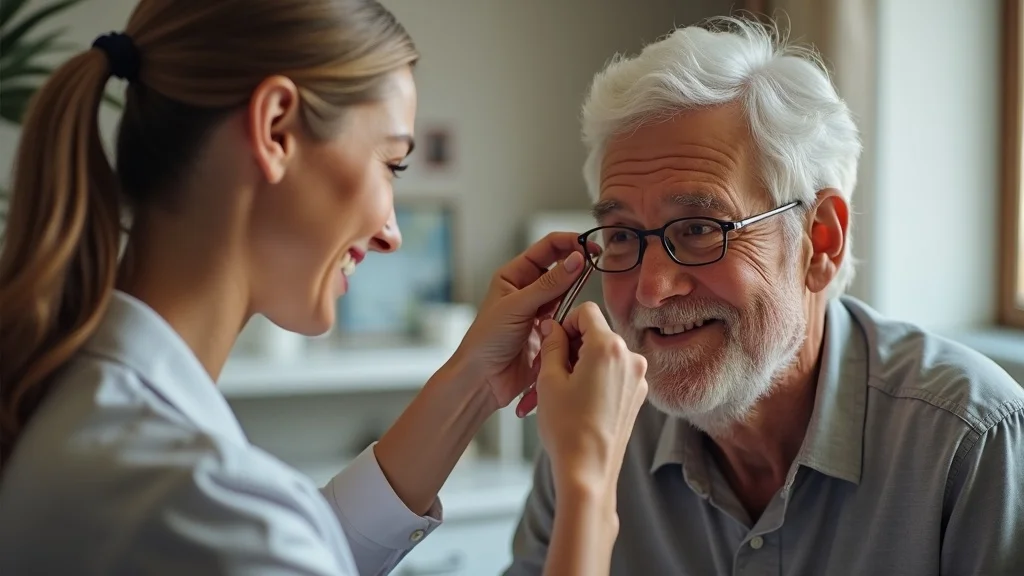
Long-Term Support and Hearing Health Management
Living with hearing loss and tinnitus is a lifelong journey, and hearing health management extends far beyond the initial fitting. Ongoing care involves proactive hearing checks, adjustments to your hearing aid settings, and support as your needs change. Many older adults and those with evolving tinnitus symptoms find comfort knowing their provider is there to celebrate progress and troubleshoot setbacks. With each visit, your care team supports not just your ears, but your overall well-being and quality of life.
“Our concierge mobile service allows us to meet patients where they are—whether that’s at home, at work, or assisting caregivers. It removes a major barrier for people who might otherwise delay care.”
- Brittany Arnold, Volunteer Hearing
Table: Hearing Aids and Tinnitus Relief Comparison
Type of Hearing Aid |
Effectiveness for Tinnitus |
Additional Features |
Suitable For |
|---|---|---|---|
Standard Digital |
Moderate |
Volume control |
Mild to moderate tinnitus |
Sound Generator Integrated |
High |
Masking sounds |
Chronic tinnitus |
Wireless/ Bluetooth |
High |
Customized sound therapy |
Tech-savvy users |
Reducing Tinnitus: Practical Tips and Everyday Strategies
While technology like hearing aids for tinnitus is transformative, everyday habits can also powerfully shape the perception of tinnitus. Consistent device use, regular checkups with your hearing care provider, and stress management (such as meditation or gentle exercise) all help minimize tinnitus symptoms. Avoiding triggers—like excessive caffeine or loud music—can prevent tinnitus from worsening. Remember, small changes add up and, when paired with modern technology, offer a comprehensive approach to tinnitus relief.

Consistent use of hearing aids designed for tinnitus
Regular hearing health checkups
Stress management and relaxation techniques
Avoiding tinnitus triggers (caffeine, loud noise)
Chronic Tinnitus and the Emotional Impact
The struggle with chronic tinnitus goes well beyond physical symptoms; the emotional and mental repercussions can be just as profound. Persistent ringing can disrupt concentration, sleep, and social connection, often leading to anxiety or lowered mood. Acknowledging the emotional side is key—especially as leveraging hearing aids and a strong support network can make an enormous difference in coping and thriving despite ongoing tinnitus.
Mental Health and Coping Mechanisms
When tinnitus dominates your attention, feelings of helplessness or frustration are natural. However, building coping mechanisms—ranging from mindfulness and cognitive therapy to regular exercise—can defuse the emotional impact. Many find comfort through structured support groups, shared experience, or one-on-one counseling. Layering these approaches with hearing aids for tinnitus can empower affected individuals to reclaim their mental well-being, reduce stress, and boost resilience.
Support Networks and Community Resources
Nobody should have to navigate tinnitus and hearing loss alone. An array of community organizations, online forums, and specialist-led support groups exist to connect, educate, and empower tinnitus patients. These resources foster shared understanding, offer advice about tinnitus treatment, and keep individuals up to date with the latest advancements in hearing aids and health services. A robust support system, combined with professional guidance, can transform tinnitus management from an isolating struggle into a shared journey toward relief.
FAQs on Hearing Aids and Tinnitus
Will hearing aid reduce tinnitus?
Most hearing aids are specifically designed to reduce tinnitus by amplifying environmental sounds and helping to mask internal ringing. Users often report a significant drop in tinnitus perception when consistently wearing devices tuned for their individual needs.
Why can't they find a cure for tinnitus?
The complexity of tinnitus stems from its variety of causes, including hearing loss, nerve disorders, and even emotional stress. Because the triggers differ for each person, developing a universal cure remains a challenge for researchers and clinicians alike.
Which hearing aids are best for tinnitus?
The most effective hearing aids for tinnitus often include built-in sound generators or features that play customizable soundscapes. These advanced options empower users and professionals to tailor relief strategies and provide long-term support.
How bad can tinnitus get?
Tinnitus severity ranges from a mild annoyance to a serious, daily disruption. For some, the ringing is barely noticeable, while for others it can be severely debilitating—affecting mental health, concentration, and sleep if left untreated.
“We also offer specialized tinnitus treatments, including Lenire therapy for more severe cases, which has shown strong success for patients who haven’t found relief elsewhere.”
- Brittany Arnold, Volunteer Hearing
Volunteer Hearing is currently the only regional provider offering Lenire therapy, with studies showing approximately an 80% success rate in improving tinnitus symptoms.
Key Takeaways: Hearing Aids and Tinnitus Relief
Hearing aids and tinnitus are closely linked, with many modern devices specifically aimed at reducing tinnitus symptoms.
Consulting a hearing care provider ensures personalized tinnitus treatment and ongoing support.
Integrating hearing aid use with holistic health strategies maximizes tinnitus relief and quality of life improvement.
Lenire Therapy for Tinnitus: What to Know
For patients experiencing moderate to severe tinnitus that significantly impacts daily life, advanced treatment options like Lenire therapy may offer meaningful relief.
Lenire is designed for individuals with chronic subjective tinnitus—such as persistent ringing, buzzing, or hissing sounds—and is typically recommended for those who have not found sufficient improvement through hearing aids or basic sound therapy.
To be considered a candidate, patients generally:
Have experienced tinnitus for at least six months
Report moderate or greater impact on daily life, sleep, or concentration
Are able to commit to consistent use (typically two 30-minute sessions per day for at least 12 weeks)
Do not have contraindications such as certain neurological conditions or implanted electronic devices
A comprehensive evaluation with a qualified audiologist is required to determine eligibility, as Lenire is a prescription-based treatment.
Clinical data has shown promising results:
Many users report a reduction in tinnitus severity
Improvements are often noticeable within 6–12 weeks
In clinical trials, 83% of patients said they would recommend Lenire, and 91% experienced sustained improvement in tinnitus impact scores
Where to Begin Your Journey: Find the Right Hearing Aid for Tinnitus Relief Today

If you’re inspired to take control of your hearing health and want to see how innovative approaches are transforming patient care, consider delving into rethinking sustainable healthcare models for better outcomes. For those seeking a deeper understanding of the emotional and psychological aspects of chronic conditions, you may also find value in exploring insights into altruism and psychopathy for a better humanity. Expanding your knowledge of holistic health strategies can empower you to make more informed decisions and embrace a comprehensive approach to well-being—one that supports both your hearing and your overall quality of life.


Write A Comment