Add Row
Add Element
  • Facebook
    update
  • X
    update
  • YouTube
    update
  • Instagram
    update
  • update
  • YouTube
    update
  • Instagram
    update
Add Element
Home Health Hub
update

Strategies to Improve and
Maintain Vibrant Health

Home Health Hub logo
update
Add Element
  • Home
    • Categories
      • Regulation and Controls
      • Home and Office Design
      • Wellness Maintenance
      • Environmental Controls
      • Non-toxic Materials
      • Expert Interviews
      • Environmental Technology
    • Business Profiles
    March 11.2025
    3 Minutes Read

    Exploring Sober Celebrations with Curious Elixirs

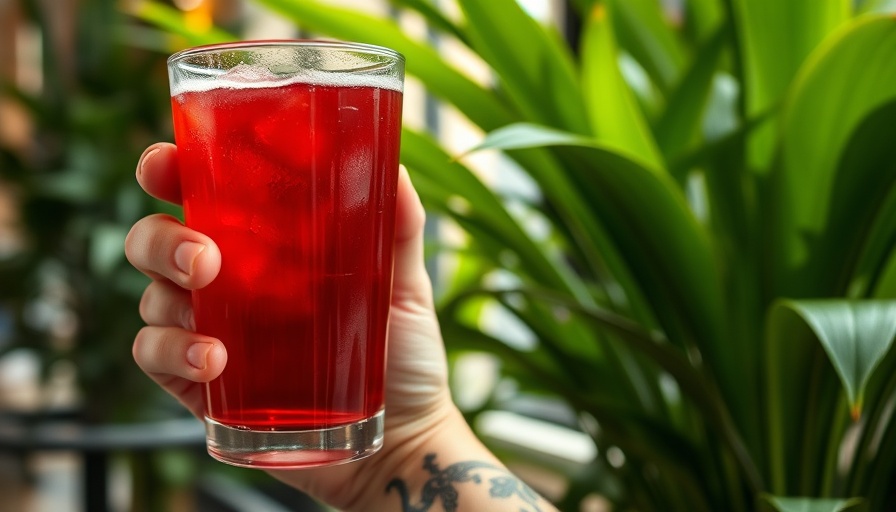
    Curious Elixirs bottle beside red mocktail in a hand, lush background.

    Why Sober Celebrations are Becoming the New Norm

    As more people begin to rethink their relationship with alcohol, sober celebrations are turning into a significant trend. The lifestyle shift, spurred by a collective reassessment of drinking habits since 2020, has many individuals reevaluating the places and situations where the clink of glasses is no longer a necessity but a choice. This cultural phenomenon emphasizes health, mindfulness, and well-being while allowing us to enjoy social events sober, marking a shift toward responsible consumption.

    The Allure of Curious Elixirs: A Refreshing Alternative

    Curious Elixirs offer a way to participate in happy hour without the drawbacks of traditional alcoholic beverages. Founded in 2015 before the “sober curious” movement gained momentum, the brand specializes in crafting non-alcoholic cocktails that do not compromise on taste or sophistication. The elixirs feature carefully selected ingredients like adaptogens, which help manage stress, and aphrodisiacs, making them not just enjoyable sips, but cocktails with benefits.

    Customer Experiences: Sipping with Intention

    In a review by Emily McGowan on The Good Trade, she emphasizes the satisfying nature of each drink. Unlike beer, where one might mindlessly reach for another, the elixirs encourage slow sipping and sharing. The calming effects of adaptogens paired with the delightful flavor profiles enhance the drinking experience, allowing for a moment of mindfulness amidst hectic schedules. Furthermore, the cocktails promise to leave consumers feeling refreshed rather than heavy and groggy come morning.

    A Deep Dive into Flavor Varieties

    Curious Elixirs offers a curated variety of flavors, which rotate monthly based on availability, ensuring that each experience remains fresh and exciting. Highlights include:

    • Curious Elixir No. 1: A Pomegranate Negroni enriched with rhodiola to boost mood.
    • Curious Elixir No. 2: A fusion of Spicy Marg meets Dark & Stormy with damiana, a noted aphrodisiac.
    • Curious Elixir No. 3: A refreshing Cucumber Collins that includes ashwagandha for memory support.
    • Curious Elixir No. 4: A Sicilian Spritz that provides stress relief through rhubarb roots.
    • Curious Elixir No. 5: A Smoked Cherry Chocolate Old Fashioned that balances rich flavors with shatavari.
    • Curious Elixir No. 6: Coconut Oatmilk Painkiller with lemon balm.
    • Curious Elixir No. 7: A Champagne Cocktail featuring Chardonnay grapes.

    This is just a glimpse into the variety available, highlighting the brand's dedication to crafting beverages that are both enjoyable and beneficial.

    Embracing the Sober Curious Lifestyle

    For those contemplating a shift in their drinking habits—whether it's for sobriety, reduced intake, or just plain curiosity—Curious Elixirs provides a healthy, delicious alternative. The lack of refined sugars, artificial additives, and the inclusion of organic ingredients make these beverages appealing, especially for health-conscious individuals. This trend invites a broader audience, allowing them to enjoy social gatherings without sacrificing their personal health goals.

    Incorporating Elixirs into Your Routine

    Incorporating Curious Elixirs into daily routines doesn't just stop at enjoying them at home—these beverages make great companions at social gatherings, and serve as thoughtful gifts at celebrations. They encourage taking time to appreciate the act of drinking, turning each sip into a moment of celebration and self-care. Whether it’s for a casual weeknight or a spirited social event, these elixirs allow drinkers to maintain their social lives while prioritizing their health.

    A Final Toast to Active Choices

    As more individuals navigate their relationship with alcohol, products like Curious Elixirs are paving the way for future celebrations that put health first. If you’re tired of feeling sluggish after a night out or simply want to explore non-alcoholic options, consider making these delicious cocktails part of your social toolkit.

    Ultimately, embracing sober celebrations isn’t just about abstaining from alcohol; it's about redefining what enjoyment means. Cheers to health-conscious alternatives!

    Wellness Maintenance

    25 Views

    0 Comments

    Write A Comment

    *
    *
    Related Posts All Posts
    01.12.2026

    Exploring Ketosis: A Tactical Guide for Better Mood and Cognition

    Learn about the ketosis benefits for mood and cognition, and explore practical insights for optimal brain health.

    01.01.2026

    Exploring the Rise of Food Allergies: Insights into EpiPen Use

    Learn about the rise of food allergies, the role of EpiPens in management, and essential insights on proper usage and safety.

    12.26.2025

    How Stem Cells Treatment Is Transforming Modern Medicine—And Where Wellness-Based Support Fits In

    More than five million people worldwide have benefited from medical stem cell transplants, with many experiencing life-changing results for conditions once deemed incurable. Stem cell treatment is emerging as one of the most groundbreaking advances in modern medicine, offering hope to patients battling cancer, autoimmune diseases, and neurodegenerative disorders.Important ContextThe widely cited figure of five million beneficiaries refers specifically to medical stem cell treatments, such as bone marrow and hematopoietic stem cell transplants. It does not apply to wellness products, supplements, or non-invasive approaches designed to support general cellular health.As research expands, so does public curiosity—along with confusion. Patients are often left wondering which approaches are clinically proven, which are experimental, and where non-medical wellness strategies fit into the conversation.Discover Why Stem Cell Treatments Are Reshaping HealthcareUnlike conventional therapies that often focus on symptom management, stem cell treatments aim to repair or regenerate damaged tissue at a cellular level. From restoring blood and immune systems after cancer therapy to exploring regenerative options for heart disease and autoimmune conditions, the medical potential is significant.Expert Insight“Stem cell therapy represents one of the most promising frontiers in modern medicine—but it’s also one of the most misunderstood. While some applications are well-established and lifesaving, many others are still under investigation and must be approached with scientific rigor.”— Regenerative Medicine Specialist What You'll Learn About Stem Cells TreatmentThe fundamental science behind stem cells treatment and cell therapyMajor types of stem cell therapies and their specific usesCurrent and emerging applications in regenerative medicineCritical evaluation of proven stem cell therapies vs. unproven stem cell treatmentsPotential risks, side effects, and ethical considerationsGuidance on clinical trials, cost analysis, and patient safetyStem Cells Treatment Explained: From Basics to BreakthroughsAt its core, stem cell treatment involves using specialized cells capable of developing into various tissue types—muscle, nerve, bone, or blood. This ability forms the foundation of regenerative medicine.The earliest and most established example is the bone marrow transplant, used for decades to treat blood cancers and immune disorders. Today, research has expanded into multiple stem cell types, each with distinct roles, benefits, and limitations.Types of Stem Cells Used in Medical TreatmentEmbryonic stem cells – pluripotent, ethically regulatedAdult stem cells – including hematopoietic and mesenchymal cellsInduced pluripotent stem cells (iPSCs) – reprogrammed adult cellsPerinatal stem cells – sourced from umbilical cord tissueThese therapies are tightly regulated and evaluated through clinical trials before approval.A Non-Invasive, Wellness-Based Perspective on Stem Cell SupportNot all discussions about stem cells involve medical procedures.Wellness Perspective“One challenge in conversations about stem cells is that many people immediately think of injections, high costs, or controversial sources,” explains EstherSue Murray, MBA, wellness educator and HealthyHome distributor. “For many individuals, those associations create hesitation before they even learn that non-invasive approaches exist to support the body’s natural regenerative processes.”Many readers interested in supporting the body’s natural healing processes also explore lifestyle and holistic approaches that address hormonal balance, stress management, and environmental wellness — as discussed in our feature on Common Menopausal Challenges and Holistic Coaching Solutions.Murray emphasizes that HealthyHome’s products are not stem cell treatments, not medical procedures, and not intended to diagnose, treat, cure, or prevent disease. Instead, they are positioned within the wellness category.“Our focus is education and personalization,” she notes. “We help people understand how wellness products may support the body’s natural stem cell activity, without making medical claims.”How Stem Cell Treatments Work (Medical Context)Medical stem cell treatments may:Differentiate into specialized cellsRelease growth factors that stimulate repairModulate immune responsesClinical Perspective“In many cases, the benefit comes less from replacing tissue directly and more from signaling the body to heal itself,” notes a leading stem cell researcher. “This distinction is critical for setting realistic expectations.”Many experts also emphasize that environmental factors and toxic burden influence how well the body’s natural regenerative processes function, so approaches that address both cellular health and toxic load can be complementary to overall wellness strategies.→ Learn more about reducing toxic load at HomeHealthHub: 7 Safe Floor Cleaner Alternatives for Health-Conscious Homeowners. Proven vs. Unproven Stem Cell TreatmentsProven stem cell therapies undergo:Controlled clinical trialsRegulatory reviewLong-term safety monitoringUnproven interventions—often marketed online or abroad—may lack evidence and oversight.Regulatory Warning“Patients should be extremely cautious of clinics advertising stem cell cures without FDA approval or peer-reviewed evidence.”— U.S. Food and Drug AdministrationDiseases and Conditions Treated by Stem CellsNeurological disorders (e.g., Parkinson’s, MS)Orthopedic injuries and arthritisCardiovascular diseasesDiabetesBlood disorders (e.g., leukemia, lymphoma)Autoimmune diseases Personal Experiences vs. Medical EvidenceMurray notes that many people learn about wellness-based stem cell support through shared personal experiences.“These stories are not clinical evidence,” she explains. “They’re individual experiences, and results vary. That’s why we focus on education rather than promises.” Cost, Access, and Informed Decision-MakingMedical stem cell treatments can exceed $100,000 and are often limited to hospital or trial settings. Wellness products, by contrast, operate outside the medical system and are not insurance-covered treatments.“Cost alone should never drive a health decision,” notes a health policy expert. “Evidence, safety, and professional guidance matter most.”Speak With a Wellness EducatorInterested in learning more about non-invasive wellness approaches that support the body’s natural regenerative processes? EstherSue Murray offers one-on-one educational conversations to help individuals understand how HealthyHome products are used and whether they may align with personal wellness goals. Visit her website for additional information.👉 Click to call or text: 845-591-8871(Educational consultation only — not medical advice)By Jim GreenFounder, HomeHealthHub.netDigital health publisher focused on wellness education, environmental health, and emerging regenerative technologies.Disclaimer:This content is for educational purposes only and is not intended to diagnose, treat, cure, or prevent any disease. Wellness products discussed are not FDA-approved drugs. Individual results vary. Consult a qualified healthcare professional before beginning any new wellness regimen.

    Terms of Service

    Privacy Policy

    Core Modal Title

    Sorry, no results found

    You Might Find These Articles Interesting

    T
    Please Check Your Email
    We Will Be Following Up Shortly
    *
    *
    *






