


The Hidden Problem
In the hustle and bustle of daily life, personal care products have become indispensable. From the moment we wake up to the time we retire to bed, we rely on an array of products to maintain our hygiene and enhance our appearance. However, beneath the glossy packaging and enticing fragrances lies a hidden danger that many consumers are unaware of: toxic chemicals. These substances, often masked by scientific jargon, can infiltrate our bodies through our skin, hair, and even our respiratory systems, posing significant health risks over time.
Many conventional personal care products contain a cocktail of synthetic ingredients, including parabens, phthalates, and sulfates. These chemicals are often used to preserve the product's shelf life, enhance its texture, or create a pleasing scent. However, studies have shown that prolonged exposure to these substances can lead to a range of health issues, from skin irritation and hormonal imbalances to more severe conditions like cancer and reproductive toxicity.

The alarming reality is that regulatory bodies in many countries do not require extensive testing of these chemicals before they are added to consumer products.
Beyond the individual health implications, the environmental impact of these toxic chemicals is equally concerning. When we wash off these products, the chemicals do not simply disappear; they enter our waterways, affecting aquatic life and eventually making their way back into our drinking water. This creates a vicious cycle of contamination that underscores the urgent need for a shift towards non-toxic personal care products. By becoming more conscious of the ingredients in our beauty and hygiene routines, we can protect both our health and the environment.
Expert Insight
To gain a deeper understanding of the dangers associated with conventional personal care products, we consulted with Dr. Shikha Bhattacharyya, a renowned toxicologist and advocate for clean beauty.

According to Dr. Bhattacharyya , the skin is the body's largest organ and acts as a sponge, absorbing up to 60% of the products we apply to it. "This means that the chemicals in our personal care products can easily penetrate the skin and enter the bloodstream, where they can accumulate and cause harm over time," she explains.
Dr. Bhattacharyya emphasizes the importance of reading product labels and being aware of the common toxic ingredients to avoid. "Many people are surprised to learn that labels like 'natural' or 'organic' are not always indicative of a product's safety," she notes. "It's crucial to look for third-party certifications, such as those from the Environmental Working Group (EWG) or the USDA Organic seal, which provide a more reliable assurance of a product's non-toxic nature."
In addition to individual vigilance, Dr. Bhattacharyya advocates for stronger regulatory oversight and greater transparency from manufacturers.

"Consumers have the right to know what they are putting on their bodies," she asserts. "By demanding safer products and supporting companies that prioritize clean ingredients, we can drive industry-wide change and reduce our collective exposure to harmful chemicals."
Case Studies: Toothpaste, Shampoo Bars
To illustrate the practical benefits of switching to non-toxic personal care products, let's examine two everyday items: toothpaste and shampoo bars. These products are used daily and have a significant impact on our overall health and well-being.
Conventional toothpaste often contains ingredients like triclosan, sodium lauryl sulfate (SLS), and artificial sweeteners. Triclosan, an antibacterial agent, has been linked to antibiotic resistance and endocrine disruption. SLS, a foaming agent, can cause skin irritation and mouth sores. Moreover, artificial sweeteners like saccharin and aspartame have been associated with various health concerns. In contrast, non-toxic toothpaste made from natural ingredients such as baking soda, coconut oil, and essential oils provide effective cleaning without the harmful side effects.
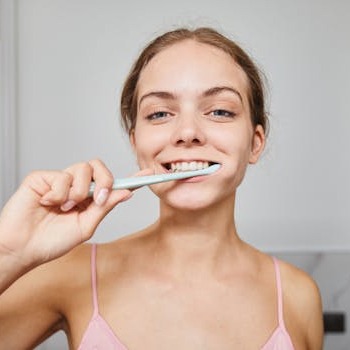
These alternatives are not only safer for our bodies but also better for the environment, as they often come in recyclable or biodegradable packaging.
Shampoo bars present another compelling case for non-toxic personal care. Traditional liquid shampoos are laden with sulfates, parabens, and synthetic fragrances, which can strip the hair of its natural oils, leading to dryness and scalp irritation. Additionally, the plastic bottles they come in contribute to the growing problem of plastic pollution. Shampoo bars, on the other hand, are typically free from these harmful chemicals and come in minimal, eco-friendly packaging. Made from nourishing ingredients like shea butter, essential oils, and herbal extracts, these bars not only cleanse the hair gently but also promote its health and shine. Users often report a noticeable improvement in the condition of their hair and scalp after making the switch.
By choosing non-toxic alternatives for products as routine as toothpaste and shampoo, we can make a significant positive impact on our health and the environment.

These case studies highlight the tangible benefits of adopting a cleaner beauty routine and underscore the importance of being mindful of the ingredients in our personal care products.
What Consumers Should Actually Look For
Navigating the world of non-toxic personal care products can be daunting, especially with the myriad of options available on the market. However, arming oneself with knowledge about key ingredients and certifications can simplify the process and ensure that consumers make informed choices.
One of the first steps is to familiarize oneself with common toxic ingredients to avoid. These include parabens, phthalates, sodium lauryl sulfate (SLS), and synthetic fragrances. Parabens, often used as preservatives, have been linked to hormone disruption and breast cancer. Phthalates, used to enhance the flexibility of plastics and the longevity of fragrances, are known endocrine disruptors and have been associated with reproductive and developmental issues.
SLS, a surfactant, can cause skin irritation and allergic reactions. Synthetic fragrances, which can contain hundreds of undisclosed chemicals, are a major cause of allergic reactions and have been linked to respiratory problems and hormone disruption.
In addition to avoiding harmful ingredients, consumers should look for products that feature natural, plant-based ingredients. Ingredients like aloe vera, coconut oil, shea butter, and essential oils not only provide effective care but also offer numerous benefits for the skin and hair. Additionally, products that are certified organic or have labels from reputable organizations like the Environmental Working Group (EWG), USDA Organic, or COSMOS Organic provide an added layer of assurance regarding their safety and efficacy.
Another important aspect to consider is the packaging of personal care products. Opting for products with minimal, recyclable, or biodegradable packaging can significantly reduce one's environmental footprint. Many non-toxic brands prioritize sustainable practices and use packaging made from materials like glass, aluminum, or compostable paper.

By choosing products that align with these values, consumers can contribute to a more sustainable and eco-friendly beauty industry.
Bigger Picture: Why This Matters
The shift towards non-toxic personal care products is not just about individual health—it's about creating a better world for everyone. The beauty industry is a major contributor to environmental pollution, with millions of plastic bottles, tubes, and containers ending up in landfills and oceans each year. By choosing products with sustainable packaging and supporting brands that prioritize eco-friendly practices, consumers can help reduce the industry's environmental impact.
Moreover, the production and disposal of synthetic chemicals used in conventional personal care products can have detrimental effects on the environment. These chemicals can contaminate soil and water, harming wildlife and disrupting ecosystems. For instance, microbeads—tiny plastic particles used in exfoliating products—have been found in alarming concentrations in oceans and freshwater bodies, posing a threat to marine life.

By opting for non-toxic products, consumers can help mitigate these environmental hazards and promote a healthier planet.
On a societal level, the demand for non-toxic personal care products can drive industry-wide change. As more consumers become aware of the benefits of clean beauty and prioritize it in their purchasing decisions, companies are incentivized to reformulate their products and adopt safer, more sustainable practices. This shift can lead to greater transparency, stricter regulations, and ultimately, a reduction in the use of harmful chemicals in the beauty industry.
Conclusion
Embracing non-toxic personal care products is a meaningful step towards a healthier, more sustainable lifestyle. By being mindful of the ingredients in our beauty and hygiene routines, we can protect our bodies from harmful chemicals and reduce our environmental footprint. The benefits of non-toxic products extend beyond individual health, contributing to a cleaner, safer planet and driving positive change in the beauty industry.
As consumers, we have the power to make informed choices and support brands that align with our values. By prioritizing natural, plant-based ingredients and sustainable packaging, we can foster a beauty routine that enhances our well-being without compromising the health of our planet. The journey towards a non-toxic lifestyle may require some effort and adjustment, but the rewards are well worth it.
Your path to a healthier, more radiant you starts with the choices you make today. Embrace the power of non-toxic personal care products and join the growing movement towards clean beauty. Together, we can create a world where health and sustainability go hand in hand.


Write A Comment