Add Row
Add Element
  • Facebook
    update
  • X
    update
  • YouTube
    update
  • Instagram
    update
  • update
  • YouTube
    update
  • Instagram
    update
Add Element
Home Health Hub
update

Strategies to Improve and
Maintain Vibrant Health

Home Health Hub logo
update
Add Element
  • Home
    • Categories
      • Regulation and Controls
      • Home and Office Design
      • Wellness Maintenance
      • Environmental Controls
      • Non-toxic Materials
      • Expert Interviews
      • Environmental Technology
    • Business Profiles
    August 23.2025
    2 Minutes Read

    Discover the Importance of Commercial Blower Door Testing for Energy Efficiency

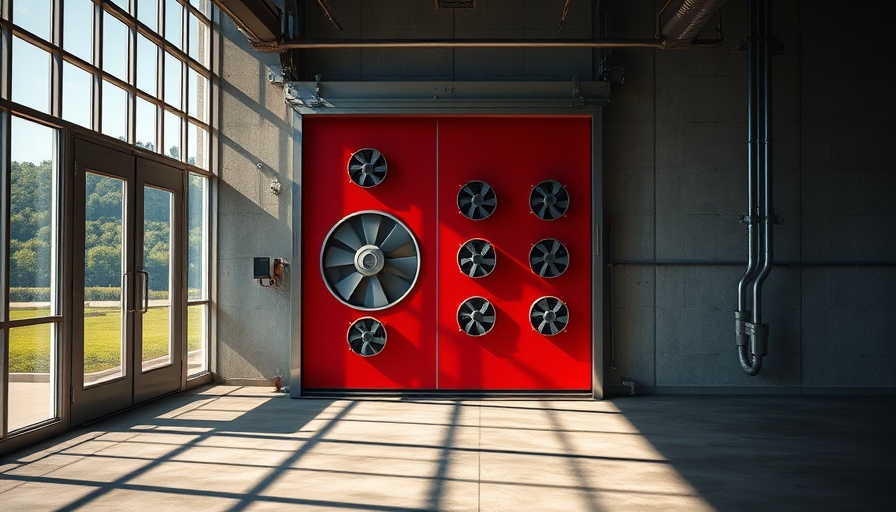
    Commercial blower door testing setup with shadows in a large room.

    Understanding Commercial Blower Door Testing

    Commercial blower door testing is an essential procedure for evaluating the air tightness of buildings. This testing determines how much air escapes through roofs, walls, and other areas, which ultimately affects a building's energy efficiency and comfort levels. By understanding the implications of these tests, building owners can make informed decisions on improving energy performance while also meeting regulatory compliance.

    The Importance of Air Leakage Testing

    Air leakage represents a significant loss of energy in commercial buildings. According to recent studies, up to 30% of a building's heating and cooling could be wasted due to air leaks. Conducting blower door tests allows property managers to pinpoint specific areas that require sealing or improvement, potentially leading to substantial energy cost savings. Additionally, reducing air leakage can enhance indoor air quality and create a more comfortable environment for occupants.

    How Blower Door Tests Work: A Scientific Approach

    The testing process involves a large fan installed in a doorway that creates a pressure difference between the inside and outside of the building. This pressure difference allows assessors to quantify the flow of air escaping, providing a clear analysis of the building's envelope efficiency. Advanced techniques, such as thermography or smoke tests, can be employed in conjunction with blower door testing to identify and visualize airflow paths hot and cold. These methods provide crucial insights that empower building professionals.

    Recent Innovations in Testing Technology

    As technology evolves, so does the methodology behind building performance assessments. Newer digital pressure gauges and software can streamline the testing process. Moreover, innovations in measurement techniques ensure that tests yield accurate results even in challenging environments. This technological advancement reflects the growing emphasis on building sustainability and energy conservation. Such tools have become indispensable in determining a building's design and ensuring it adheres to energy codes.

    Regulatory Compliance: Meeting Standards and Frameworks

    With increasing governmental regimes focusing on climate change and energy efficiency, regulatory compliance is no longer optional for commercial buildings. Standards like ASHRAE 90.1 define air leakage limits that buildings must adhere to, necessitating blower door testing. Understanding these regulations helps property owners not only comply but also adopt proactive strategies for performance enhancement. Being ahead of regulatory requirements can also position a business as a leader in sustainability practices.

    Actionable Steps for Building Managers

    For property managers looking to improve energy efficiency, the first step is to schedule a blower door test. Based on the outcomes, targeted sealing or structural adjustments can be made. Regular testing can be integrated into maintenance schedules to ensure ongoing compliance and efficiency, thereby preserving asset value and optimizing operational costs.

    In summary, commercial blower door testing is crucial for evaluating air leakage, enhancing occupant comfort, and ensuring compliance with energy standards. By staying abreast of testing innovations, regulations, and best practices, building owners can significantly enhance their properties' efficiency and sustainability.

    Environmental Technology

    5 Views

    0 Comments

    Write A Comment

    *
    *
    Please complete the captcha to submit your comment.
    Related Posts All Posts
    03.15.2026

    Exploring the Hydrogen Economy: A Sustainable Future Awaits

    Update The Promise of the Hydrogen Economy As we grapple with climate change and the ever-increasing demand for energy, the hydrogen economy emerges as a beacon of hope. Hydrogen, often dubbed the most abundant element in the universe, offers the potential to transform how we generate and use energy. By unlocking this promising resource, we could pave the way for a cleaner, more sustainable future.In 'The Hydrogen Economy: The Fuel That Could Power Civilization', the discussion dives into the transformative potential of hydrogen as an energy source, exploring key insights that sparked deeper analysis on our end. Understanding Hydrogen’s Potential Hydrogen can serve as a clean fuel alternative, particularly when produced through renewable methods such as electrolysis, powered by solar or wind energy. This production method emits no greenhouse gases, marking a significant shift from fossil fuels traditionally used to power vehicles and industries. Moreover, hydrogen is versatile. It can not only be used in fuel cells to generate electricity for electric vehicles but can also be utilized in industrial processes, heating, and even as a means of energy storage. This adaptability places hydrogen front and center in discussions about future energy infrastructures. Historical Context and Background of Hydrogen Energy Hydrogen energy has been studied since the 19th century, but only in recent decades has significant progress been made in its applications and technologies. This historical trajectory showcases the evolution of technologies that harness this element as a clean energy source, dating back to early experiments by chemist Henry Cavendish. The push for hydrogen gained momentum during the late 20th century with increasing awareness of global warming and the need for sustainable energy solutions. Now, governments and private sectors around the globe are pouring investment into hydrogen research, signaling that the dawn of the hydrogen economy may not be too far off. The Social Connection: Why Hydrogen Matters Understanding hydrogen's role goes beyond just technology; it’s deeply intertwined with societal choices regarding climate change and energy policy. By investing in hydrogen, we are not just supporting a new fuel source but are also taking steps toward social equity. Clean energy fronts can lead to job creation, stimulate local economies, and reduce reliance on imported fuels, thus empowering communities. Future Predictions: Opportunities and Trends in Hydrogen Experts predict a surge in hydrogen energy usage within the next decade. The International Energy Agency has highlighted that by 2030, global demand for hydrogen could triple, particularly in sectors that are hard to decarbonize, such as steel production and long-haul transportation. This projected growth makes hydrogen a critical player in achieving global climate goals. The opportunities tied to this energy source can shift the job landscape, triggering vast economic growth across various sectors. As demand rises, investments in hydrogen technology will likely lead to innovative projects and startups focused on renewable hydrogen production. Counterarguments: Challenges Ahead for the Hydrogen Economy Despite its promise, the hydrogen economy faces substantial challenges. One major dilemma is the infrastructure needed to support widespread hydrogen production and distribution. Current systems for transporting and storing hydrogen are limited, and significant investment is required to develop a network that can handle this fuel efficiently. Additionally, not all hydrogen production is clean. Current production methods still rely on fossil fuels, producing a byproduct of greenhouse gases. For the hydrogen economy to fulfill its green promise, transitioning to entirely renewable processes is essential. Decisions We Can Make: Transitioning Toward Hydrogen For individuals and communities wanting to support the hydrogen economy, there are several proactive steps to take. Advocacy for clean energy policy and encouraging local governments to invest in hydrogen technology can help shape the future. Educating oneself and others about hydrogen’s benefits and challenges can also drive public interest and investment. Community events and educational forums focusing on sustainable practices are great avenues to foster awareness and propel the hydrogen economy forward. What It Means for Us Being aware of hydrogen’s role in the future of energy not only informs but empowers us to participate in the transition. Those engaged in sustainable lifestyles can advocate for energy choices that benefit health and the environment, while the next generation can be motivated to engage with careers in renewable energy. As we stand on the brink of what many are calling the hydrogen era, the idea that a new economy based on clean fuel is possible becomes within reach. The decisions we make today will echo into the future, shaping the landscapes of not just our homes, but our communities and the planet at large. This outlook on the hydrogen economy inspires hope in a time when many seek viable solutions to pressing environmental challenges. By fostering awareness and engagement on this pivotal energy source, we can collectively embrace a sustainable future.

    03.15.2026

    Unlocking the Future: How Fusion Energy Promises a Clean Tomorrow

    Update Is Fusion Energy the Ultimate Clean Solution? In recent years, the quest for sustainable and efficient energy sources has intensified, with fusion energy consistently emerging as a promising candidate. Unlike traditional energy production methods, fusion generates energy by fusing atomic nuclei, producing minimal waste and greenhouse gas emissions. This innovative technology represents the potential to overcome the pressing challenges of climate change and energy shortages, making it increasingly relevant in today’s ecological landscape.In 'Fusion Energy Is Finally Getting Closer', the discussion dives into the technological advancements and promises of fusion energy, exploring key insights that sparked deeper analysis on our end. The Growing Interest in Fusion Energy The spotlight on fusion energy has intensified, especially as global interest in cleaner energy sources grows. Scientists and governments around the world are investing substantially in research and development to unlock the mysteries of fusion. Initiatives like the International Thermonuclear Experimental Reactor (ITER) in France are paving the way for breakthroughs that could change how we approach energy generation. The excitement surrounding recent advancements suggests that fusion could transition from theoretical applications to practical implementations sooner than we might expect. Why Fusion Energy Matters The value of harnessing fusion energy extends beyond just producing power—the broader implications of adopting this technology can transform economies and rewrite environmental narratives. Fusion energy offers the potential for near-limitless fuel resources, drawing from elements like hydrogen isotopes found in seawater. This contrasts sharply with the depletion of fossil fuels and the geopolitical tensions surrounding oil reserves. Moreover, as fusion facilities begin to spring up across the globe, jobs will be created, boosting local economies while simultaneously addressing energy security. A Historical Perspective The journey towards practical fusion energy has been long and arduous, with over 60 years of research and experiments yielding valuable insights and occasional setbacks. The anticipation surrounding fusion has historical roots, dating back to the Atomic Age when scientists first began to comprehend nuclear processes. While previous endeavors have faced challenges, recent technological advancements indicate a shift in momentum. With a strong foundation in both theory and practice, today's researchers are more equipped than ever to tackle previous roadblocks, fostering optimism for future breakthroughs. Looking Forward: Predictions and Opportunities As we explore the future of fusion energy, it’s essential to consider the trends and innovations shaping its trajectory. With advances in magnets and laser technology, upcoming fusion reactors are expected to operate more efficiently, bringing fusion energy closer to reality. Many experts predict that within the next decade, we could see small-scale fusion plants coming online, supplementing existing renewable energy sources. This shift could lead to collaborative efforts across nations as we address global energy needs collectively. Innovations in fusion technologies could also inspire developments in materials science, contributing to advancements in related fields. Addressing Misconceptions and Fears Despite the compelling advantages that fusion energy promises, misconceptions persist. Many may equate fusion with nuclear fission, which produces hazardous waste. Unlike fission, fusion reactions yield minimal, low-level waste that can diminish in radioactivity over short time spans. Educating the public about the safety and viability of fusion technologies is essential in easing apprehensions and fostering acceptance. Communicating clearly about how fusion works and its environmental benefits can inspire broader support for fusion initiatives. Actionable Insights for Readers As discussions about fusion technology progress, readers can play an active role in this narrative by seeking information and engaging in the conversation around sustainability. Encourage local leaders to invest in clean energy initiatives and advocate for educational programs that demystify fusion technology. By staying informed and involved, we can help shape a future powered by clean, safe, and abundant energy. In summary, the advances in fusion energy signify not just technological progress but a unified commitment to sustainable living. As we leverage these innovations, we have the opportunity to make strides towards a greener planet while energizing our economies. By embracing the potential of fusion, we can collectively embark on a hopeful journey towards cleaner energy for generations to come.

    03.14.2026

    Unlocking Efficiency: The Benefits of Roof Turbine Ventilators for Your Home

    Update Understanding Roof Turbine Ventilators: A Smart Choice for Your Home Roof turbine ventilators are an invaluable asset for enhancing ventilation in residential and commercial buildings alike. These energy-efficient systems offer a sustainable solution to managing heat and air quality—critical factors for comfort and energy efficiency. Notably, as climate challenges continue, incorporating technologies such as turbine vents can play a crucial role in creating sustainable living environments. The Benefits of Roof Turbine Ventilators One of the significant advantages of roof turbine ventilators is their ability to improve indoor air quality by expelling hot, stale air and allowing cooler air to enter from lower levels. According to studies, inadequate ventilation can lead to high levels of humidity, which not only affects comfort but also promotes mold growth and structural damage. Roof turbines can lower temperatures inside buildings by as much as 10%, making spaces more comfortable and improving worker productivity. As noted in a report by Southwest Solutions Group, even a minor drop in temperature can result in a 2% increase in productivity for every degree drop beyond 77°F. This is crucial for industrial facilities where worker efficiency directly impacts operational costs. How Roof Turbines Function The effectiveness of roof turbine ventilators fundamentally relies on principles of physics—specifically, convection and the natural upward movement of heat. Hot air rises, and turbine vents exploit this by drawing this air upwards through strategically located openings. When wind hits the turbines, they spin, creating a negative pressure that pulls air from inside the building out, effectively exhausting undesirable heat without electrical energy. This makes roof turbine vents a green alternative for regulating building temperatures. Wind-Driven vs. Powered Turbines There are two main types of roof turbine ventilators: wind-driven and powered turbines. Wind-driven turbines function solely on wind energy, providing an eco-friendly solution with minimal maintenance needs. They can still operate effectively on calm days due to thermal convection, allowing for continuous air refreshment, even when wind speeds are low. On the other hand, powered turbine ventilators incorporate electric motors that assist ventilation during low wind moments. These options offer the added reliability of guaranteed performance regardless of weather conditions, allowing homeowners to maintain control over their building's airflow efficiently. Potential Drawbacks of Roof Turbine Vents Despite the advantages, it is essential to consider some potential downsides. Turbines have moving parts, which may require maintenance over time to avoid noise or performance issues. Moreover, certain designs might be susceptible to damage from severe weather or debris accumulation. Additionally, some homeowners find the aesthetic appeal of turbines lacking compared to lower-profile venting alternatives. Conclusion The benefits of roof turbine ventilators are compelling, especially in an era focused on sustainability and energy efficiency. With their ability to improve air quality, reduce building temperatures, and enhance worker productivity, these systems can be a vital part of modern building design. Homeowners and facility managers should weigh these factors carefully, taking into account their specific ventilation needs and environmental conditions. In an ever-evolving climate landscape, considering solutions like roof turbine ventilators can offer a way to enhance comfort while simultaneously promoting sustainability and responsible energy use. The efficiency, longevity, and effectiveness of turbine vents present a winning choice for enhancing your home or commercial space.

    Terms of Service

    Privacy Policy

    Core Modal Title

    Sorry, no results found

    You Might Find These Articles Interesting

    T
    Please Check Your Email
    We Will Be Following Up Shortly
    *
    *
    *