
Add Row
Add Element
  • Facebook
    update
  • X
    update
  • YouTube
    update
  • Instagram
    update
  • update
  • YouTube
    update
  • Instagram
    update
Add Element
Home Health Hub
update

Strategies to Improve and
Maintain Vibrant Health

Home Health Hub logo
update
Add Element
  • Home
    • Categories
      • Regulation and Controls
      • Home and Office Design
      • Wellness Maintenance
      • Environmental Controls
      • Non-toxic Materials
      • Expert Interviews
      • Environmental Technology
    • Business Profiles
    January 25.2025
    2 Minutes Read

    Conquer Mold: Natural Ways to Revive Your Clothes Without Bleach

    N/A


    Why Mold Is a Serious Concern for Homeowners
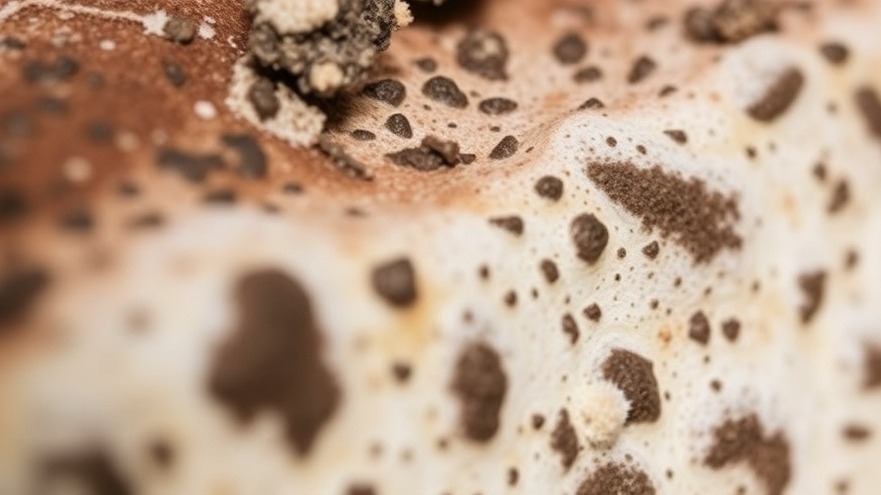
    mold spores

    Mold isn’t just an unsightly issue in your home; it can also pose serious health risks. As homeowners, understanding how to effectively remove mold from clothes is crucial. Mold spores can lead to respiratory problems, allergic reactions, and other serious health issues if left untreated. It’s vital to address any signs of mold on your fabrics, especially in areas where moisture tends to accumulate, such as attics, basements, or laundry rooms. Taking prompt action not only protects your wardrobe but also your health.

    Natural Solutions: Getting Mold Out of Clothes Without Bleach

    When dealing with mold on fabrics, many people reach for bleach, thinking it’s the only solution. However, bleach is not a one-size-fits-all answer and can sometimes worsen the situation by setting stains or irritating the skin. Thankfully, several natural alternatives are not only effective but also safe for the environment and your health. Here are some notable methods:

    • Vinegar: This everyday kitchen staple is a powerful mold killer. Simply soak the affected garment in a solution of one cup of vinegar mixed with water, letting it sit for at least an hour before laundering as usual.

    • Baking Soda: Known for its deodorizing properties, baking soda can also assist in removing mold. Mix a half cup of baking soda with water, apply it to the moldy area, and scrub gently before washing.

    • Tea Tree Oil: While more expensive than other remedies, a few drops mixed with water can create a potent mold-killing spray. It not only cleans but leaves a pleasant scent behind.

    Preventing Mold Problems Before They Start

    As the old adage goes, an ounce of prevention is worth a pound of cure. To keep mold at bay, ensure your clothes are completely dry before putting them away. Regularly checking for condensation in your closets and using dehumidifiers in areas with high moisture can significantly reduce mold risk. Proper airflow is key—consider leaving space between garments to promote air circulation. Remember, a proactive approach today can save your clothing and health down the line.

    Common Misconceptions About Mold Removal

    Many believe that mold removal is a straightforward task—simply wash and dry. However, the truth is more complex. Not all mold types are the same; some require specialized treatment to avoid spreading spores. Another misconception is that once cleaned, clothing will not regrow mold. In reality, if conditions remain favorable, mold can return. Understanding these facts helps homeowners implement effective long-term strategies.

    Conclusion: The Value of Knowing How to Remove Mold

    Knowledge is power when combating mold in your home. By employing natural solutions and practicing preventative measures, you can protect your clothing and maintain a healthy environment. Take the time to educate yourself about the various methods available, and you'll be well-equipped to handle any mold situations that arise.


    Wellness Maintenance

    24 Views

    0 Comments

    Write A Comment

    *
    *
    Related Posts All Posts
    01.12.2026

    Exploring Ketosis: A Tactical Guide for Better Mood and Cognition

    Learn about the ketosis benefits for mood and cognition, and explore practical insights for optimal brain health.

    01.01.2026

    Exploring the Rise of Food Allergies: Insights into EpiPen Use

    Learn about the rise of food allergies, the role of EpiPens in management, and essential insights on proper usage and safety.

    12.26.2025

    How Stem Cells Treatment Is Transforming Modern Medicine—And Where Wellness-Based Support Fits In

    More than five million people worldwide have benefited from medical stem cell transplants, with many experiencing life-changing results for conditions once deemed incurable. Stem cell treatment is emerging as one of the most groundbreaking advances in modern medicine, offering hope to patients battling cancer, autoimmune diseases, and neurodegenerative disorders.Important ContextThe widely cited figure of five million beneficiaries refers specifically to medical stem cell treatments, such as bone marrow and hematopoietic stem cell transplants. It does not apply to wellness products, supplements, or non-invasive approaches designed to support general cellular health.As research expands, so does public curiosity—along with confusion. Patients are often left wondering which approaches are clinically proven, which are experimental, and where non-medical wellness strategies fit into the conversation.Discover Why Stem Cell Treatments Are Reshaping HealthcareUnlike conventional therapies that often focus on symptom management, stem cell treatments aim to repair or regenerate damaged tissue at a cellular level. From restoring blood and immune systems after cancer therapy to exploring regenerative options for heart disease and autoimmune conditions, the medical potential is significant.Expert Insight“Stem cell therapy represents one of the most promising frontiers in modern medicine—but it’s also one of the most misunderstood. While some applications are well-established and lifesaving, many others are still under investigation and must be approached with scientific rigor.”— Regenerative Medicine Specialist What You'll Learn About Stem Cells TreatmentThe fundamental science behind stem cells treatment and cell therapyMajor types of stem cell therapies and their specific usesCurrent and emerging applications in regenerative medicineCritical evaluation of proven stem cell therapies vs. unproven stem cell treatmentsPotential risks, side effects, and ethical considerationsGuidance on clinical trials, cost analysis, and patient safetyStem Cells Treatment Explained: From Basics to BreakthroughsAt its core, stem cell treatment involves using specialized cells capable of developing into various tissue types—muscle, nerve, bone, or blood. This ability forms the foundation of regenerative medicine.The earliest and most established example is the bone marrow transplant, used for decades to treat blood cancers and immune disorders. Today, research has expanded into multiple stem cell types, each with distinct roles, benefits, and limitations.Types of Stem Cells Used in Medical TreatmentEmbryonic stem cells – pluripotent, ethically regulatedAdult stem cells – including hematopoietic and mesenchymal cellsInduced pluripotent stem cells (iPSCs) – reprogrammed adult cellsPerinatal stem cells – sourced from umbilical cord tissueThese therapies are tightly regulated and evaluated through clinical trials before approval.A Non-Invasive, Wellness-Based Perspective on Stem Cell SupportNot all discussions about stem cells involve medical procedures.Wellness Perspective“One challenge in conversations about stem cells is that many people immediately think of injections, high costs, or controversial sources,” explains EstherSue Murray, MBA, wellness educator and HealthyHome distributor. “For many individuals, those associations create hesitation before they even learn that non-invasive approaches exist to support the body’s natural regenerative processes.”Many readers interested in supporting the body’s natural healing processes also explore lifestyle and holistic approaches that address hormonal balance, stress management, and environmental wellness — as discussed in our feature on Common Menopausal Challenges and Holistic Coaching Solutions.Murray emphasizes that HealthyHome’s products are not stem cell treatments, not medical procedures, and not intended to diagnose, treat, cure, or prevent disease. Instead, they are positioned within the wellness category.“Our focus is education and personalization,” she notes. “We help people understand how wellness products may support the body’s natural stem cell activity, without making medical claims.”How Stem Cell Treatments Work (Medical Context)Medical stem cell treatments may:Differentiate into specialized cellsRelease growth factors that stimulate repairModulate immune responsesClinical Perspective“In many cases, the benefit comes less from replacing tissue directly and more from signaling the body to heal itself,” notes a leading stem cell researcher. “This distinction is critical for setting realistic expectations.”Many experts also emphasize that environmental factors and toxic burden influence how well the body’s natural regenerative processes function, so approaches that address both cellular health and toxic load can be complementary to overall wellness strategies.→ Learn more about reducing toxic load at HomeHealthHub: 7 Safe Floor Cleaner Alternatives for Health-Conscious Homeowners. Proven vs. Unproven Stem Cell TreatmentsProven stem cell therapies undergo:Controlled clinical trialsRegulatory reviewLong-term safety monitoringUnproven interventions—often marketed online or abroad—may lack evidence and oversight.Regulatory Warning“Patients should be extremely cautious of clinics advertising stem cell cures without FDA approval or peer-reviewed evidence.”— U.S. Food and Drug AdministrationDiseases and Conditions Treated by Stem CellsNeurological disorders (e.g., Parkinson’s, MS)Orthopedic injuries and arthritisCardiovascular diseasesDiabetesBlood disorders (e.g., leukemia, lymphoma)Autoimmune diseases Personal Experiences vs. Medical EvidenceMurray notes that many people learn about wellness-based stem cell support through shared personal experiences.“These stories are not clinical evidence,” she explains. “They’re individual experiences, and results vary. That’s why we focus on education rather than promises.” Cost, Access, and Informed Decision-MakingMedical stem cell treatments can exceed $100,000 and are often limited to hospital or trial settings. Wellness products, by contrast, operate outside the medical system and are not insurance-covered treatments.“Cost alone should never drive a health decision,” notes a health policy expert. “Evidence, safety, and professional guidance matter most.”Speak With a Wellness EducatorInterested in learning more about non-invasive wellness approaches that support the body’s natural regenerative processes? EstherSue Murray offers one-on-one educational conversations to help individuals understand how HealthyHome products are used and whether they may align with personal wellness goals. Visit her website for additional information.👉 Click to call or text: 845-591-8871(Educational consultation only — not medical advice)By Jim GreenFounder, HomeHealthHub.netDigital health publisher focused on wellness education, environmental health, and emerging regenerative technologies.Disclaimer:This content is for educational purposes only and is not intended to diagnose, treat, cure, or prevent any disease. Wellness products discussed are not FDA-approved drugs. Individual results vary. Consult a qualified healthcare professional before beginning any new wellness regimen.

    Terms of Service

    Privacy Policy

    Core Modal Title

    Sorry, no results found

    You Might Find These Articles Interesting

    T
    Please Check Your Email
    We Will Be Following Up Shortly
    *
    *
    *