Add Row
Add Element
  • Facebook
    update
  • X
    update
  • YouTube
    update
  • Instagram
    update
  • update
  • YouTube
    update
  • Instagram
    update
Add Element
Home Health Hub
update

Strategies to Improve and
Maintain Vibrant Health

Home Health Hub logo
update
Add Element
  • Home
    • Categories
      • Regulation and Controls
      • Home and Office Design
      • Wellness Maintenance
      • Environmental Controls
      • Non-toxic Materials
      • Expert Interviews
      • Environmental Technology
    • Business Profiles
    April 12.2025
    2 Minutes Read

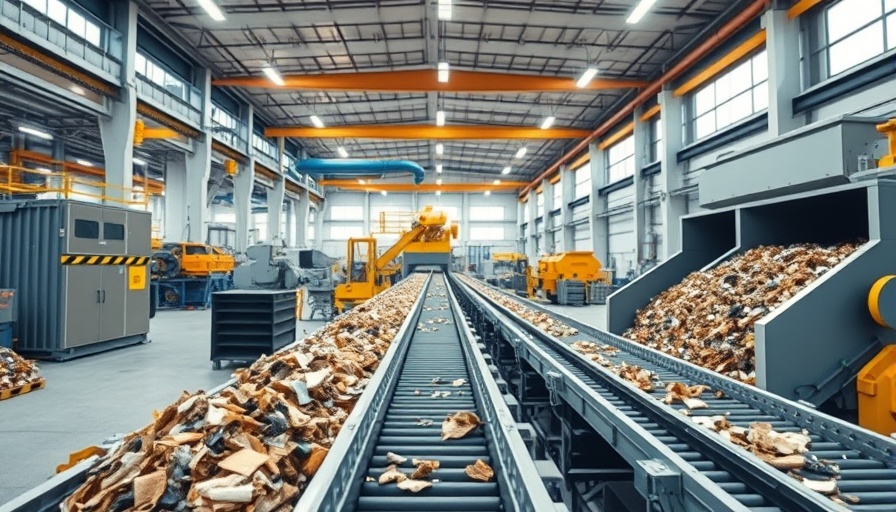
    Cleanaway's New Advanced Facility Revolutionizes Recycling in Western Sydney

    Advanced Material Recovery Facility in Western Sydney with conveyor belts and machinery.

    A Game Changer for the Circular Economy

    Cleanaway Waste Management Limited has just opened a cutting-edge Material Recovery Facility (MRF) in Rooty Hill, Western Sydney, marking a significant leap forward in the region's recycling capabilities. This state-of-the-art facility boasts advanced optical sorting technology, achieving a remarkable 99.5% purity in recovered materials. It aims to enhance the quality and quantity of recyclable resources extracted from commingled recycling efforts across New South Wales (NSW).

    Innovative Technology at Work

    The new MRF employs a variety of advanced technologies such as ballistic separators, optical sorting based on color and shape, eddy currents, and magnets. Together, these technologies will enable the facility to process an impressive 120,000 tonnes of recyclables each year, encompassing both commercial and residential waste streams. By integrating these innovative technologies, Cleanaway not only maximizes material recovery rates but also raises the bar for environmental controls and fire safety standards, as highlighted by Mark Schubert, the CEO of Cleanaway.

    Supporting Local Governments and Community

    Cleanaway's partnership with the Blacktown City Council underscores the importance of collaboration between local governments and private enterprises in achieving sustainability goals. The facility's strategic location within Sydney’s growth corridor ensures that it meets the recycling demands of an expanding population while concurrently promoting the development of a circular economy within Australia.

    Turning Waste into Valuable Resources

    One of the standout features of the facility is its ability to convert plastics into high-quality food-grade resin, which can be reused in the production of new plastic containers and packaging. Through partnerships with Circular Plastics Australia at Altona and Laverton, Cleanaway is leading the way in ensuring that a significant portion of waste does not end up in landfills, thereby reducing the environmental footprint of plastic consumption.

    Alignment with the Future

    The launch of the Western Sydney MRF aligns seamlessly with Cleanaway’s Blueprint 2030 strategy, which emphasizes the expansion of an integrated network of infrastructure assets. By focusing on innovation in waste management, Cleanaway is not only enhancing its service offerings but also generating substantial value for customers while contributing to the overarching goal of building a sustainable future.

    As communities across Australia aim to adopt more sustainable practices, facilities like Cleanaway's new MRF represent a critical step towards achieving a greener future.

    Environmental Technology

    19 Views

    0 Comments

    Write A Comment

    *
    *
    Related Posts All Posts
    03.09.2026

    Can Scientists Successfully Build a Star on Earth with Fusion Energy?

    Update Why Scientists Are Pursuing Fusion Energy The quest for a reliable and sustainable energy source has led scientists to explore the potential of fusion energy—an endeavor that mimics the processes powering our sun. Fusion energy holds the promise of providing limitless, clean energy with minimal environmental impact—a need particularly poignant as the world grapples with the effects of climate change and dwindling fossil fuel resources.In 'Scientists Are Trying To Build A Star On Earth | Fusion Energy Documentary', the discussion dives into the potential of fusion energy, exploring key insights that sparked deeper analysis on our end. The Science Behind Fusion Energy Fusion energy occurs when two atomic nuclei combine to form a heavier nucleus, releasing vast amounts of energy. This process fuels the sun, making it a powerful model for clean energy. Researchers are experimenting with various methods to achieve controlled thermonuclear fusion, aiming to replicate the sun's conditions right here on Earth. Innovative projects, like ITER in France and private ventures such as Helion Energy and Tokamak Energy, are leading advancements in this ambitious field. Challenges on the Path to Fusion While the potential for fusion energy is promising, several significant challenges must be overcome. Creating and maintaining the extreme temperatures and pressures necessary for fusion reactions poses a technological hurdle. Current fusion reactors have not yet achieved the necessary net energy gain—where the energy produced exceeds the energy consumed. Ongoing research is crucial to tackle these obstacles and bring fusion energy closer to realization. Fusion Energy's Impact on Society and the Environment Successful development and implementation of fusion energy could revolutionize energy consumption worldwide. Unlike fossil fuels, fusion produces virtually no greenhouse gases or long-lived radioactive waste. This clean energy source could contribute significantly to reducing global warming and help combat environmental degradation. Societies heavily reliant on fossil fuels might transition to a sustainable model, significantly impacting the economy, public health, and energy security. Future Predictions: When Will Fusion Become Viable? Experts are optimistic about the trajectory of fusion energy development. With continued investment and scientific breakthroughs, it is anticipated that we may witness the first successful power-generating fusion reactors within the next few decades. Global collaboration among scientists could accelerate progress, shaping a future where fusion energy is a cornerstone of our energy landscape. Investing in a Fusion Future Governments and private investors are recognizing the transformative potential of fusion energy. Countries like the United States, China, and members of the European Union are investing heavily in fusion energy research, hoping to position themselves as leaders in this emerging technology. This financial backing encourages innovation and attracts talent into the field, fostering an environment ripe for breakthroughs. Call to Action: Be Part of the Change As we stand at the cusp of a technological revolution with fusion energy, it's vital for individuals to support policies and initiatives that prioritize sustainable energy research. Engaging in community discussions, advocating for investments in clean technology, and educating ourselves and others about the importance of fusion can help accelerate our transition to a clean energy future. Let’s be advocates for a sustainable world!

    03.10.2026

    Explore the Essential Guide to Cathedral Ceiling Insulation for Efficiency

    Update Understanding Cathedral Ceiling Insulation: A Key to Energy Efficiency When it comes to constructing or renovating homes, cathedral ceilings offer an aesthetic appeal unlike any other. However, they present unique challenges, especially regarding insulation. In climates that require effective temperature regulation, understanding how to effectively insulate these structures is vital for both comfort and energy efficiency. The Importance of Proper Insulation Cathedral ceilings lead to higher energy costs when not insulated properly. Insulation regulates heat in the winter and keeps spaces cool in the summer, which is crucial for maintaining a stable indoor environment. Poor insulation can lead to ice dams in winter and overheating in summer, both of which jeopardize structural integrity and increase energy expenses. Choosing the Right Insulation Materials The selection of insulation material for cathedral ceilings is paramount. Common materials include fiberglass, cellulose, and spray foam. Each material has its unique benefits. For instance, spray foam provides a superior air sealant properties, preventing heat loss and reducing the chances for mold growth due to moisture retention. In contrast, cellulose is an eco-friendly option, made from recycled paper products, making it a sustainable choice while also providing adequate insulation. Installation Techniques Matter With cathedral ceilings, installation technique can significantly influence the insulation's effectiveness. Unlike traditional horizontal ceilings, cathedral ceilings often require precise fitting tools and practices. For example, ensuring a tight fit around rafters is crucial for preventing air leaks. Engaging professionals with experience in cathedral ceiling insulation is often worthwhile, as the complexities can be daunting for even seasoned DIY enthusiasts. Future Trends in Ceiling Insulation As environmental consciousness grows, more homeowners consider non-toxic and sustainable materials for their insulation projects. Innovations in insulation technology are proliferating, with improved thermal performance without the use of harmful chemicals. In the near future, we can expect an increased use of materials derived from agricultural waste and other sustainable sources, appealing to the eco-conscious market. Making Informed Decisions About Your Insulation In summary, understanding the intricacies of cathedral ceiling insulation can lead to better decisions during renovations or construction. Select the right materials and installation techniques to achieve the best results. By investing time and resources into researching insulation options, homeowners can guard against future headaches related to energy inefficiency and structural damage. As you embark on your renovation journey, remember that effective insulation can significantly impact your home's energy footprint. Consider consulting with a professional to discuss your options, ensuring a cozy, energy-efficient home.

    03.10.2026

    Navigating Towards Cleaner Shipping: Key Insights from APM 2026

    Update Asia Pacific Maritime 2026: A Catalyst for Change in Shipping The maritime industry is on the brink of a significant transformation as it steers towards a future characterized by digitalization, automation, and sustainability. Asia Pacific Maritime 2026 (APM 2026), to be held from March 25-27 at Marina Bay Sands, Singapore, will gather prominent shipowners and industry stakeholders to navigate this crucial change. Central to this conference is the theme: "Future of Vessel, Solutions for Tomorrow." The discussions promise to emphasize engaging with emerging technologies that drive operational performance and challenge the industry to meet ambitious decarbonization goals. Recognizing the Challenges Ahead A key discourse during APM 2026 will examine the pressing hurdles that shipowners currently face, including rising compliance costs, regulatory pressures, and a pressing climate agenda. Mohamed Safwan Othman, President of the Dinastia Jati Group, highlighted the daunting task of managing decarbonization objectives while maintaining economic viability. He underscores that it is not ambition that lacks; rather, it is the execution that poses a challenge. Stakeholders will need to carefully navigate choices surrounding alternative fuels and technological investments without compromising their long-term competitiveness. The Role of Decarbonization Strategies Decarbonization is no longer a distant objective—it's an urgency that is shaping maritime strategies worldwide. Recent insights highlight the four key pathways to a sustainable future: regulations, fuel alternatives, operational efficiencies, and emission management. As regulatory standards tighten globally, shipowners must develop flexible decarbonization strategies tailored to their business contexts. This involves not just adapting to new technologies—such as LNG, methanol, and hydrogen—but also prioritizing comprehensive lifecycle optimization strategies that account for environmental impact and economic viability. Leveraging Technology and Data The future of shipping hinges on leveraging digitalization and big data. With advances in technology, shipowners now have an unprecedented opportunity to utilize analytics for operational enhancement. Insights gained from real-time data can significantly minimize inefficiencies and optimize performance. For instance, predictive maintenance based on AI and data analytics not only improves vessel reliability but can also extend the asset's lifecycle and reduce costs in the long term. Collaboration for a Sustainable Future As the maritime industry evolves, collaboration will be essential to driving sustainable transformation. Initiatives promoting knowledge-sharing among shipowners, technology providers, and regulatory bodies can support the industry in overcoming key obstacles. By working together, stakeholders can enhance their understanding of regulatory compliance, assess emerging fuel technologies, and innovate solutions that deliver credible emissions reduction strategies. This synergy is critical not just for navigating the regulatory landscape, but for seizing the economic benefits that come with operational efficiency. Conclusion: Navigating Towards a Cleaner Tomorrow The discussions at APM 2026 will not merely revolve around technological advancements and strategies; they will serve as a platform for industry leaders to shape a cleaner and smarter future for maritime operations. As shipowners align their approaches with global decarbonization targets and explore innovative solutions, the focus will inevitably shift towards actionable insights that will drive this transformation. The maritime industry's journey toward sustainability will require collective ambition, foresight, and a willingness to adapt—to not just weather the changes but take the helm towards a transformative future.

    Terms of Service

    Privacy Policy

    Core Modal Title

    Sorry, no results found

    You Might Find These Articles Interesting

    T
    Please Check Your Email
    We Will Be Following Up Shortly
    *
    *
    *