Add Row
Add Element
  • Facebook
    update
  • X
    update
  • YouTube
    update
  • Instagram
    update
  • update
  • YouTube
    update
  • Instagram
    update
Add Element
Home Health Hub
update

Strategies to Improve and
Maintain Vibrant Health

Home Health Hub logo
update
Add Element
  • Home
    • Categories
      • Regulation and Controls
      • Home and Office Design
      • Wellness Maintenance
      • Environmental Controls
      • Non-toxic Materials
      • Expert Interviews
      • Environmental Technology
    • Business Profiles
    February 25.2025
    3 Minutes Read

    Can Crafting Help Us Heal? Exploring the Psychological Benefits

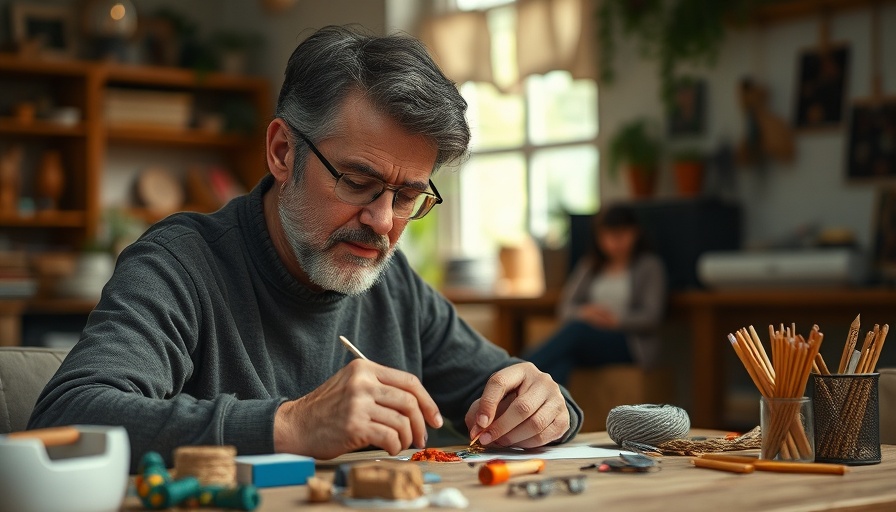
    Exploring the psychological benefits of crafting in a warm setting.

    Finding Serenity Through Crafting

    In today's fast-paced world, many are turning to crafting as a means of emotional relief and mental health support. Activities ranging from knitting to collaging not only offer creative outlets but also serve as therapeutic practices that can help alleviate anxiety and cultivate a sense of purpose. As Theresa Malchiodi’s research suggests, creating art provides emotion regulation and helps individuals process feelings that may be hard to articulate. Such artistic endeavors function as a bridging tool between emotional expression and mental wellness.

    The Therapeutic Role of Crafting

    Crafting has found its place in occupational therapy, with professionals increasingly recommending activities like paper cutting or painting to help clients navigate their emotions. As mentioned in our focus on psychological benefits, crafting is a straightforward yet profound way to tap into mindfulness. When we engage in these activities, a form of meditation ensues. Tools can transform raw materials into items of beauty, symbolizing the order we find in our chaotic lives.

    Crafting: A Path to Mindfulness and Reduced Stress

    Engaging in crafting naturally brings us into the present, helping us mitigate daily distractions and worries. Through repetitive actions like cutting, painting, or kneading clay, our bodies engage in a soothing rhythm akin to meditation. Occupational therapists like Elise Robinson highlight crafting as a way to lower cortisol levels—the stress hormone—while stimulating dopamine production, the feel-good neurotransmitter. This emphasizes the significant emotional healing that can arise when we prioritize creative expression.

    Crafting Cultivates Self-Efficacy and Resilience

    Every crafted piece tells a story of persistence. As we transform a simple skein of yarn into a knitted garment, we witness our capabilities. This nurturing of self-efficacy is crucial. According to experts, confidence grows through crafting, not just in what we create but in the very act of creation. Completing projects reinforces our belief that we can face and conquer challenges in other areas of life.

    The Social Connections in Crafting

    Crafting often serves as a means of fostering community. Whether through group classes or shared projects with friends, these activities create social bonds that contribute significantly to emotional support. The collaborative nature of arts and crafts can reduce levels of isolation and anxiety by nurturing feelings of belonging. Joining crafting circles or participating in community projects can provide a safe haven for many struggling with personal challenges.

    Crafting and its Impact on Cognitive Functioning

    Engaging in creative activities has shown promise in enhancing cognitive functions such as problem-solving, memory, and concentration. With age, these skills naturally decline, but studies have demonstrated that learning new crafts can potentially delay or reduce cognitive deterioration. This ensures that crafting isn't merely a pastime; it becomes a tool for maintaining mental agility and resilience.

    Tools for Emotional Healing

    The healing potential of crafting extends to managing specific mental health conditions, including depression and anxiety. Activities in the realm of crafting can provide a non-threatening medium through which individuals can express their experiences and emotions, either directly or indirectly. A heightened focus on flow—being entirely engaged in crafting—has been correlated with changes in emotional health, helping to diminish negative thinking and promoting a positive mood.

    Where Do We Go from Here?

    The transformation of raw materials into crafted pieces can be empowering, but sometimes, support is necessary. If you or someone you know struggles with mental health challenges, consider integrating crafting into your routine or seeking guidance from a trained art therapist. Not only can this provide a creative outlet but it also builds resilience and a better understanding of emotions.

    As we've seen, crafting offers a myriad of benefits for mental well-being. So, if you're looking for a way to enrich your life or find emotional solace, perhaps dabbling in crafting is the next step. Start small, whether it's a simple knitting project or a straightforward collage, and allow your journey of creativity to unfold alongside your emotional healing.


    Wellness Maintenance

    29 Views

    0 Comments

    Write A Comment

    *
    *
    Please complete the captcha to submit your comment.
    Related Posts All Posts
    03.13.2026

    Why Are Women So Tired Right Now? Exploring the Root Causes

    Update Identifying the Root Causes of Fatigue in Women In today's fast-paced world, many women are grappling with an overwhelming sense of fatigue. This pervasive condition isn’t just exhaustion; it's often described as an unrelenting weariness that can deeply affect day-to-day life. A functional medicine approach seeks to identify the underlying causes of this fatigue, which may range from hormonal fluctuations to chronic health conditions. The Impact of Hormonal Changes One significant factor contributing to fatigue in women is hormonal changes due to menstruation and menopause. Research indicates that declines in estrogen and progesterone can lead to sleep disturbances and fatigue. For example, during menstruation, women may experience significant energy dips, often exacerbated by conditions like premenstrual syndrome (PMS), which affects sleep quality and overall vitality. Understanding Chronic Fatigue Syndrome and ME/CFS Chronic fatigue syndrome (CFS), or myalgic encephalomyelitis (ME), is another pressing concern, particularly among women. Recent studies, including the DecodeME project, reveal that women are disproportionately affected by these conditions. The data indicates that women are twice as likely as men to suffer from ME/CFS, experiencing more severe symptoms and co-occurring conditions such as depression and anxiety. This highlights the need for greater awareness and research into effective treatment options targeted at women. A Potential Link to Mental Health Another common reason for fatigue amongst women is mental health issues. Depression, which affects women more than men, often manifests as persistent fatigue. Unlike mere tiredness, this fatigue does not improve with rest, making it crucial for individuals experiencing such symptoms to seek professional help. From Lifestyle Factors to Medical Conditions Besides hormonal and mental health issues, lifestyle factors significantly contribute to fatigue. Factors such as poor nutrition, inadequate sleep, high-stress levels, and even chronic illnesses like diabetes can drain energy levels profoundly. Lifestyle changes that focus on a balanced diet, regular exercise, and stress management techniques like mindfulness can play an essential role in alleviating fatigue. Taking Control: Actionable Steps Forward For women experiencing fatigue, it is vital to take proactive steps. Here are several actionable insights: Focus on Nutrition: Ensure a diverse diet rich in iron, vitamins, and minerals that support energy levels. Foods like leafy greens, lean meats, and whole grains can be beneficial. Regular Exercise: Engage in moderate physical activities that enhance energy levels and mood. Prioritize Sleep: Establish a consistent sleep schedule that prioritizes getting 7–9 hours of quality sleep each night. Seek Support: Don’t hesitate to consult healthcare providers if fatigue persists, as they can assist in identifying possible underlying health issues. As a society, we need to acknowledge and understand the broader implications and challenges of fatigue among women. In conclusion, recognizing the multifaceted nature of fatigue can empower women to take charge of their health. Understanding the intersections between hormonal shifts, mental health, and lifestyle choices is crucial for long-term wellbeing. If you resonate with this struggle, consider proactively sharing your experiences or seeking guidance from healthcare professionals, as collective awareness is the first step towards fostering change.

    Terms of Service

    Privacy Policy

    Core Modal Title

    Sorry, no results found

    You Might Find These Articles Interesting

    T
    Please Check Your Email
    We Will Be Following Up Shortly
    *
    *
    *





