• Facebook
  • X
  • YouTube
  • Instagram
  • YouTube
  • Instagram
Home Health Hub

Strategies to Improve and
Maintain Vibrant Health

Home Health Hub logo
  • Home
    • Categories
      • Regulation and Controls
      • Home and Office Design
      • Wellness Maintenance
      • Environmental Controls
      • Non-toxic Materials
      • Expert Interviews
      • Environmental Technology
    • Business Profiles
    March 11.2026
    2 Minutes Read

    Blind Creek Solar Farm: A Major Shift in Renewable Energy for NSW

    NSW Government logo related to Blind Creek Solar Farm and Battery project.

    The Dawn of Renewable Energy in New South Wales

    The official commencement of the Blind Creek Solar Farm and Battery project marks a significant step in New South Wales' transition to renewable energy. As Premier Chris Minns noted during the groundbreaking ceremony, this $900 million investment is not only about building infrastructure; it aims to replace the state's aging energy framework. A fusion of a 300MW solar farm and a 243MW/486MWh battery storage system, the project aims to deliver reliable, firm renewable energy, providing price certainty amid rising energy demands.

    Balancing Energy Needs with Regional Growth

    The Blind Creek project highlights a critical balancing act: meeting the energy needs of the region while fostering local economic growth. The initiative is expected to create up to 300 jobs during peak construction, with a substantial portion sourced from the local communities of Bungendore and Monaro. Premier Minns emphasized the importance of engaging regional populations throughout this transition, ensuring that local families benefit from sustainable energy infrastructure.

    Powering the Future: Project Impact and Goals

    Upon completion in 2028, the Blind Creek Solar Farm is expected to power approximately 120,000 homes and businesses, contributing significantly to New South Wales' clean energy landscape. This project exemplifies a modern approach to energy generation in Australia, employing direct current (DC) technology that optimizes solar energy delivery while enhancing returns for investors. By linking renewable energy production with existing grid infrastructure, it aims to mitigate the need for extensive new transmission capabilities.

    Innovative Partnerships: Farming Meets Energy Production

    What sets the Blind Creek initiative apart is its seamless integration of agriculture and energy production. The local sheep farmers who partnered in the project are retaining their farming operations while also enabling land to serve dual purposes. Octopus Australia’s strategy to utilize regenerative agricultural practices not only aims to maintain but also improve land productivity. Shade from solar panels and improved soil health are anticipated benefits that farmers can look forward to, creating a mutually beneficial ecosystem.

    Investor Confidence and Future Ventures

    The robust backing of institutions such as Hostplus, Rest, and the Commonwealth's Clean Energy Finance Corporation (CEFC) signals strong investor confidence in this project and New South Wales’ renewable energy future. Octopus Australia’s CEO Sam Reynolds emphasized the alignment of long-term capital with community-based projects, showcasing how cooperative efforts can lead to tangible benefits for both investors and local residents.

    The Road Ahead: More Than Just Energy

    This initiative reflects a broader movement towards sustainable practices that consider future generations and current socio-economic conditions. Blind Creek stands as a testament to how a commitment to renewable energy can spur job creation, stimulate local economies, and support environmental stewardship. As New South Wales forges ahead with projects like Blind Creek, it sets a precedent for other regions looking to embrace clean energy innovations.
    Environmental Technology

    31 Views

    0 Comments

    Write A Comment

    *
    *
    Please complete the captcha to submit your comment.
    Related Posts All Posts
    11.15.2026

    Exploring the M1 Pacific Motorway: Nature Meets Engineering Marvels

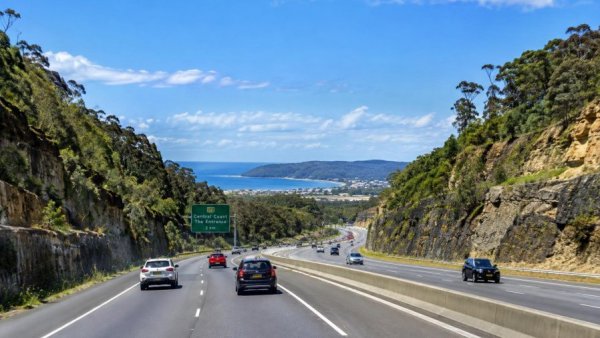
    Update Discovering Coastal Beauty: Exploring the M1 Pacific Motorway The M1 Pacific Motorway, a major highway along Australia’s eastern coastline, offers breathtaking views and a unique glimpse into the country’s natural beauty. Known for its stunning rock cuttings and scenic mountain drives, this route is not just about getting from point A to point B; it embodies adventure, exploration, and a connection to the breathtaking landscapes that define Australia. From the coastal stretches that hug the ocean to the towering cliffs and lush valleys, every turn on this highway presents an opportunity to appreciate the diverse ecosystems that thrive here.In M1 Pacific Motorway | Rock Cuttings & Mountain Highway Drive, the stunning views and environmental significance of this route inspire us to dive deeper into its captivating journey. The Journey Begins: What Makes the M1 Pacific Unique? The M1 Pacific Motorway stands out for many reasons, including its engineering marvels, particularly the rock cuttings that allow the highway to navigate through challenging terrain. These impressive structures not only showcase human ingenuity but also provide habitats for local wildlife, highlighting a balance between infrastructure and environmental conservation. Understanding the history of these rock cuttings can deepen one’s appreciation; they represent countless hours of planning and labor, designed to carve a safe path through the rugged Australian landscape. How to Make the Most of Your Drive Along the Motorway When traversing this magnificent route, it's essential to take advantage of designated rest stops and lookout points. Here are a few tips to enhance your experience: Plan Your Stops: Research and choose specific lookouts such as the Mount Tomah Botanic Gardens, which offer both information and beautiful vistas. These stops can serve as perfect opportunities to stretch your legs and breathe in the fresh mountain air. Stay Hydrated and Nourished: Pack refreshments to stay energized during your journey. Local cafes along the route often provide fresh and wholesome meals, offering a chance to taste the authentic flavors of the region. Capture the Moment: Bring along a camera or make use of your smartphone to document the incredible views and unique rock formations. These snapshots will serve as lasting memories of your road trip adventures. Environmental Considerations: Nature and Conservation on the M1 Driving along the M1 is not just about experiencing breathtaking views; it's also an opportunity to reflect on the ongoing environmental conversations surrounding road construction and maintenance. The route is designed with ecological integrity in mind, showcasing how modern infrastructure can harmoniously coexist with nature. Initiatives like wildlife crossings and strategically planted vegetation help maintain the natural flow of ecosystems disrupted by roads. As travelers, it’s important to respect the environment by minimizing waste, adhering to road signage, and supporting local conservation efforts. Participating in beach clean-ups or visiting national parks can turn your road trip into a memorable experience that gives back to the community and the environment. Each visit becomes a step toward promoting sustainable practices that protect these stunning landscapes for future generations. Safety First: Best Practices for a Smooth Journey While the allure of the picturesque surroundings can be captivating, safety should always be your top priority on the M1. Here are a few essential safety tips: Stay Focused: Avoid distractions by keeping mobile devices out of reach until stops are made. Designate a co-pilot to help navigate if needed, so you can keep your eyes on the road. Be Aware of Wildlife: Sudden appearances of wildlife can be a hazard. Stay alert, especially during dawn and dusk, which are peak times for animal activity, and be cautious of signs indicating wildlife crossings. Check Your Vehicle: Ensure your vehicle is road-ready before embarking on your journey. This includes checking tire pressure, fuel levels, and engine status. Having a roadside emergency kit can also provide peace of mind while you travel through remote areas. The Community Spirit: Connecting with Locals Driving along the M1 Pacific Motorway, you’ll find numerous local communities eager to share their culture and heritage. Stopping to visit small towns can enhance your journey. Whether it’s enjoying local cuisine, learning about history, or participating in community events, these interactions enrich the travel experience and foster appreciation for Australia’s diverse landscapes. Many towns host weekly markets or festivals that showcase local products and crafts, allowing travelers to engage with residents and learn about their way of life. Remember to support local businesses during your stops, as this not only boosts the economy but also creates meaningful connections with the people who call these beautiful places home. Engaging with locals can lead to recommendations for hidden gems off the beaten path, further enhancing your trip. Final Thoughts: Why the M1 Pacific Motorway Should Be on Your Must-Do List Whether you’re traversing this route for leisure or necessity, the M1 Pacific Motorway is certainly worth your time. It not only connects major cities but also connects travelers with the stunning Australian coastline and rich biodiversity. With the above tips on safety, exploration, and local engagement, you can make the most of your journey while embracing the natural wonders this road has to offer. Each drive along the M1 is an invitation to adventure, where every scenic view beckons you to stop and explore. So, pack your bags, gather your friends or family, and head out to experience the unforgettable journey along the M1 Pacific Motorway! Embrace the road and let it weave you through Australia’s enchanting landscapes—there are always stories waiting to be discovered just off the highway!

    11.15.2026

    Reimagining Urban Infrastructure: How Roads and Pedestrian Spaces Connect

    Update Rethinking Urban Spaces: Why Roads and Pedestrian Areas Matter In modern urban planning, the focus on designing spaces that foster connectivity and accessibility for everyone is gaining momentum. Many cities are realizing the importance of integrating roads and pedestrian spaces to create safer, more enjoyable environments. This shift not only promotes a more connected community but also encourages healthier lifestyle choices for city dwellers. As we dive deeper, it’s essential to understand how these transformations are impacting urban life.In 'How Roads and Pedestrian Spaces Connect', the discussion dives into the essence of urban infrastructure, exploring key insights that sparked deeper analysis on our end. Connecting People: Pedestrian-Friendly Infrastructure Roads are often seen as pathways for vehicles, but what happens when we rethink their design? By incorporating pedestrian spaces, we create an urban landscape that prioritizes people over cars. Pedestrian-friendly infrastructure encourages walking and cycling, reducing reliance on vehicles, which in turn lowers greenhouse gas emissions. This shift is essential in combating pollution and fostering communities focused on wellness. Research indicates that cities with more walkable areas experience a decline in instances of mental health issues and physical ailments among residents. Furthermore, urban planners are seeing that these improvements lead to more people choosing bicycles over cars for their daily commutes, which not only benefits the environment but also promotes physical fitness, leading to healthier, happier individuals. Exploring the Benefits of Integrated Urban Design Integrating roads and pedestrian spaces elevates safety measures within communities. When streets and sidewalks are designed with the intent of accommodating both pedestrians and vehicles, it minimizes the chances of accidents. Key strategies include lowering traffic speeds, implementing wider sidewalks, and ensuring well-placed crosswalks, which together create a holistic experience that meets the needs of all users. Besides the safety benefits, integrated urban design can enrich the local economy. For instance, vibrant pedestrian areas often piqué the interest of local businesses, as they attract foot traffic, inspiring social connections and economic activity. Whenever possible, frequent community events held in these pedestrian-friendly zones can cultivate an even greater sense of local pride and engagement. The Role of Nature in Urban Infrastructure Another key component of this symbiosis is the inclusion of green spaces, which can drastically change the landscape of urban life. Parks and tree-lined streets not only enhance the aesthetic appeal of a city but also improve air quality and promote physical activity. Studies have shown that access to greenery can increase physical exercise in residents, as parks encourage walking, jogging, and recreational activities. The presence of greenery can motivate individuals to spend more time outdoors, fostering a connection with nature that is increasingly vital in urban settings. Such designs draw in people seeking solitude and respite from the hustle and bustle of city life, further enhancing mental well-being. By prioritizing green infrastructure, cities are not just beautifying their environments; they are also addressing mental health, contributing to lower stress levels among residents, and boosting overall life satisfaction. Understanding the Future: Trends in Urban Development As cities evolve, the emphasis on sustainable and eco-friendly designs will likely grow. Future urban development could see a wide array of innovative transportation solutions intertwined with pedestrian pathways, such as electric scooters and bike-sharing systems that complement the existing infrastructure. The incorporation of smart technology in urban planning—think of smart traffic signals and apps that help you navigate to avoid congested areas—can greatly enhance the experience of commuting or enjoying a stroll. Embracing these changes allows for mobility that not only prioritizes convenience but also promotes environmental sustainability—an essential factor for future generations. Urban designers are also looking into mixed-use developments, which blend residential, commercial, and recreational spaces, making cities more dynamic and enjoyable for all residents. Inspiring Community Conversations Community involvement is crucial when reimagining urban spaces. Engaging local citizens in discussions about what they need in their neighborhoods fosters a sense of belonging. Public forums and workshops can provide valuable insights into how roads and pedestrian areas are utilized, ensuring that designs reflect the community's desires and requirements. These conversations should also include voices from diverse demographics, ensuring that everyone’s needs are met, whether they’re families with children, elderly citizens, or individuals with disabilities. This participatory approach leads to a greater sense of ownership and pride in public spaces, encouraging residents to keep their neighborhoods clean and safe. Ultimately, collaborating with citizens can lead to more successful urban spaces as the designs will be more reflective of their collective vision. Building Awareness and Education Education plays an important role in how residents interact with their urban spaces. Schools and community programs can facilitate workshops that educate individuals on the benefits of using pedestrian-friendly infrastructure or the importance of green environments. Practical demonstrations on biking or walking routes can further enhance community connections, making these activities not only practical but enjoyable as a shared experience. Through these initiatives, residents can better appreciate the changes happening in their surroundings and become advocates for sustainable urban development within their cities. Conclusion: The Path to a Healthier Tomorrow As we look towards the future of urban infrastructure, it is clear that roads and pedestrian spaces must work in unison to create thriving communities. This integration fosters connectivity, enhances accessibility, and supports mental and physical well-being. By investing in infrastructure that prioritizes people and nature, cities can transform into healthier, happier places to live. Collectively, we can envision a future where urban spaces encourage walking, cycling, and community engagement—leading us on the path to a sustainable and satisfying lifestyle. By fostering inclusive spaces and providing the means for individuals to connect, we are not just creating better cities; we are shaping better lives.

    11.14.2026

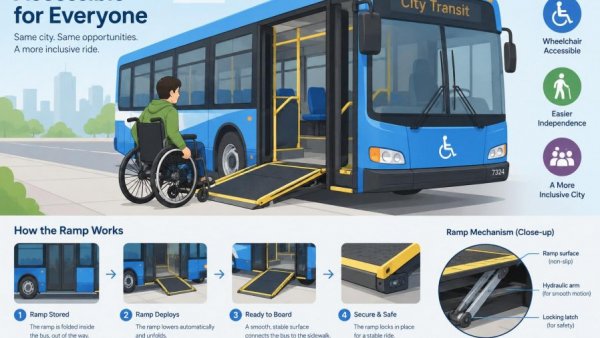
    Understanding Why City Buses Kneel at the Kerb for Accessibility

    Update The Importance of Accessibility in Public Transport As cities grow and evolve, the necessity for accessible public transportation becomes increasingly clear. One remarkable innovation is the "kneeling" feature of city buses, a design that significantly enhances accessibility for individuals with mobility challenges. By lowering the bus closer to the curb, it helps ensure that everyone, regardless of ability, can safely board and alight from the bus. This simple mechanism can make a world of difference, allowing more people to use public transportation freely and with dignity.The video "Why City Buses Kneel at the Kerb" delves into the crucial role that kneeling buses play in enhancing accessibility in public transport, prompting an exploration of its broader implications. Understanding the Kneeling Feature The kneeling feature in buses uses air suspension technology that lowers the bus's rear when a passenger is getting on or off. When activated, the bus tilts towards the curb, reducing the distance between the bus door and the ground. This ease of access is crucial for individuals with wheelchairs or other mobility devices, as well as for seniors and parents with strollers. The act of simply lowering the bus may seem small, but its impact is profound, as it facilitates dignity, independence, and safety. While it may seem like a small adjustment, it can reduce the risks of accidents caused by missteps. The lowering system also helps make public transport an option for those who might otherwise refrain from using it due to physical constraints. For example, parents with strollers often find it difficult to navigate standard-height buses, which can lead to dangerous situations where they might struggle to lift the stroller on or off the bus. A Step Towards Inclusivity With the kneeling buses, public transportation systems are creating a more inclusive environment. This particular feature serves to bridge the gap between those who can navigate public transport with ease, and those who may face obstacles in doing so. Accessibility isn’t just a feature; it is a necessity that fosters community cohesion. Promoting accessibility contributes not only to individual dignity but also enhances community participation, encouraging everyone to engage with urban life more fully. The effectiveness of the kneeling feature is further highlighted in its ability to build confidence among users. Knowing that they can board the bus safely empowers individuals with mobility issues to travel independently. This willingness to engage with the community can lead to increased participation in local events, employment opportunities, and social interactions. Future of Urban Transport: Progress or Stagnation? Advancements in public transportation technology, like the kneeling feature, raise important questions regarding future investments and improvements. Cities must continue emphasizing the significance of developing all aspects of public transit, keeping pace with the growing need for inclusiveness. How urban planners approach accessibility will greatly influence participation in public transport systems. This consideration becomes even more pertinent as urban populations continue to swell. Cities are evolving rapidly, and as they do, keeping public transport systems up-to-date is becoming more essential. The ongoing dialogue about incorporating sustainable technologies should also take accessibility into account, ensuring that eco-friendly solutions are also user-friendly. The future of urban transport lies in continued dialogue among stakeholders, ensuring that all community members’ needs are both prioritized and met. Challenges and Diverging Perspectives While the kneeling buses are a step in the right direction, some communities still face significant barriers. Funding remains one of public transport's biggest hurdles. In regions where budgets are tight, the implementation of accessible features may not be prioritized, leaving individuals who rely on public transport at a disadvantage. Decisions about transportation financing often leave flexibility and modernization on the backburner. Moreover, the technology must be well-maintained to function effectively. Regular service ensures that the kneeling feature operates smoothly, meaning that educating maintenance personnel about the importance of accessibility is equally crucial. For this feature to be a reliable option for users, consistent upkeep is non-negotiable; a malfunctioning kneeling bus can lead to frustration and lost trust among users, particularly those who rely on it most. Community engagement plays an essential role in advocating for necessary funding. Residents can organize to express the importance of accessible transport in town hall meetings or through community forums, demonstrating to local government leaders that constituents prioritize inclusivity in public spaces. Why Accessibility Matters to Us All Accessibility in public transport is often viewed as a discussion limited to those with mobility challenges. However, it affects us all. Improving public transport means cleaner air, reduced traffic congestion, and more vibrant urban spaces. When people don’t have to worry about how they will get from Point A to Point B, the entire community thrives. Improved public transport can lead to decreased reliance on personal vehicles, which benefits the environment through lower emissions. Whether you’re a student heading to class, a worker commuting to the office, or a parent bringing a child home from school, walking onto a public bus should be a straightforward process. Protecting the ability of everyone to access these services is pivotal to building solidarity within cities. The convenience of accessible transport translates to shared mobility, allowing diverse community members to connect, share experiences, and support local businesses. Conclusion: Taking Action Towards Change The features that make public transport more accessible create a ripple effect—improving overall community wellbeing while promoting sustainable living practices. While we’ve seen significant steps forward, your support and advocacy are crucial in pushing for further advancements. Let’s continue to work towards a community where everyone can navigate their environment with grace and ease. Advocate for improved transport systems in your area, engage with stakeholders, and participate in public discussions. Together, we can make transportation accessible for all, enhancing not just mobility, but the quality of life for every member of our community. Accessibility is not merely a feature; it is a fulcrum for societal change and a core component of a thriving urban environment.

    HomeHealthHub.net

    Professional Wellness Design and Maintenance  for Residential & Commercial Spaces, brought to you by Team Local Marketing.

    • Facebook
    • X
    • Youtube
    • Instagram
    Team Resources
    SEO Strategies
    Social Media
    Business Strategies

    By Appointment

    AVAILABLE FROM 8AM - 5PM


    239 S Landing Dr, Milford, DE

    ABOUT US

    HomeHealthHub.net bridges the gap between institutional-grade wellness practice and residential/commercial applications, translating professional facility principles into practical solutions for all spaces.

    © 2026 HomeHealthHub.net All Rights Reserved. 239 S Landing Dr, Milford, DE 19963 . Contact Us . Terms of Service . Privacy Policy

    eyJjb21wYW55IjoiSG9tZUhlYWx0aEh1Yi5uZXQiLCJhZGRyZXNzIjoiMjM5IFMgTGFuZGluZyBEciIsImNpdHkiOiJNaWxmb3JkIiwic3RhdGUiOiJERSIsInppcCI6IjE5OTYzIiwiZW1haWwiOiJJbmZvQGhvbWVoZWFsdGhodWIubmV0IiwidG9zIjoiUEhBK1BITjBjbTl1Wno0OFpXMCtWMmhsYmlCNWIzVWdjMmxuYmkxcGJpQjNhWFJvSUhWekxDQjViM1VnWVhKbElHZHBkbWx1WnladVluTndPeUI1YjNWeUlIQmxjbTFwYzNOcGIyNGdZVzVrSUdOdmJuTmxiblFnZEc4Z2MyVnVaQ0I1YjNVZ1pXMWhhV3dnWVc1a0wyOXlJRk5OVXlCMFpYaDBJRzFsYzNOaFoyVnpMaUJDZVNCamFHVmphMmx1WnlCMGFHVWdWR1Z5YlhNZ1lXNWtJRU52Ym1ScGRHbHZibk1nWW05NElHRnVaQ0JpZVNCemFXZHVhVzVuSUdsdUlIbHZkU0JoZFhSdmJXRjBhV05oYkd4NUlHTnZibVpwY20wZ2RHaGhkQ0I1YjNVZ1lXTmpaWEIwSUdGc2JDQjBaWEp0Y3lCcGJpQjBhR2x6SUdGbmNtVmxiV1Z1ZEM0OEwyVnRQand2YzNSeWIyNW5Qand2Y0Q0S0NqeHdQanh6ZEhKdmJtYytVMFZTVmtsRFJUd3ZjM1J5YjI1blBqd3ZjRDRLQ2p4d1BsZGxJSEJ5YjNacFpHVWdZU0J6WlhKMmFXTmxJSFJvWVhRZ1kzVnljbVZ1ZEd4NUlHRnNiRzkzY3lCNWIzVWdkRzhnY21WalpXbDJaU0J5WlhGMVpYTjBjeUJtYjNJZ1ptVmxaR0poWTJzc0lHTnZiWEJoYm5rZ2FXNW1iM0p0WVhScGIyNHNJSEJ5YjIxdmRHbHZibUZzSUdsdVptOXliV0YwYVc5dUxDQmpiMjF3WVc1NUlHRnNaWEowY3l3Z1kyOTFjRzl1Y3l3Z1pHbHpZMjkxYm5SeklHRnVaQ0J2ZEdobGNpQnViM1JwWm1sallYUnBiMjV6SUhSdklIbHZkWElnWlcxaGFXd2dZV1JrY21WemN5QmhibVF2YjNJZ1kyVnNiSFZzWVhJZ2NHaHZibVVnYjNJZ1pHVjJhV05sTGlCWmIzVWdkVzVrWlhKemRHRnVaQ0JoYm1RZ1lXZHlaV1VnZEdoaGRDQjBhR1VnVTJWeWRtbGpaU0JwY3lCd2NtOTJhV1JsWkNBbWNYVnZkRHRCVXkxSlV5WnhkVzkwT3lCaGJtUWdkR2hoZENCM1pTQmhjM04xYldVZ2JtOGdjbVZ6Y0c5dWMybGlhV3hwZEhrZ1ptOXlJSFJvWlNCMGFXMWxiR2x1WlhOekxDQmtaV3hsZEdsdmJpd2diV2x6TFdSbGJHbDJaWEo1SUc5eUlHWmhhV3gxY21VZ2RHOGdjM1J2Y21VZ1lXNTVJSFZ6WlhJZ1kyOXRiWFZ1YVdOaGRHbHZibk1nYjNJZ2NHVnljMjl1WVd4cGVtRjBhVzl1SUhObGRIUnBibWR6TGp3dmNENEtDanh3UGxsdmRTQmhjbVVnY21WemNHOXVjMmxpYkdVZ1ptOXlJRzlpZEdGcGJtbHVaeUJoWTJObGMzTWdkRzhnZEdobElGTmxjblpwWTJVZ1lXNWtJSFJvWVhRZ1lXTmpaWE56SUcxaGVTQnBiblp2YkhabElIUm9hWEprSUhCaGNuUjVJR1psWlhNZ0tITjFZMmdnWVhNZ1UwMVRJSFJsZUhRZ2JXVnpjMkZuWlhNc0lFbHVkR1Z5Ym1WMElITmxjblpwWTJVZ2NISnZkbWxrWlhJZ2IzSWdZMlZzYkhWc1lYSWdZV2x5ZEdsdFpTQmphR0Z5WjJWektTNGdXVzkxSUdGeVpTQnlaWE53YjI1emFXSnNaU0JtYjNJZ2RHaHZjMlVnWm1WbGN5d2dhVzVqYkhWa2FXNW5JSFJvYjNObElHWmxaWE1nWVhOemIyTnBZWFJsWkNCM2FYUm9JSFJvWlNCa2FYTndiR0Y1SUc5eUlHUmxiR2wyWlhKNUlHOW1JR1ZoWTJnZ1UwMVRJSFJsZUhRZ2JXVnpjMkZuWlNCelpXNTBJSFJ2SUhsdmRTQmllU0IxY3k0Z1NXNGdZV1JrYVhScGIyNHNJSGx2ZFNCdGRYTjBJSEJ5YjNacFpHVWdZVzVrSUdGeVpTQnlaWE53YjI1emFXSnNaU0JtYjNJZ1lXeHNJR1Z4ZFdsd2JXVnVkQ0J1WldObGMzTmhjbmtnZEc4Z1lXTmpaWE56SUhSb1pTQlRaWEoyYVdObElHRnVaQ0J5WldObGFYWmxJSFJvWlNCVFRWTWdkR1Y0ZENCdFpYTnpZV2RsY3k0Z1YyVWdaRzhnYm05MElHTm9ZWEpuWlNCaGJua2dabVZsY3lCbWIzSWdaR1ZzYVhabGNua2diMllnWlcxaGFXd2diM0lnVTAxVExpQlVhR2x6SUdseklHRWdabkpsWlNCelpYSjJhV05sSUhCeWIzWnBaR1ZrSUdKNUlIVnpMaUJJYjNkbGRtVnlMQ0J3YkdWaGMyVWdZMmhsWTJzZ2QybDBhQ0I1YjNWeUlHbHVkR1Z5Ym1WMElITmxjblpwWTJVZ2NISnZkbWxrWlhJZ1lXNWtJR05sYkd4MWJHRnlJR05oY25KcFpYSWdabTl5SUdGdWVTQmphR0Z5WjJWeklIUm9ZWFFnYldGNUlHbHVZM1Z5SUdGeklHRWdjbVZ6ZFd4MElHWnliMjBnY21WalpXbDJhVzVuSUdWdFlXbHNJR0Z1WkNCVFRWTWdkR1Y0ZENCdFpYTnpZV2RsY3lCMGFHRjBJSGRsSUdSbGJHbDJaWElnZFhCdmJpQjViM1Z5SUc5d2RDMXBiaUJoYm1RZ2NtVm5hWE4wY21GMGFXOXVJSGRwZEdnZ2IzVnlJR1Z0WVdsc0lHRnVaQ0JUVFZNZ2MyVnlkbWxqWlhNdUlGbHZkU0JqWVc0Z1kyRnVZMlZzSUdGMElHRnVlU0IwYVcxbExpQktkWE4wSUhSbGVIUWdKbkYxYjNRN1UxUlBVQ1p4ZFc5ME95QjBieUE4YzNCaGJpQnpkSGxzWlQwaVltRmphMmR5YjNWdVpDMWpiMnh2Y2pvZ2NtZGlZU2d5TlRVc0lERTVPQ3dnTUN3Z01DNHpLVHNpUGpVM01TMDFORGt0TVRVNE5qd3ZjM0JoYmo0dUlFRm1kR1Z5SUhsdmRTQnpaVzVrSUhSb1pTQlRUVk1nYldWemMyRm5aU0FtY1hWdmREdFRWRTlRSm5GMWIzUTdJSFJ2SUhWekxDQjNaU0IzYVd4c0lITmxibVFnZVc5MUlHRnVJRk5OVXlCdFpYTnpZV2RsSUhSdklHTnZibVpwY20wZ2RHaGhkQ0I1YjNVZ2FHRjJaU0JpWldWdUlIVnVjM1ZpYzJOeWFXSmxaQzRnUVdaMFpYSWdkR2hwY3l3Z2VXOTFJSGRwYkd3Z2JtOGdiRzl1WjJWeUlISmxZMlZwZG1VZ1UwMVRJRzFsYzNOaFoyVnpJR1p5YjIwZ2RYTXVQQzl3UGdvS1BIQStQSE4wY205dVp6NVpUMVZTSUZKRlIwbFRWRkpCVkVsUFRpQlBRa3hKUjBGVVNVOU9Vend2YzNSeWIyNW5Qand2Y0Q0S0NqeHdQa2x1SUdOdmJuTnBaR1Z5WVhScGIyNGdiMllnZVc5MWNpQjFjMlVnYjJZZ2RHaGxJRk5sY25acFkyVXNJSGx2ZFNCaFozSmxaU0IwYnpvOEwzQStDZ284YjJ3K0NnazhiR2srY0hKdmRtbGtaU0IwY25WbExDQmhZMk4xY21GMFpTd2dZM1Z5Y21WdWRDQmhibVFnWTI5dGNHeGxkR1VnYVc1bWIzSnRZWFJwYjI0Z1lXSnZkWFFnZVc5MWNuTmxiR1lnWVhNZ2NISnZiWEIwWldRZ1lua2dkR2hsSUZObGNuWnBZMlVtSXpNNU8zTWdjbVZuYVhOMGNtRjBhVzl1SUdadmNtMGdLSE4xWTJnZ2FXNW1iM0p0WVhScGIyNGdZbVZwYm1jZ2RHaGxJQ1p4ZFc5ME8xSmxaMmx6ZEhKaGRHbHZiaUJFWVhSaEpuRjFiM1E3S1NCaGJtUThMMnhwUGdvSlBHeHBQbTFoYVc1MFlXbHVJR0Z1WkNCd2NtOXRjSFJzZVNCMWNHUmhkR1VnZEdobElGSmxaMmx6ZEhKaGRHbHZiaUJFWVhSaElIUnZJR3RsWlhBZ2FYUWdkSEoxWlN3Z1lXTmpkWEpoZEdVc0lHTjFjbkpsYm5RZ1lXNWtJR052YlhCc1pYUmxMaUJKWmlCNWIzVWdjSEp2ZG1sa1pTQmhibmtnYVc1bWIzSnRZWFJwYjI0Z2RHaGhkQ0JwY3lCMWJuUnlkV1VzSUdsdVlXTmpkWEpoZEdVc0lHNXZkQ0JqZFhKeVpXNTBJRzl5SUdsdVkyOXRjR3hsZEdVc0lHOXlJSGRsSUdoaGRtVWdjbVZoYzI5dVlXSnNaU0JuY205MWJtUnpJSFJ2SUhOMWMzQmxZM1FnZEdoaGRDQnpkV05vSUdsdVptOXliV0YwYVc5dUlHbHpJSFZ1ZEhKMVpTd2dhVzVoWTJOMWNtRjBaU3dnYm05MElHTjFjbkpsYm5RZ2IzSWdhVzVqYjIxd2JHVjBaU3dnZDJVZ2FHRjJaU0IwYUdVZ2NtbG5hSFFnZEc4Z2MzVnpjR1Z1WkNCdmNpQThjM1J5YjI1blBqeHpjR0Z1SUhOMGVXeGxQU0pqYjJ4dmNqb2pSa1l3TURBd095SStkR1Z5YldsdVlYUmxJSGx2ZFhJZ1lXTmpiM1Z1ZEM5d2NtOW1hV3hsSUdGdVpDQnlaV1oxYzJVZ1lXNTVJR0Z1WkNCaGJHd2dZM1Z5Y21WdWRDQnZjaUJtZFhSMWNtVWdkWE5sSUc5bUlIUm9aU0JUWlhKMmFXTmxJQ2h2Y2lCaGJua2djRzl5ZEdsdmJpQjBhR1Z5Wlc5bUtTNDhMM053WVc0K1BDOXpkSEp2Ym1jK1BDOXNhVDRLUEM5dmJENEtDanh3UGladVluTndPend2Y0Q0S1BHaHBaMmhzYVdkb2RDQmpiR0Z6Y3owaVkyOXRjR0Z1ZVU1aGJXVlZjR1JoZEdVaVBraHZiV1ZJWldGc2RHaElkV0l1Ym1WMFBDOW9hV2RvYkdsbmFIUStQR0p5SUM4K0NqeG9hV2RvYkdsbmFIUWdZMnhoYzNNOUltTnZiWEJoYm5sQlpHUnlaWE56VlhCa1lYUmxJajR5TXprZ1V5Qk1ZVzVrYVc1bklFUnlQQzlvYVdkb2JHbG5hSFErUEdKeUlDOCtDanhvYVdkb2JHbG5hSFFnWTJ4aGMzTTlJbU52YlhCaGJubFFhRzl1WlZWd1pHRjBaU0krS3pFck1UTXdNalV6TmpneU5UVThMMmhwWjJoc2FXZG9kRDQ4WW5JZ0x6NEtQR2hwWjJoc2FXZG9kQ0JqYkdGemN6MGlZMjl0Y0dGdWVVVnRZV2xzVlhCa1lYUmxJajVKYm1adlFHaHZiV1ZvWldGc2RHaG9kV0l1Ym1WMFBDOW9hV2RvYkdsbmFIUSsiLCJwcml2YWN5IjoiUEhBK1BITjBjbTl1Wno1UVVrbFdRVU5aUEM5emRISnZibWMrUEM5d1Bnb0tQSEErUEhOMGNtOXVaejVVYUdVZ2FXNW1iM0p0WVhScGIyNGdjSEp2ZG1sa1pXUWdaSFZ5YVc1bklIUm9hWE1nY21WbmFYTjBjbUYwYVc5dUlHbHpJR3RsY0hRZ2NISnBkbUYwWlNCaGJtUWdZMjl1Wm1sa1pXNTBhV0ZzTENCaGJtUWdkMmxzYkNCdVpYWmxjaUJpWlNCa2FYTjBjbWxpZFhSbFpDd2dZMjl3YVdWa0xDQnpiMnhrTENCMGNtRmtaV1FnYjNJZ2NHOXpkR1ZrSUdsdUlHRnVlU0IzWVhrc0lITm9ZWEJsSUc5eUlHWnZjbTB1SUZSb2FYTWdhWE1nYjNWeUlHZDFZWEpoYm5SbFpTNDhMM04wY205dVp6NDhMM0ErQ2dvOGNENDhjM1J5YjI1blBrbE9SRVZOVGtsVVdUd3ZjM1J5YjI1blBqd3ZjRDRLQ2p4d1BqeGxiVDVaYjNVZ1lXZHlaV1VnZEc4Z2FXNWtaVzF1YVdaNUlHRnVaQ0JvYjJ4a0lIVnpMQ0JoYm1RZ2FYUnpJSE4xWW5OcFpHbGhjbWxsY3l3Z1lXWm1hV3hwWVhSbGN5d2diMlptYVdObGNuTXNJR0ZuWlc1MGN5d2dZMjh0WW5KaGJtUmxjbk1nYjNJZ2IzUm9aWElnY0dGeWRHNWxjbk1zSUdGdVpDQmxiWEJzYjNsbFpYTXNJR2hoY20xc1pYTnpJR1p5YjIwZ1lXNTVJR05zWVdsdElHOXlJR1JsYldGdVpDd2dhVzVqYkhWa2FXNW5JSEpsWVhOdmJtRmliR1VnWVhSMGIzSnVaWGx6SmlNek9Uc2dabVZsY3l3Z2JXRmtaU0JpZVNCaGJua2dkR2hwY21RZ2NHRnlkSGtnWkhWbElIUnZJRzl5SUdGeWFYTnBibWNnYjNWMElHOW1JRU52Ym5SbGJuUWdlVzkxSUhKbFkyVnBkbVVzSUhOMVltMXBkQ3dnY21Wd2JIa3NJSEJ2YzNRc0lIUnlZVzV6YldsMElHOXlJRzFoYTJVZ1lYWmhhV3hoWW14bElIUm9jbTkxWjJnZ2RHaGxJRk5sY25acFkyVXNJSGx2ZFhJZ2RYTmxJRzltSUhSb1pTQlRaWEoyYVdObExDQjViM1Z5SUdOdmJtNWxZM1JwYjI0Z2RHOGdkR2hsSUZObGNuWnBZMlVzSUhsdmRYSWdkbWx2YkdGMGFXOXVJRzltSUhSb1pTQlVUMU1zSUc5eUlIbHZkWElnZG1sdmJHRjBhVzl1SUc5bUlHRnVlU0J5YVdkb2RITWdiMllnWVc1dmRHaGxjaTQ4TDJWdFBqd3ZjRDRLQ2p4d1BqeHpkSEp2Ym1jK1JFbFRRMHhCU1UxRlVpQlBSaUJYUVZKU1FVNVVTVVZUUEM5emRISnZibWMrUEM5d1Bnb0tQSEErUEhOMGNtOXVaejVaVDFVZ1JWaFFVa1ZUVTB4WklGVk9SRVZTVTFSQlRrUWdRVTVFSUVGSFVrVkZJRlJJUVZRNlBDOXpkSEp2Ym1jK1BDOXdQZ29LUEc5c1Bnb0pQR3hwUGxsUFZWSWdWVk5GSUU5R0lGUklSU0JUUlZKV1NVTkZJRWxUSUVGVUlGbFBWVklnVTA5TVJTQlNTVk5MTGlCVVNFVWdVMFZTVmtsRFJTQkpVeUJRVWs5V1NVUkZSQ0JQVGlCQlRpQW1jWFZ2ZER0QlV5QkpVeVp4ZFc5ME95QkJUa1FnSm5GMWIzUTdRVk1nUVZaQlNVeEJRa3hGSm5GMWIzUTdJRUpCVTBsVExpQXNMaUJCVGtRZ1ZWTXNJRWxVSmlNek9UdFRJRU5WVTFSUFRVVlNVeXdnUlZoUVVrVlRVMHhaSUVSSlUwTk1RVWxOVXlCQlRFd2dWMEZTVWtGT1ZFbEZVeUJQUmlCQlRsa2dTMGxPUkN3Z1YwaEZWRWhGVWlCRldGQlNSVk5USUU5U0lFbE5VRXhKUlVRc0lFbE9RMHhWUkVsT1J5d2dRbFZVSUU1UFZDQk1TVTFKVkVWRUlGUlBJRlJJUlNCSlRWQk1TVVZFSUZkQlVsSkJUbFJKUlZNZ1QwWWdUVVZTUTBoQlRsUkJRa2xNU1ZSWkxDQkdTVlJPUlZOVElFWlBVaUJCSUZCQlVsUkpRMVZNUVZJZ1VGVlNVRTlUUlNCQlRrUWdUazlPTFVsT1JsSkpUa2RGVFVWT1ZDNDhMMnhwUGdvSlBHeHBQazFCUzBWVElFNVBJRmRCVWxKQlRsUlpJRlJJUVZRZ0tHa3BJRlJJUlNCVFJWSldTVU5GSUZkSlRFd2dUVVZGVkNCWlQxVlNJRkpGVVZWSlVrVk5SVTVVVXl3Z0tHbHBLU0JVU0VVZ1UwVlNWa2xEUlNCWFNVeE1JRUpGSUZWT1NVNVVSVkpTVlZCVVJVUXNJRlJKVFVWTVdTd2dVMFZEVlZKRkxDQlBVaUJGVWxKUFVpMUdVa1ZGTENBb2FXbHBLU0JVU0VVZ1VrVlRWVXhVVXlCVVNFRlVJRTFCV1NCQ1JTQlBRbFJCU1U1RlJDQkdVazlOSUZSSVJTQlZVMFVnVDBZZ1ZFaEZJRk5GVWxaSlEwVWdWMGxNVENCQ1JTQkJRME5WVWtGVVJTQlBVaUJTUlV4SlFVSk1SU3dnUVU1RUlDaHBkaWtnUVU1WklFVlNVazlTVXlCSlRpQlVTRVVnVTA5R1ZGZEJVa1VnVjBsTVRDQkNSU0JEVDFKU1JVTlVSVVF1UEM5c2FUNEtDVHhzYVQ1QlRsa2dUVUZVUlZKSlFVd2dSRTlYVGt4UFFVUkZSQ0JQVWlCUFZFaEZVbGRKVTBVZ1QwSlVRVWxPUlVRZ1ZFaFNUMVZIU0NCVVNFVWdWVk5GSUU5R0lGUklSU0JUUlZKV1NVTkZJRWxUSUVSUFRrVWdRVlFnV1U5VlVpQlBWMDRnUkVsVFExSkZWRWxQVGlCQlRrUWdVa2xUU3lCQlRrUWdWRWhCVkNCWlQxVWdWMGxNVENCQ1JTQlRUMHhGVEZrZ1VrVlRVRTlPVTBsQ1RFVWdSazlTSUVGT1dTQkVRVTFCUjBVZ1ZFOGdXVTlWVWlCRFQwMVFWVlJGVWlCVFdWTlVSVTBnVDFJZ1RFOVRVeUJQUmlCRVFWUkJJRlJJUVZRZ1VrVlRWVXhVVXlCR1VrOU5JRlJJUlNCRVQxZE9URTlCUkNCUFJpQkJUbGtnVTFWRFNDQk5RVlJGVWtsQlRDNDhMMnhwUGdvSlBHeHBQazVQSUVGRVZrbERSU0JQVWlCSlRrWlBVazFCVkVsUFRpd2dWMGhGVkVoRlVpQlBVa0ZNSUU5U0lGZFNTVlJVUlU0c0lFOUNWRUZKVGtWRUlFSlpJRmxQVlNCR1VrOU5JRTlTSUZSSVVrOVZSMGdnVDFJZ1JsSlBUU0JVU0VVZ1UwVlNWa2xEUlNCVFNFRk1UQ0JEVWtWQlZFVWdRVTVaSUZkQlVsSkJUbFJaSUU1UFZDQkZXRkJTUlZOVFRGa2dVMVJCVkVWRUlFbE9JRlJJUlNCVVQxTXVQQzlzYVQ0S1BDOXZiRDRLQ2p4d1BqeHpkSEp2Ym1jK1RFbE5TVlJCVkVsUFRpQlBSaUJNU1VGQ1NVeEpWRms4TDNOMGNtOXVaejQ4TDNBK0NnbzhjRDVaVDFVZ1JWaFFVa1ZUVTB4WklGVk9SRVZTVTFSQlRrUWdRVTVFSUVGSFVrVkZJRlJJUVZRZ1FVNUVJRk5JUVV4TUlFNVBWQ0JDUlNCTVNVRkNURVVnUms5U0lFRk9XU0JFU1ZKRlExUXNJRWxPUkVsU1JVTlVMQ0JKVGtOSlJFVk9WRUZNTENCVFVFVkRTVUZNTENCRFQwNVRSVkZWUlU1VVNVRk1JRTlTSUVWWVJVMVFURUZTV1NCRVFVMUJSMFZUTENCSlRrTk1WVVJKVGtjZ1FsVlVJRTVQVkNCTVNVMUpWRVZFSUZSUExDQkVRVTFCUjBWVElFWlBVaUJNVDFOVElFOUdJRkJTVDBaSlZGTXNJRWRQVDBSWFNVeE1MQ0JWVTBVc0lFUkJWRUVnVDFJZ1QxUklSVklnU1U1VVFVNUhTVUpNUlNCTVQxTlRSVk1nS0VWV1JVNGdTVVlnU0VGVElFSkZSVTRnUVVSV1NWTkZSQ0JQUmlCVVNFVWdVRTlUVTBsQ1NVeEpWRmtnVDBZZ1UxVkRTQ0JFUVUxQlIwVlRLU3dnVWtWVFZVeFVTVTVISUVaU1QwMDZQQzl3UGdvS1BHOXNQZ29KUEd4cFBsUklSU0JWVTBVZ1QxSWdWRWhGSUVsT1FVSkpURWxVV1NCVVR5QlZVMFVnVkVoRklGTkZVbFpKUTBVN1BDOXNhVDRLQ1R4c2FUNVVTRVVnUTA5VFZDQlBSaUJRVWs5RFZWSkZUVVZPVkNCUFJpQlRWVUpUVkVsVVZWUkZJRWRQVDBSVElFRk9SQ0JUUlZKV1NVTkZVeUJTUlZOVlRGUkpUa2NnUmxKUFRTQkJUbGtnUjA5UFJGTXNJRVJCVkVFc0lFbE9SazlTVFVGVVNVOU9JRTlTSUZORlVsWkpRMFZUSUZCVlVrTklRVk5GUkNCUFVpQlBRbFJCU1U1RlJDQlBVaUJOUlZOVFFVZEZVeUJTUlVORlNWWkZSQ0JQVWlCVVVrRk9VMEZEVkVsUFRsTWdSVTVVUlZKRlJDQkpUbFJQSUZSSVVrOVZSMGdnVDFJZ1JsSlBUU0JVU0VVZ1UwVlNWa2xEUlRzOEwyeHBQZ29KUEd4cFBsVk9RVlZVU0U5U1NWcEZSQ0JCUTBORlUxTWdWRThnVDFJZ1FVeFVSVkpCVkVsUFRpQlBSaUJaVDFWU0lGUlNRVTVUVFVsVFUwbFBUbE1nVDFJZ1JFRlVRVHM4TDJ4cFBnb0pQR3hwUGxOVVFWUkZUVVZPVkZNZ1QxSWdRMDlPUkZWRFZDQlBSaUJCVGxrZ1ZFaEpVa1FnVUVGU1ZGa2dUMDRnVkVoRklGTkZVbFpKUTBVN0lFOVNQQzlzYVQ0S0NUeHNhVDVCVGxrZ1QxUklSVklnVFVGVVZFVlNJRkpGVEVGVVNVNUhJRlJQSUZSSVJTQlRSVkpXU1VORkxqd3ZiR2srQ2p3dmIydytDZ284Y0Q0OGRUNUNlU0J5WldkcGMzUmxjbWx1WnlCaGJtUWdjM1ZpYzJOeWFXSnBibWNnZEc4Z2IzVnlJR1Z0WVdsc0lHRnVaQ0JUVFZNZ2MyVnlkbWxqWlN3Z1lua2diM0IwTFdsdUxDQnZibXhwYm1VZ2NtVm5hWE4wY21GMGFXOXVJRzl5SUdKNUlHWnBiR3hwYm1jZ2IzVjBJR0VnWTJGeVpDd2dKbkYxYjNRN2VXOTFJR0ZuY21WbElIUnZJSFJvWlhObElGUkZVazFUSUU5R0lGTkZVbFpKUTBVbWNYVnZkRHNnWVc1a0lIbHZkU0JoWTJ0dWIzZHNaV1JuWlNCaGJtUWdkVzVrWlhKemRHRnVaQ0IwYUdVZ1lXSnZkbVVnZEdWeWJYTWdiMllnYzJWeWRtbGpaU0J2ZFhSc2FXNWxaQ0JoYm1RZ1pHVjBZV2xzWldRZ1ptOXlJSGx2ZFNCMGIyUmhlUzQ4TDNVK1BDOXdQZ29LUEhBK0ptNWljM0E3UEM5d1BnbzhhR2xuYUd4cFoyaDBJR05zWVhOelBTSmpiMjF3WVc1NVRtRnRaVlZ3WkdGMFpTSStTRzl0WlVobFlXeDBhRWgxWWk1dVpYUThMMmhwWjJoc2FXZG9kRDQ4WW5JZ0x6NEtQR2hwWjJoc2FXZG9kQ0JqYkdGemN6MGlZMjl0Y0dGdWVVRmtaSEpsYzNOVmNHUmhkR1VpUGpJek9TQlRJRXhoYm1ScGJtY2dSSEk4TDJocFoyaHNhV2RvZEQ0OFluSWdMejRLUEdocFoyaHNhV2RvZENCamJHRnpjejBpWTI5dGNHRnVlVkJvYjI1bFZYQmtZWFJsSWo0ck1Tc3hNekF5TlRNMk9ESTFOVHd2YUdsbmFHeHBaMmgwUGp4aWNpQXZQZ284YUdsbmFHeHBaMmgwSUdOc1lYTnpQU0pqYjIxd1lXNTVSVzFoYVd4VmNHUmhkR1VpUGtsdVptOUFhRzl0WldobFlXeDBhR2gxWWk1dVpYUThMMmhwWjJoc2FXZG9kRDQ9In0=

    Terms of Service

    Privacy Policy

    Core Modal Title

    Sorry, no results found

    You Might Find These Articles Interesting

    T
    Please Check Your Email
    We Will Be Following Up Shortly
    *
    *
    *